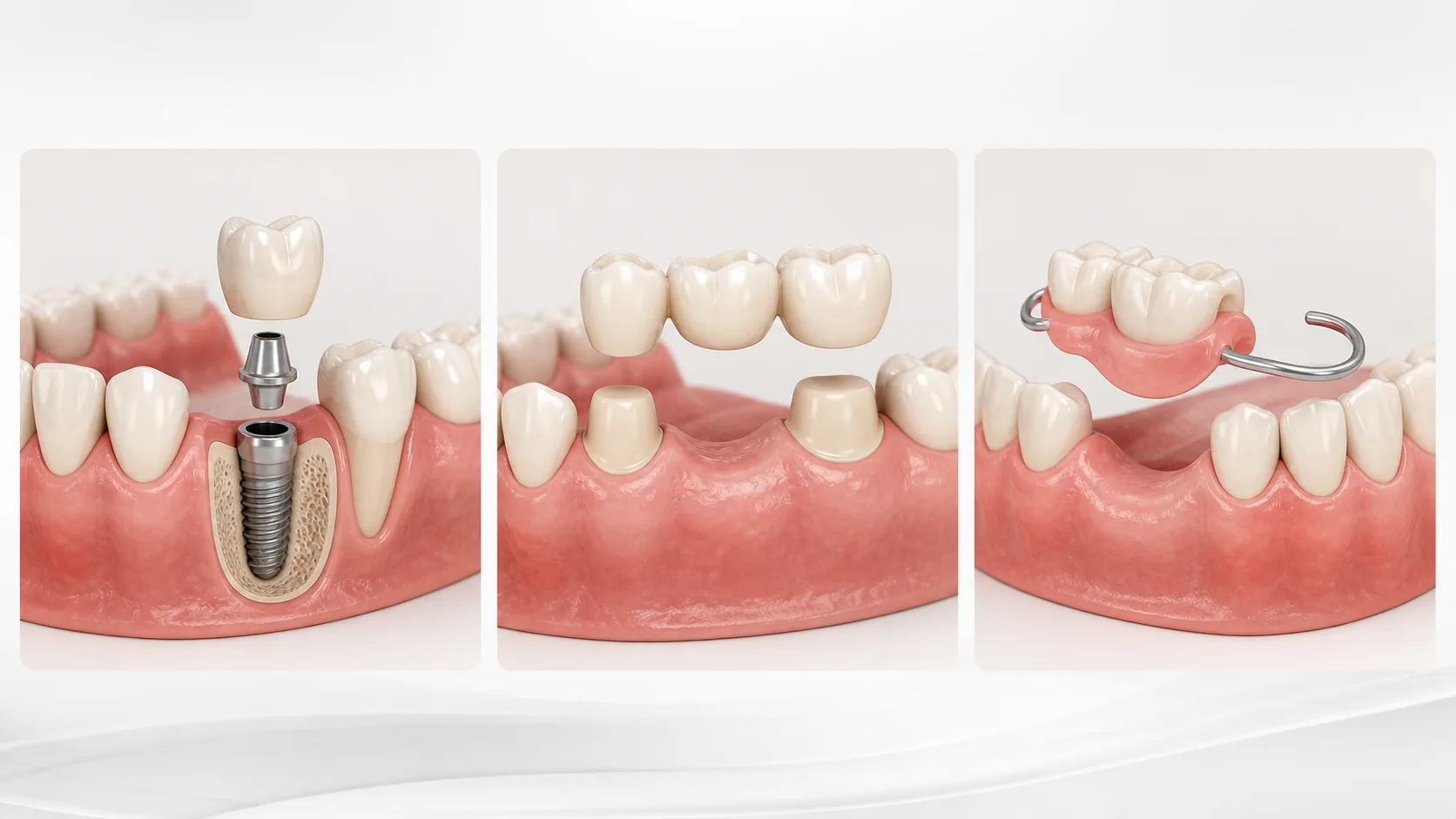
Implant, Bridge or Denture?
A practical comparison of dental implants, bridges and dentures by support, effect on neighbouring teeth, surgery, maintenance and the realities of long-term care.
Read guideSpecialist guidance
These patient guides answer distinct treatment questions in plain language. Each article shows its author and available review information. They provide general education to help you prepare for an individual assessment.
For a personal discussion, book at Dr. Supreet’s own Sector 39 clinic or view all confirmed consultation locations.
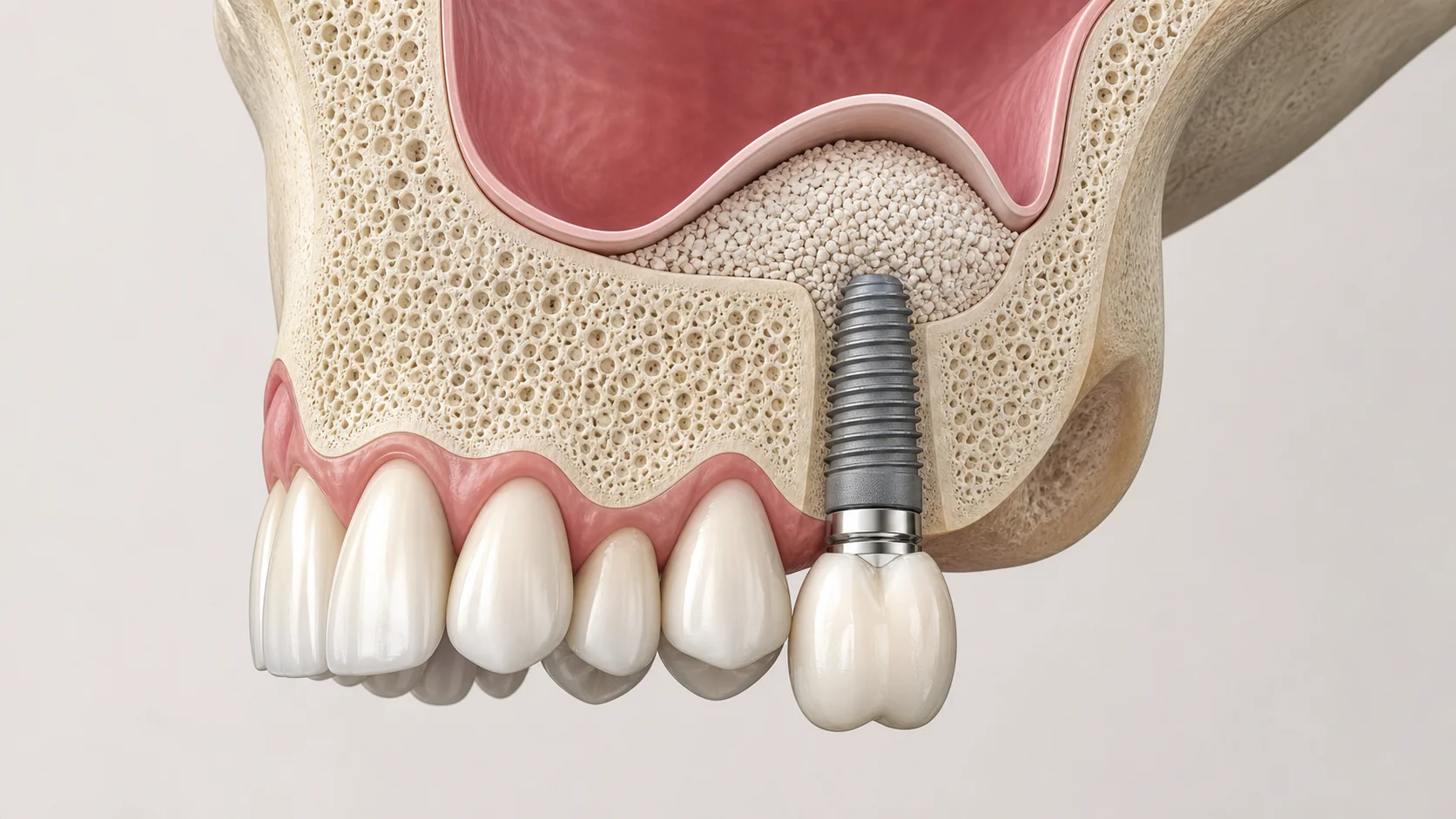
An anatomy-first explanation of bone height, ridge width and the upper-jaw sinus relationship before implant treatment is planned.
Read guide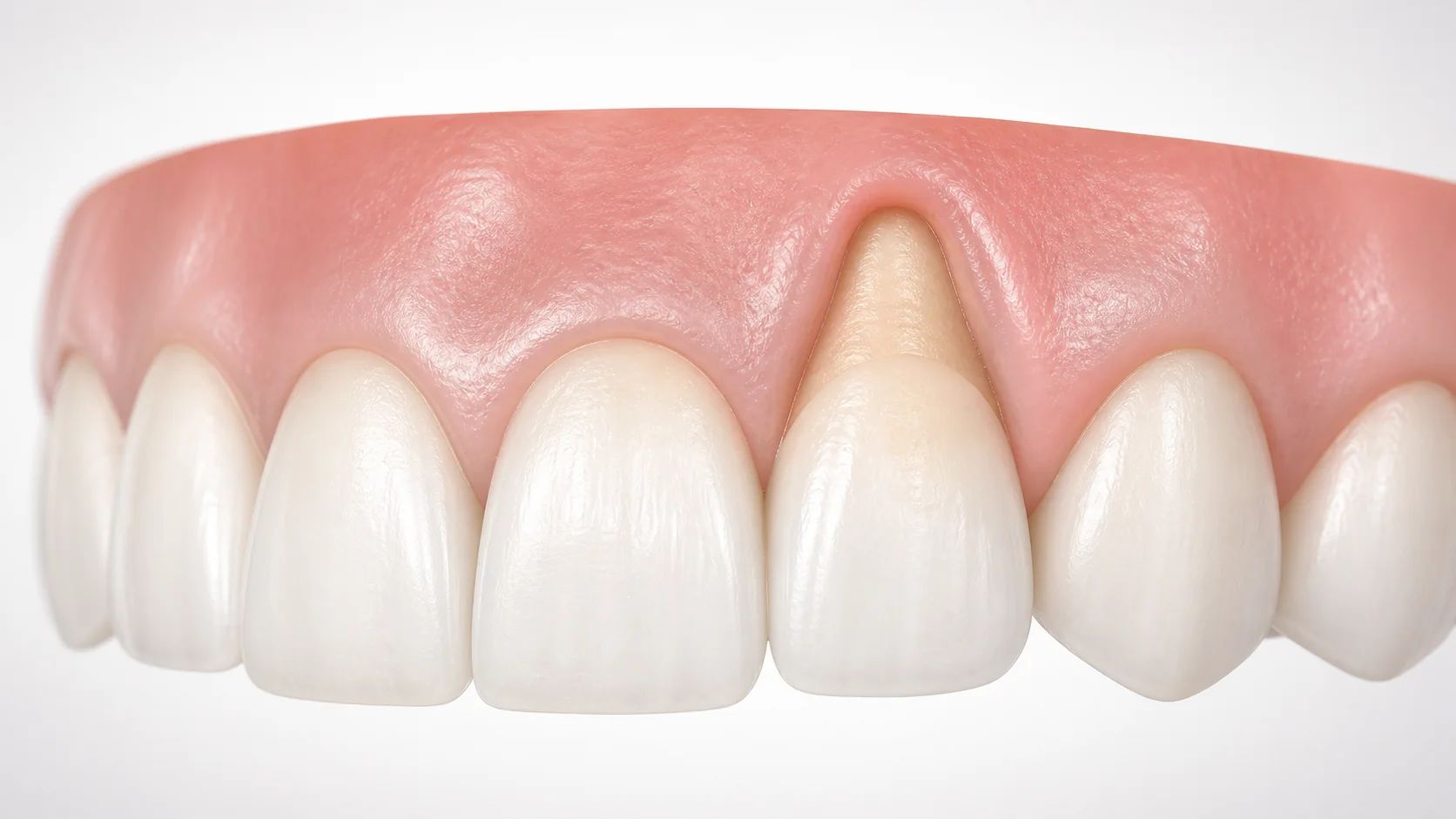
A cause-first guide to receding gums, exposed roots, monitoring, non-surgical support and when gum grafting may be discussed around natural teeth or dental implants.
Read guide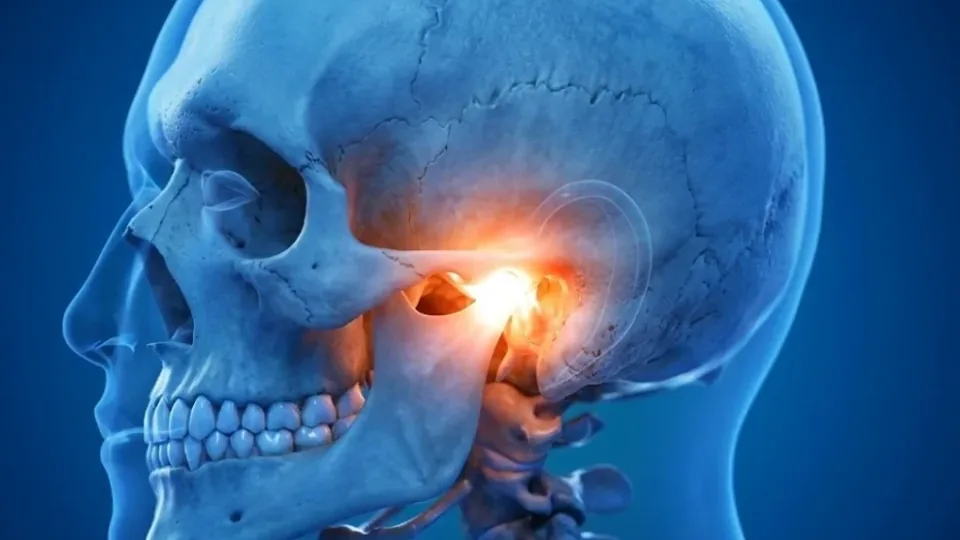
Understand jaw pain, clicking and locking, what an assessment may involve, and why conservative care is often considered first.
Read guide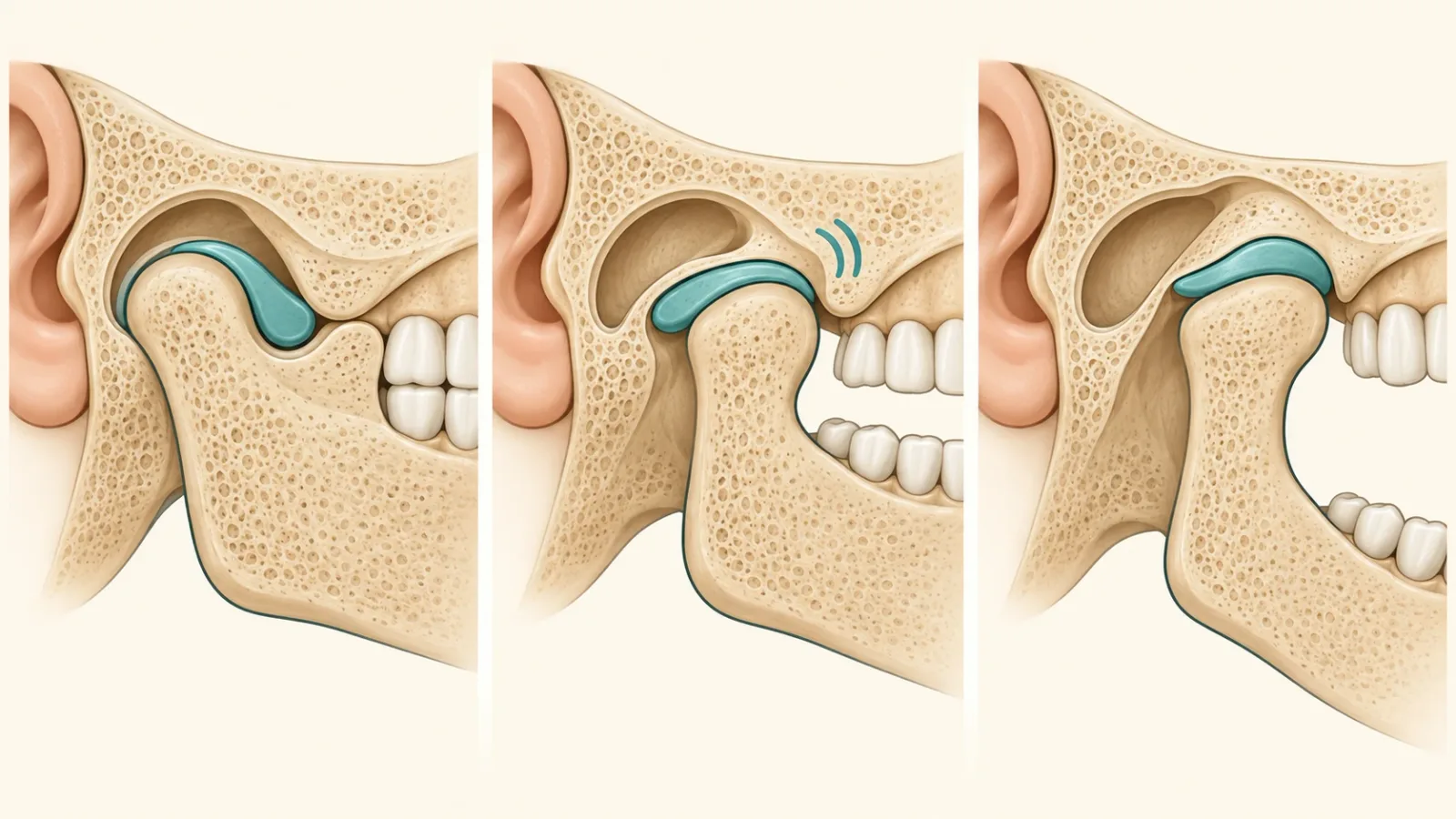
A jaw click without pain is common and, on its own, does not need treatment. Learn why joints click, what usually happens over time and which changes make an assessment worthwhile.
Read guide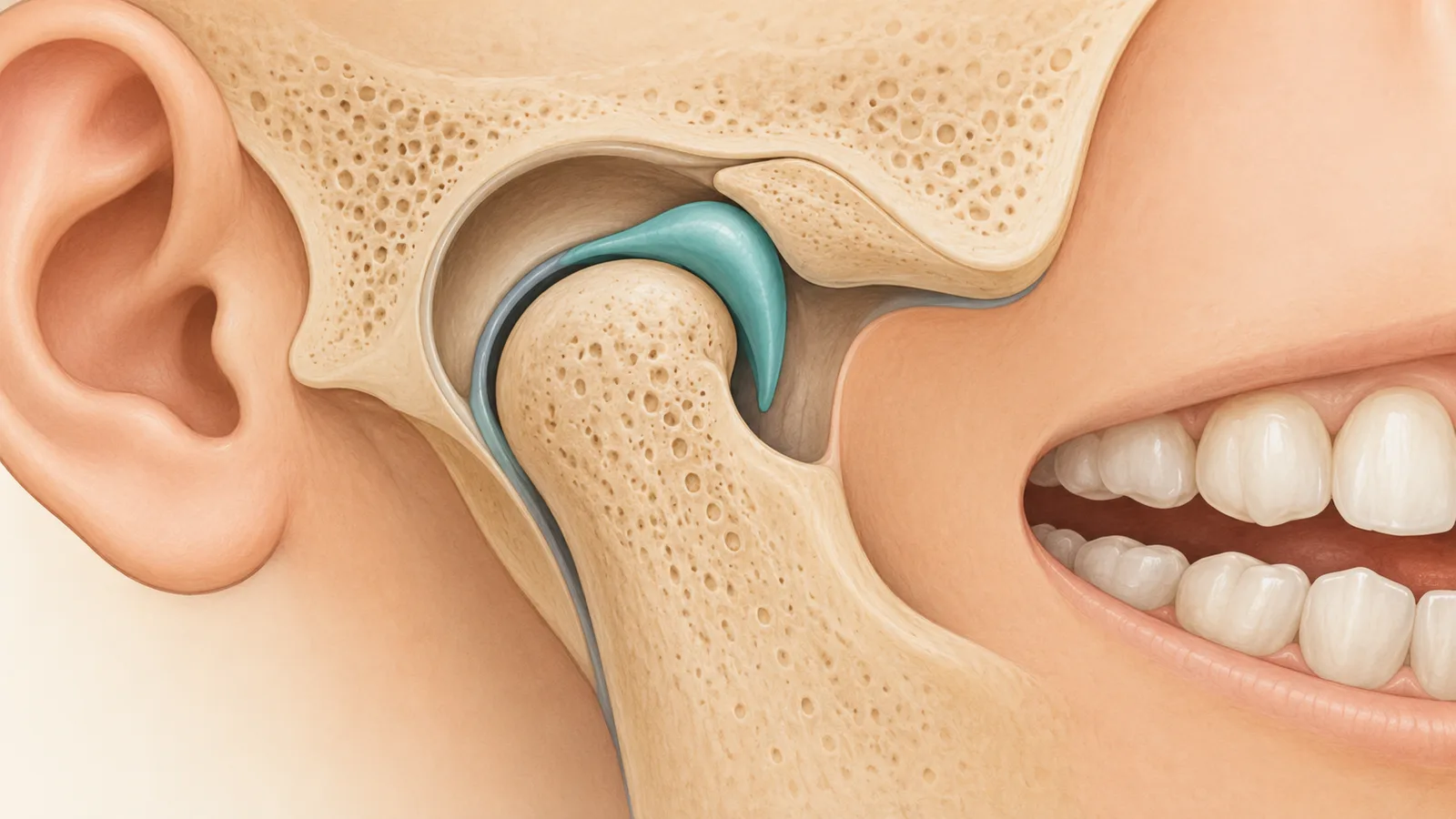
A jaw stuck open needs urgent care and should not be forced back; a jaw that will not open fully has several causes. Learn the difference, what to avoid and how it is assessed.
Read guide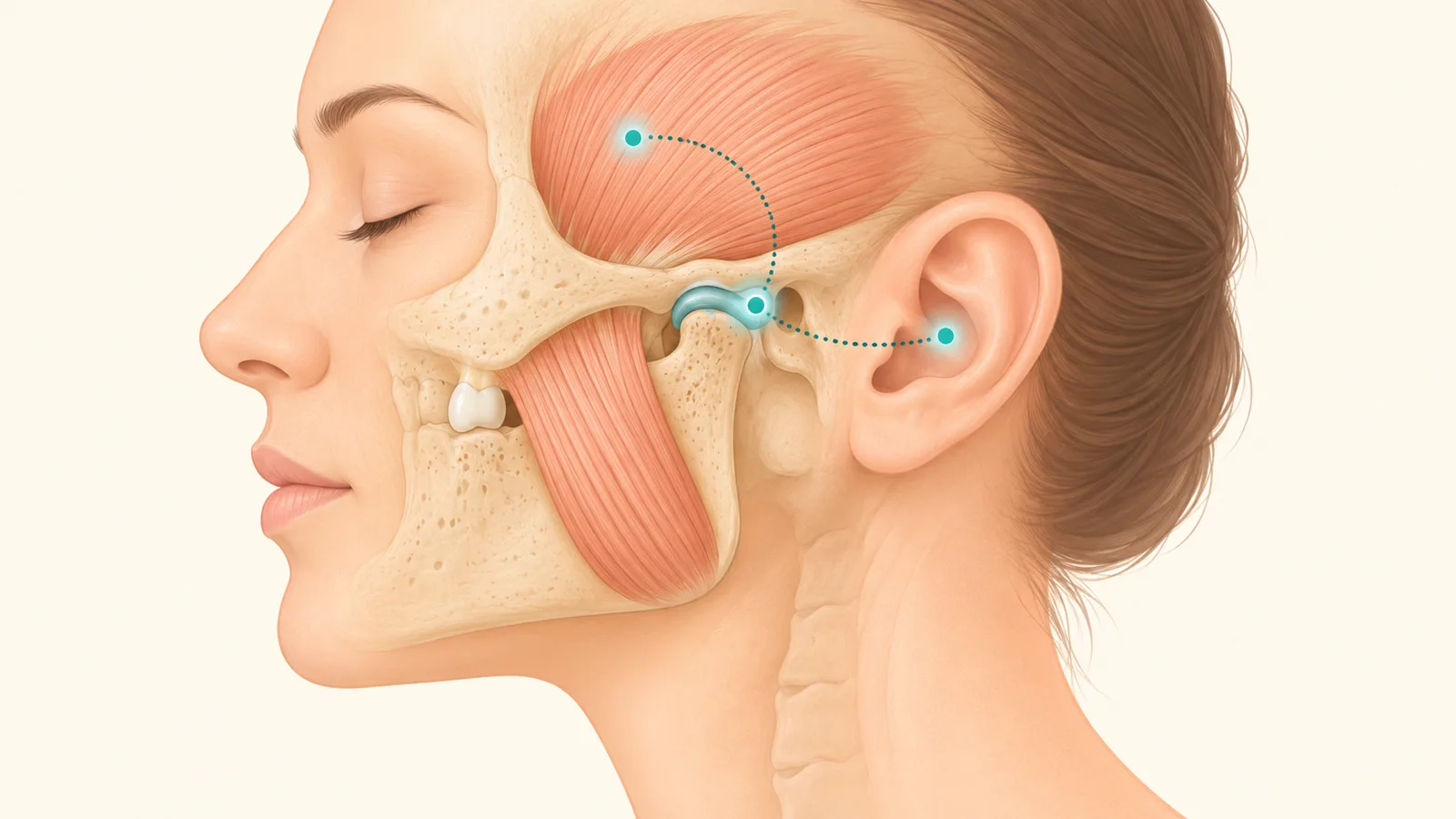
Yes, a jaw problem can cause pain near the ear and temple, but teeth, ear disease and urgent conditions can look the same. Learn what to check and which signs need urgent care.
Read guide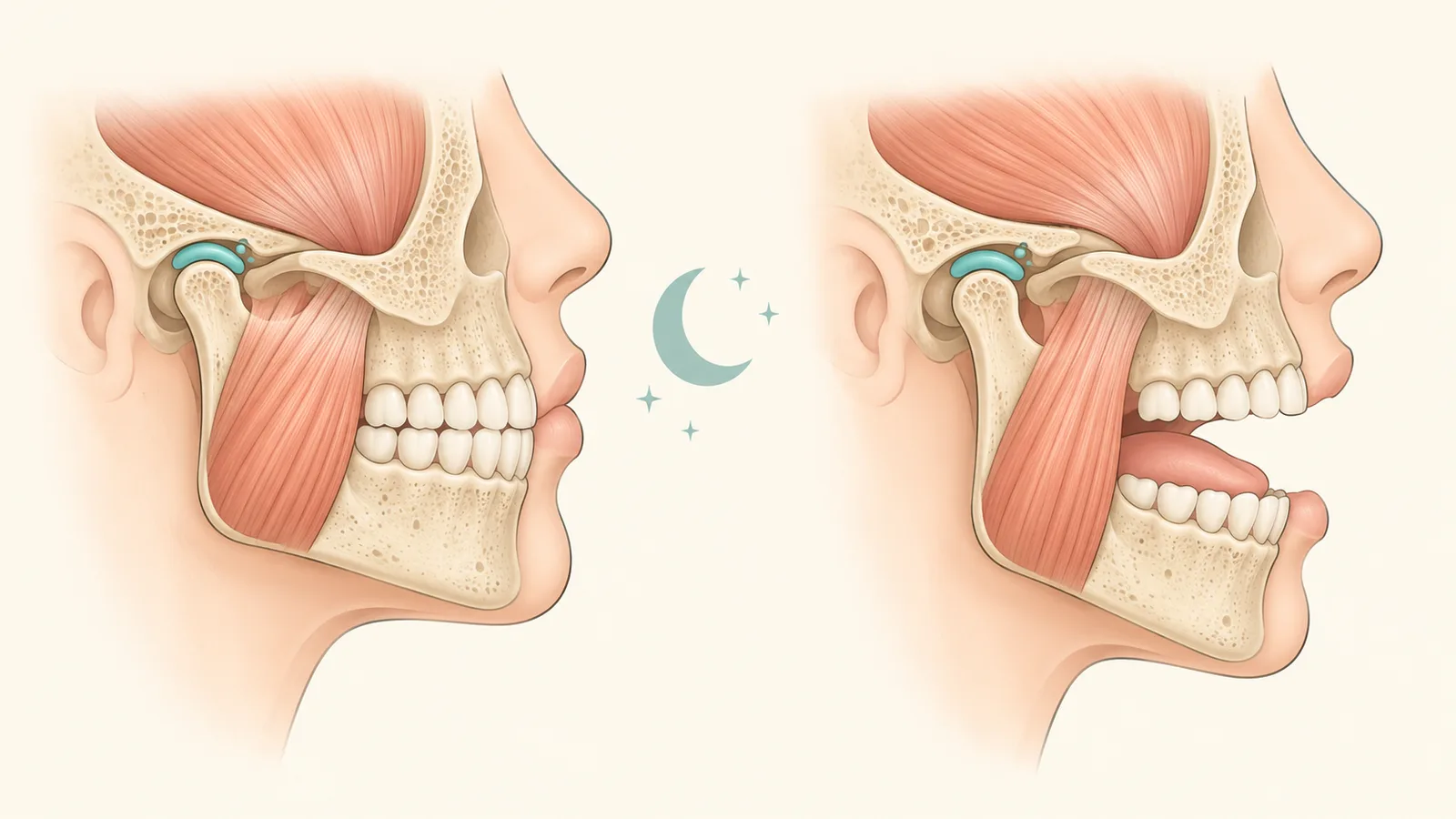
Waking with a sore jaw can be linked to clenching or grinding in sleep, but it does not prove it. Learn the signs, what else it could be, whether you need a night guard and when to get assessed.
Read guide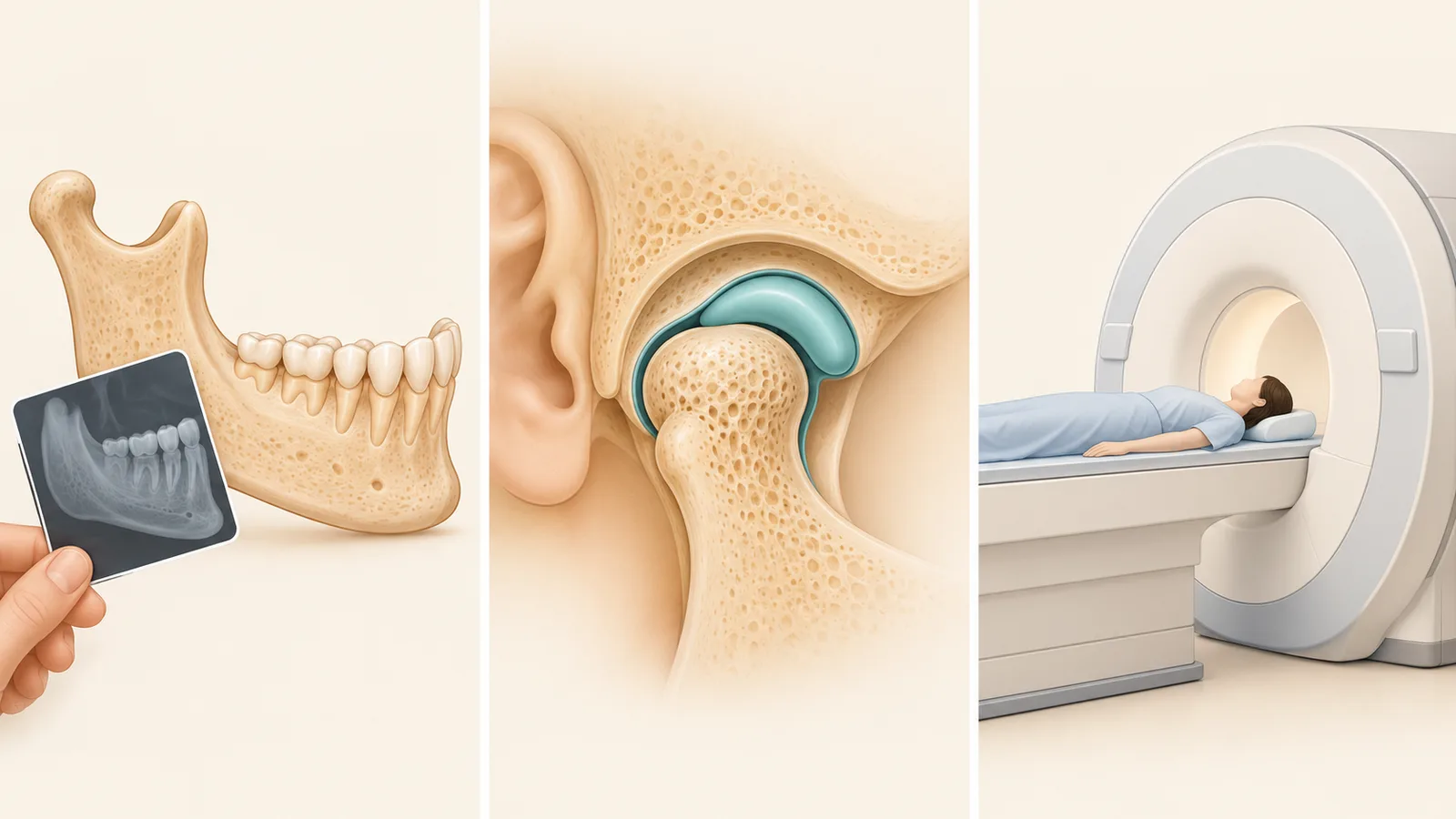
A TMJ assessment starts with your history and a jaw examination; MRI, CT or dental X-rays are added only to answer a specific question, and a scan alone cannot explain every painful jaw.
Read guide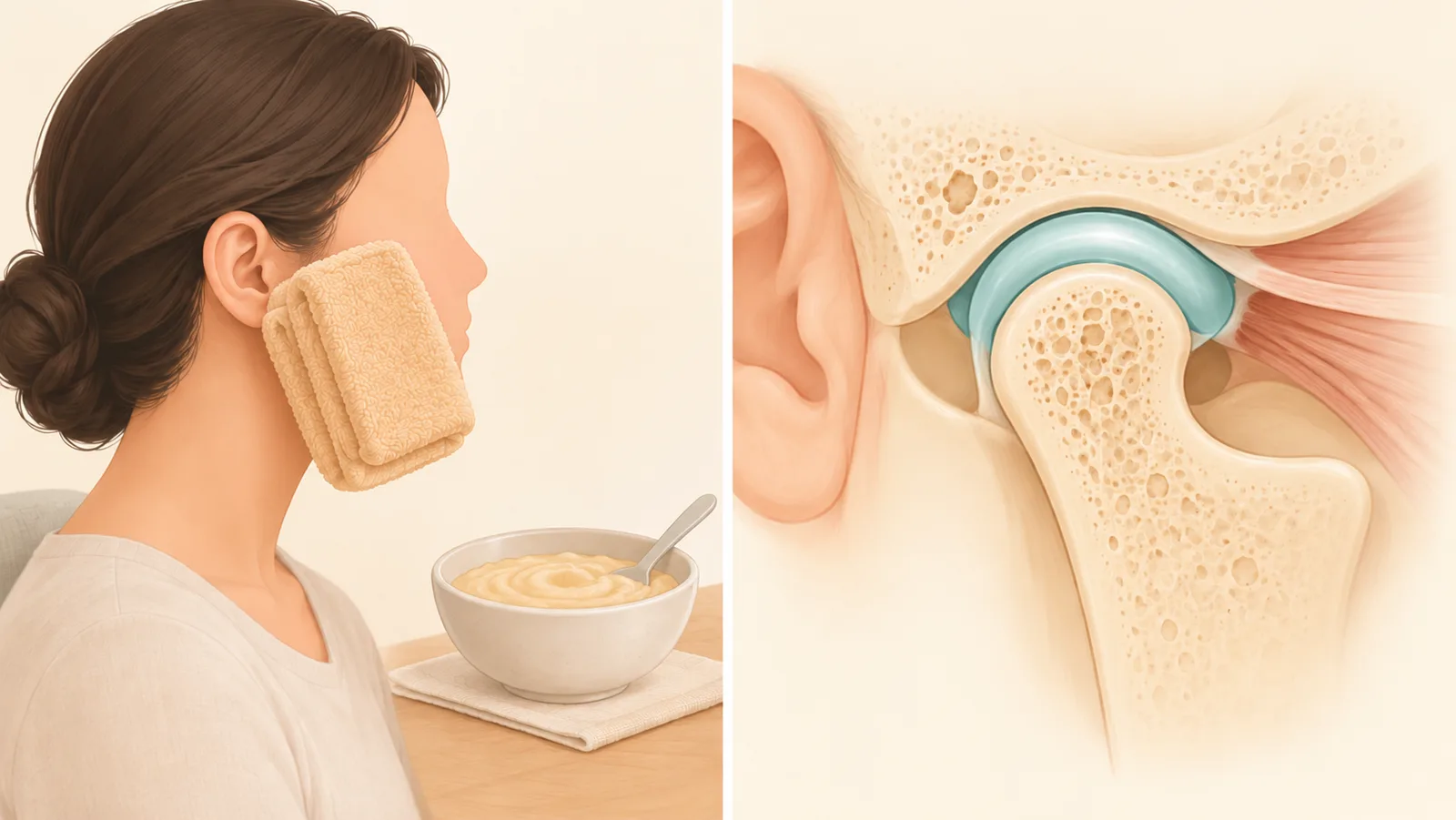
Yes, for many people. TMD symptoms often settle without treatment, and conservative, reversible care is preferred before invasive options. See what that includes and when to seek reassessment.
Read guide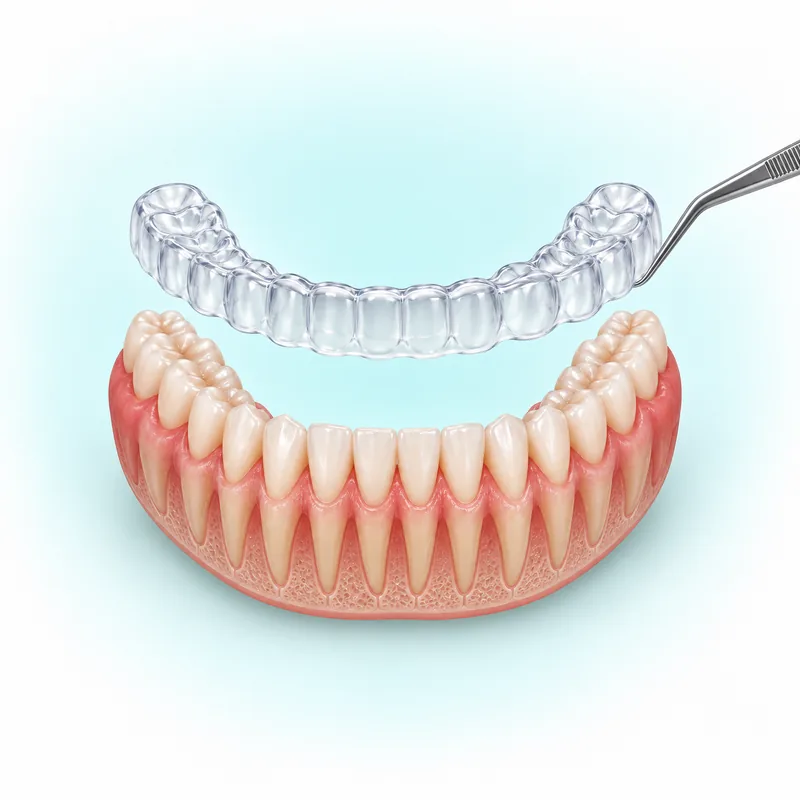
A dentist-made night guard can protect teeth from grinding damage, but it does not stop the grinding. For TMJ pain, evidence that appliances reduce pain is limited. Know what to ask about purpose and fit.
Read guide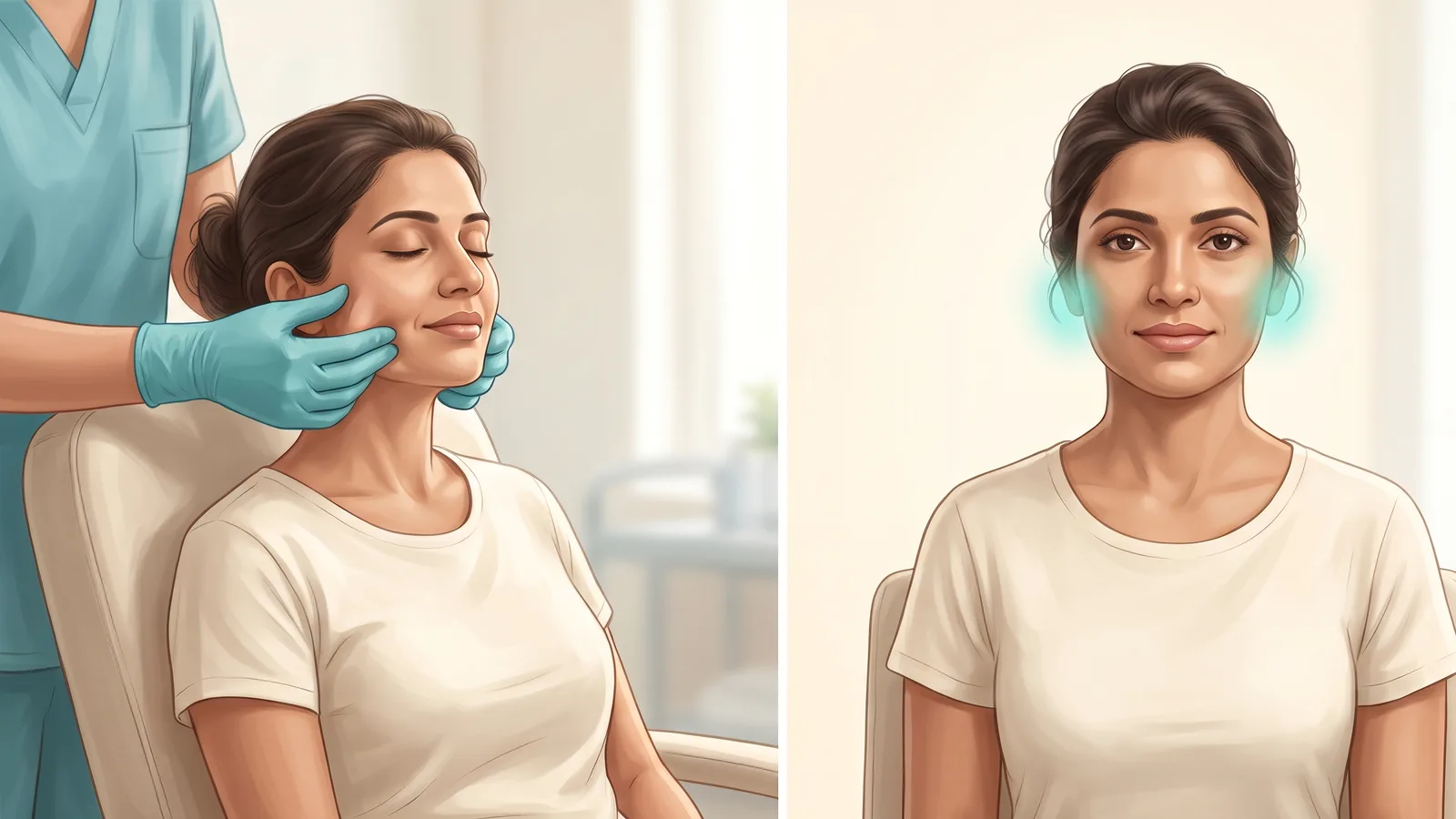
Jaw physiotherapy may improve movement or pain for some people, but exercises must fit the diagnosis. Learn what clinicians may include, when to stop, and when to seek review.
Read guide
Botulinum toxin (Botox) is not FDA-approved for TMD and is used off-label for jaw pain. Studies are mixed, and it is not a first treatment. Read the evidence, risks and what to ask.
Read guide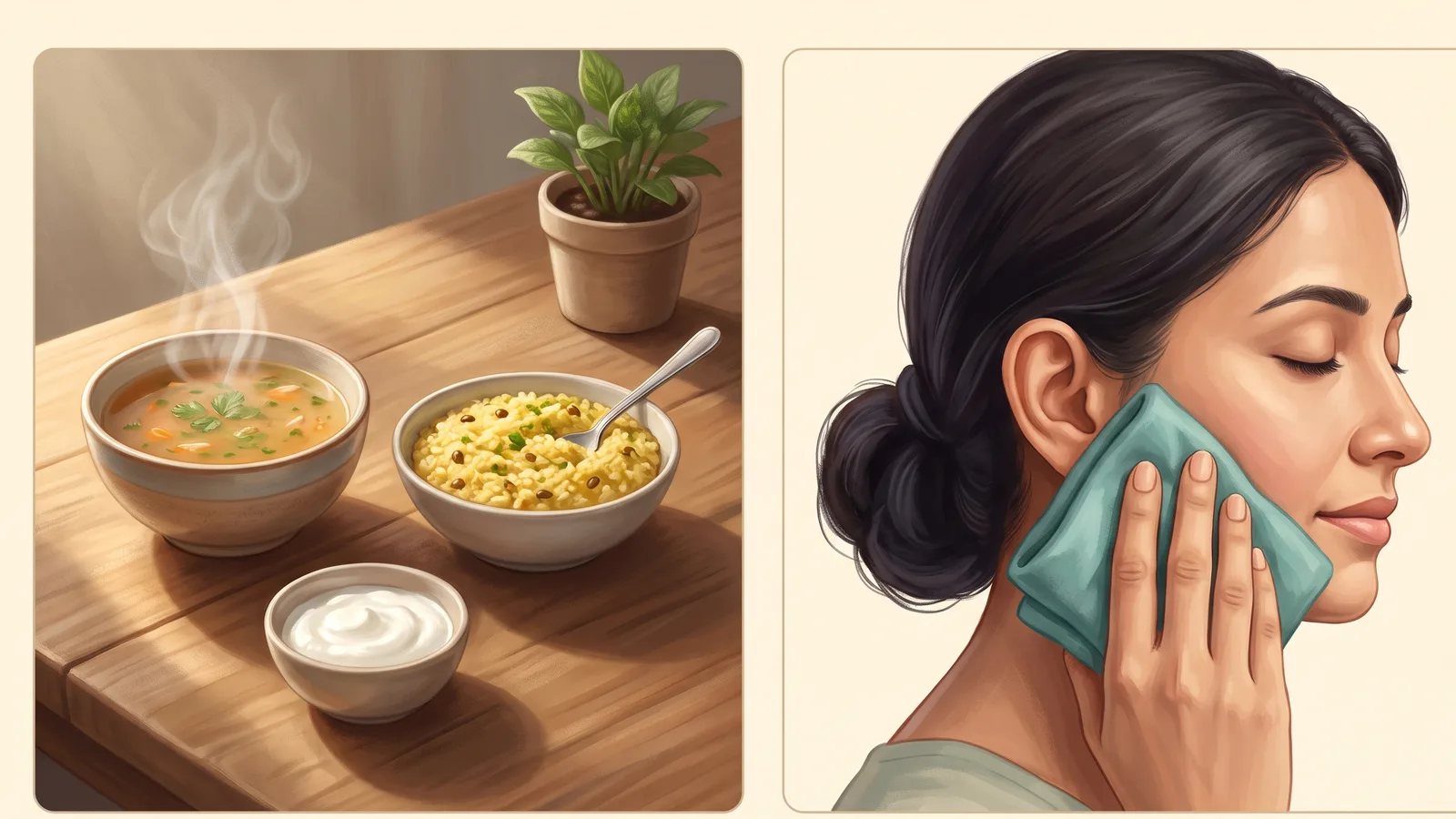
During a jaw-pain flare, softer food, fewer chewing habits and gentle self-care can reduce jaw load. Learn what to eat, what to avoid, what heat and massage can and cannot do, and when to get assessed.
Read guide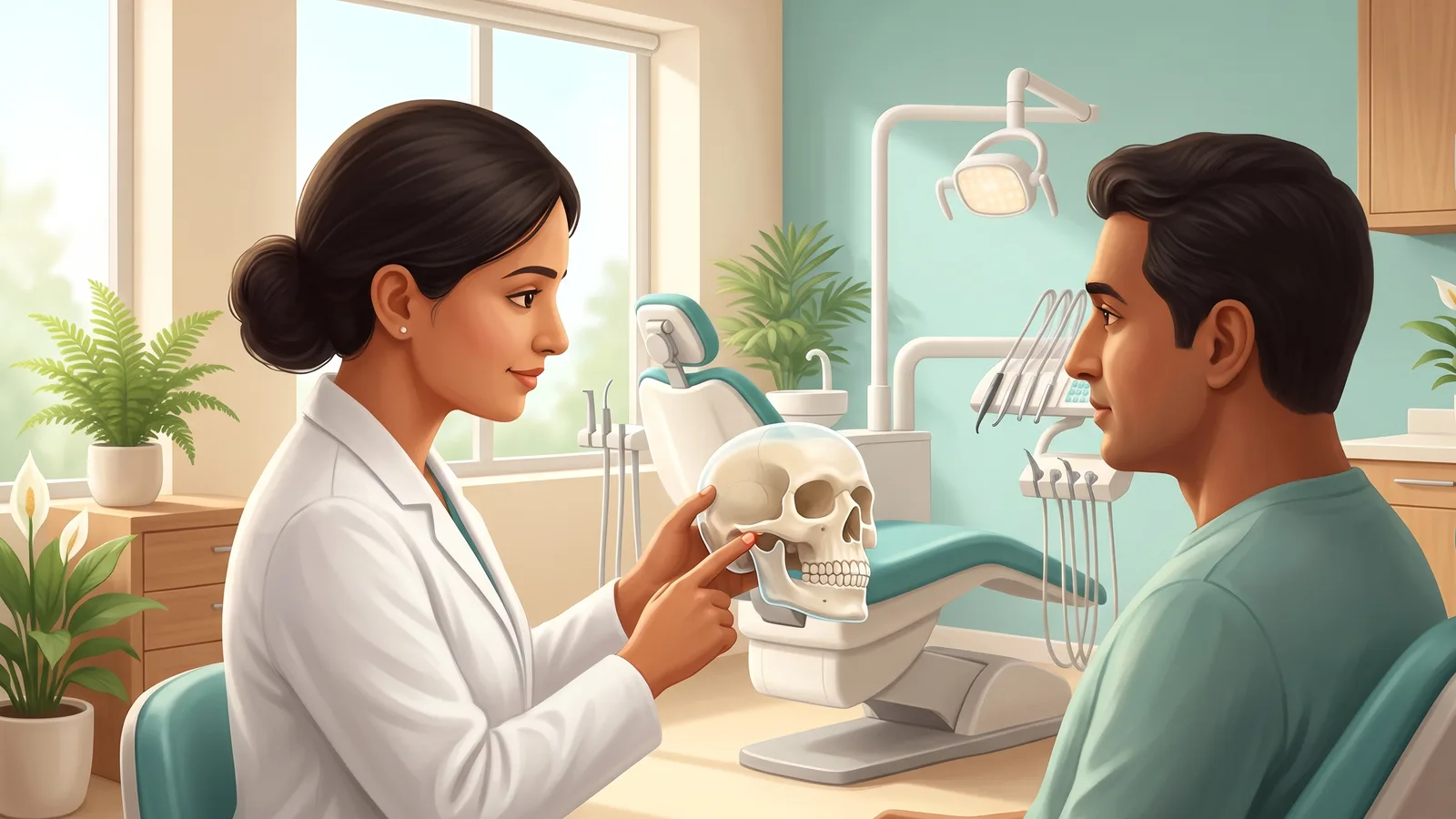
Both orofacial pain specialists and oral and maxillofacial surgeons treat TMJ problems. Which suits you depends on your symptoms and whether your jaw joint may need a procedure later.
Read guide