Jaw Physiotherapy and Exercises for TMD: When Do They Help, and When Should You Avoid Them?
Jaw physiotherapy (often searched as TMJ physiotherapy or TMJ exercises) may help jaw movement and pain for some people with temporomandibular disorders (TMD). The benefit varies, and the exercises should match the cause of your symptoms. It is not one exercise sheet for every clicking or painful jaw, and the wrong movements can make some problems worse. So a clinician or physiotherapist should first find out what is causing your symptoms (NIDCR; NHS).
Key points
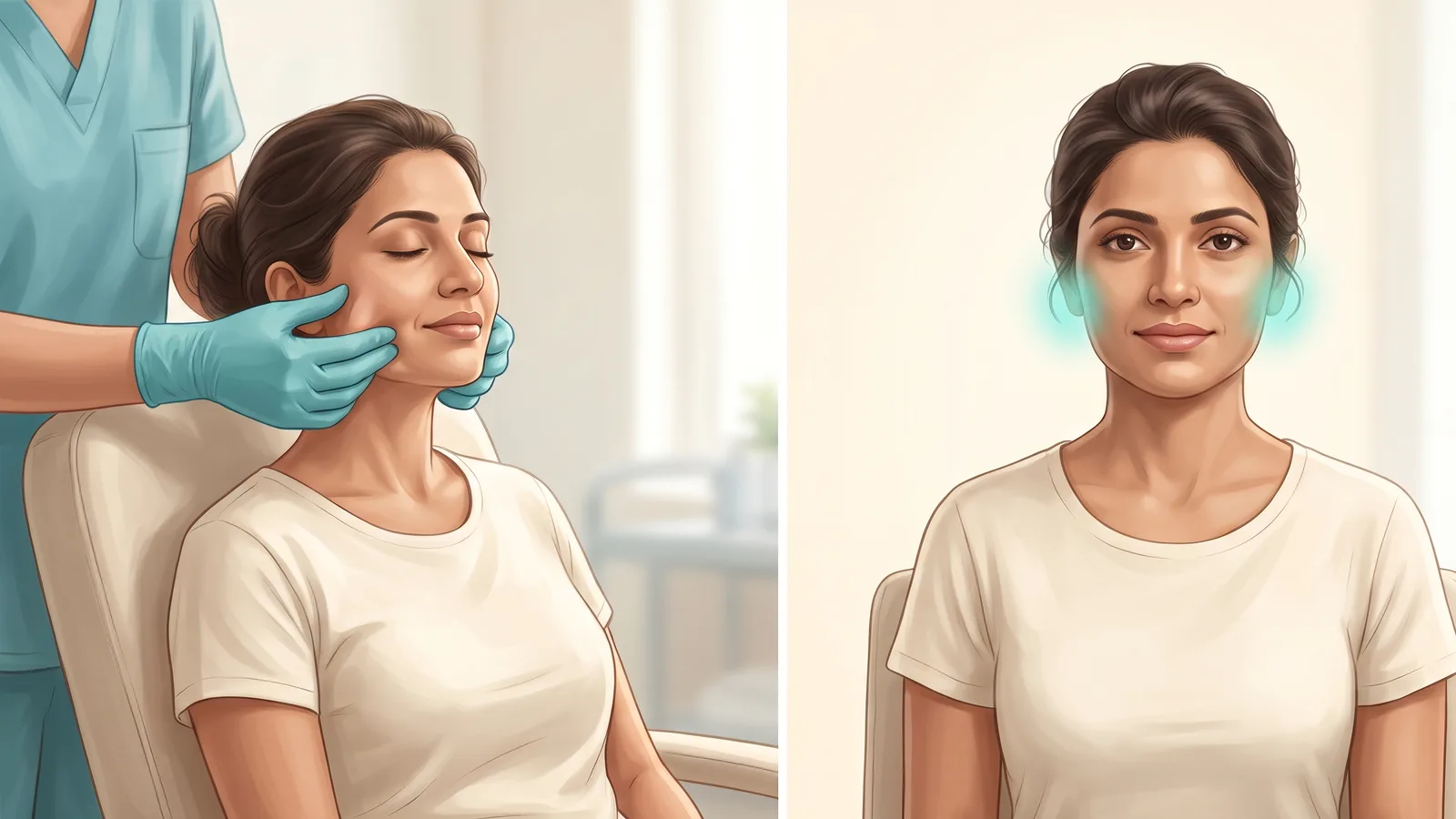
- NIDCR says physical therapy aims to maintain, improve or restore movement and function. Hands-on (manual) therapy may improve function and pain, but results vary.
- Typical exercises include a relaxed jaw position, gentle controlled opening and jaw-muscle massage. You will usually need only some of them.
- Do not copy someone else's routine. Your plan should fit your diagnosis and change if your symptoms change.
- Stop and get advice if your symptoms get worse.
- Get same-day help if your jaw locks or you cannot eat or drink.
Who might jaw physiotherapy help?
TMD covers problems with the jaw joints, the chewing muscles and related headaches. Tooth problems and other conditions can feel similar, so an examination decides whether physiotherapy suits you. NIDCR lists physical therapy among the options a dentist or doctor may recommend if simple self-care has not helped (NIDCR).
The American Academy of Orofacial Pain (AAOP) lists physical therapy, gentle stretching and massage, relaxation and avoiding hard foods among the options for jaw-muscle pain. It is a menu, not a fixed package (AAOP). The NHS notes that a physiotherapist can advise on jaw exercises and massage (NHS).
What might physiotherapy involve?
An NHS physiotherapy leaflet from Worcestershire describes the aims as relieving pain, reducing stiffness and restoring movement and function where possible. It also aims to teach you how to help yourself (Worcestershire Acute Hospitals NHS Trust).
A Liverpool hospital leaflet shows exercises such as a relaxed jaw position, gentle controlled opening and jaw-muscle massage. It says you do not need to do all of them and that you will be told which ones suit you (University Hospitals of Liverpool). Because plans are personal, this article does not list movements or repetitions to copy.
| Part of care | What it may involve | Point to remember |
|---|---|---|
| Assessment | History, jaw and neck examination | Decides if exercises suit you |
| Manual therapy | Hands-on work on muscles or joint | Benefit varies |
| Exercises | Jaw position, controlled movement, massage | Only those chosen for you |
| Review | Checking progress and symptoms | Plan changes if you get worse |
When should you avoid or stop an exercise?
Treat these as reasons to pause and ask your clinician, not to push through:
- Your symptoms get worse. The Worcestershire leaflet says to contact a doctor if your symptoms worsen (Worcestershire Acute Hospitals NHS Trust).
- Opening very wide. The same leaflet advises against opening the jaw too wide, such as when yawning.
- Your jaw locks or will not open fully. This needs urgent help, so do not force the jaw (NHS).
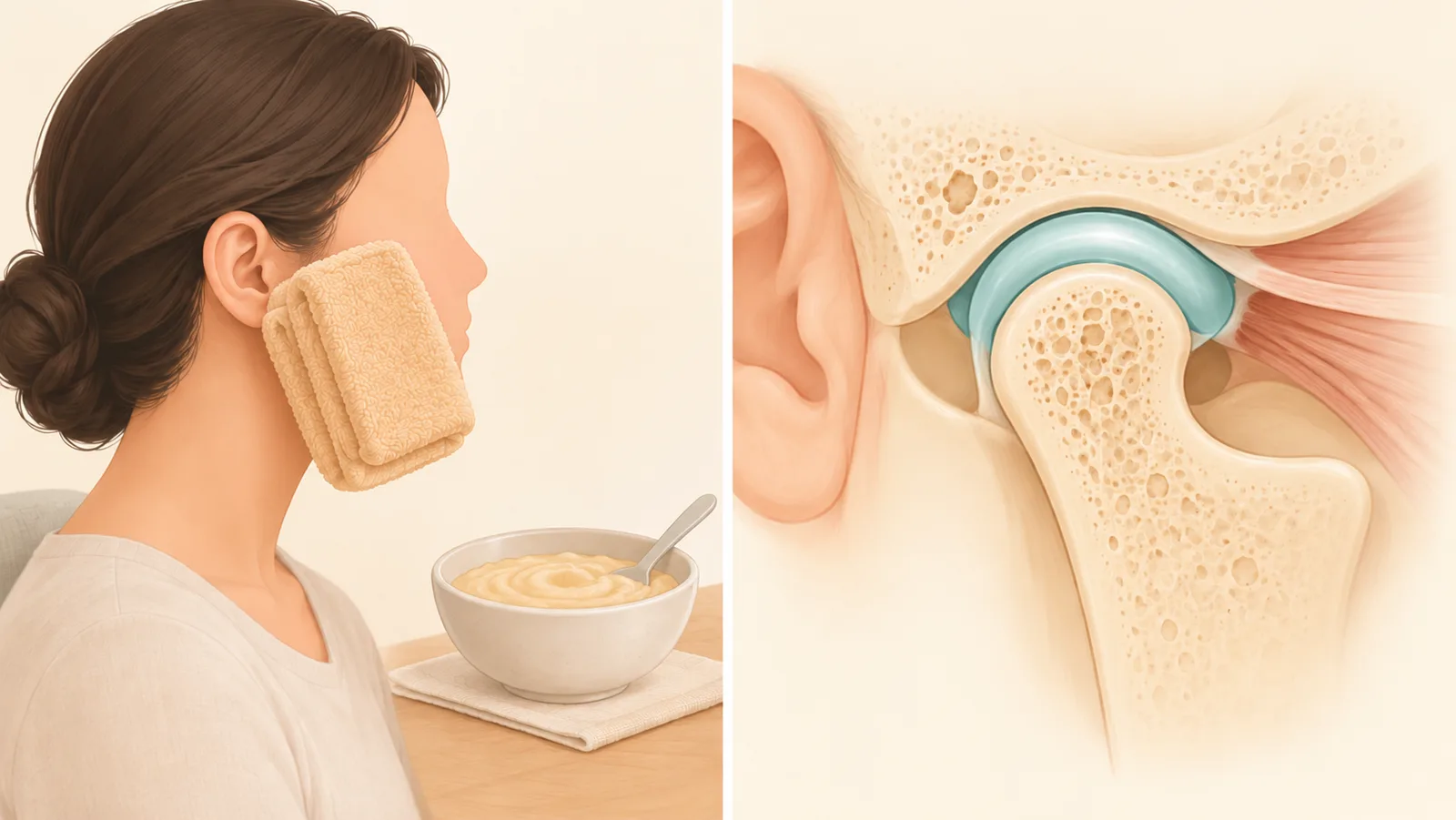
- Heat or cold packs. Always use a cloth between the pack and your skin. If you have facial numbness or circulation problems, packs may not be suitable.
- After a jaw procedure. Do the exercises your surgeon gives you, on their schedule. Guy's and St Thomas' says these exercises help movement after arthrocentesis or arthroscopy (Guy's and St Thomas' NHS Foundation Trust).
- Exercises copied from the internet. Do not add movements nobody has chosen for you.
When are exercises not needed?
A click without pain does not need treatment, so it is not a reason to start exercises (NIDCR). Exercises also do not replace an assessment. If your pain is not easing or is getting worse, or a tooth may be the cause, see a dentist. An NHS pharmacy factsheet advises a dental assessment if symptoms worsen (NHS pharmacy dental factsheet). While you wait to be seen, our guides to painless jaw clicks and food and habits during a jaw flare can help.
When is it urgent?
Seek urgent help if you cannot eat or drink, or if your jaw locks or will not open fully. The same applies to frequent severe headaches, pain or tenderness at the side of the head or scalp, or vision problems such as double vision (NHS). These can have causes outside the jaw.
What if physiotherapy does not help?
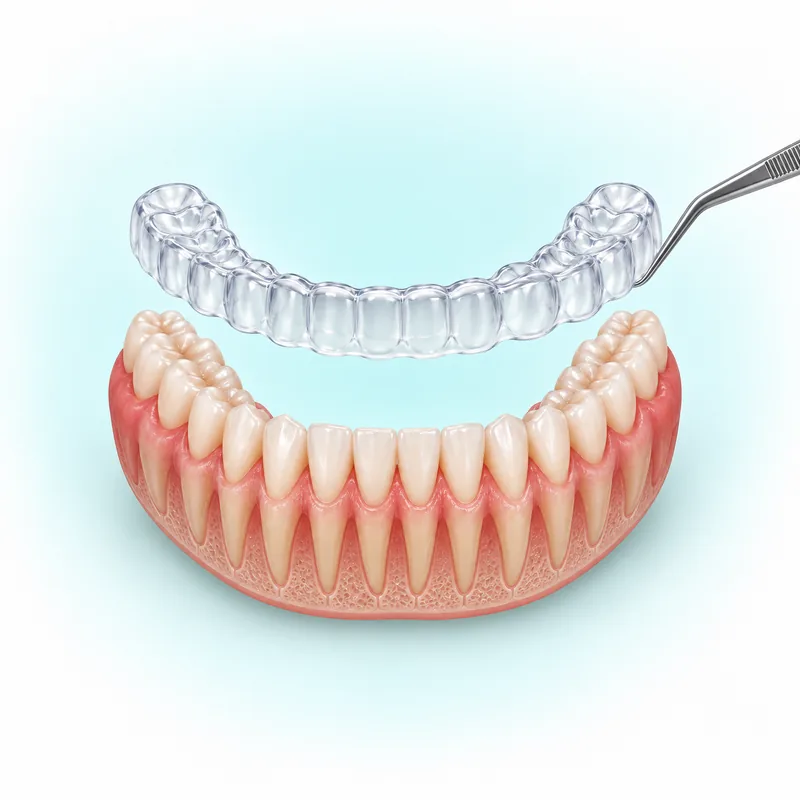
Results vary, so slow progress is a reason to review the plan, not to push harder. A dentist or specialist can look again at the type of TMD and other possible causes. Non-surgical options such as physiotherapy, symptom relief and a suitable splint usually come before procedures such as arthrocentesis (NIDCR; Guy's and St Thomas' NHS Foundation Trust). Read more about whether TMJ pain can improve without surgery. If you are choosing a specialist, see who should treat my TMJ.
Jaw physiotherapy and TMJ therapy in Gurgaon
Dr. Supreet Kaur Sawhney is an MDS-qualified oral and maxillofacial surgeon and TMJ specialist in Gurgaon, with more than 20 years of experience. She assesses and manages jaw-joint problems at Dr. Supreet's Dental & Implant Centre in Sector 39, Gurugram. Her care ranges from non-surgical treatment to TMJ arthroscopy and open joint surgery when a diagnosis requires it. When she includes jaw physiotherapy in your plan, it can be arranged on site. Dr. Jaydeep Singh Rajpoot (BPT, MSPT), a physiotherapist at Active Align Clinic, works at the same Sector 39 premises. See the pages on jaw physiotherapy, jaw-muscle pain and TMJ treatment in Gurgaon, or contact the clinic, or call or WhatsApp +91 9650298009.