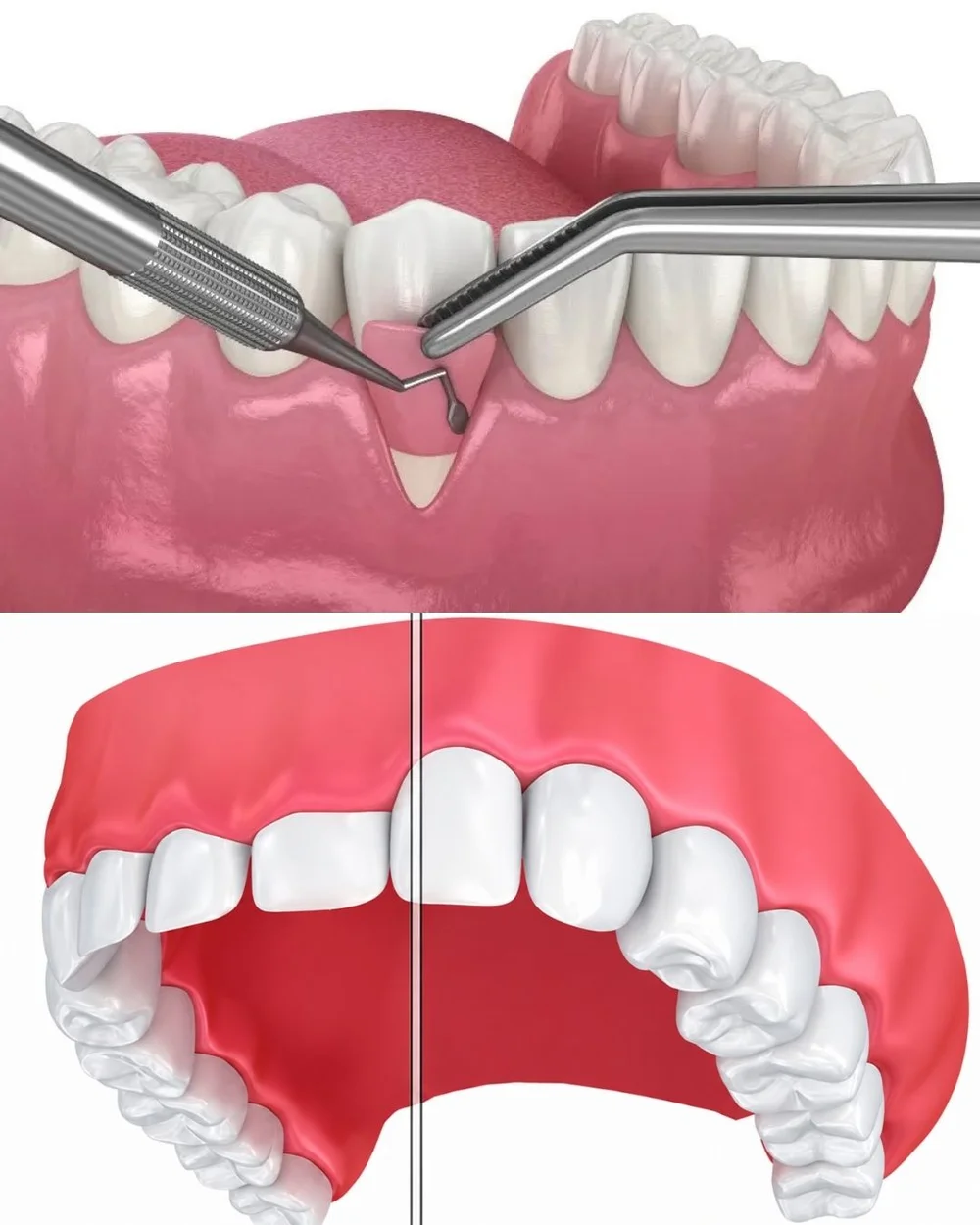
Bone Grafting and Sinus Lift in Gurugram
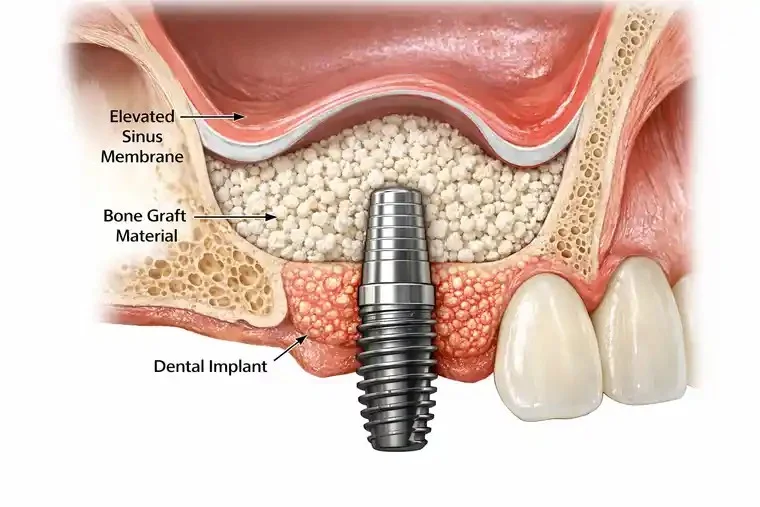
Bone grafting and sinus-lift assessment in Gurugram may be discussed when the jaw does not appear to provide enough height, width or safe space for the proposed implant restoration. Dr. Supreet Kaur Sawhney, MDS, is a Senior Consultant – Oral & Maxillofacial Surgeon and Senior Implantologist with 20+ years of experience. The important distinction is that grafting is a planning decision, not a routine step attached to every implant.
Bone is the foundation, not a box to tick
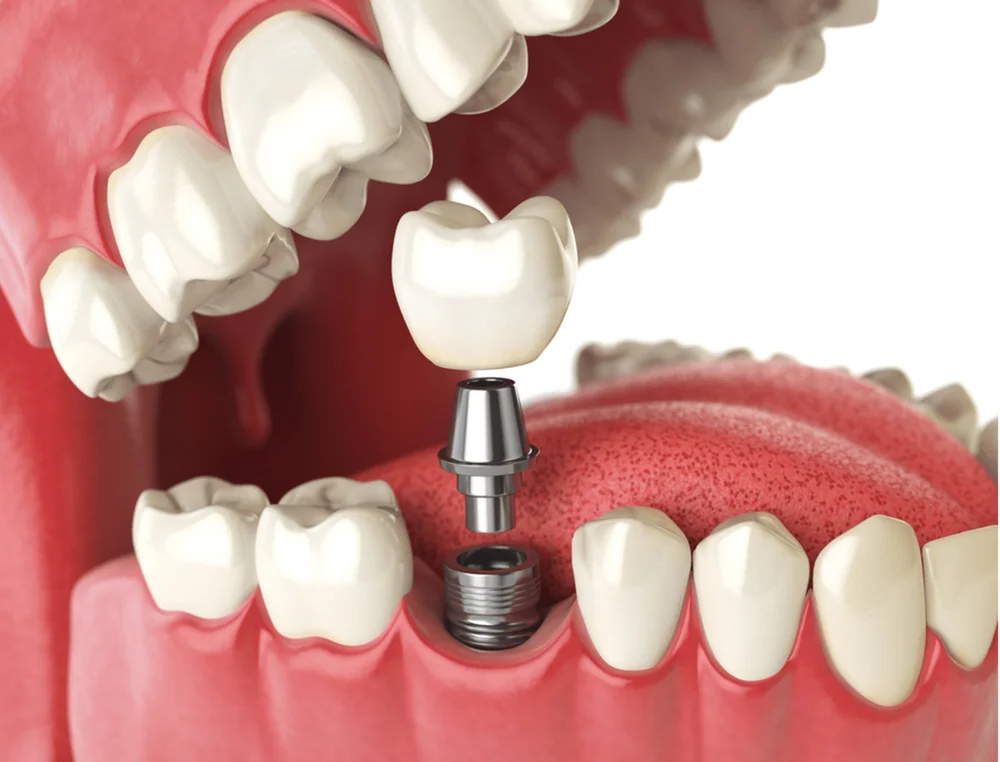
An implant needs a suitable relationship between the available jawbone, its planned position and the tooth or teeth that will ultimately be supported. After tooth loss, the ridge can become narrower or shorter. Infection, trauma, previous surgery, anatomy and the time since extraction may also influence the site.
In the upper back jaw, the maxillary sinus can lie close to the proposed implant area. A sinus lift, also called sinus augmentation, may be considered in selected cases when the sinus position and available bone height affect planning. It is not interchangeable with every type of bone graft and is not automatically recommended because an implant is being considered.
Why a scan or examination may change the answer
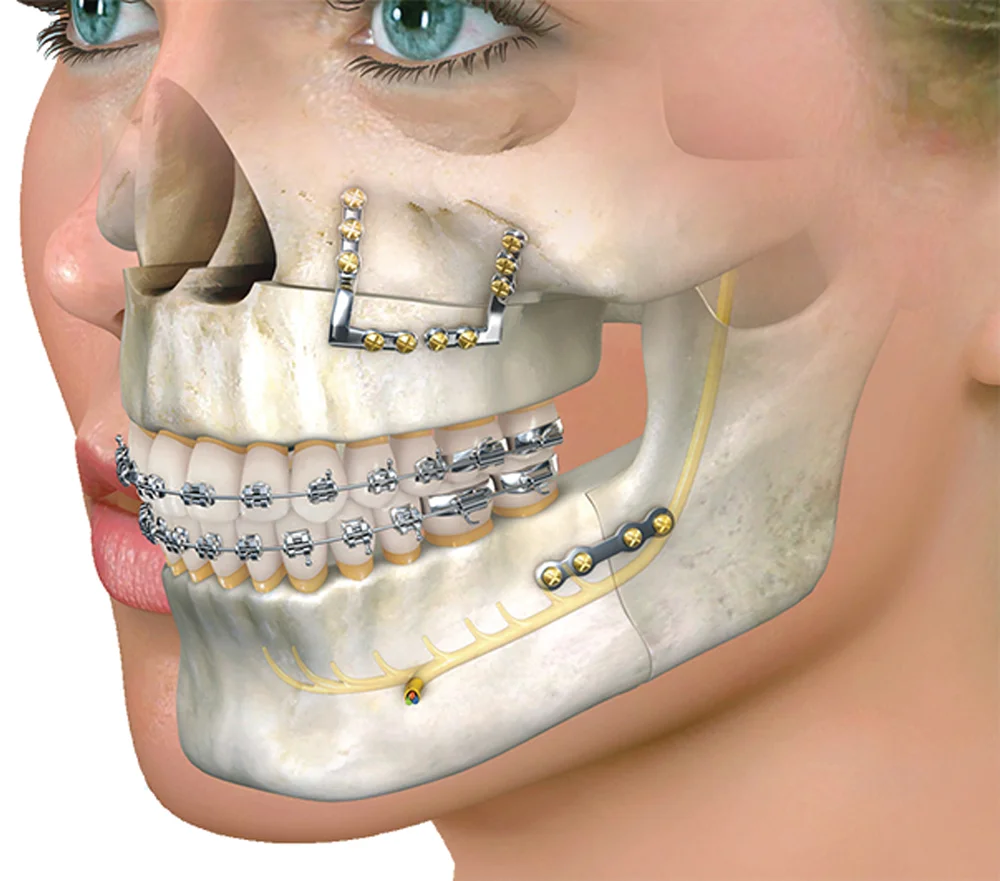
A photograph or a general online description cannot show the complete three-dimensional relationship between bone, teeth, nerves and the sinus. Dr. Supreet may therefore assess:
- the width and height of the ridge at the intended implant site;
- the quality and shape of the remaining bone;
- the position of the sinus, nerve or neighbouring roots where relevant;
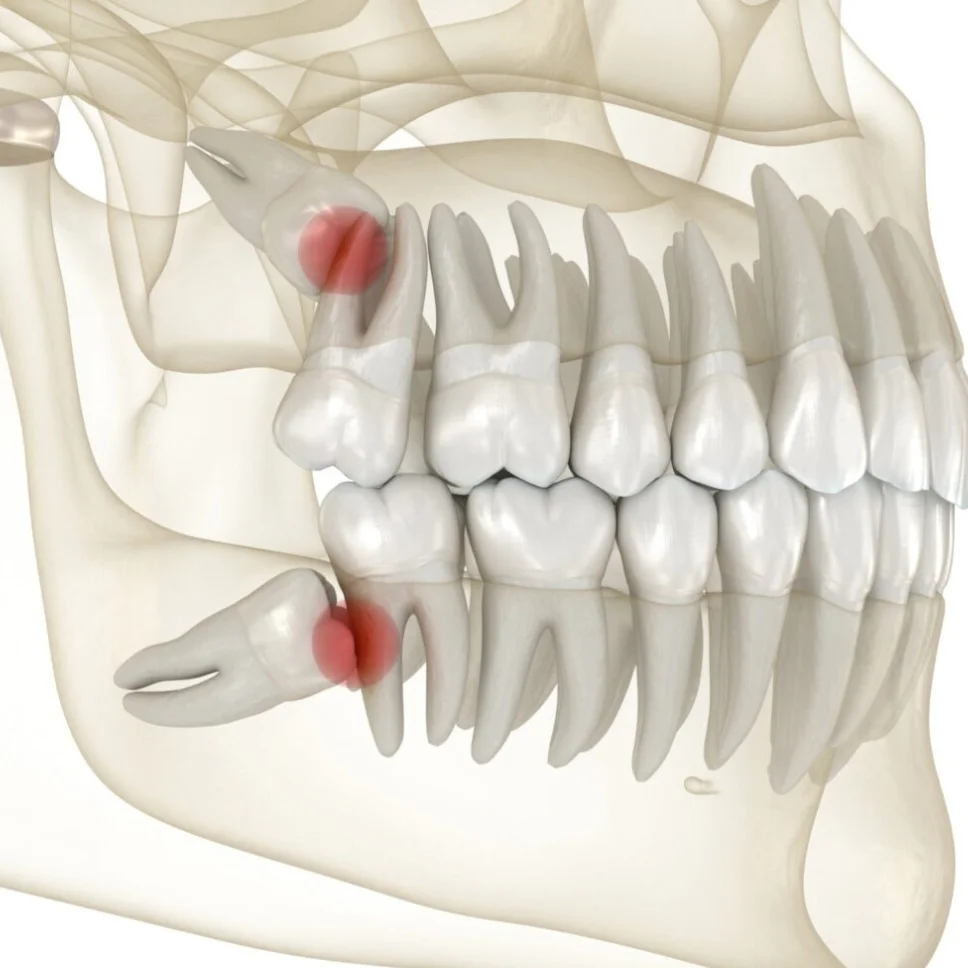
- infection, gum inflammation or an unresolved tooth problem;
- the final crown, bridge or denture that the implant must support;
- medical history, medicines, smoking and healing considerations;
- whether an alternative restoration could avoid additional surgery.
Imaging is recommended when it answers a clinical question. The presence of a scan does not by itself establish that grafting is necessary.
Does everyone need a graft before an implant?
No. Some patients have adequate bone and can be assessed for implant placement without grafting. Others may need site development, a sinus-lift discussion, a different implant position, a different restoration or a non-implant alternative. The recommendation depends on the proposed restoration and the anatomy found during assessment.
The guide dental implants in Gurugram explains how bone, gums, bite and maintenance fit into the wider replacement decision.
Timing and alternatives are part of informed consent
Bone care and implant placement may be considered together or at separate stages, depending on the amount and location of support needed, the health of the site, the restoration and the patient’s healing circumstances. A responsible online page cannot promise a universal waiting period or sequence.
Possible alternatives include a bridge, removable denture, retaining a suitable tooth, changing the proposed implant location or choosing not to replace a space immediately. Each has its own maintenance and functional implications. These options should be explained before a patient accepts additional surgery.
What benefits and limitations should be understood?
The potential benefit of grafting or a sinus-lift procedure is to create or improve the anatomical conditions for a planned implant restoration where this is clinically appropriate. Limitations include additional surgical care, healing needs, infection or graft complications, changes to the plan, and the possibility that an implant is still not the appropriate final choice.
The procedure is not a guarantee of an implant, a particular restoration or a complication-free outcome. Consent should cover the proposed site, alternatives, material risks and what happens if the available support is different from the expectation.
A specialist assessment for complex implant foundations
Dr. Supreet’s specialist training in Oral & Maxillofacial Surgery and her Senior Implantologist role are relevant when bone support, sinus anatomy, difficult extraction sites or a wider rehabilitation plan need to be considered together. She provides consultations and treatment at three clinic locations and five associated hospitals.
Patients from Gurugram, Gurgaon and other areas of Haryana may request an opinion after an outside recommendation for grafting. Call or WhatsApp +91 9650298009 with the broad concern, ask which records to bring and confirm the venue, date and time. Her general personal working window is 10:00 am–8:00 pm; it is not venue-specific availability.
What should be clear before a bone procedure is accepted?
The patient should understand the proposed implant restoration, the exact site, the missing dimension of support and the reason that a graft or sinus-lift discussion is being made. Ask whether the site is healthy, whether gum inflammation or infection must be controlled first, and whether the implant position or restoration could be changed. Ask which alternatives avoid additional surgery and what happens if the available support is less than expected.
A graft does not convert an uncertain diagnosis into a guaranteed implant. It may be a way to improve the foundation for one proposed plan, but the final decision still includes the gums, bite, medical factors, restoration, maintenance and the patient’s willingness to accept staged care. The patient should know what will be reviewed during healing and which symptoms need prompt contact.
Patients coming from outside Gurugram should ask whether existing scans, referral notes or treatment plans will be useful. Bringing records can reduce repeated explanations, but it should not create pressure to proceed with a procedure before the site and alternatives have been assessed.
The restoration decides how much support is needed
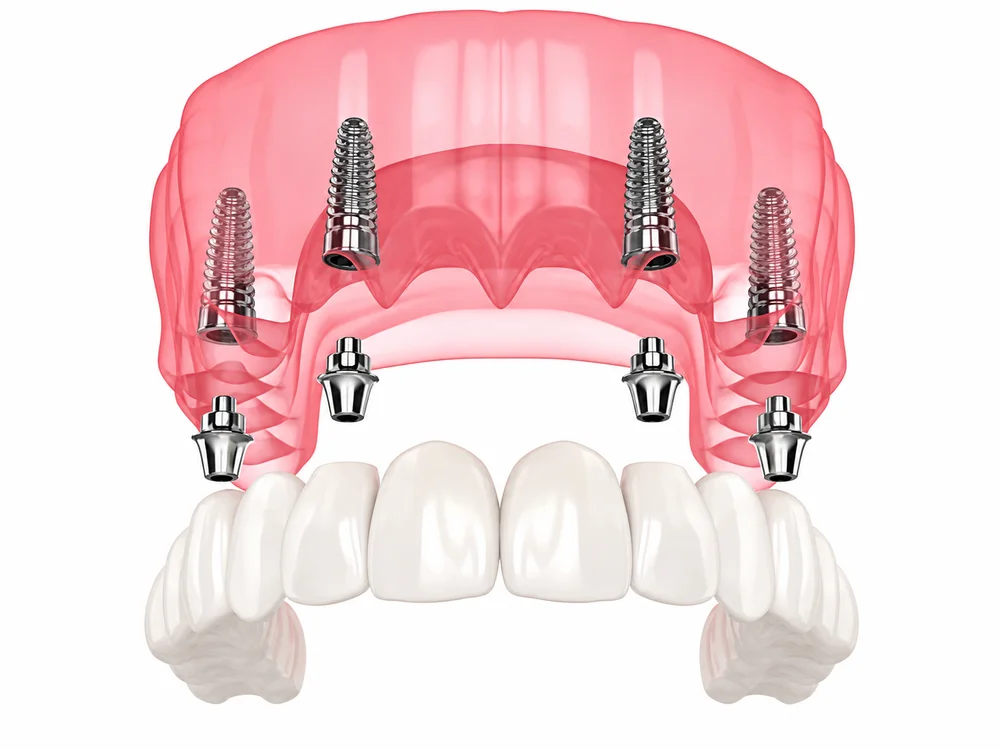
Bone is not assessed in isolation. A single crown, a bridge, a removable denture and a full-arch restoration distribute forces differently and demand different cleaning access. The proposed tooth position and the shape of the final restoration can therefore change whether the available ridge is adequate or whether another design would be more sensible.
Patients should also ask how gum health and a failing neighbouring tooth affect the foundation. Treating an implant site while leaving active infection or an unstable bite unresolved may not solve the wider problem. A careful plan connects the site to the rest of the mouth.
The plan is allowed to change after the site is understood
Bone may look limited on a preliminary image and adequate after the restoration design is reconsidered, or a healthy-looking site may reveal infection or gum instability that needs attention first. A change in plan is not necessarily a complication; it can be the result of better information. Patients should ask which finding would cause the proposed graft, implant or restoration to be changed.
The reason for the recommendation should be specific
“Not enough bone” is a starting phrase, not a complete explanation. Ask where support is limited, what the implant restoration requires and which alternative designs have been considered. A patient should be able to repeat the reason in plain language before agreeing to additional surgery.
Bring the proposed restoration into the conversation
Support is judged in relation to the tooth or teeth that will be restored. The same ridge can raise different questions for different restoration designs.
What affects the cost of grafting or a sinus lift?
Cost factors include the proposed implant site, the amount of support required, records and imaging, management of infection or gum disease, the final restoration, surgical complexity, materials, staged visits and follow-up. A quote should explain what is included and what alternatives remain possible.
For a personal discussion, use the contact page or review the confirmed treatment locations. This page provides education only; it cannot determine the need for bone grafting or sinus augmentation without an examination.