Full Mouth Rehabilitation in Gurugram
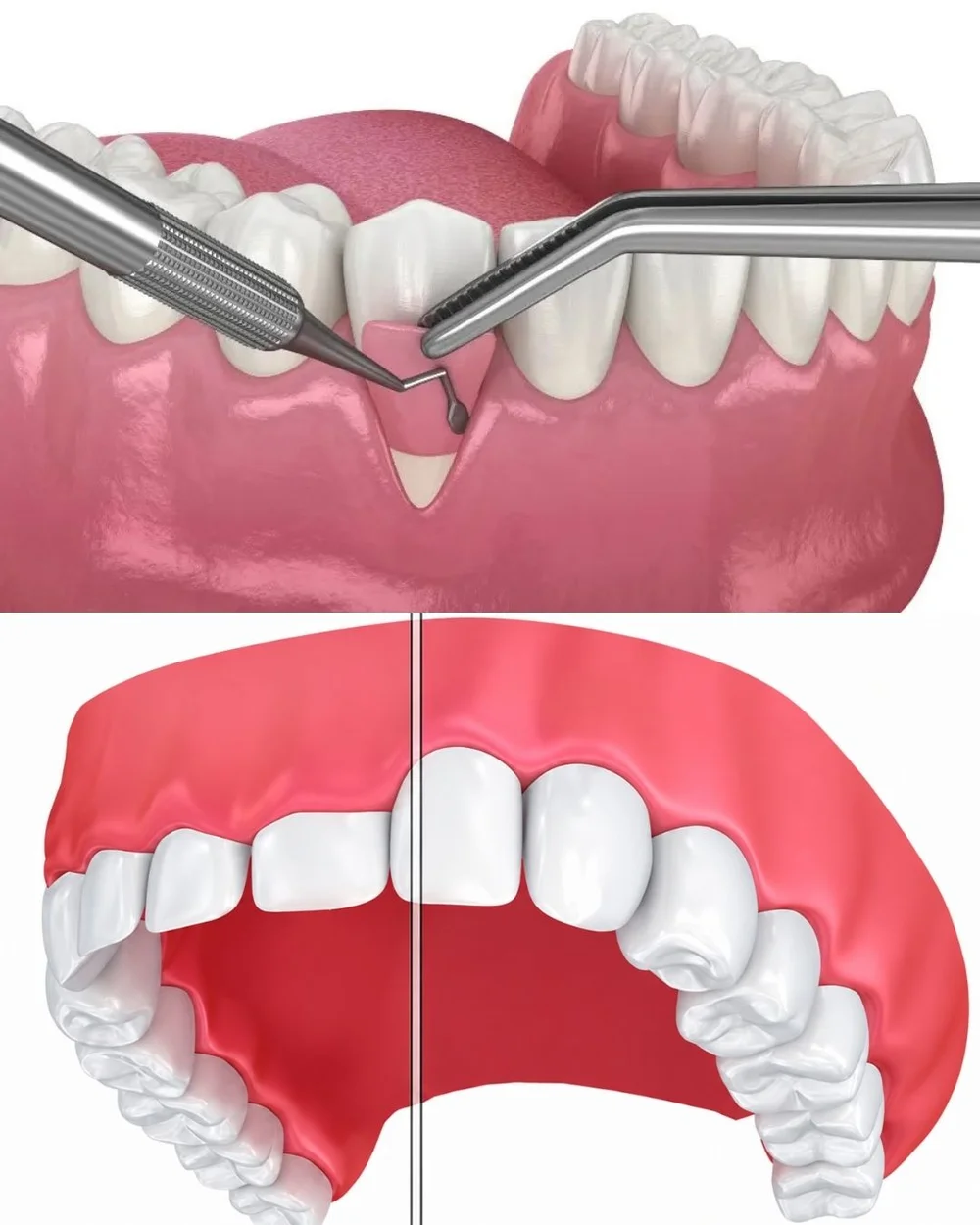
Full-mouth rehabilitation in Gurugram is a coordinated plan for a mouth in which several teeth, restorations, gums or the bite are no longer working comfortably together. Dr. Supreet Kaur Sawhney, MDS and Senior Consultant – Oral & Maxillofacial Surgeon & Senior Implantologist, brings a surgical and implant perspective to this assessment. The aim is not to replace every tooth automatically; it is to decide what can be preserved, what needs replacement, and what sequence makes the mouth maintainable.
Why a whole-mouth view matters
A broken crown can be a single repair. Multiple worn teeth, repeated fractures, missing teeth, gum problems and a changing bite are different. Treating each tooth separately may leave the forces, spaces and supporting tissues unresolved. Full-mouth rehabilitation joins those questions before a final plan is accepted.
The assessment may consider natural teeth that can still serve well, teeth with an uncertain prognosis, missing areas, gum stability, bone support, tooth wear, the way the jaws meet, and the patient’s expectations about function and appearance. The resulting plan can be conservative, restorative, implant-supported, removable or a combination.
Rehabilitation is not the same as full-mouth dental implants
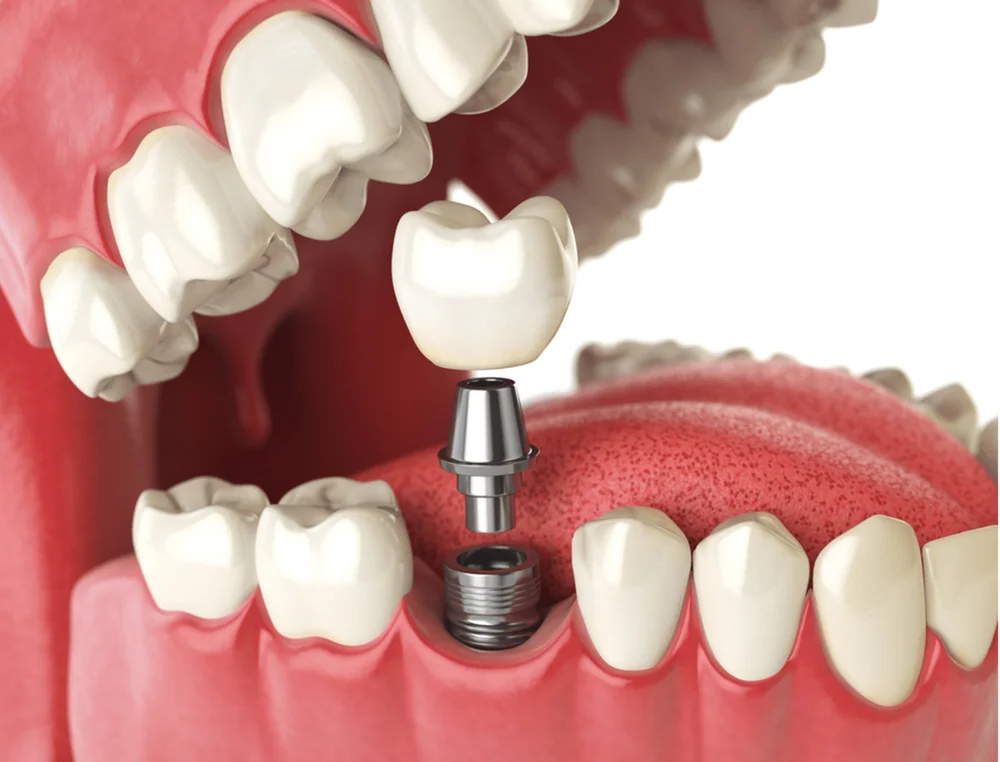
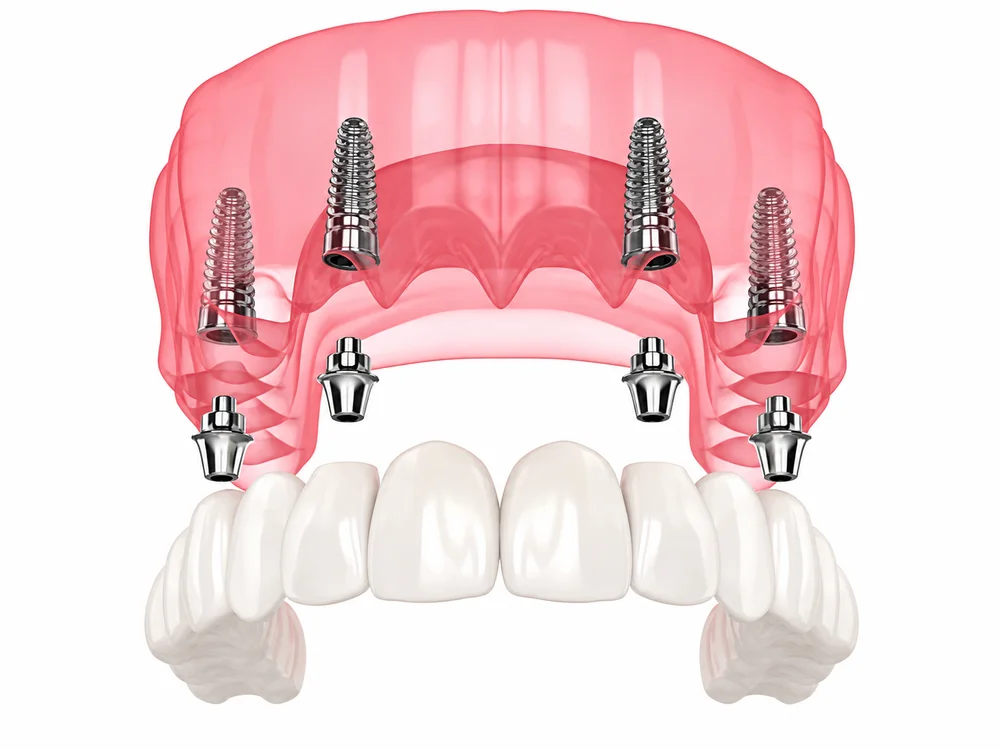
Full-mouth rehabilitation describes the scope of planning. Full-mouth dental implants describe one possible replacement route for extensive tooth loss. A rehabilitation plan may include preserving suitable teeth, root-canal care, crowns, bridges, dentures, implant-supported teeth, gum treatment and bite coordination. Replacing all teeth with dental implants is considered only when the diagnosis and risks make that approach reasonable.
Read the comparison guide full-mouth rehabilitation vs full-mouth dental implants before assuming that a larger implant plan is automatically more comprehensive.
The questions that shape the plan
Dr. Supreet may explore:
- which teeth are healthy enough to retain and restore;
- whether pain, infection or gum inflammation needs attention first;
- how much tooth structure has been lost through wear, decay or fracture;
- whether the current bite is stable, uncomfortable or difficult to clean;
- how missing teeth have changed chewing, speech or tooth position;
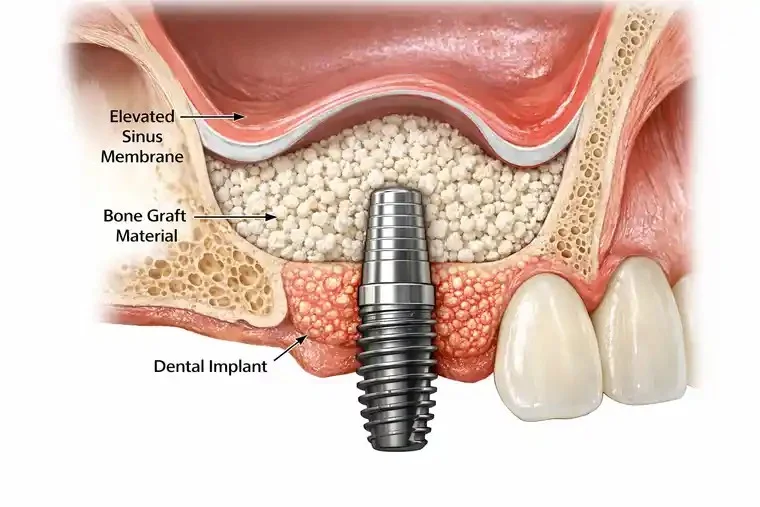
- whether bone or gum tissue could affect implant or restorative support;
- what medical conditions, medicines or habits influence healing;
- the level of maintenance the patient can manage over time;
- whether the patient wants staged care, a removable option, fixed teeth or another compromise.
These are planning questions, not a public checklist that can diagnose a patient. Records and imaging are selected to answer the uncertainties that matter in the individual mouth.
Preserving suitable natural teeth is part of advanced care
An intact or treatable tooth is not automatically inferior to an implant. Its remaining structure, gum support, infection status, position and long-term prognosis need to be understood. Saving a tooth may reduce surgical burden; removing a tooth may be considered when the prognosis is poor or retaining it would compromise the wider plan. Both possibilities deserve an explanation.
This is why a specialist consultation can be useful after years of piecemeal dentistry or when a proposed “full-mouth” package does not explain alternatives. The patient should understand what is essential, what is optional, and what happens if a tooth or restoration does not respond as expected.
Function, appearance and maintenance must agree
The final plan needs to work beyond the day it is fitted. Teeth should be accessible for cleaning, the bite should be discussed realistically, and any implant, bridge, denture or crown should be reviewed as part of a continuing maintenance plan. A plan that looks attractive but cannot be cleaned or tolerated is not a complete rehabilitation.
Possible benefits include improved chewing, a more stable bite, replacement of missing teeth and better coordination of dental care. Limitations include multiple appointments, temporary phases, adaptation, additional treatment if findings change, biological complications and future repair or replacement. No single technique can guarantee a fixed result for every patient.
A senior surgical and implant perspective in Gurugram
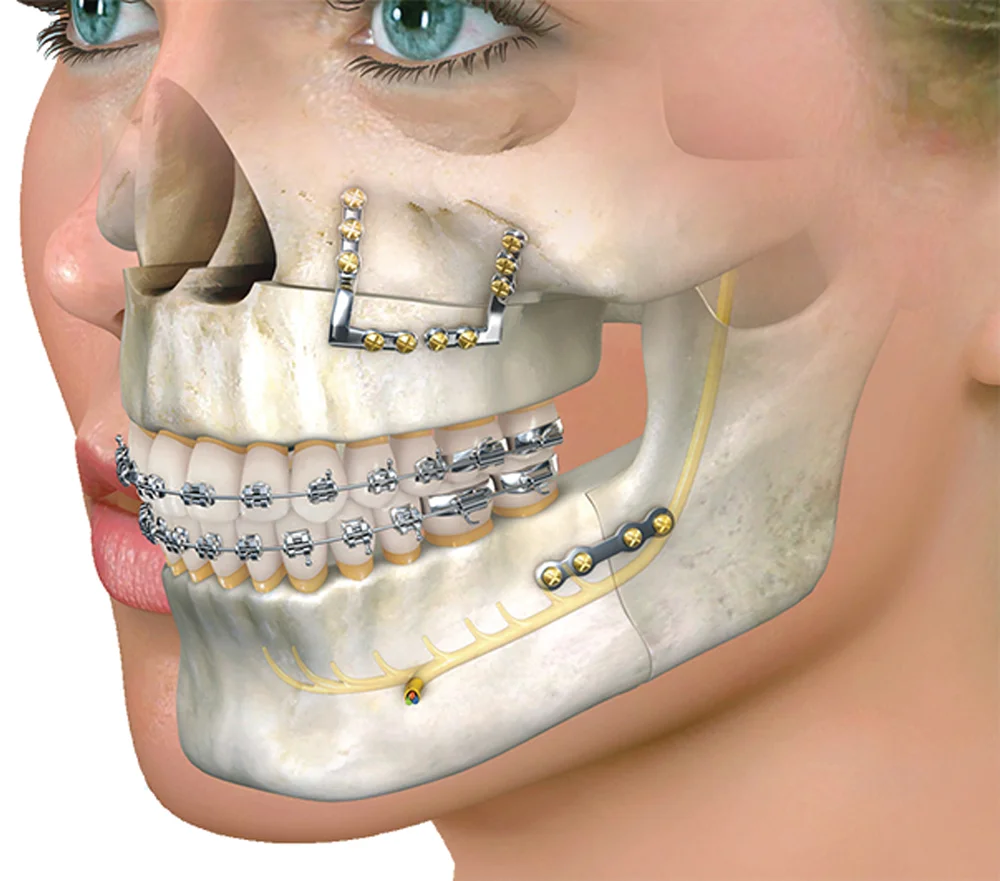
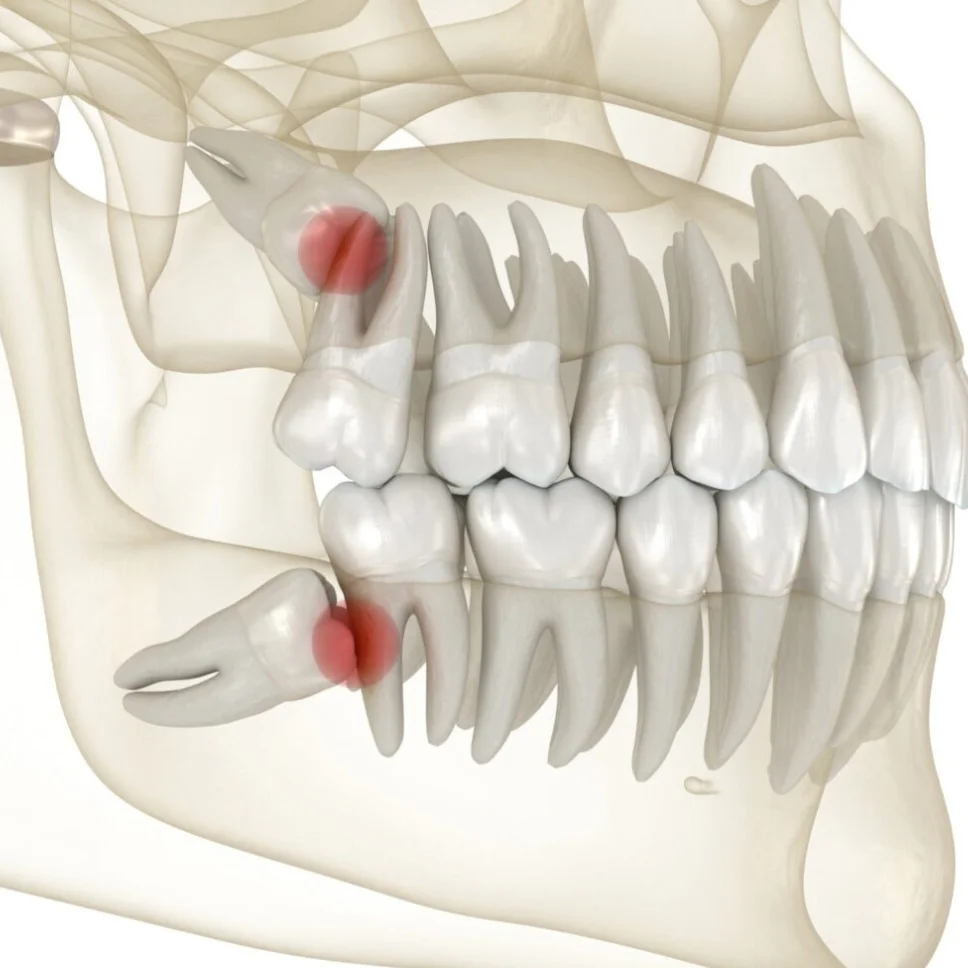
Dr. Supreet’s MDS in Oral & Maxillofacial Surgery and 20+ years of experience are relevant when rehabilitation includes difficult extractions, limited bone, dental implants, impacted teeth or other complex surgical decisions. She provides consultations and treatment at three clinic locations and five associated hospitals in Gurugram and New Delhi.
Patients may come from elsewhere in Haryana for a second opinion or coordinated assessment. Call or WhatsApp +91 9650298009 and explain that the concern involves several teeth or an existing whole-mouth plan. Confirm the venue and appointment timing; the general personal working window of 10:00 am–8:00 pm is not a schedule for every listed setting.
Three useful starting points for a whole-mouth discussion
One patient may have many old crowns and a bite that feels comfortable but looks worn. Another may have missing teeth, active gum problems and difficulty chewing. A third may have already been told that every tooth should be removed. These cases use the same phrase—full-mouth rehabilitation—but they do not require the same plan.
The first task is to separate urgent disease from long-term reconstruction. The second is to identify teeth that can be preserved predictably. The third is to decide how the bite, gums, bone and replacements will be maintained once the initial work is complete. A staged plan can be more informative than accepting a large treatment list at the first appointment.
Patients should also ask how provisional phases will be evaluated, what would make the plan change and which parts are essential for health or function rather than optional for appearance. This does not create a fixed sequence; it gives the patient a way to understand why the sequence may differ from someone else’s.
A plan should remain understandable as it grows
Complex dentistry can become confusing when every tooth is described in a separate line item. Patients should be able to see the priorities: control disease, preserve what is worth keeping, stabilise function, replace what cannot be maintained and establish a maintenance plan. If a proposed stage does not have a clear reason, ask what problem it solves and what happens if it is deferred.
The order may be influenced by pain, infection, gum health, tooth prognosis, the bite, temporary comfort, healing and practical constraints. This does not mean a patient must accept every suggested step. It means the choices should be discussed in relation to the whole mouth rather than as a disconnected list.
A whole-mouth plan should include the patient’s daily reality
Ask whether the proposed teeth can be cleaned with the patient’s usual dexterity, whether a removable appliance is acceptable, how reviews will fit around work and travel, and which changes should be reported early. A plan is more durable when it respects what the patient can maintain rather than describing an ideal mouth that cannot be cared for at home.
A whole-mouth plan can be staged around real life
Work, travel, finances and healing can all influence the order of care. Discuss those constraints early so the plan remains clinically sound and practically possible.
What affects the cost of full-mouth rehabilitation?
There is no responsible single price for a whole-mouth plan. Cost depends on the number of teeth involved, the condition of existing restorations, gum and bone care, fillings or root-canal treatment, crowns or bridges, dentures, dental implants, laboratory work, records, staging and follow-up. Ask which elements are essential, which are alternatives and what future maintenance may involve.
For an appointment, use the contact page or review the confirmed consultation locations. This guide is general education and cannot replace examination, diagnosis or consent.