Gum Grafting and Gum Surgery in Gurugram
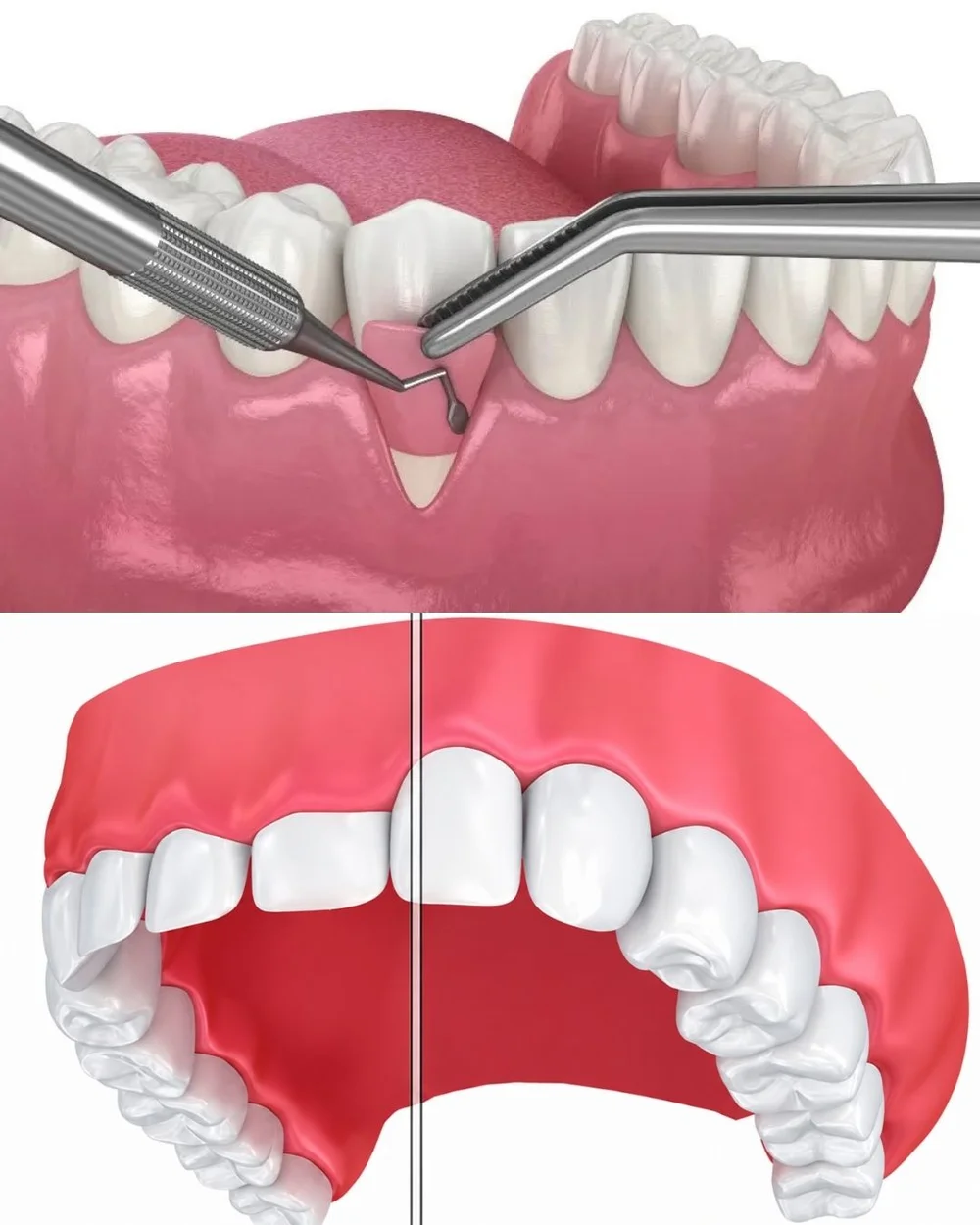
Gum grafting and gum surgery in Gurugram may be considered when recession has exposed a tooth root, made cleaning uncomfortable, changed the gum line or left soft tissue around an implant vulnerable. Dr. Supreet Kaur Sawhney, MDS, is a Senior Consultant – Oral & Maxillofacial Surgeon and Senior Implantologist with 20+ years of experience. Her approach starts with the cause of the tissue change, not with a graft as an automatic answer.
Recession is a sign, not a diagnosis
Gum recession means the gum margin has moved away from its earlier position, exposing more of the tooth root. Patients may notice sensitivity, a longer-looking tooth, a notch near the gum, bleeding, food trapping or concern about the appearance of the smile. Similar symptoms can arise from inflammation, brushing trauma, tooth position, thin tissue, bite forces or a combination.
The visible recession is therefore only part of the assessment. The health of the gums, the amount of supporting bone, the position of the tooth, the patient’s cleaning technique and the stability of any implant also matter.
What should happen before a graft is considered?
Dr. Supreet may discuss:
- how quickly the recession has changed and whether it is stable;
- plaque control, gum inflammation and previous periodontal concerns;
- brushing pressure, brush design, habits and sensitivity;
- tooth position, bite forces, clenching or grinding;
- the thickness and availability of gum tissue around the site;
- root-surface wear, decay or an abrasion notch;
- the condition of nearby teeth and any implant or restoration;
- the patient’s goals: comfort, cleaning, protection, appearance or a combination.
Treating inflammation or changing a damaging habit may be more important than surgery. A graft is considered when the expected benefit justifies the surgical burden and the cause can be managed.
Does every receding gum need grafting?
No. Stable, mild or non-progressive recession may be monitored with sensitivity control, gentler cleaning and management of the underlying cause. Grafting may be discussed when the root is difficult to keep clean, sensitivity persists, the tissue is thin, progression is a concern or soft-tissue support around an implant needs attention. Suitability is personal and cannot be decided by a photograph.
The educational guide gum recession and gum grafting explains the same decision in a patient-question format.
Gum surgery around dental implants and a wider plan
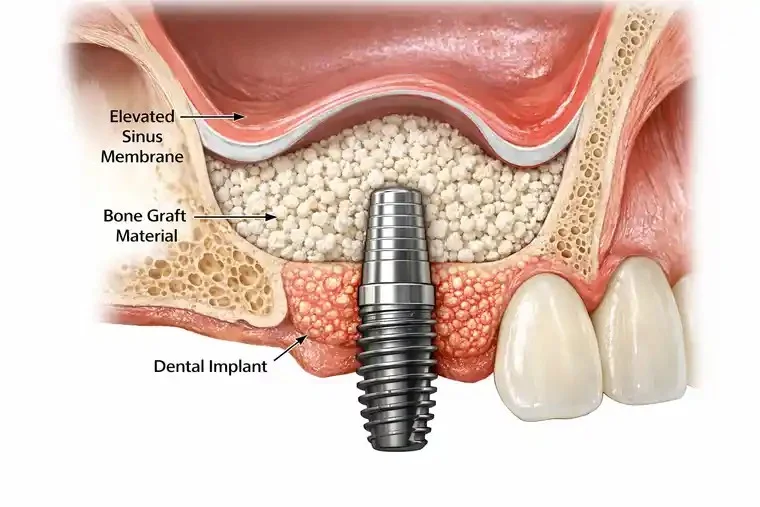
Soft tissue can influence how a natural tooth or implant is cleaned and how the gum margin is maintained. In an implant patient, recession may need to be discussed alongside bone support, the restoration shape, inflammation and daily care. Gum surgery should not be separated from the rest of the implant or full-mouth plan when those factors are connected.
Potential benefits include improved soft-tissue coverage, easier cleaning or reduced sensitivity in suitable cases. Limitations include a healing period, discomfort, swelling, variable tissue response, relapse or the need to address the original cause. A graft cannot guarantee a particular gum line or remove every future risk.
A surgical opinion that still respects conservative care
Dr. Supreet’s oral-surgical and implant background is useful when recession sits next to a difficult tooth, grafting decision, restoration or implant. Her patient-care philosophy is calm and explanatory: identify what is changing, discuss what can be controlled, then decide whether monitoring, non-surgical support or surgery best fits the patient.
She provides consultations and treatment at Marwaha Dental Clinic – Sector 39, Smile 'n' Shine Dental Care Centre – DLF Phase 2, Fortis Memorial Research Institute, Manipal Hospital Gurugram, Holy Angels Hospital, Mayom Hospital and Sanar International Hospitals. Call or WhatsApp +91 9650298009 to request an appointment and confirm the venue. Her general personal working window is 10:00 am–8:00 pm; it is not a daily schedule for each setting.
Stabilising the environment before considering surgery
Gum tissue is easier to evaluate after inflammation and damaging habits are addressed. A patient may need guidance on brushing pressure, cleaning around a crowded tooth, sensitivity management or bite-related forces before a surgical decision is meaningful. If the recession is stable and comfortable, observation may be the most proportionate choice. If the root is difficult to clean or the tissue is progressively thinning, the balance may change.
The goal of an assessment is therefore not to sell a graft. It is to determine whether the site is stable, what can be controlled, what the patient hopes to improve and whether a graft would add a realistic benefit. Patients should ask how the tissue will be protected during healing and what daily care will be needed afterwards.
When a conservative plan may be the better surgical plan
Gum recession can look like a cosmetic problem while being driven by inflammation, forceful brushing, a tooth outside the thicker bone envelope, thin tissue or bite forces. If the cause remains active, a graft may have a limited chance of staying stable. A clinician may therefore recommend changing the cleaning technique, treating inflammation, controlling sensitivity or reviewing the site before discussing surgery.
For an implant, the gum margin cannot be judged separately from the restoration, implant position, bone and cleaning access. If a patient is considering a graft because a photograph looks uneven, the consultation should establish whether the concern is stable, progressing, painful, difficult to clean or linked to a deeper problem. The goal may be protection or cleaning rather than a cosmetic measurement.
The purpose of surgery should be measurable in patient terms
Before consenting, describe what you hope will improve: sensitivity, access for cleaning, protection of a thin site, appearance or soft-tissue support around an implant. Those goals help the clinician explain what is realistic and what may not change. If the only goal is an image-based cosmetic concern, the limits of coverage and the possibility of relapse should be discussed especially carefully.
The maintenance plan matters as much as the graft. The site must be protected while healing, the underlying brushing or bite issue should be controlled and the patient should know when a review is needed. A graft is one part of continuing gum care, not a substitute for it.
Comfort, cleaning and protection are different goals
Some patients seek help because cold drinks cause sensitivity. Others are worried about a visible root or cannot clean around a thin gum margin. A patient with an implant may be concerned about inflammation or access. These goals overlap but are not identical, so the consultation should state what the proposed gum treatment is intended to improve and what it may not change.
An assessment can end with monitoring
When the recession is stable, comfortable and cleanable, watchful review can be a careful decision. The patient should know what change would trigger another opinion and which daily habits protect the site. Surgery is discussed when its likely benefit is clearer than its burden.
Daily cleaning is part of the surgical decision
The patient should understand how the site will be protected, cleaned and reviewed after treatment. A graft without a maintenance plan is incomplete.
What affects gum-grafting cost?
Cost may vary with the number and position of sites, gum inflammation, records, the cause of recession, whether other dental care is needed, surgical complexity and follow-up. Ask what the plan is intended to improve and how maintenance will be managed, rather than comparing a graft as a stand-alone product.
Use the contact page for appointment coordination. This page is general information, not a diagnosis of gum disease or a personal recommendation for gum surgery.