Gum Recession and Gum Grafting: When Is Treatment Considered?
Short answer: Receding gums do not usually return on their own, but not every area needs gum grafting. Assessment looks for inflammation, brushing trauma, tooth position, thin tissue, bite forces, root wear and progression. Monitoring, gentler cleaning, sensitivity care or surgery may each be reasonable in different patients.
What recession changes
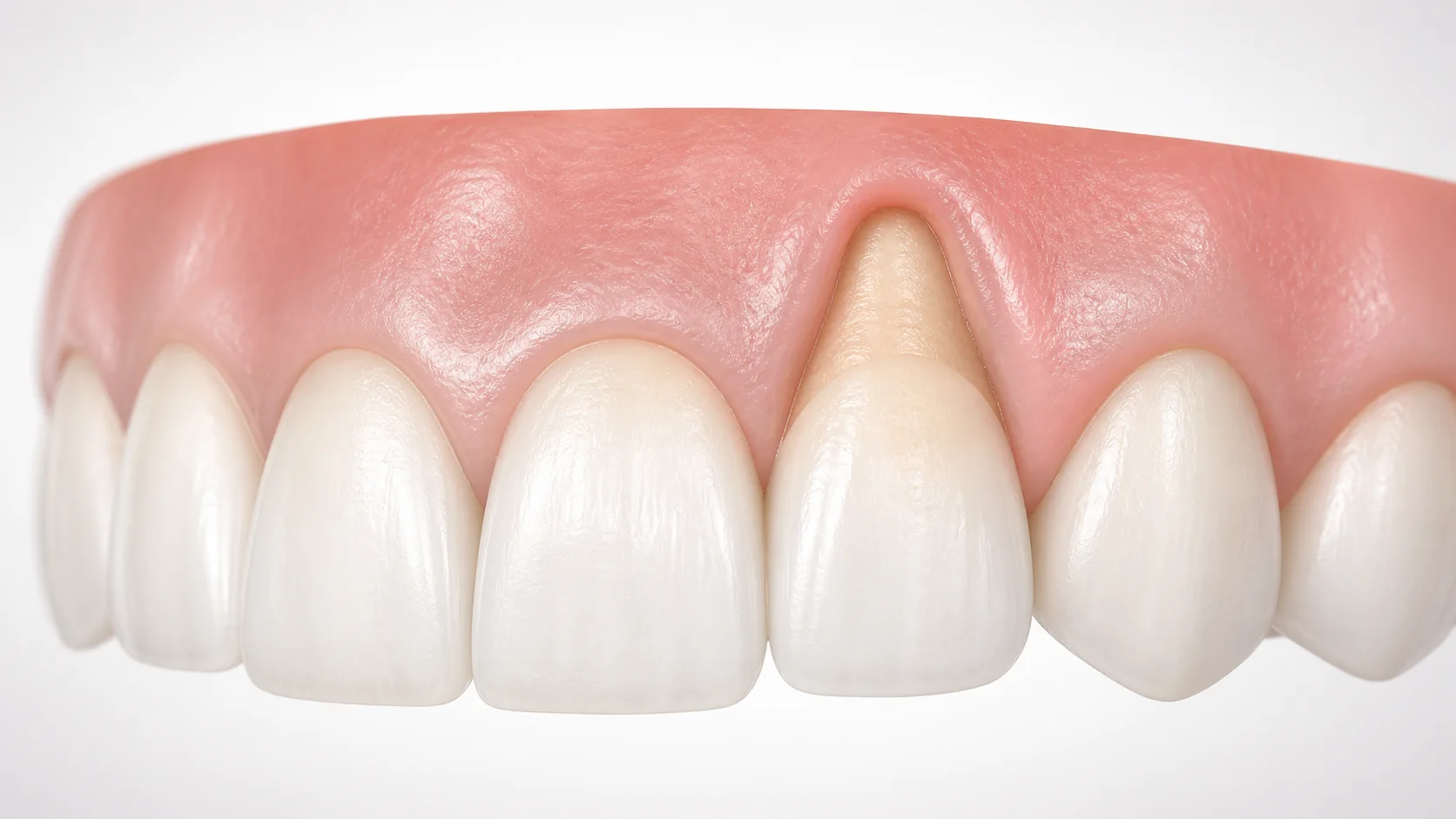
Gum recession means the margin of gum has moved away from the crown and exposed more of the root. A patient may notice a longer-looking tooth, a notch, sensitivity to cold, bleeding, food trapping or concern about the gum line. The visual change can be unsettling, but the first task is to understand why the tissue moved.
Causes are often mixed
Gum inflammation can weaken the supporting tissues. Forceful brushing or an abrasive technique can injure the margin. A tooth positioned outside the thicker bone envelope may have less tissue protection. Thin tissue, clenching, grinding, root-surface wear and local habits can add to the risk. More than one cause may be active.
That matters because a graft does not correct forceful brushing, inflammation or bite overload by itself. Cause control is part of any sensible plan.
Can a receding gum grow back?
The lost margin does not usually regenerate simply by waiting. Stable, mild recession may be monitored when it is cleanable and not causing significant sensitivity or progression. A clinician may recommend a gentler brush, technique changes, sensitivity measures, inflammation control or reviews before deciding whether surgery adds value.
Gum grafting may be discussed when root exposure is difficult to clean, sensitivity persists, progression is a concern, the tissue is thin or an implant needs better soft-tissue support. The goal and likely limits should be explained before treatment.
Natural teeth and dental implants are not identical
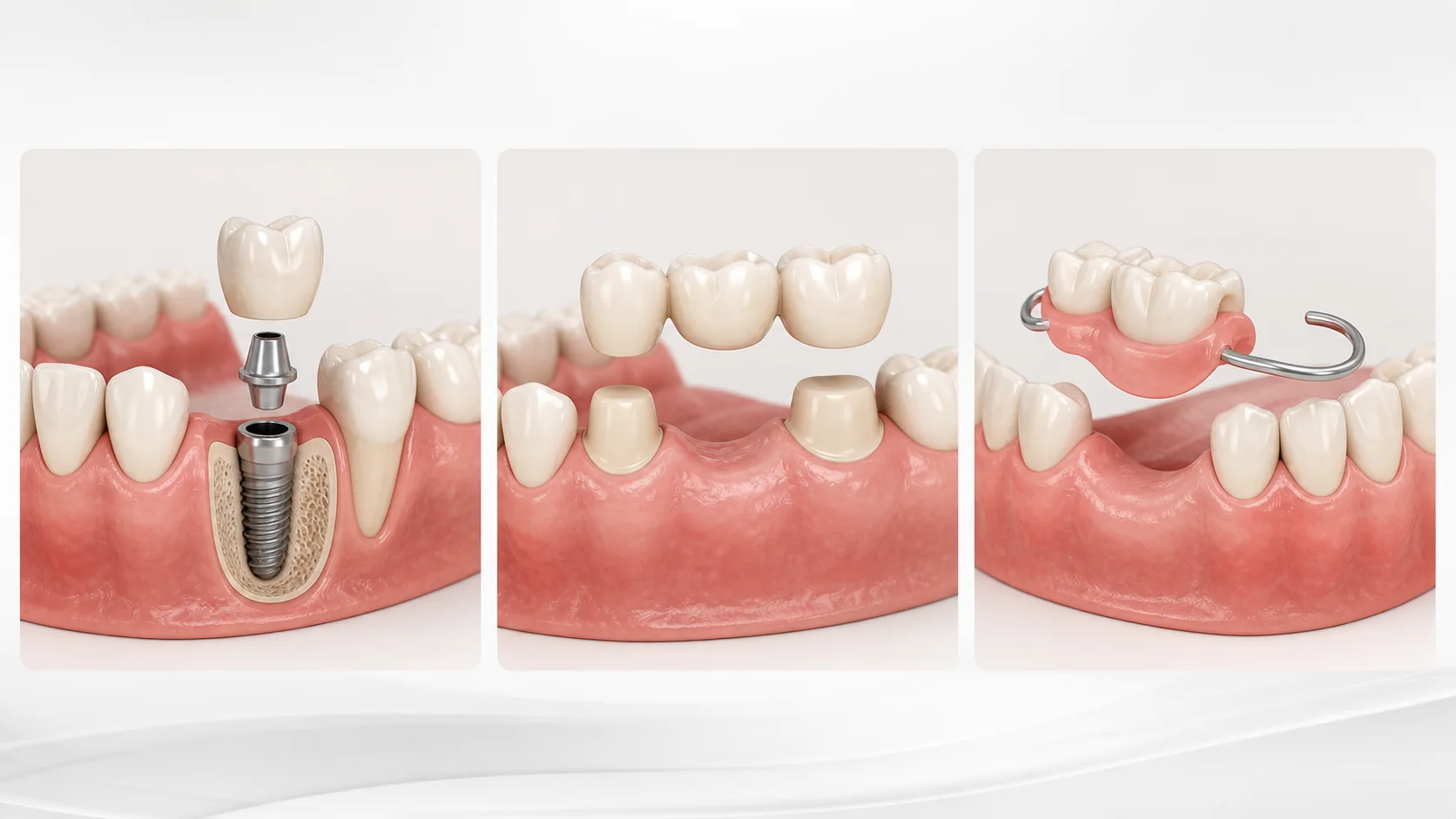
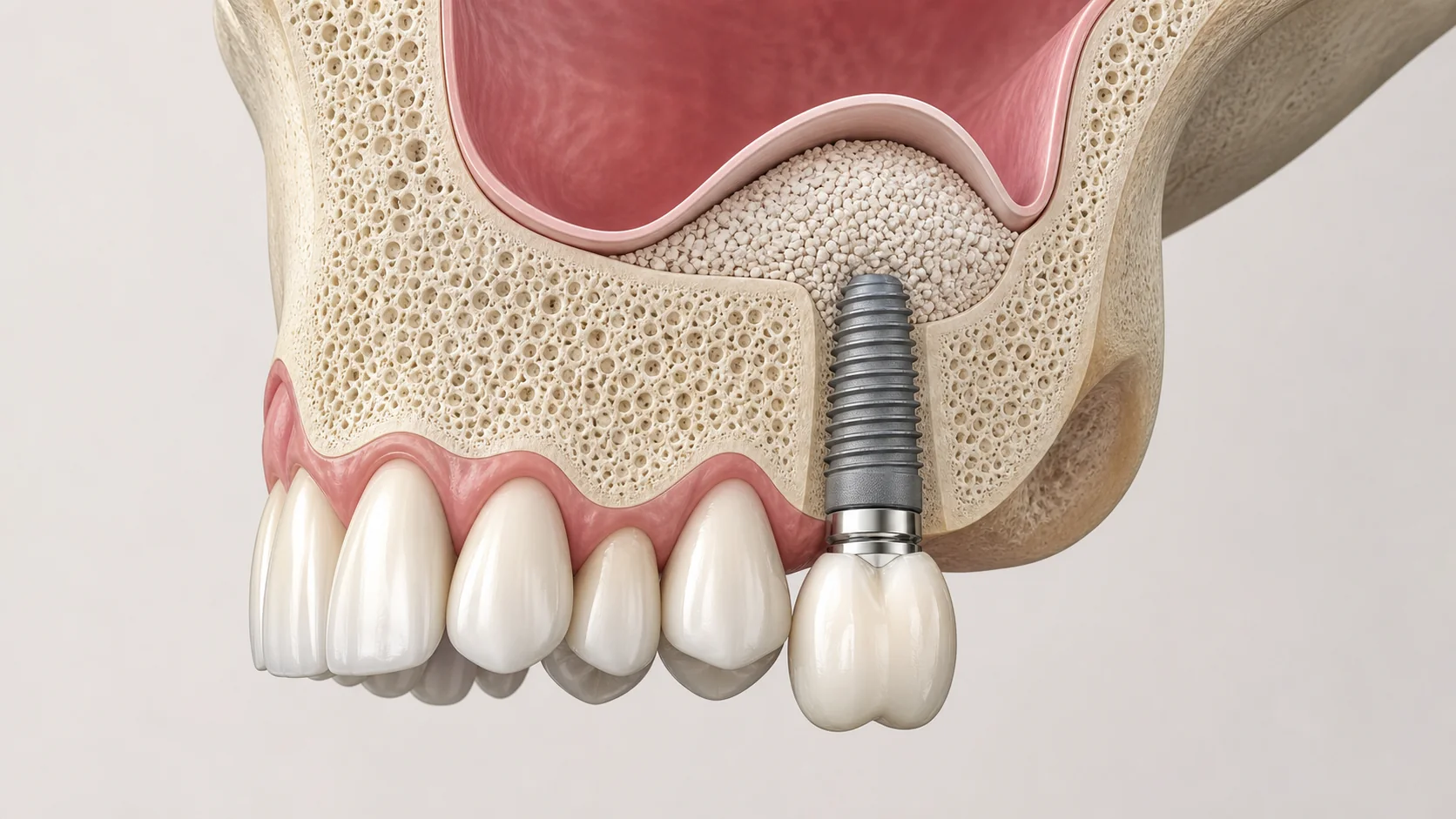
Soft tissue around a dental implant has different anatomy from gum around a natural tooth. Recession around an implant may be linked to the restoration shape, inflammation, bone support, implant position, cleaning access or tissue thickness. It should be assessed as part of the implant plan, not treated as an isolated cosmetic line.
The related gum grafting and gum surgery service page explains how surgical and conservative choices are considered.
What a gum assessment may cover
Dr. Supreet Kaur Sawhney may examine the gum margin, inflammation, root surface, tooth position, tissue thickness, supporting bone, bite and cleaning habits. She may ask when the change began, whether sensitivity is worsening, whether a brush or habit changed, and what the patient wants improved—comfort, cleaning, protection or appearance.
Possible benefits of grafting include improved tissue coverage or a more manageable area in suitable cases. Limitations include healing, discomfort, swelling, variable coverage, recurrence and the continuing need to manage the original cause. No graft guarantees a particular gum line.
Questions to ask before consenting
What is causing the recession? Is it stable? What happens if I monitor it? Which daily habit needs changing? Is there gum inflammation or bone loss? Is the tooth or implant position part of the problem? What result is realistic? How will the site be cleaned during healing and later?
What to observe between appointments
Notice whether the gum line is changing, sensitivity is increasing, bleeding continues, food is becoming trapped or brushing is uncomfortable. Do not repeatedly test a sensitive root with extreme temperatures or scrub the area harder. Gentle cleaning and professional advice are safer than trying to force a visible change.
Photographs can help a patient notice change over time, but they cannot measure supporting bone, inflammation or tissue thickness. A gum that looks uneven may be stable; a subtle change may be clinically important. The reason for review is therefore the history and examination, not the photograph alone.
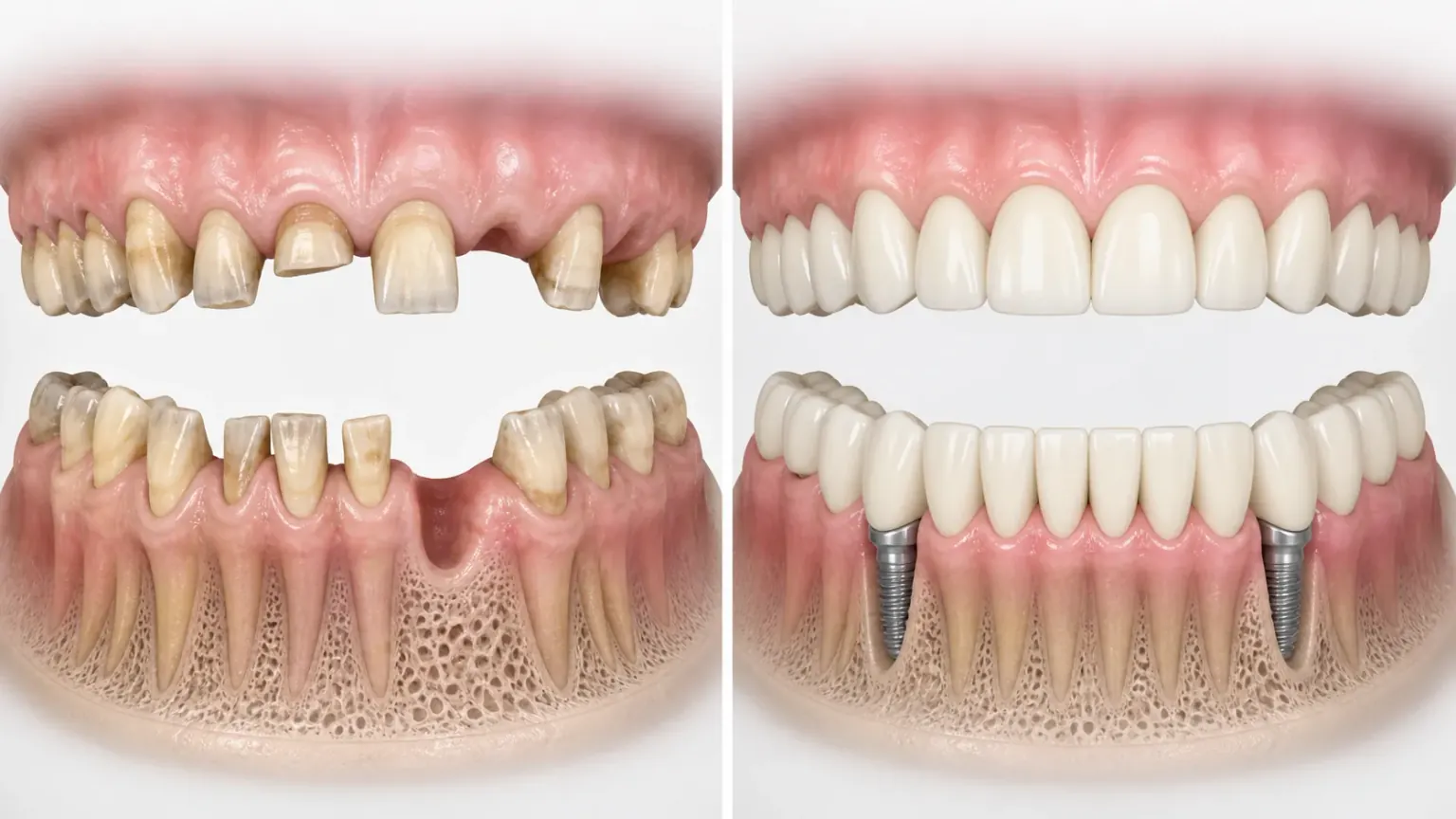
Patients with dental implants should mention changes in cleaning access, bleeding, swelling, looseness or the shape of the restoration. Soft-tissue questions around dental implants can involve the restoration and bone as well as the gum margin. A graft may be one part of the answer, not the whole answer.
A small change can be clinically important
Recession is not measured only by how long a tooth looks. A small change may make brushing painful or expose a root that is vulnerable to wear. A more visible recession may be stable and easy to clean. The relevant question is whether tissue, bone, symptoms, progression and daily care are in balance.
Patients can note when sensitivity occurs, whether the gum bleeds, whether a tooth has moved, whether a new brush or technique was introduced and whether food is trapped. This history helps distinguish a stable concern from a changing one. It is more useful than repeatedly comparing a photograph under different lighting.
For implant patients, report bleeding, swelling, a change in cleaning access or movement of the restoration. Soft-tissue management may be connected to the implant restoration and bone. A gum graft can be discussed only after the broader cause is understood.
When an image should lead to a consultation, not a self-diagnosis
An online photograph cannot show gum inflammation, supporting bone or tissue thickness. It can, however, prompt a useful history: when did the change begin, is sensitivity getting worse, does brushing hurt, is the area bleeding and has a restoration or implant changed? Those answers help the clinician decide whether the priority is disease control, observation, sensitivity management or surgery.
Do not try to “scrub the gum back into place” or stop cleaning because the area is tender. Gentle care and professional advice are safer while a review is arranged. If swelling, fever, severe pain or rapid deterioration accompanies the gum change, seek appropriate dental or emergency guidance rather than relying on an educational article.
A planned review is worthwhile even when surgery is not chosen
If a clinician recommends monitoring, that recommendation should state what stability looks like and when to return. If non-surgical support is recommended, the patient should know how brushing, inflammation or bite forces will be addressed. If grafting is suggested, the patient should know the intended goal and the limits. These distinctions help patients avoid treating every exposed root as an urgent surgical problem.
A gum plan should explain what happens after the first improvement
Ask how the area will be cleaned once it has healed, how the original cause will be controlled and when the site should be reviewed. A realistic plan recognises that tissue, restorations and daily habits continue to change after surgery; the graft is not the end of care.
The review should connect comfort to maintenance
Patients should know how the site will be protected, cleaned and reviewed after any chosen treatment. These practical details are part of the decision, not an afterthought. They also help a patient judge whether the proposed care fits daily life. A patient should ask what changes would make the plan more urgent or more conservative.
If a patient is travelling for care, ask which records to bring and whether the first appointment is for assessment or treatment. The venue and timing should be confirmed before making travel plans.
Dr. Supreet is an MDS Oral & Maxillofacial Surgeon and Senior Implantologist with 20+ years of experience. She provides consultations and treatment at confirmed settings in Gurugram and New Delhi. Call or WhatsApp +91 9650298009 to request an assessment and confirm the venue.