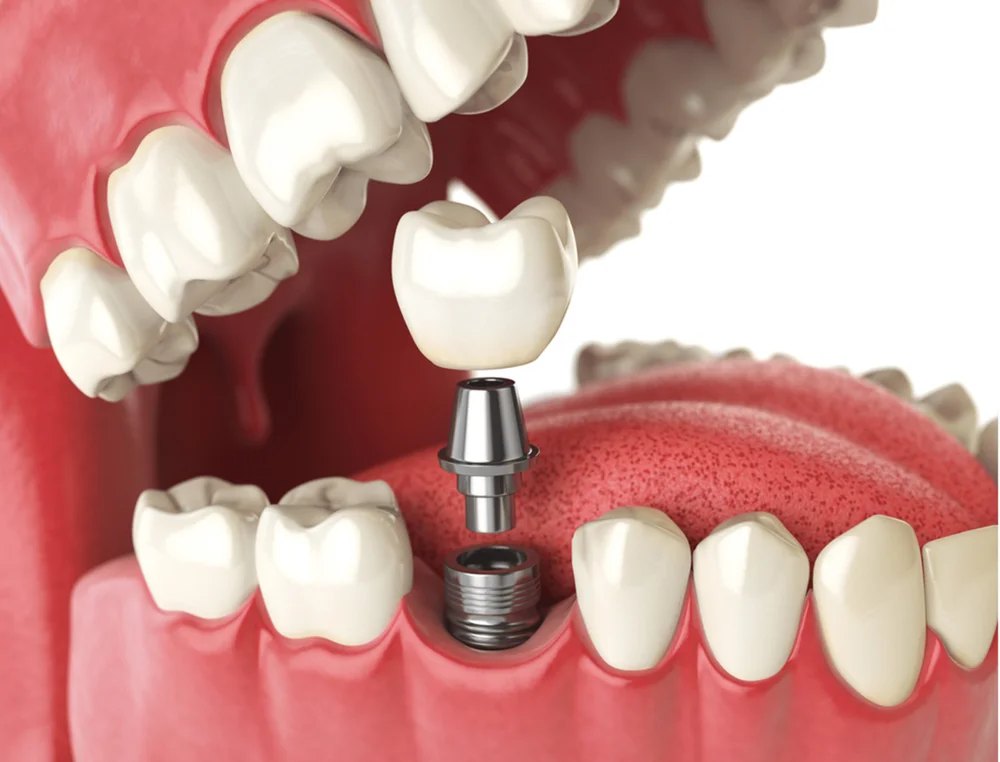
Dental Implants
Dental implant treatment for missing teeth in Gurgaon, with assessment of bone, gums and bite, discussion of alternatives, and long-term maintenance planning.
Explore treatment
Dr. Supreet Kaur Sawhney, MDS, is a Senior Consultant – Oral & Maxillofacial Surgeon & Senior Implantologist. These guides explain the treatments she provides, who they may help, what to expect and the alternatives to discuss before treatment.
Dr. Supreet's oral and maxillofacial expertise also includes corrective jaw surgery, cleft repair, sleep-apnoea surgery, facial injuries and jaw pathology.
Find information about dental implants for missing teeth, full-mouth rehabilitation for several teeth, gums or bite problems, and bone grafting and sinus lift when an implant site needs more bone support.
For impacted teeth, difficult extractions and jaw conditions, see oral and maxillofacial surgery. The wisdom-tooth surgery guide explains when removal may be needed and when monitoring is appropriate. Gum grafting and gum surgery covers treatment for recession and gum-tissue problems.
For jaw pain, clicking or locking, see the TMJ treatment and assessment guide.
Dr. Supreet also personally provides root-canal treatment, crowns and bridges, tooth-coloured fillings, veneers, professional teeth whitening and straightforward tooth extractions where appropriate.
Complex care can involve more than one dental discipline. Full-mouth rehabilitation may combine care for teeth that can be retained with replacement of missing teeth. Ask who will plan and provide each part of your proposed care and how it will be coordinated. The consultation also establishes the appropriate treatment setting; a booking does not confirm that every procedure is available at every venue.
For a clinic appointment, book at Dr. Supreet’s own Sector 39 clinic. Other genuine clinic and hospital settings remain in the consultation locations directory.
Dental implant treatment for missing teeth in Gurgaon, with assessment of bone, gums and bite, discussion of alternatives, and long-term maintenance planning.
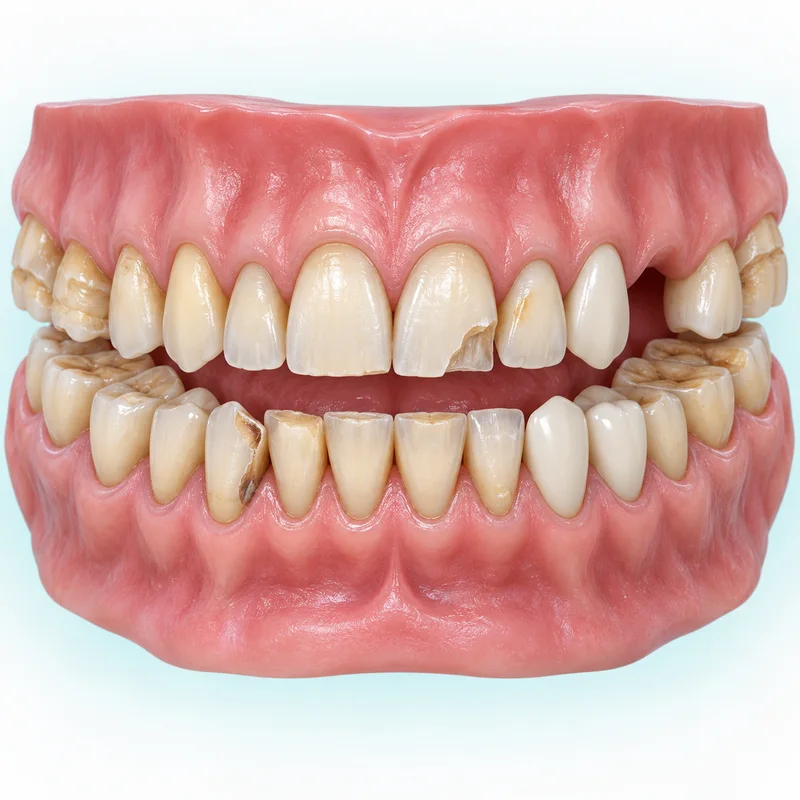
Whole-mouth planning for worn, missing, damaged or unstable teeth, with attention to preservation, bite, gums, restorations, dental implants and what can be maintained long term.
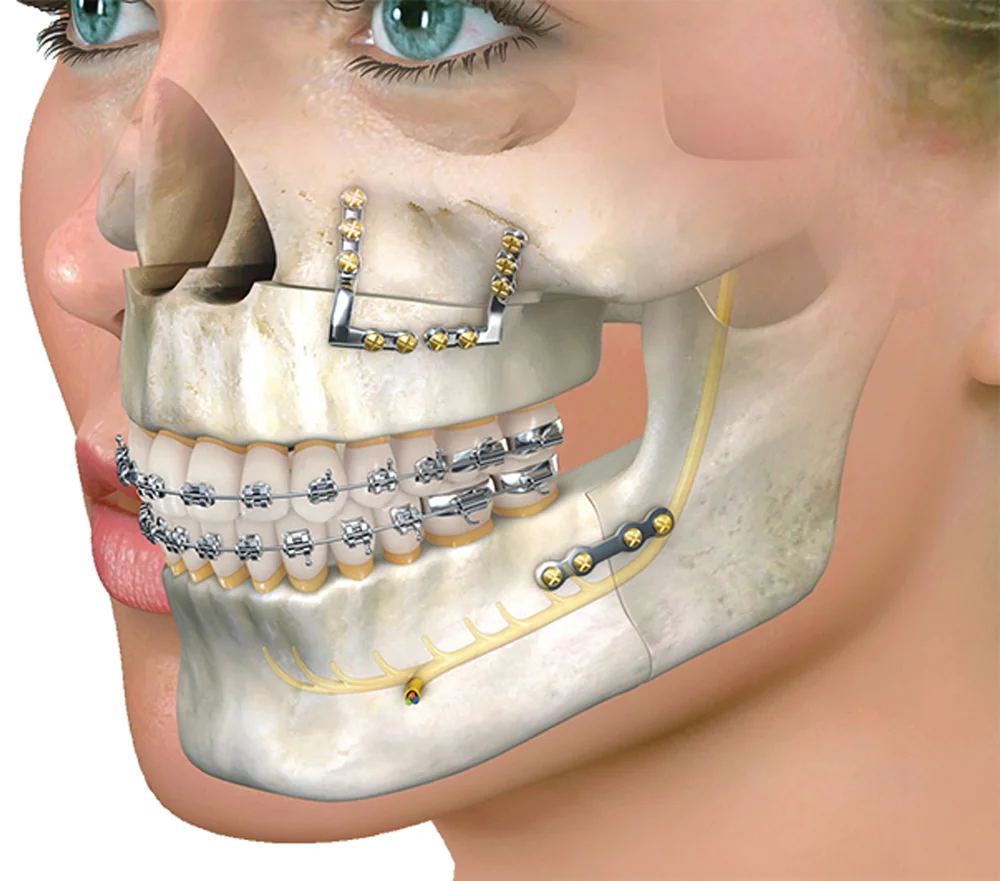
Specialist consultation for difficult extractions, impacted teeth, jaw-related concerns and complex oral surgery when routine dental treatment does not answer the problem.
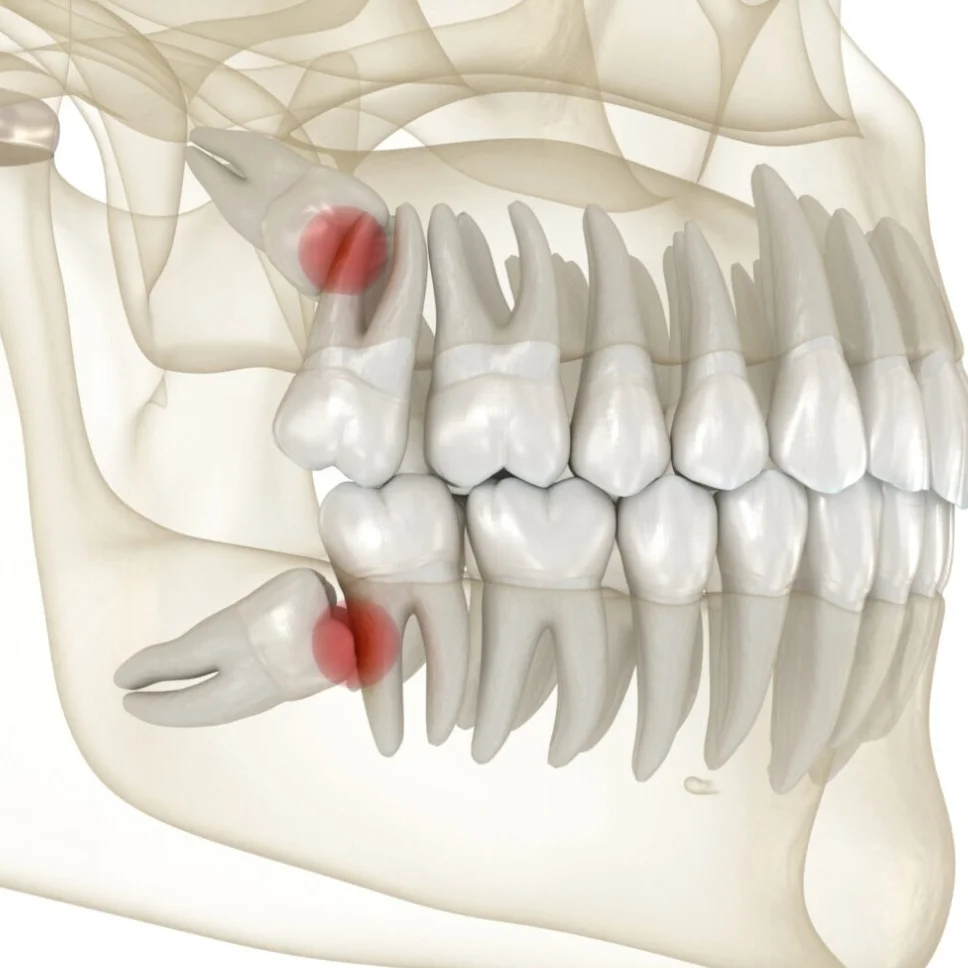
Assess troublesome or impacted wisdom teeth, monitoring, surgical access and anatomy-specific alternatives and risks.
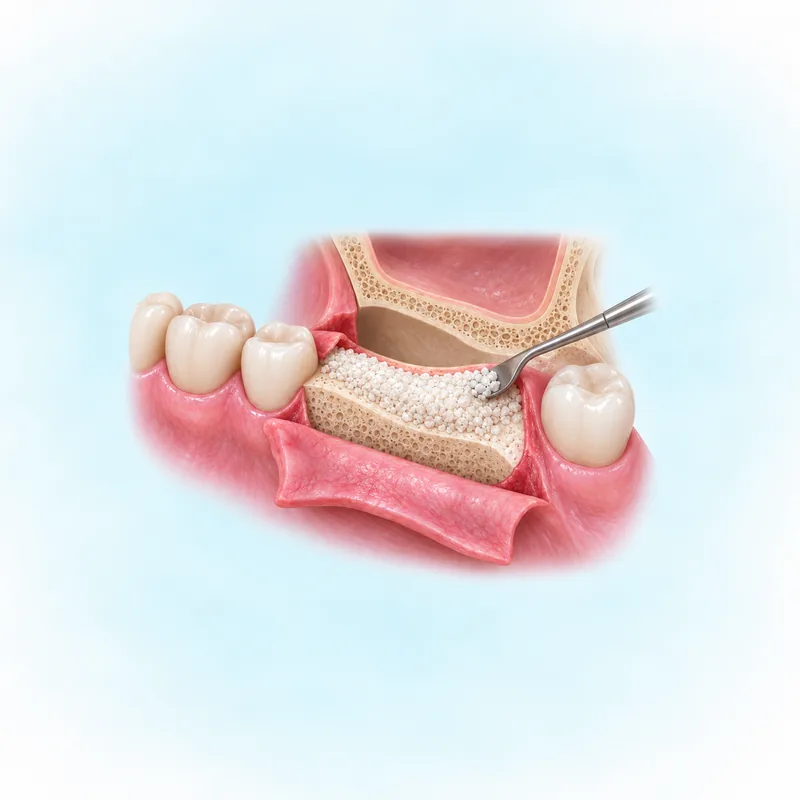
Anatomy-led evaluation of reduced jawbone and the upper back-jaw sinus relationship before an implant plan is accepted.
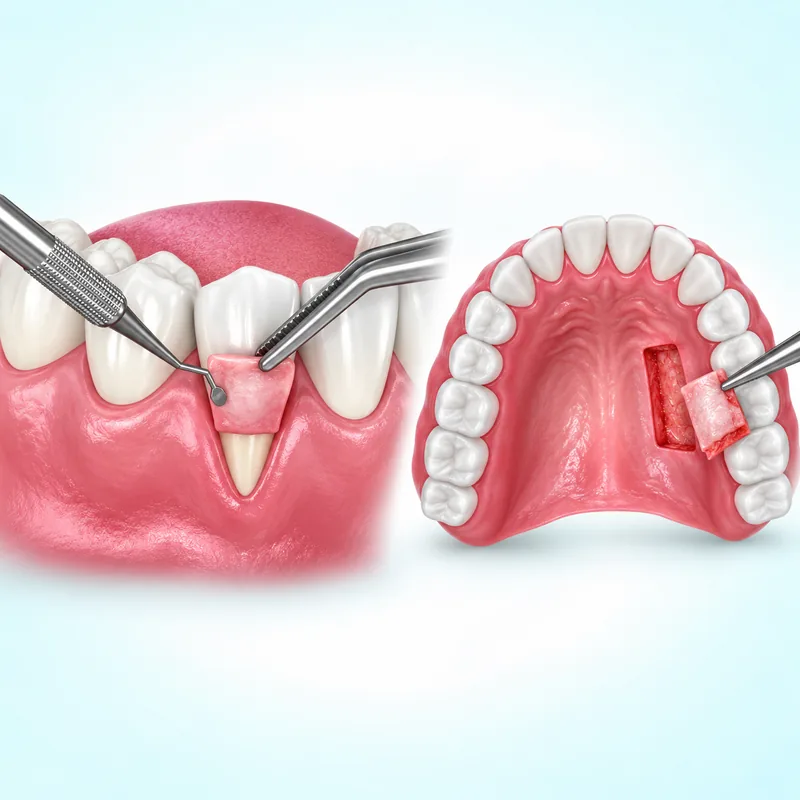
Cause-first assessment for receding gums, exposed roots and soft-tissue concerns around natural teeth or dental implants, including when monitoring or grafting may be reasonable.
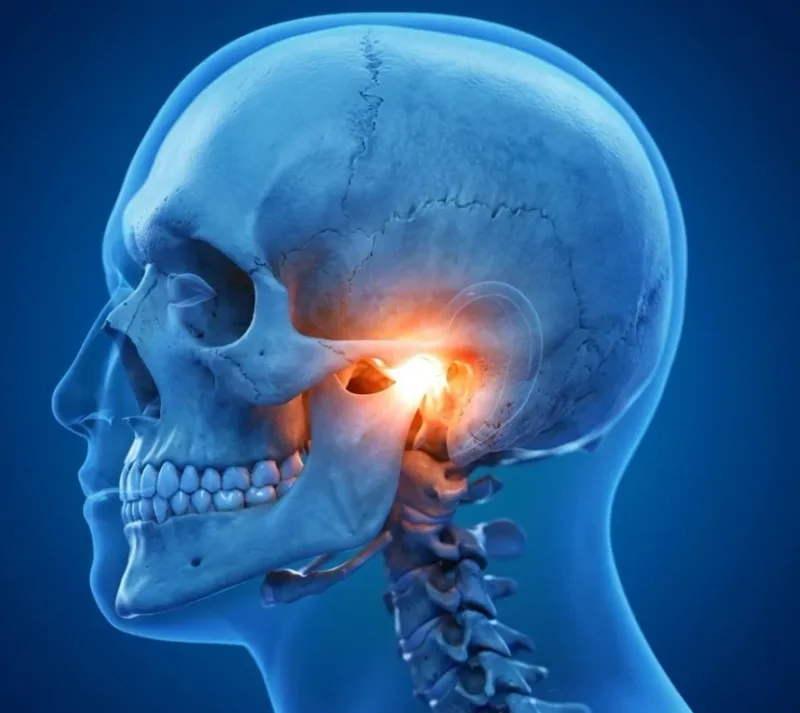
Find out who to consult about jaw pain, clicking or locking, what a TMJ assessment can clarify, and how conservative options may fit.
Explore a specific concern within its wider area of care.
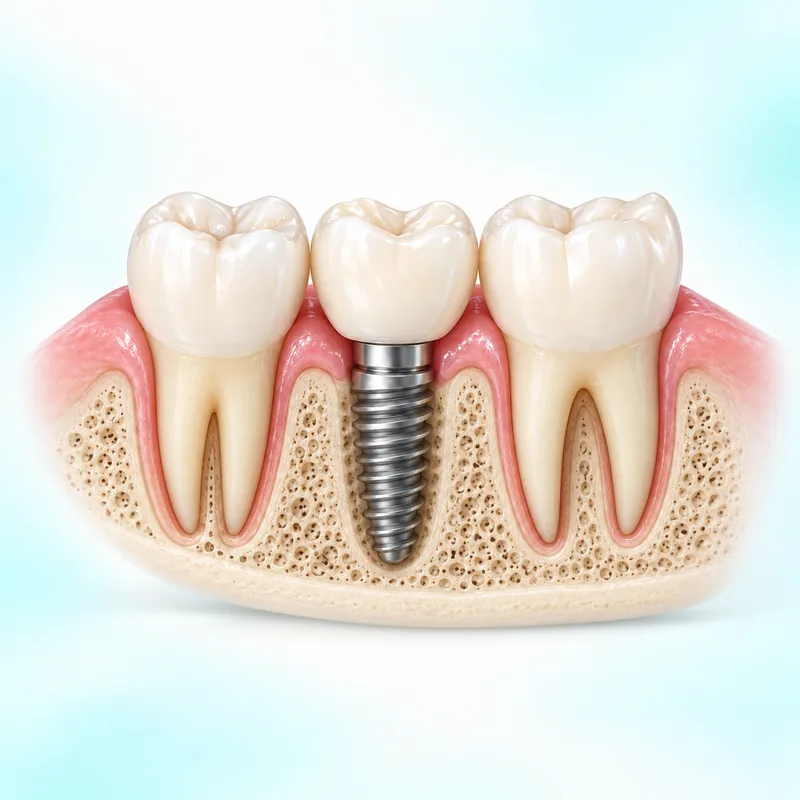
Explore whether one dental implant and crown may suit a single missing tooth, how it compares with a bridge, what assessment considers, and the care an implant needs over time.
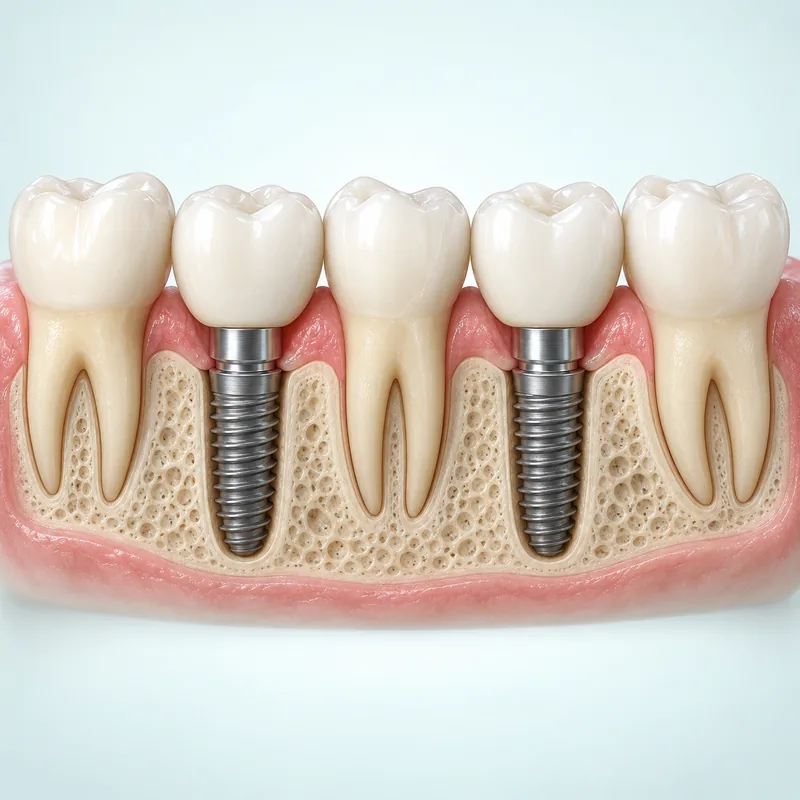
Explore how several missing teeth may be replaced with implant support, why the plan does not always use one implant per tooth, and how alternatives, cleaning and healing are assessed.
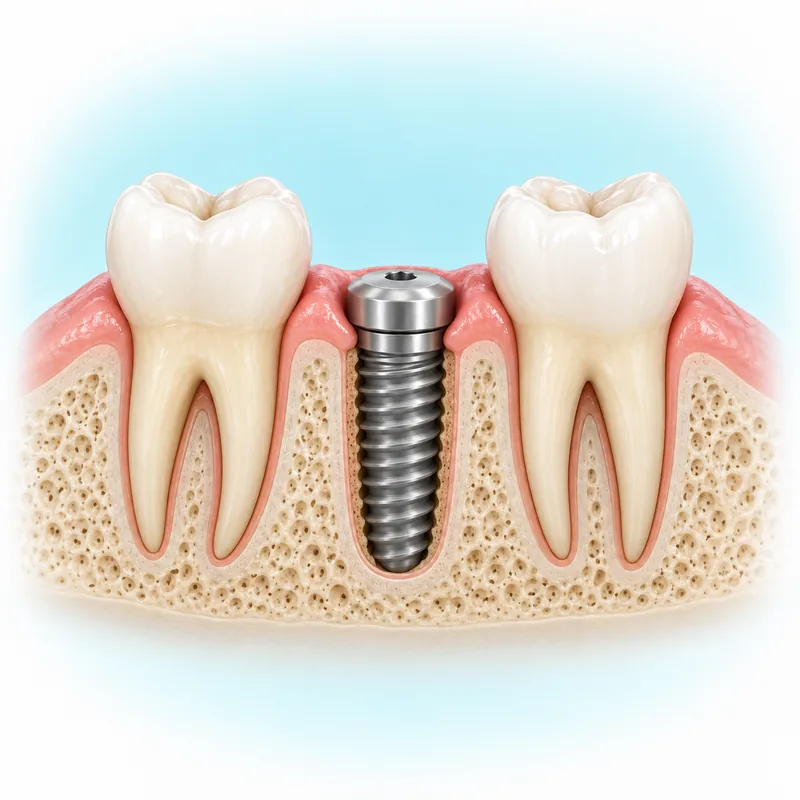
Understand the extraction-day placement decision, separate replacement-tooth timing and the fallback if site conditions change.
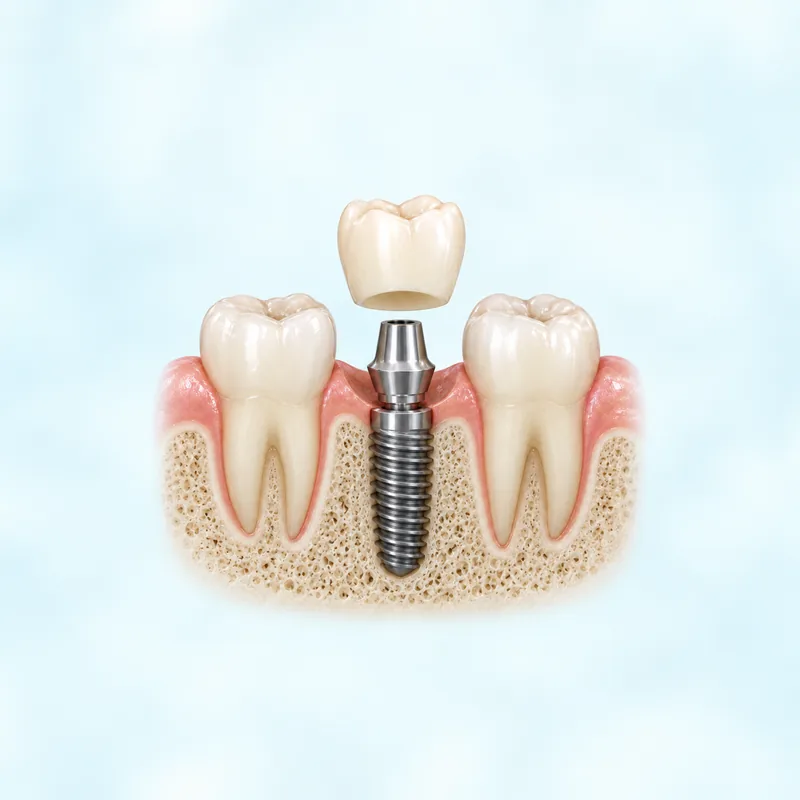
Understand early replacement teeth in the bite, non-biting temporary restorations and the conditions that can change the loading plan.
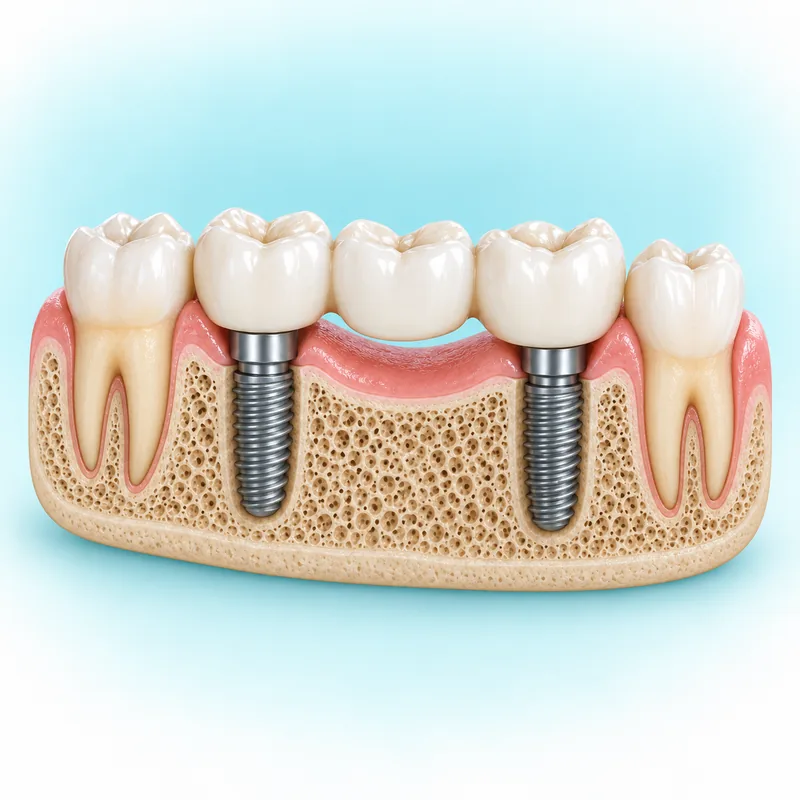
Understand how implants support a connected fixed bridge, how it differs from a tooth-supported bridge or removable partial denture, and why fit and cleaning access matter.
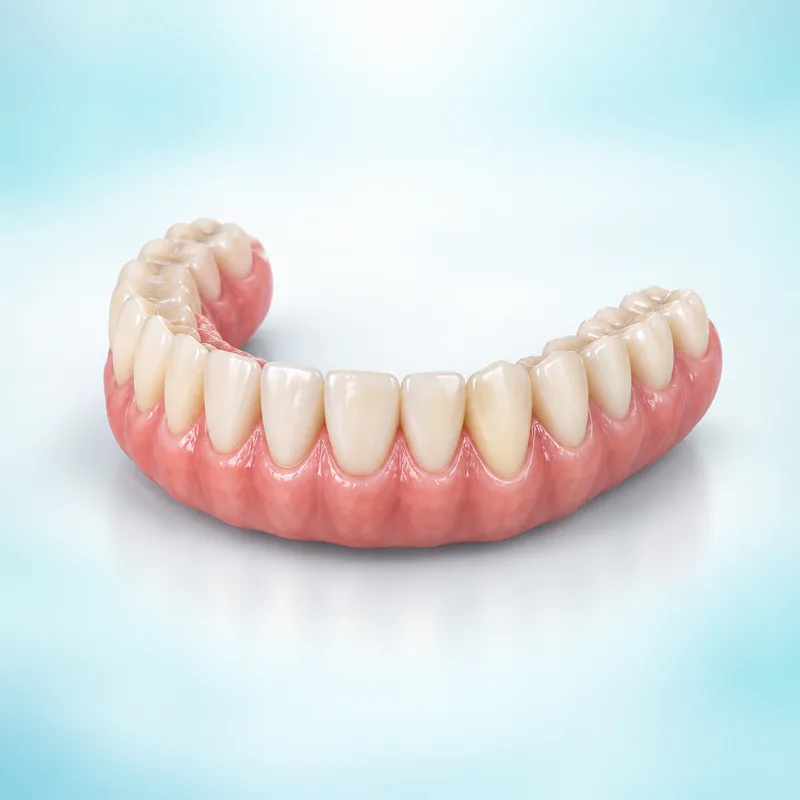
Compare fixed whole-jaw teeth, removable implant dentures and conventional dentures, with attention to preserving suitable teeth.
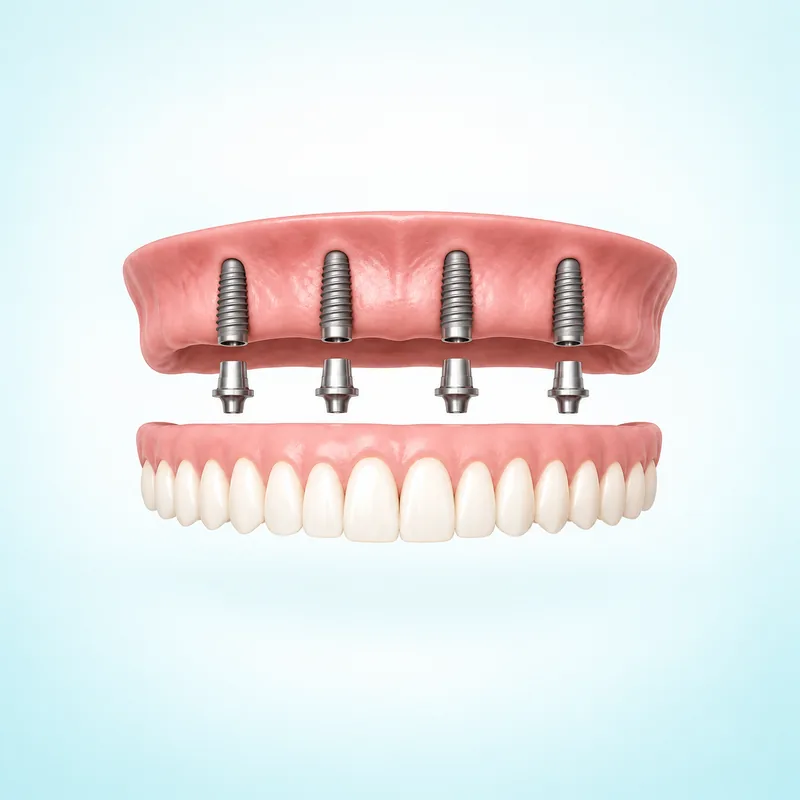
Understand four-implant fixed-arch planning, tilted support and when provisional immediate teeth may be suitable.
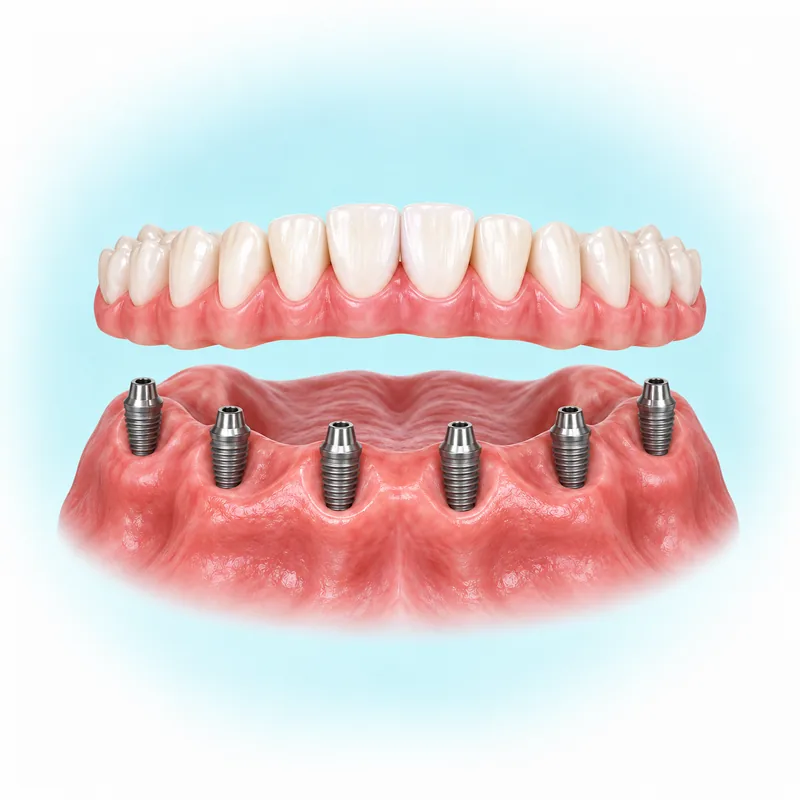
Explore the purpose of six supports, restoration design, bone requirements and the limits of four-versus-six comparisons.
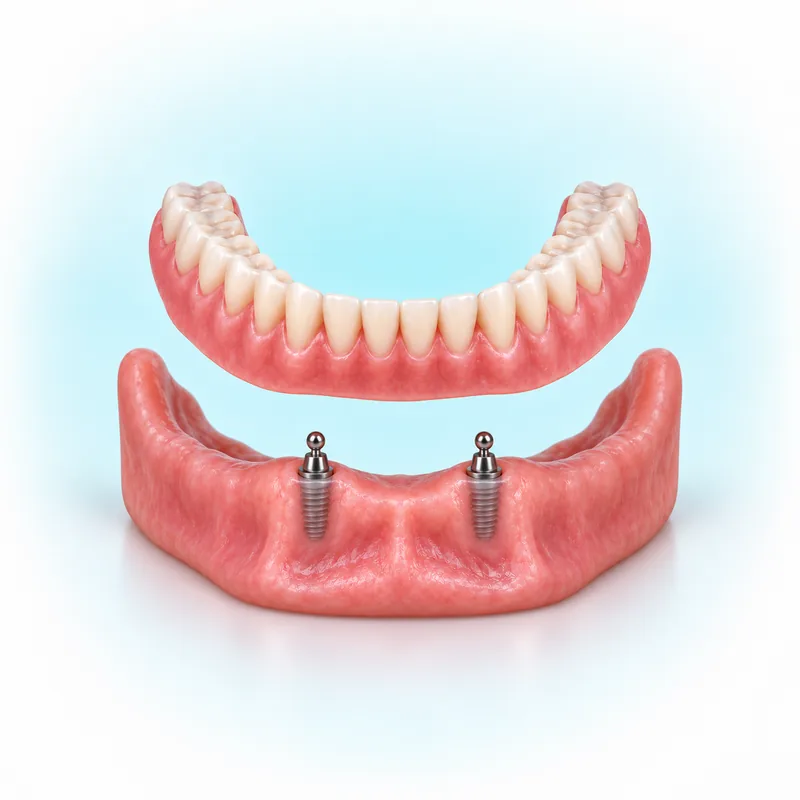
Explore removable implant dentures, adapting an existing denture, daily cleaning and the maintenance of fit and attachments.
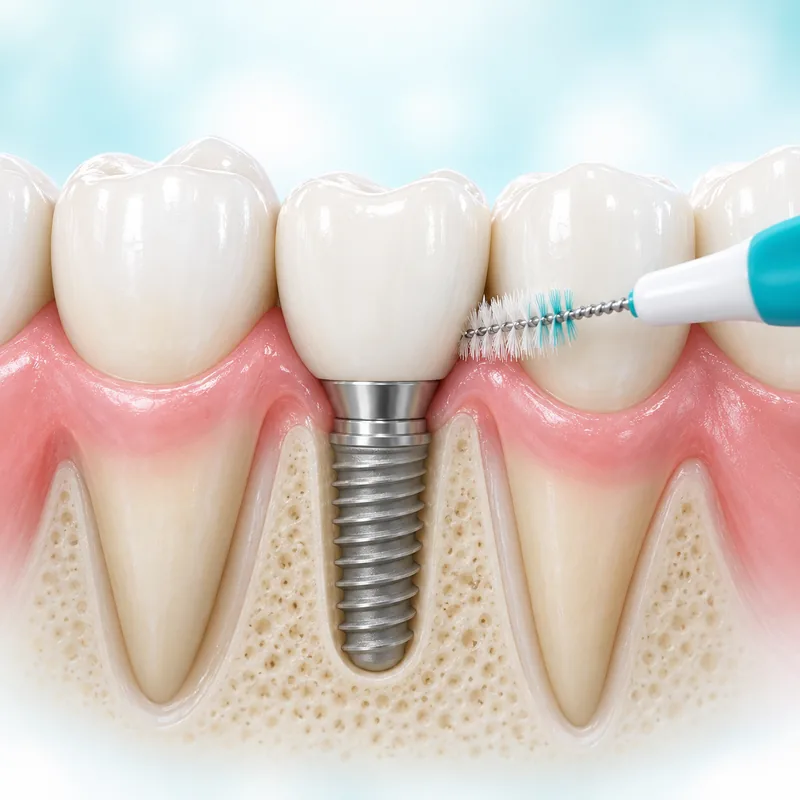
Learn how professional reviews assess a loaded implant and its surrounding tissues, what signs merit assessment, and why recall timing is individual.
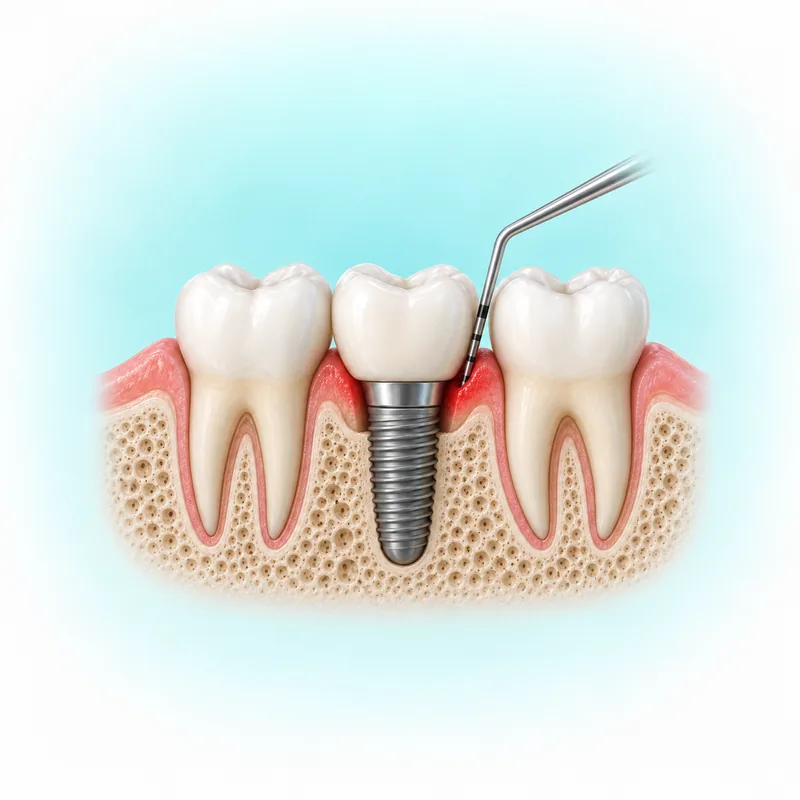
Understand care after a peri-implantitis or peri-implant mucositis diagnosis, reassessment and continuing care with Dr. Supreet in Gurugram.
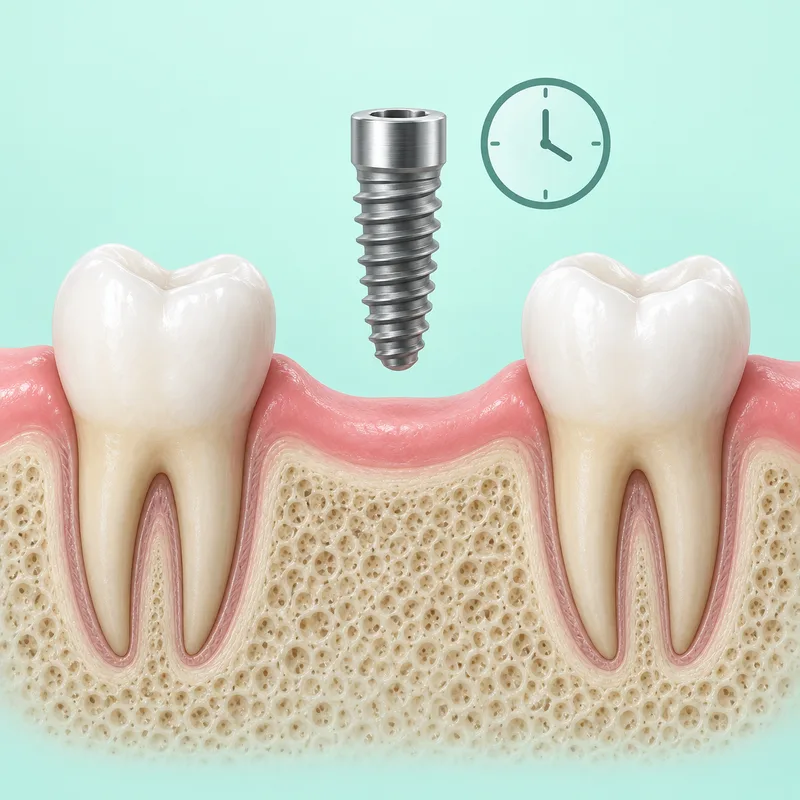
Understand implant placement after extraction-site healing, how early and late placement are classified, and why placement timing does not set the timing of a replacement tooth.
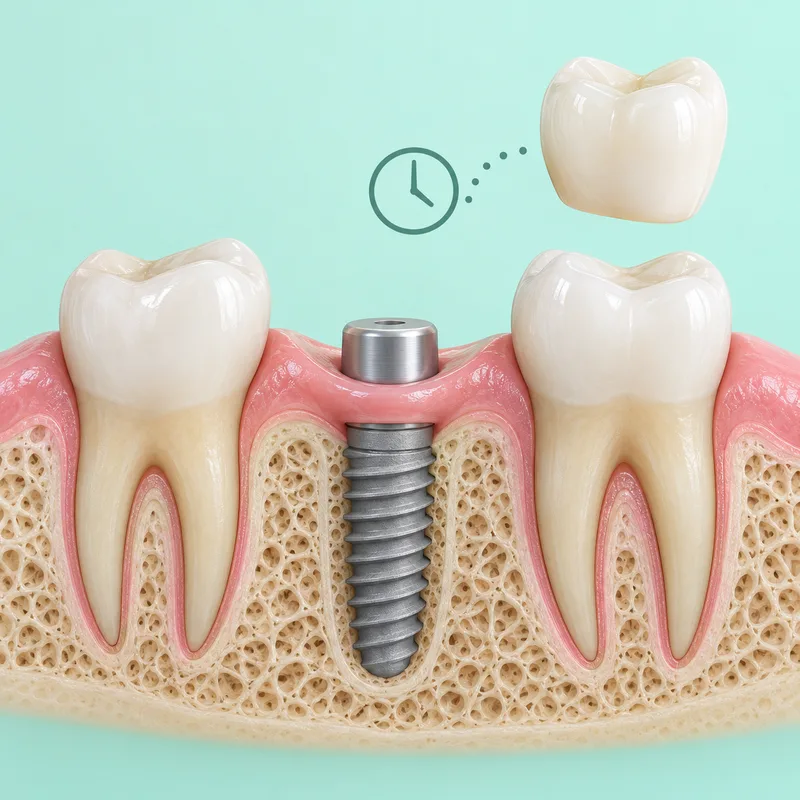
Understand the healing period before a replacement is connected to an implant, how conventional loading differs from immediate loading, and why it is not a fixed treatment date.
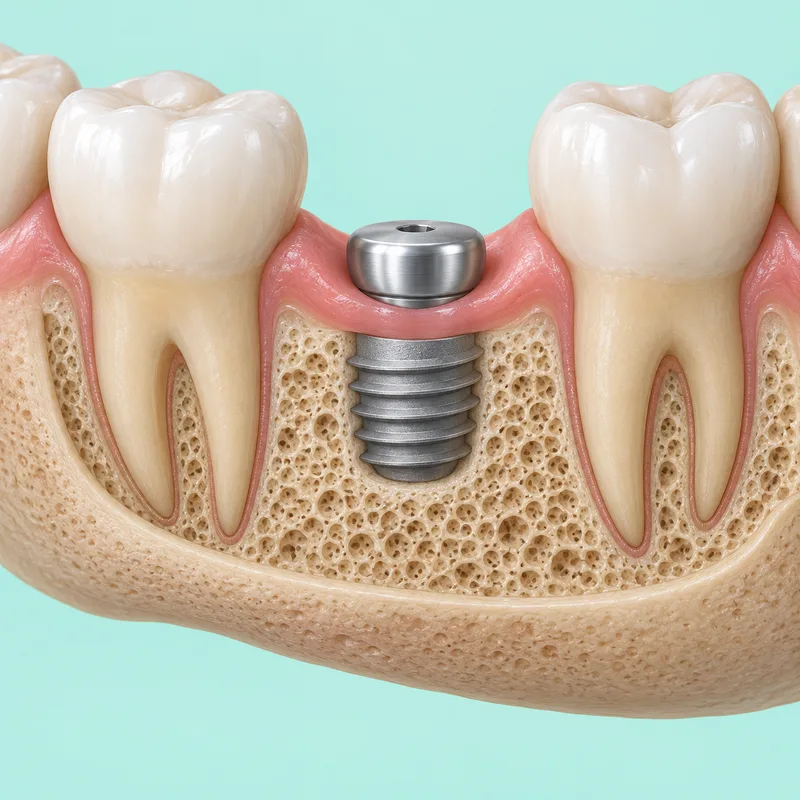
Learn when a short implant may be considered for limited bone height at the back of the jaw, how it compares with augmentation, and why the restoration and loading plan matter.
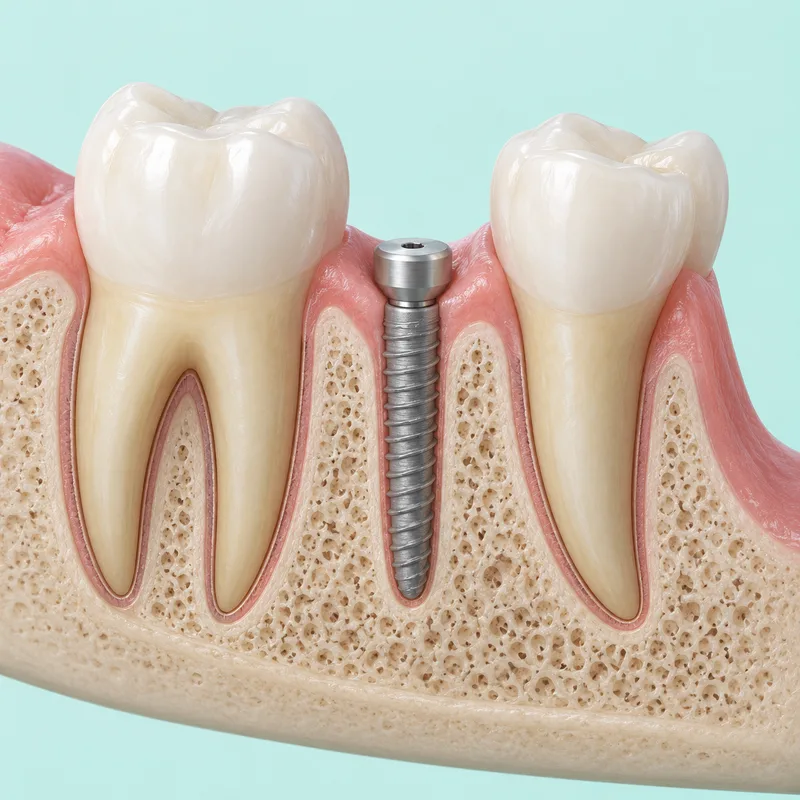
Understand when a narrower implant may be considered for limited width in the jawbone supporting teeth or a narrow tooth gap, and weigh its possible space advantage against fracture risk and restoration design.
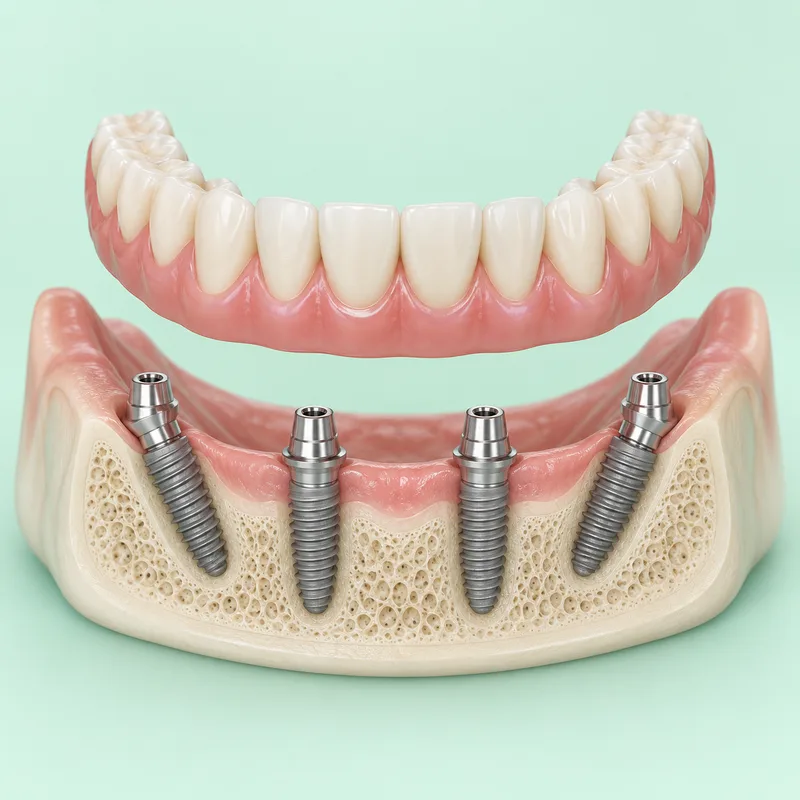
See why a full-arch fixed restoration may use tilted posterior implants, how the whole prosthesis shapes planning, and what alternatives and trade-offs to discuss.
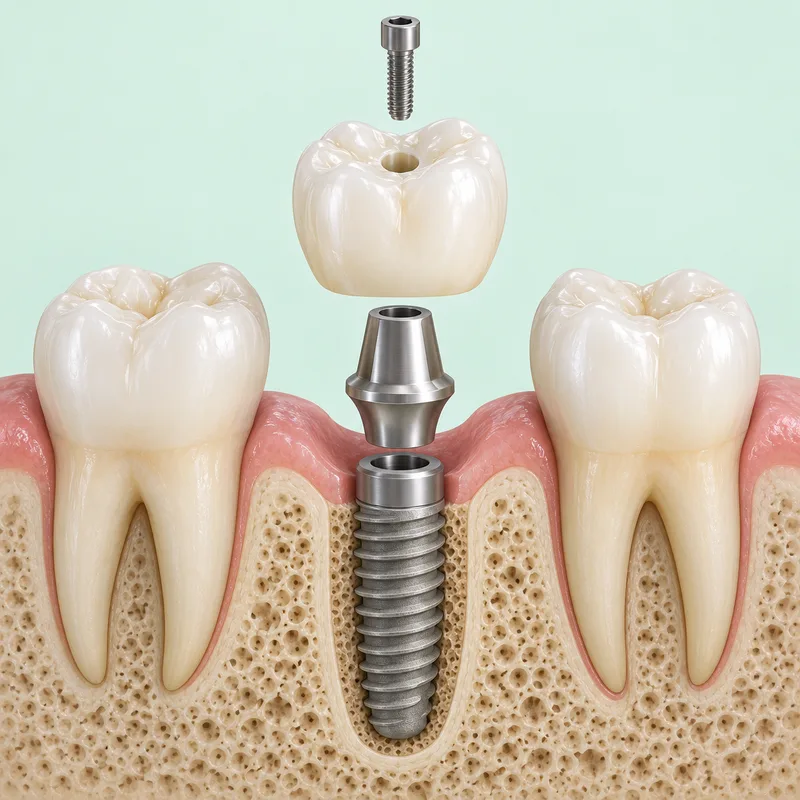
Learn how a screw-retained fixed implant restoration is attached, how it compares with cement retention, and why access, fit and maintenance matter after the restorative plan is chosen.
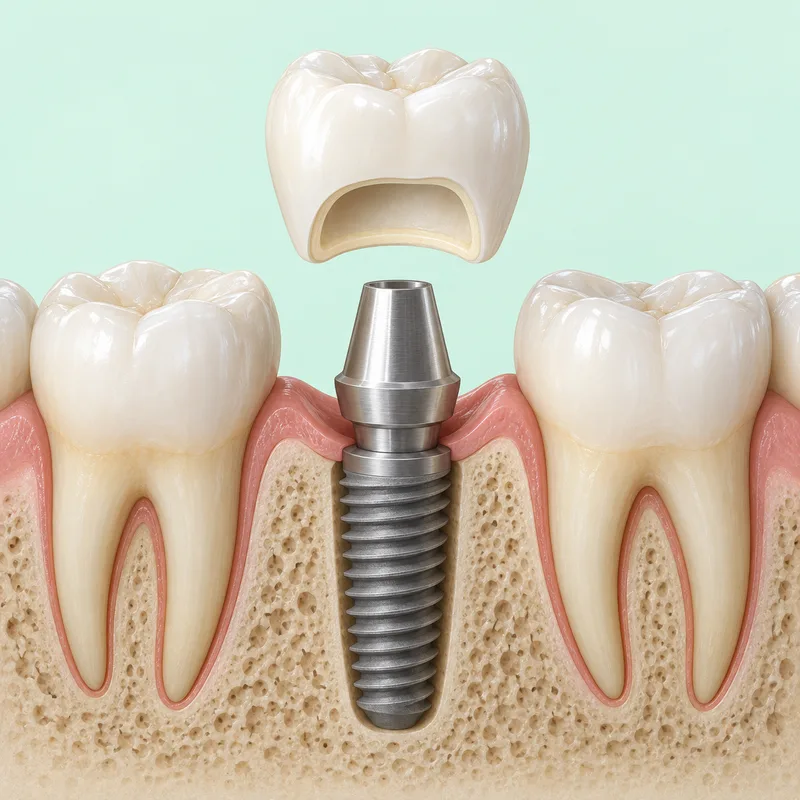
Learn how a cement-retained fixed implant restoration is attached, why screw-access position and accessible margins matter, and how excess cement and hygiene are managed.
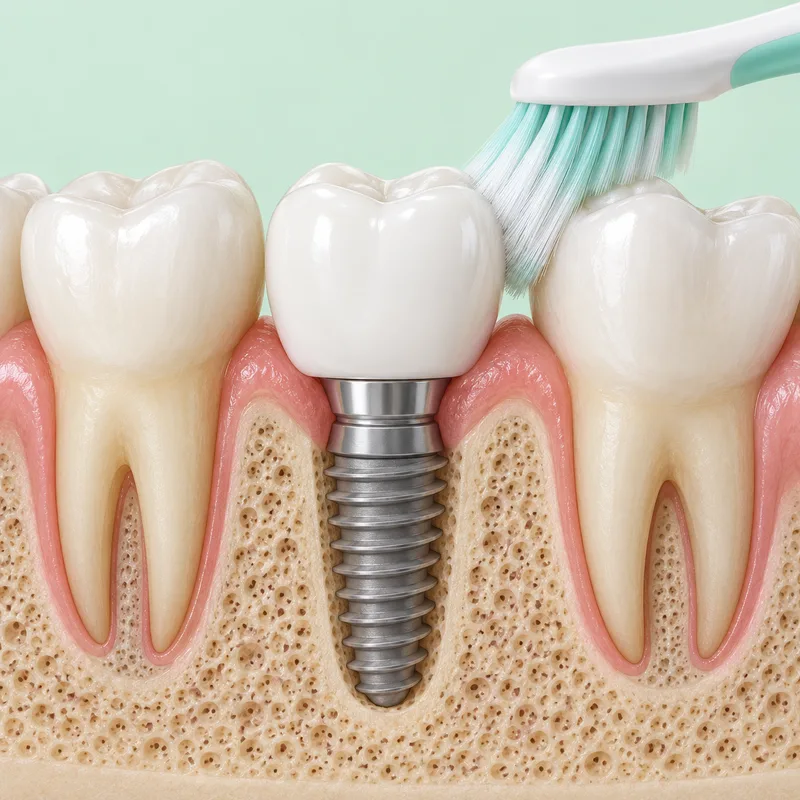
Learn how ongoing reviews check an existing implant-supported replacement and the tissues around it, how fixed and removable designs need different care, and which signs merit assessment.
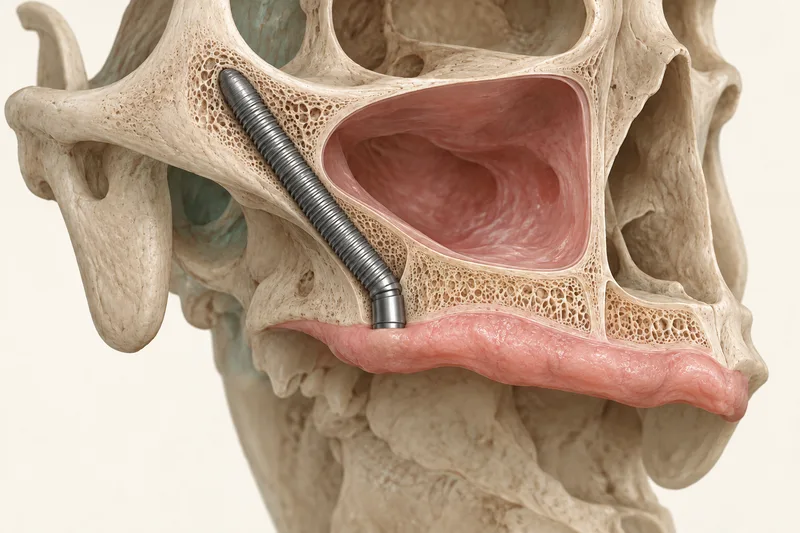
When cheekbone-anchored implants may be discussed for a severely deficient upper jaw, what specialist planning considers and which risks need explanation.
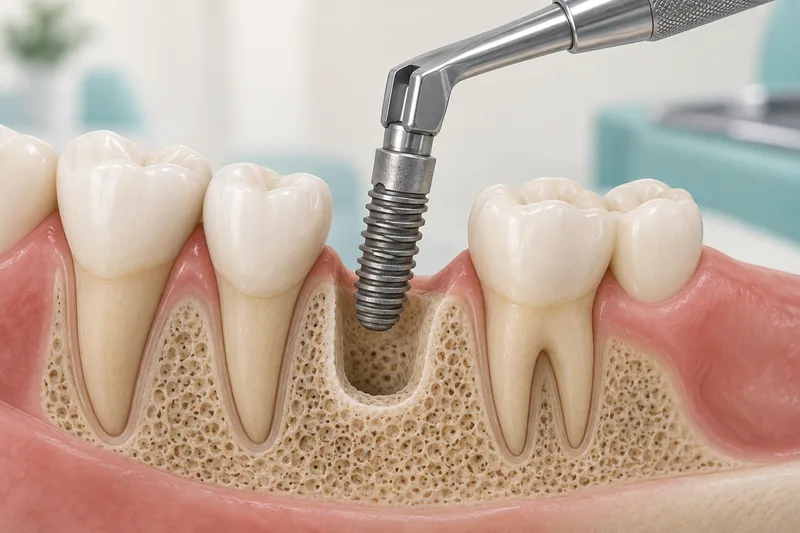
When a failed implant may need removal, why technique follows assessment of integration and anatomy, and how follow-up differs from replacement.
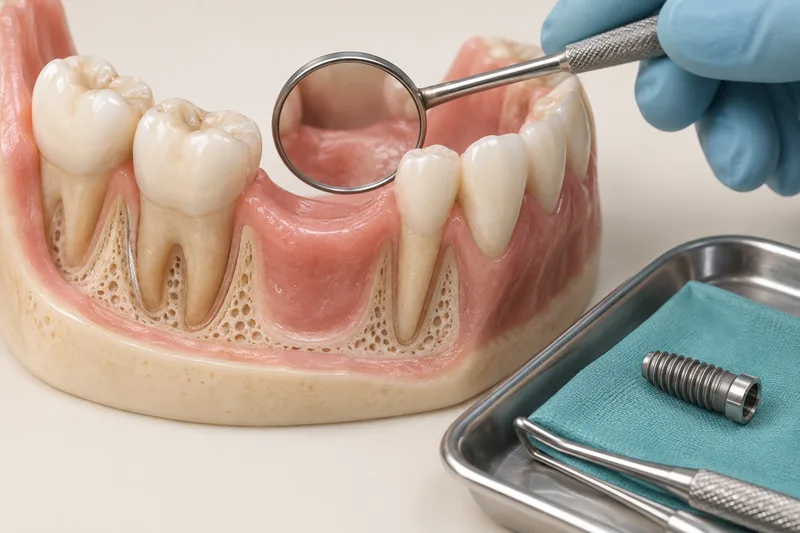
Review why an implant failed, whether the site may suit another implant, and which alternatives may suit the site and why success remains uncertain.
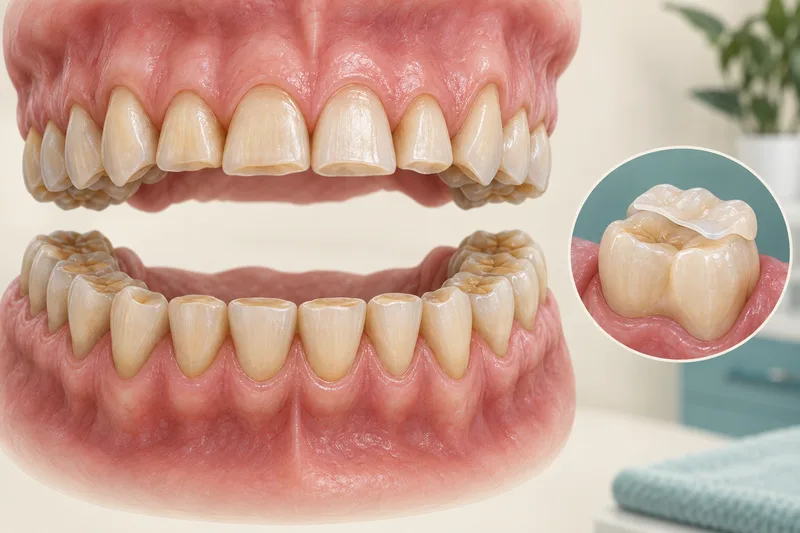
Understand when worn teeth may be monitored, how causes and remaining tooth structure shape restoration choices, and what maintenance or warning signs to discuss.
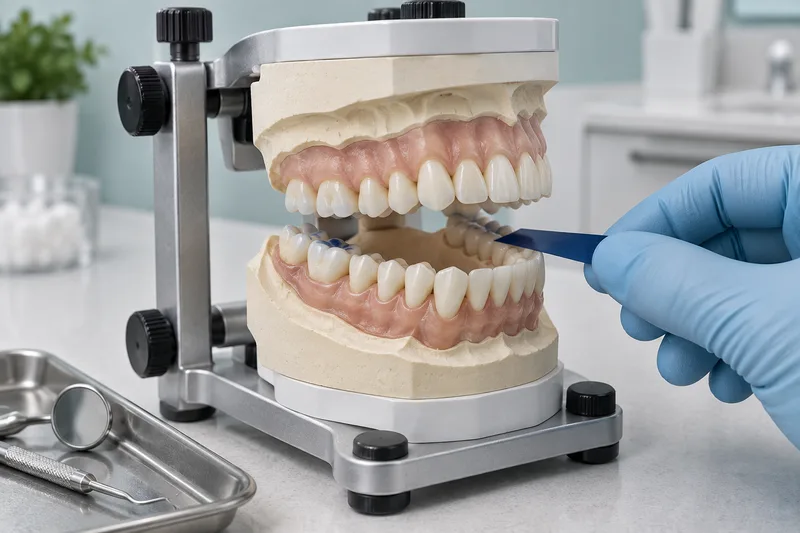
Learn what a dentist may assess when upper and lower teeth meet, how records or models can support worn-tooth planning, and what those findings cannot diagnose alone.
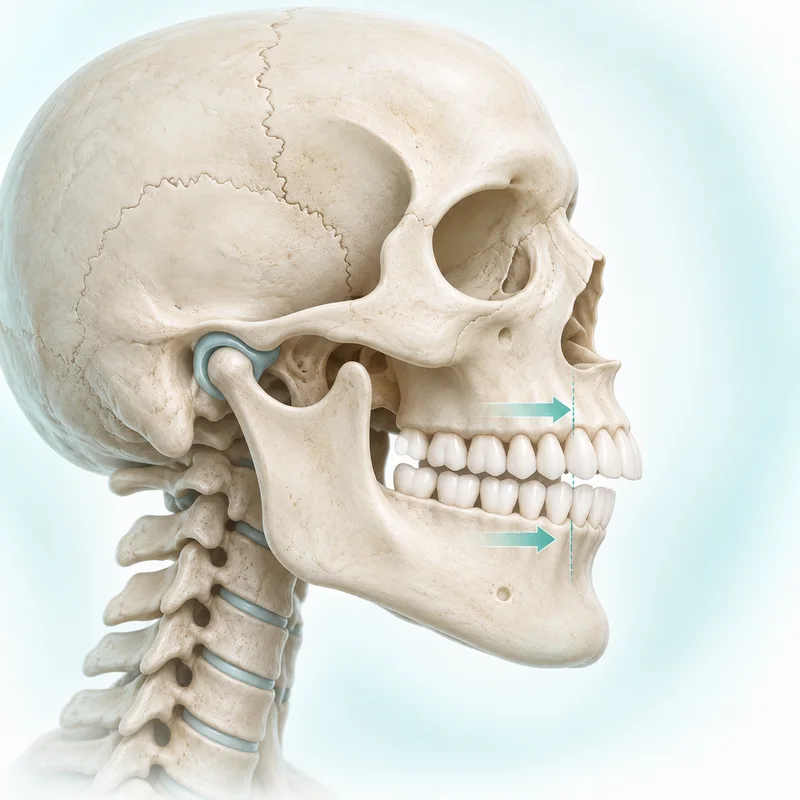
Assessment of jaw alignment and bite problems, with coordinated orthodontic and surgical planning where appropriate.
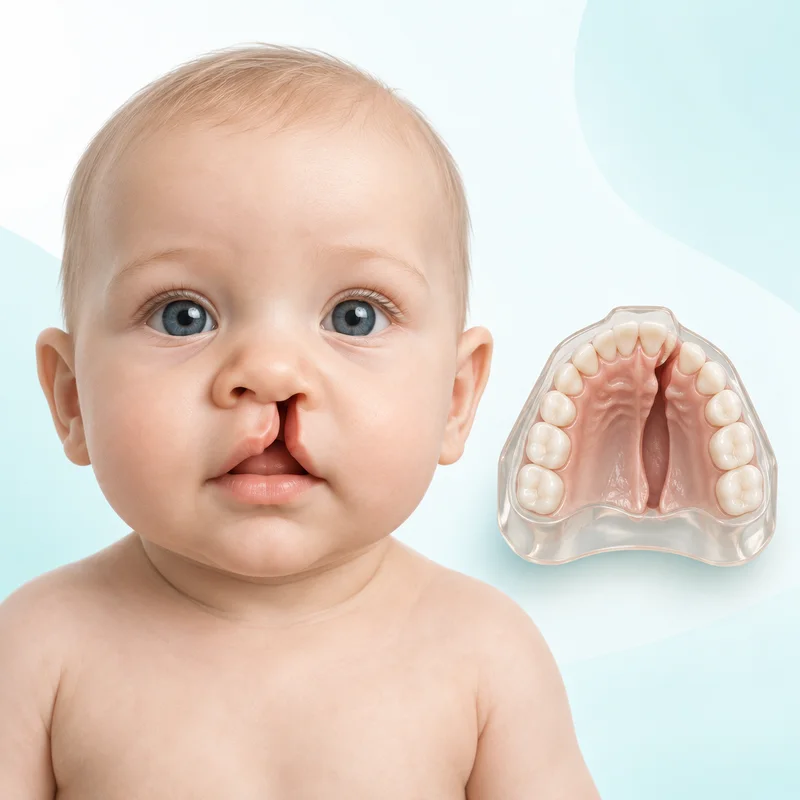
Surgical consultation for cleft lip and palate, with attention to feeding, speech, dental development and continuing care.
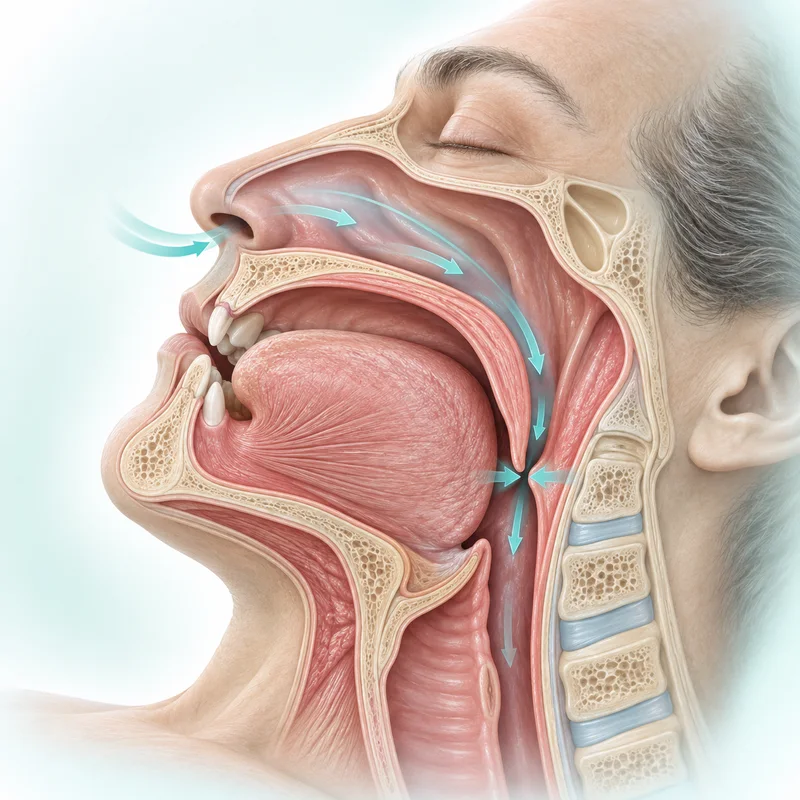
Assessment of selected surgical options for diagnosed obstructive sleep apnoea, alongside sleep testing and non-surgical treatments.
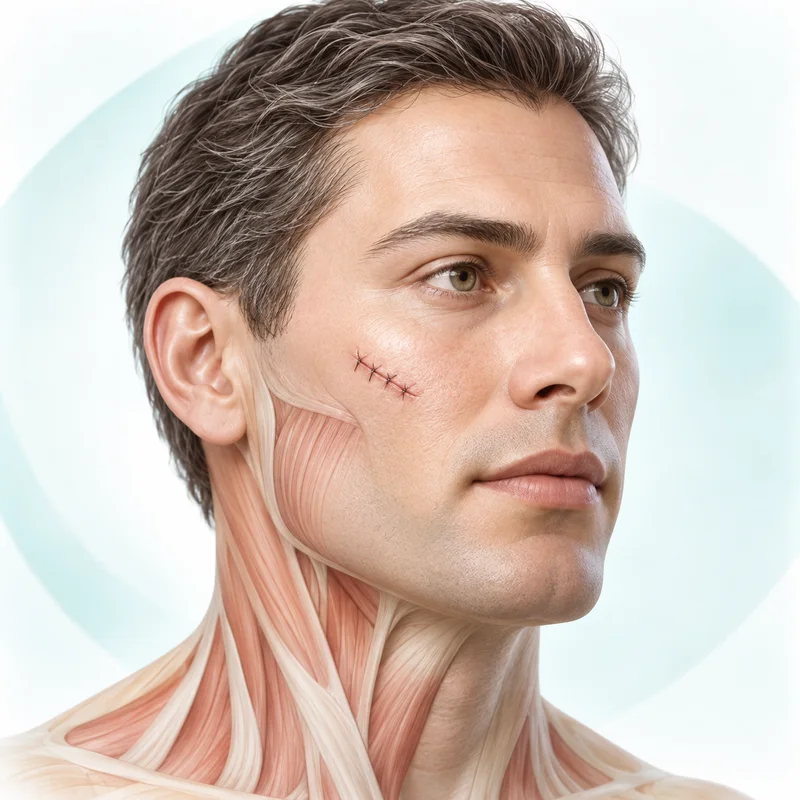
Assessment of facial cuts, wound closure and deeper injury concerns with Dr. Supreet, with hospital-first guidance for serious trauma.
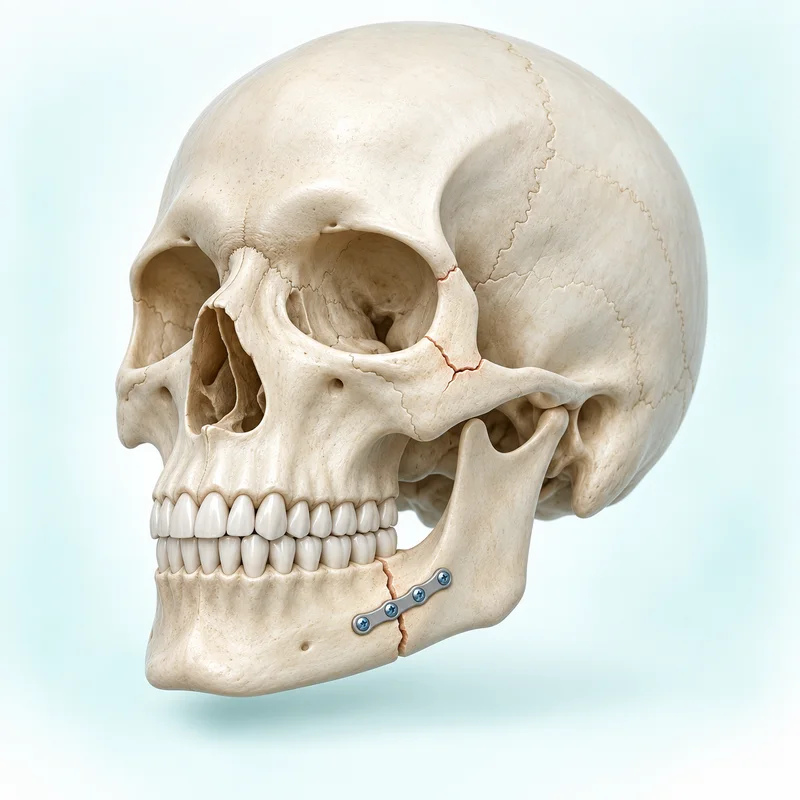
One guide to cheekbone, nose, eye-socket, upper-jaw and lower-jaw fractures: assessment, observation, fixation and recovery planning.
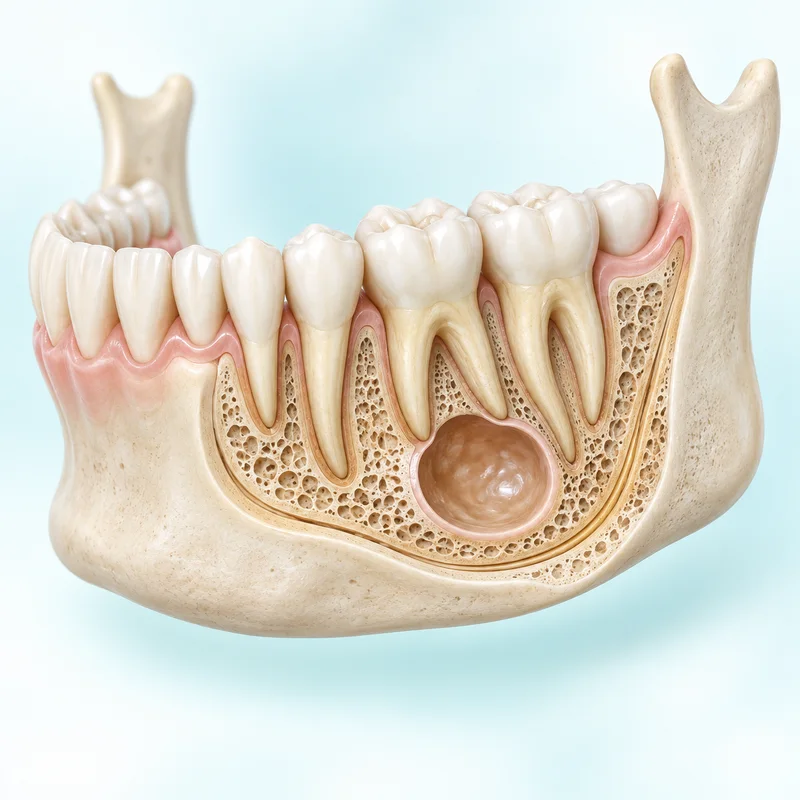
Diagnosis-led assessment of jaw cysts and tumours, with biopsy decisions, treatment choices and follow-up explained.
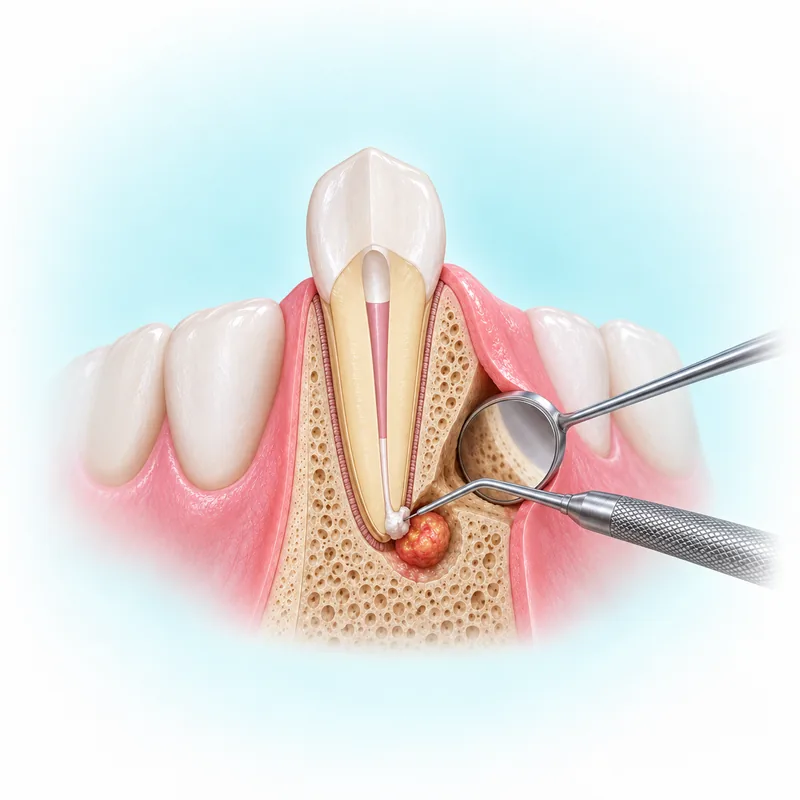
Understand how root-end surgery differs from nonsurgical retreatment, when either may be discussed for persistent inflammation and what tooth-retention limits and aftercare matter.
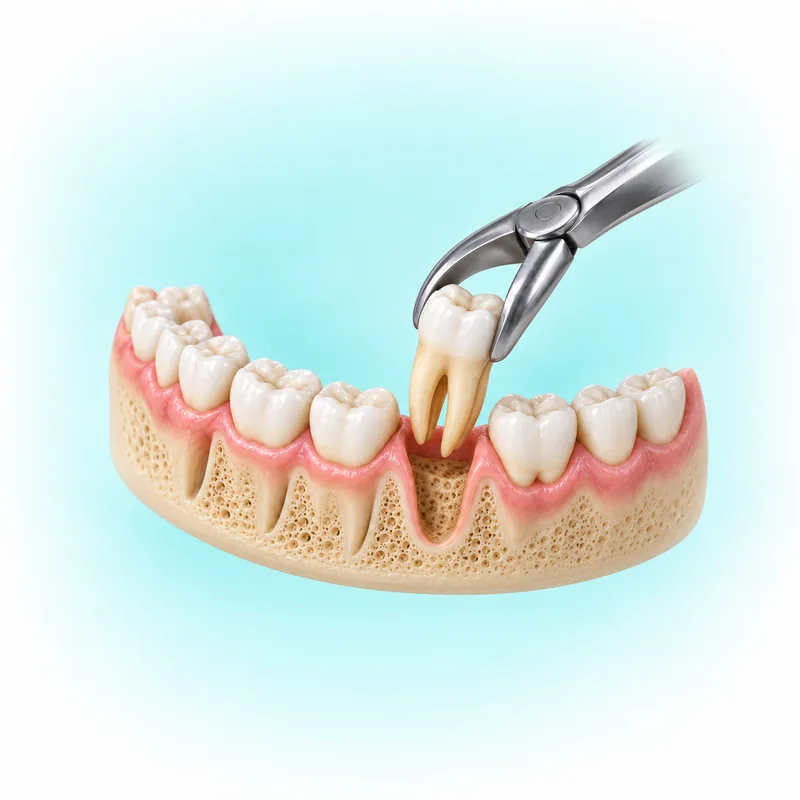
Understand when a tooth may need surgical access, which preservation options to discuss first, what the procedure can involve and which site-specific risks and warning signs matter.
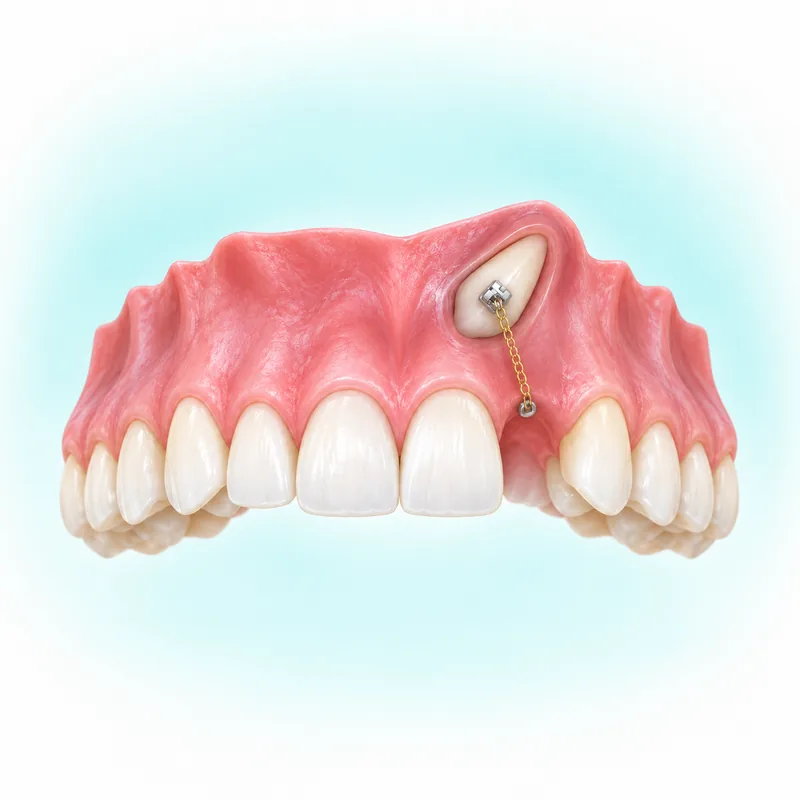
Compare monitoring, exposure with orthodontic alignment and removal for an impacted canine, with upper- and lower-jaw differences, risks and aftercare explained.
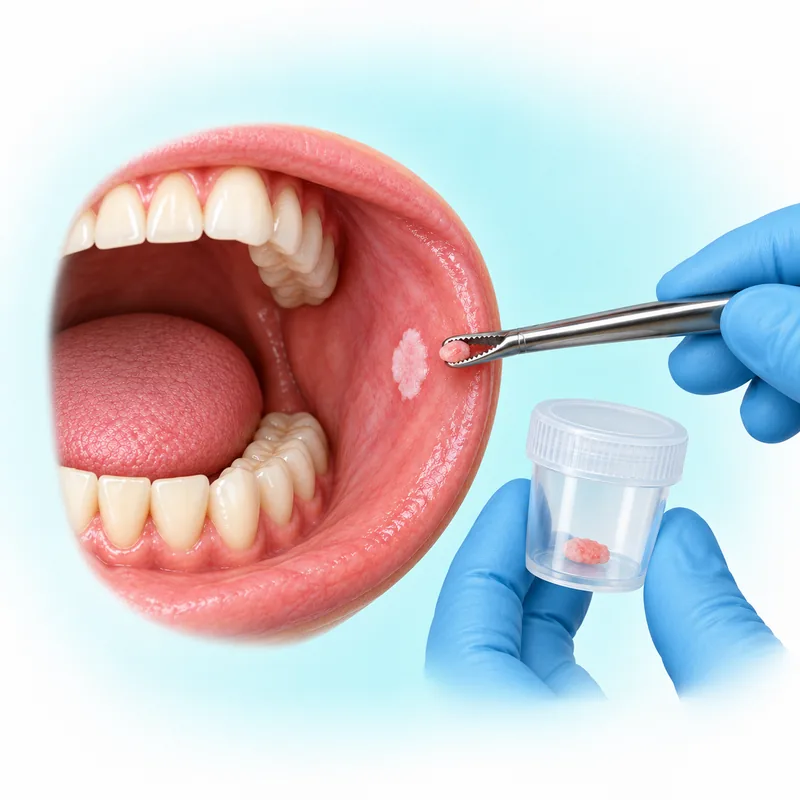
Understand tissue sampling, partial versus complete biopsy, site-specific care and how the result guides the next step.
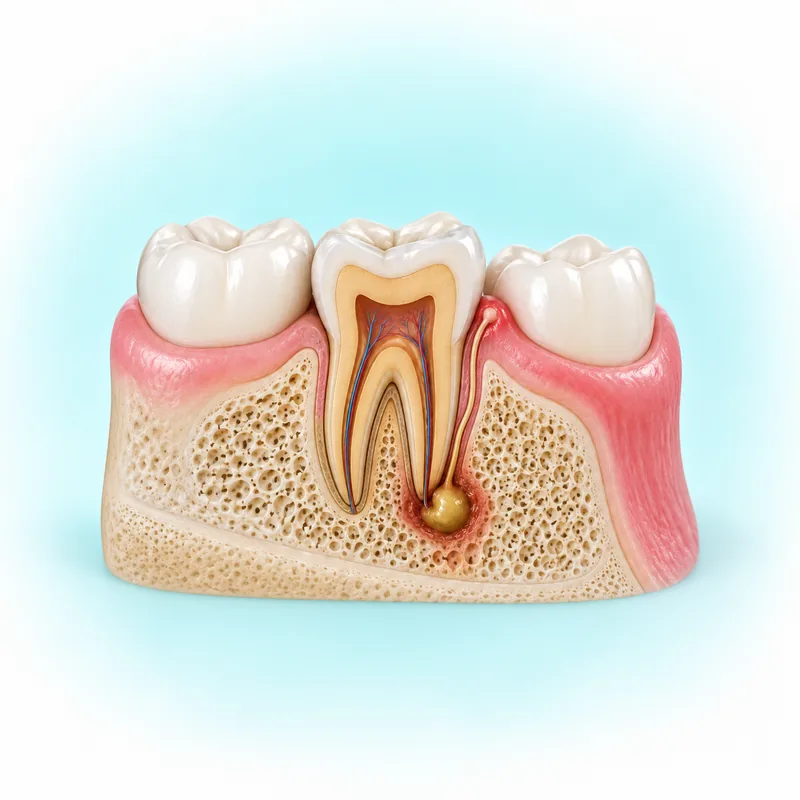
Urgent assessment for dental infection, appropriate drainage, causative-tooth treatment and emergency warning signs.
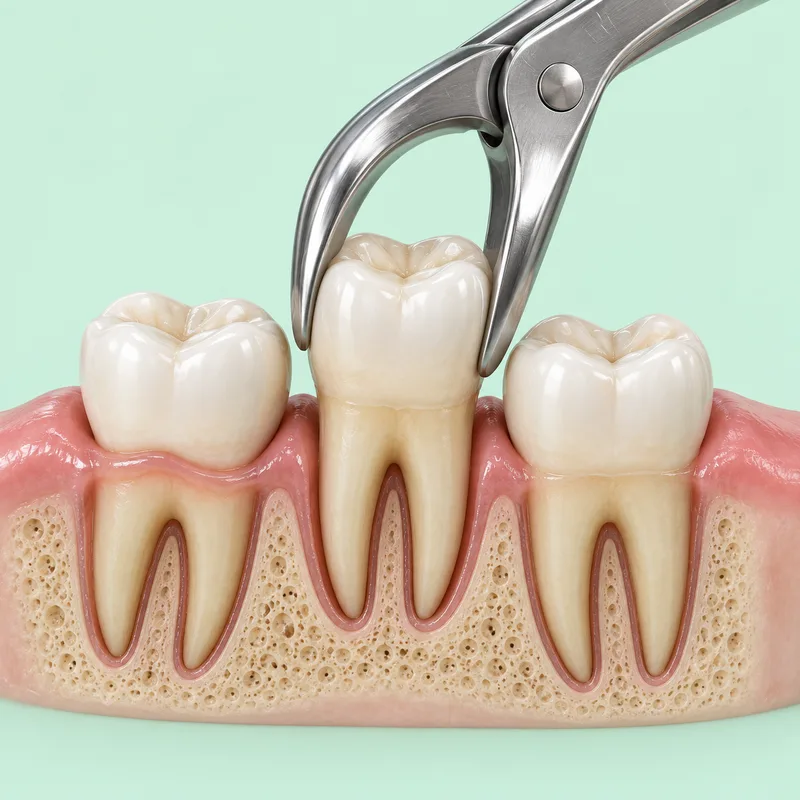
Learn what simple tooth removal involves, when a tooth may still be preserved, and why assessment can change the plan.
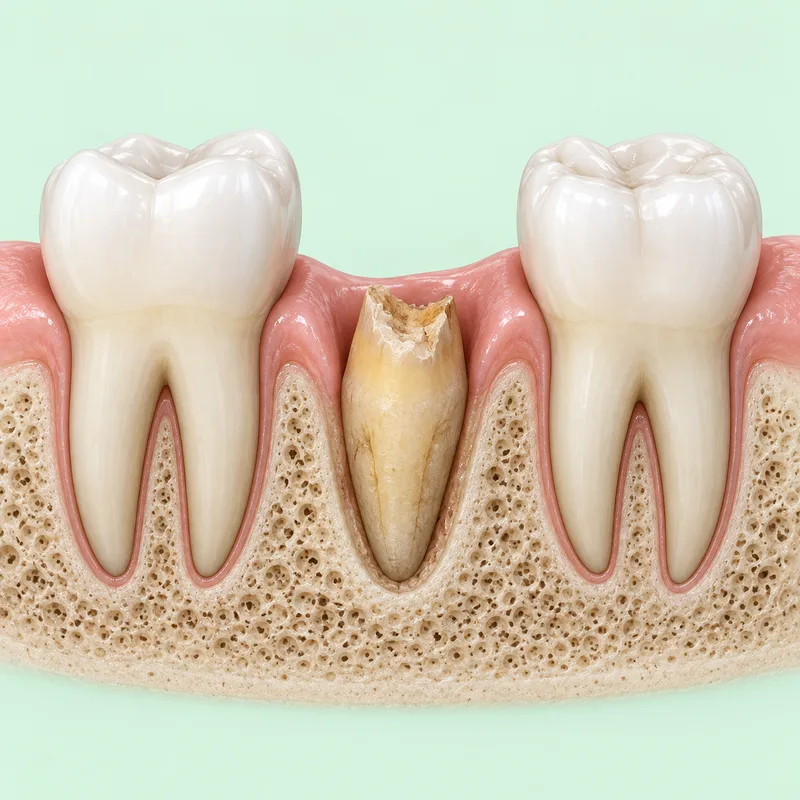
Understand when a broken or hidden root may need removal, how anatomy affects the decision, and why a planned coronectomy is different.
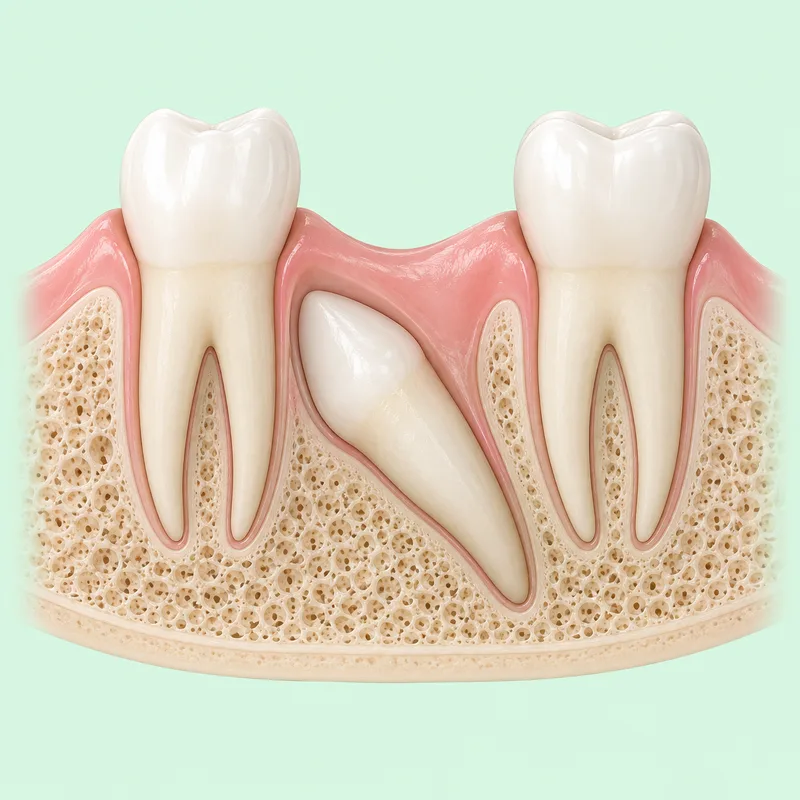
Compare assessment, monitoring, orthodontic exposure and removal for an unerupted tooth, with options kept specific to its type and position.
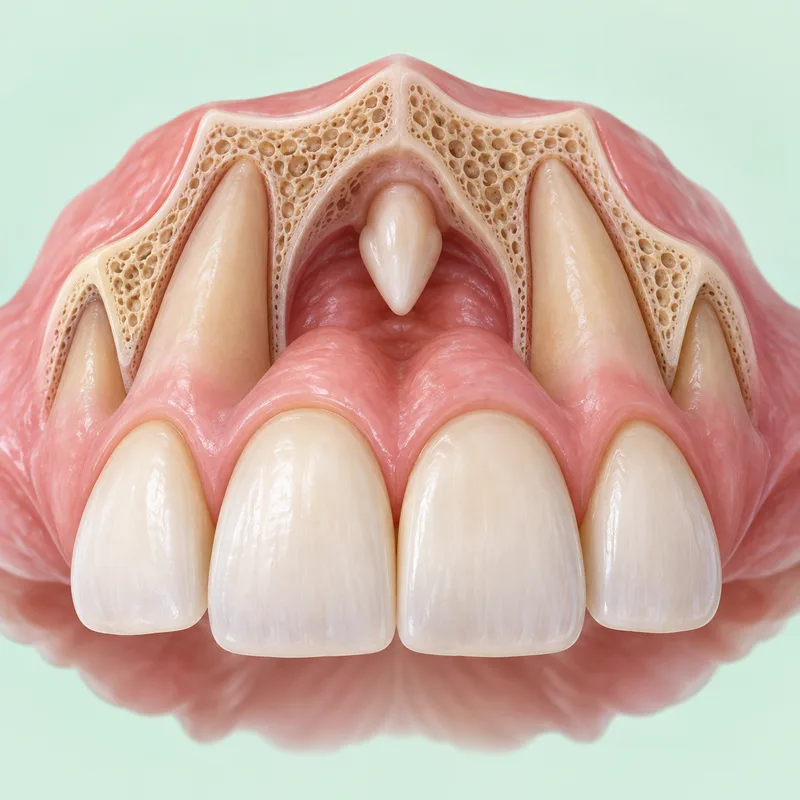
Learn how an extra tooth can affect nearby teeth, when monitoring may be reasonable, and how a removal decision is individualized.
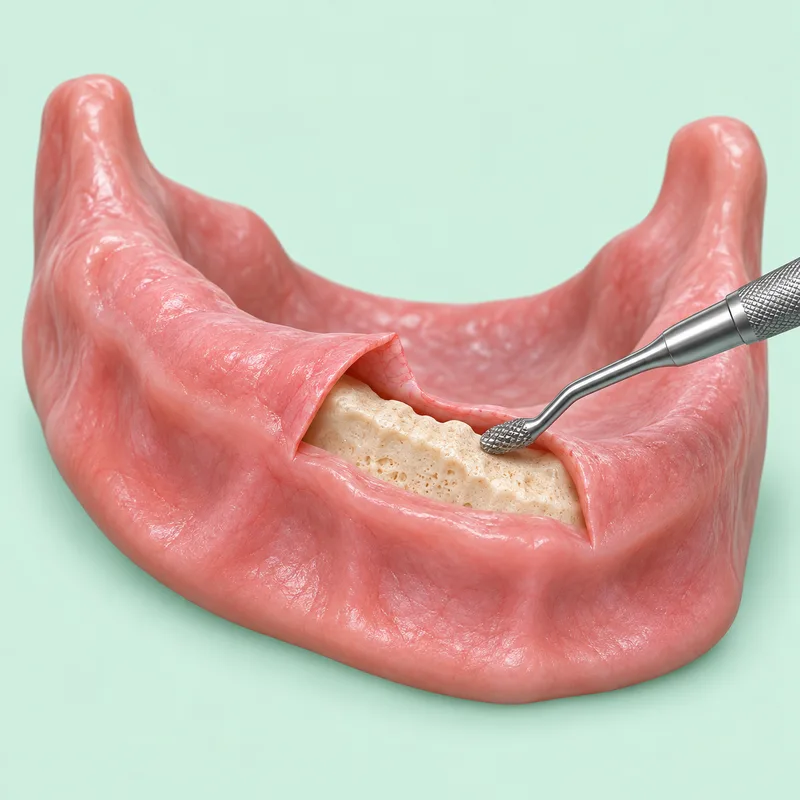
Learn when an uneven jaw ridge may interfere with a planned denture, how ridge smoothing differs from denture adjustment, and what to discuss before surgery.
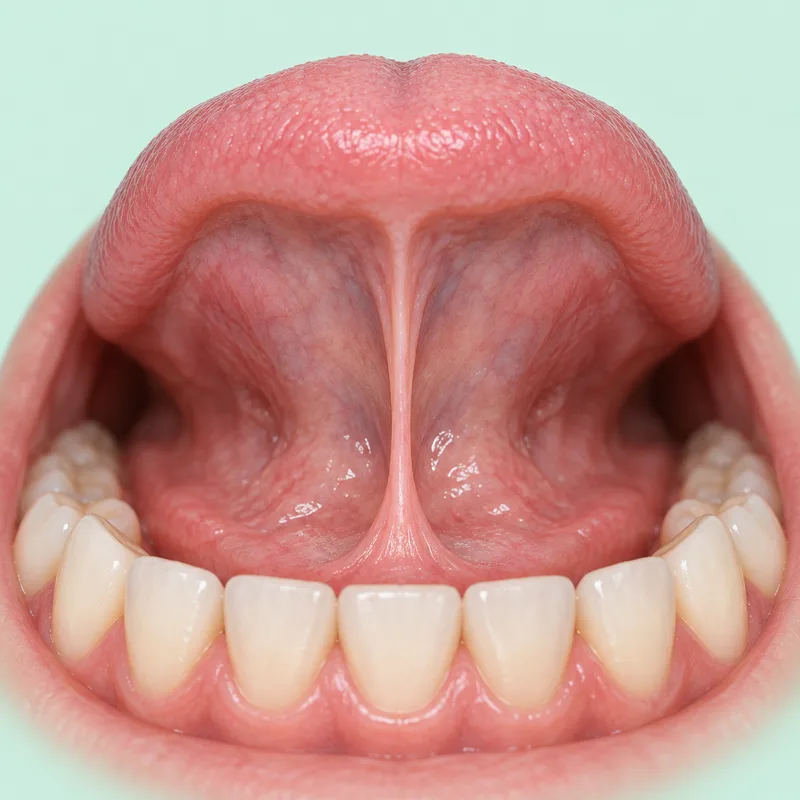
Understand what a frenectomy changes, why assessment depends on function and age, and how infant feeding, a child’s tooth gap and periodontal concerns differ.
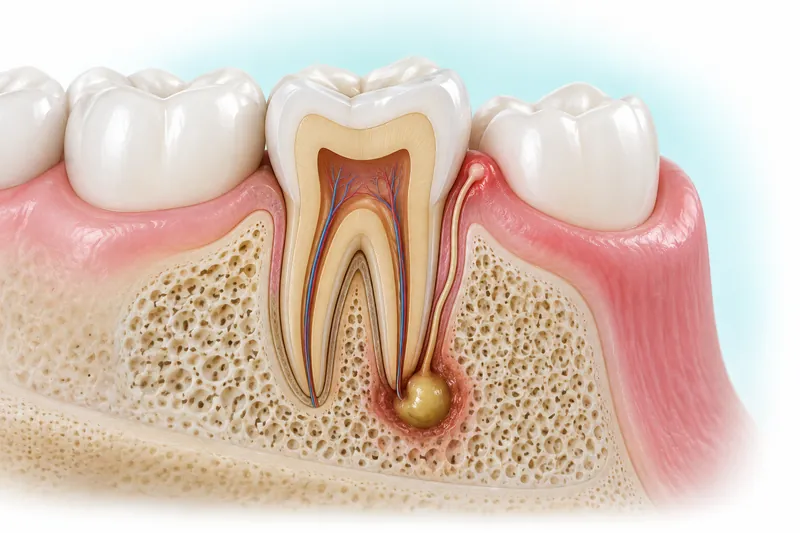
Learn why a suspected tooth-related abscess needs assessment, how drainage and treatment of the source differ, and when emergency hospital care is needed.
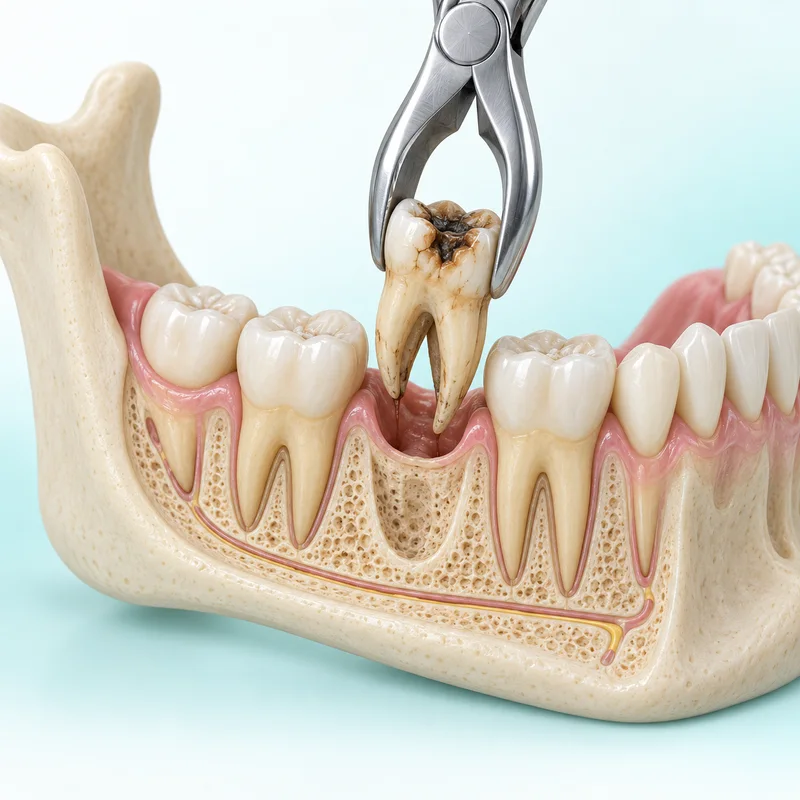
Learn what an urgent tooth assessment considers, why pain alone does not decide extraction, and what to do if an emergency warning sign appears.
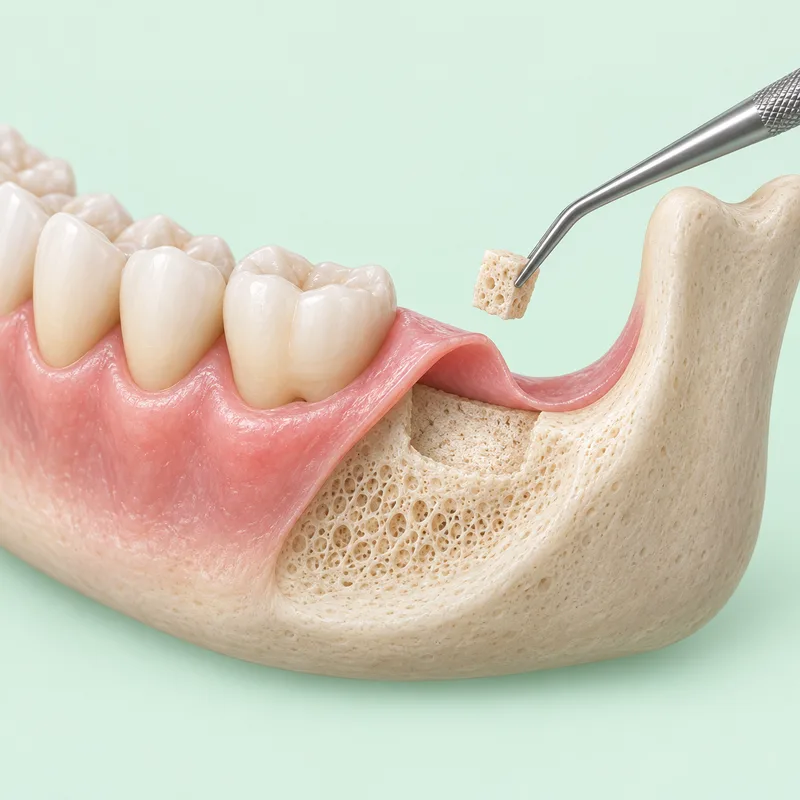
Understand when a jawbone abnormality may need tissue sampling, how imaging and the biopsy approach are chosen, and how the result guides care.
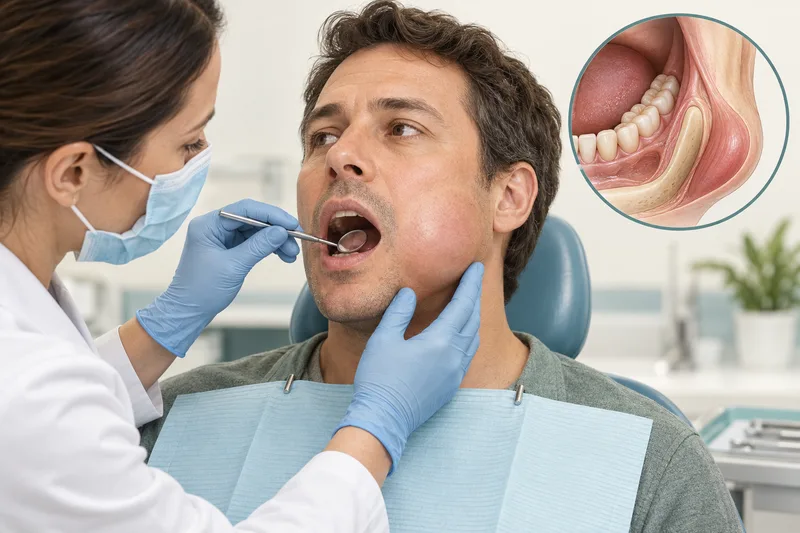
Understand when mouth or facial swelling needs emergency care and why the cause determines dental treatment or medical referral.
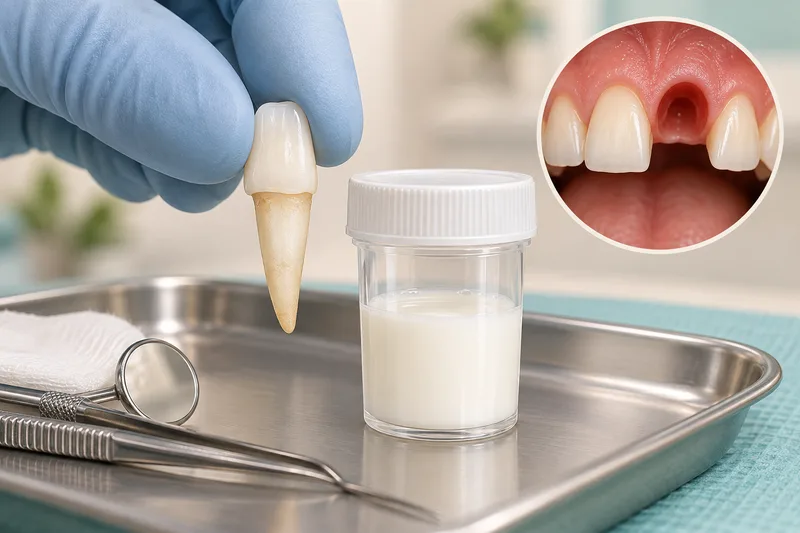
Immediate first aid for a confirmed permanent tooth, baby-tooth non-replantation and the assessment and reviews that follow.
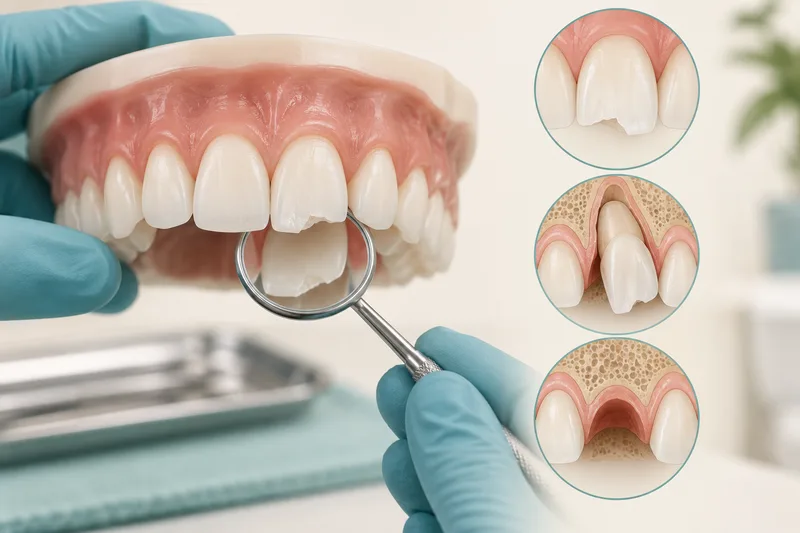
Find the right immediate care after a tooth injury, with different decisions for fractures, displacement, avulsion and baby teeth.
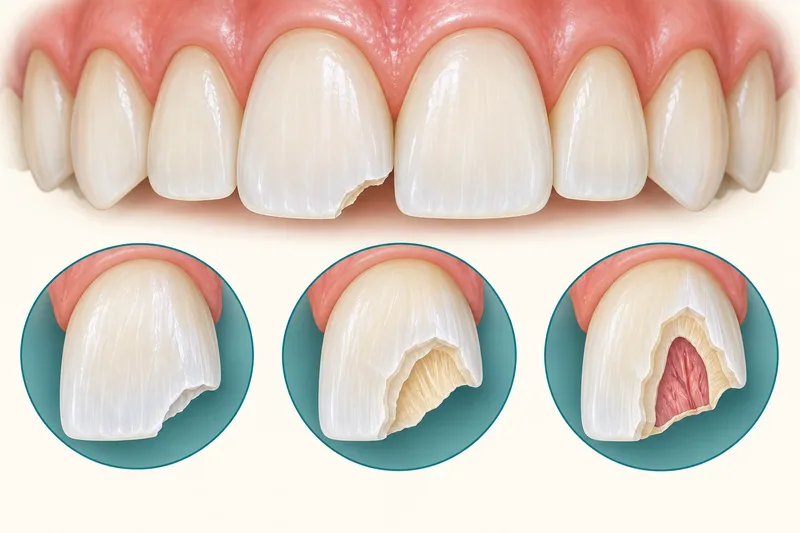
Compare a small enamel chip with a deeper crown fracture, pulp-preserving choices and the different care needed for baby teeth.
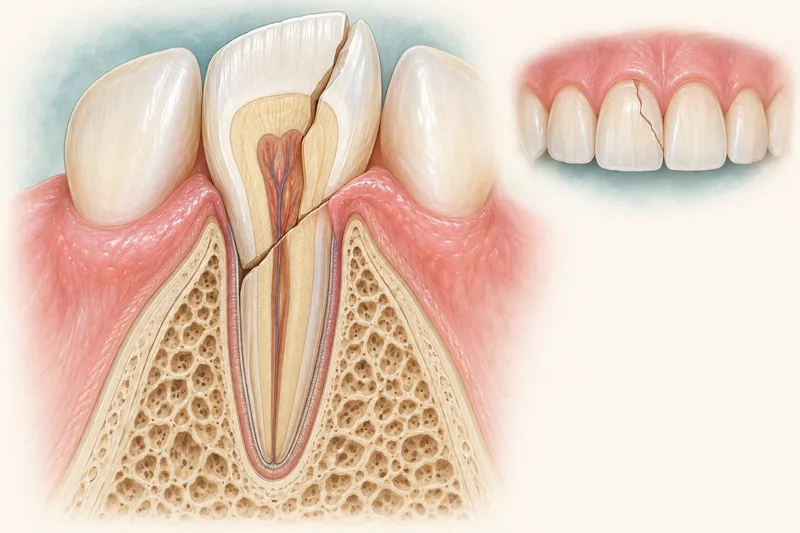
Understand a permanent tooth fracture extending below the gum and how pulp condition and remaining tooth structure affect retention.
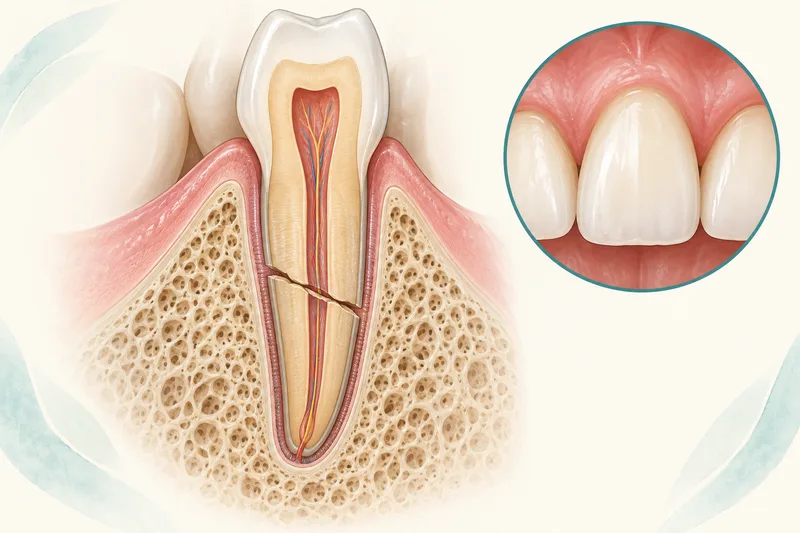
Explore assessment, selective repositioning and splinting, later pulp care and separate baby-tooth choices after a root fracture.
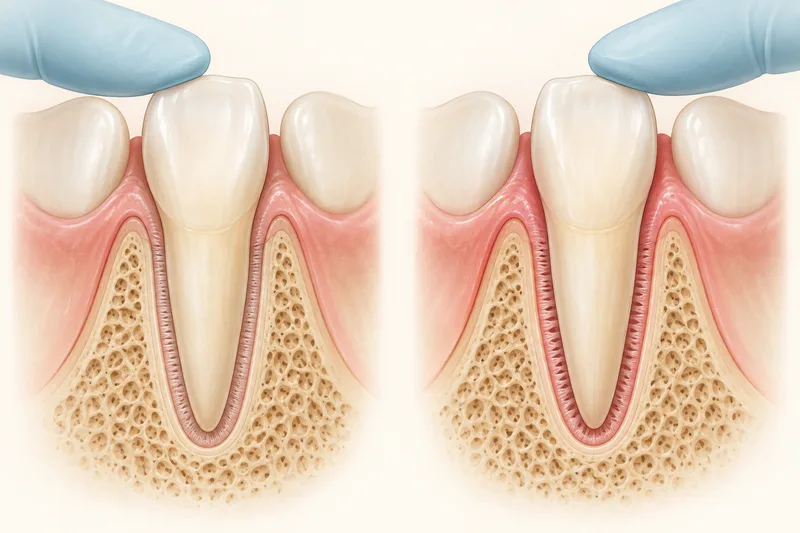
Understand an injured tooth that stays in place, when a short splint may help and why baby and permanent teeth need different reviews.
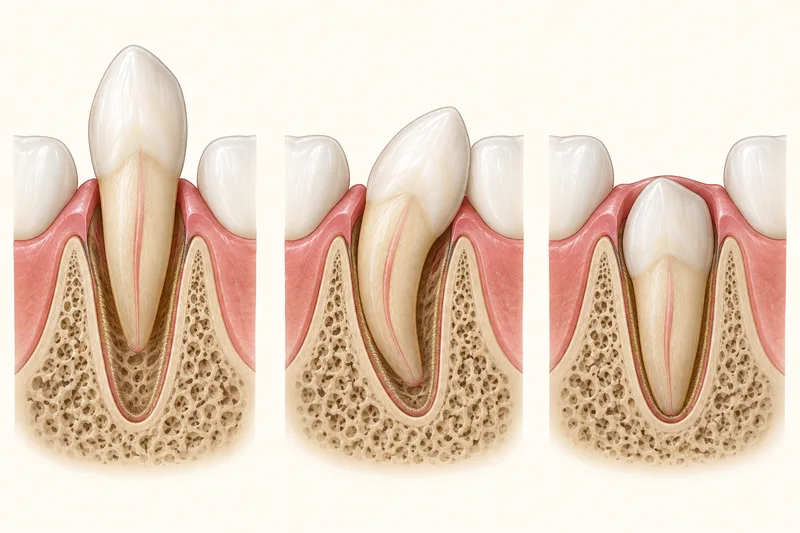
Separate outward, sideways and inward permanent-tooth displacement, with different stabilization and root-maturity decisions.
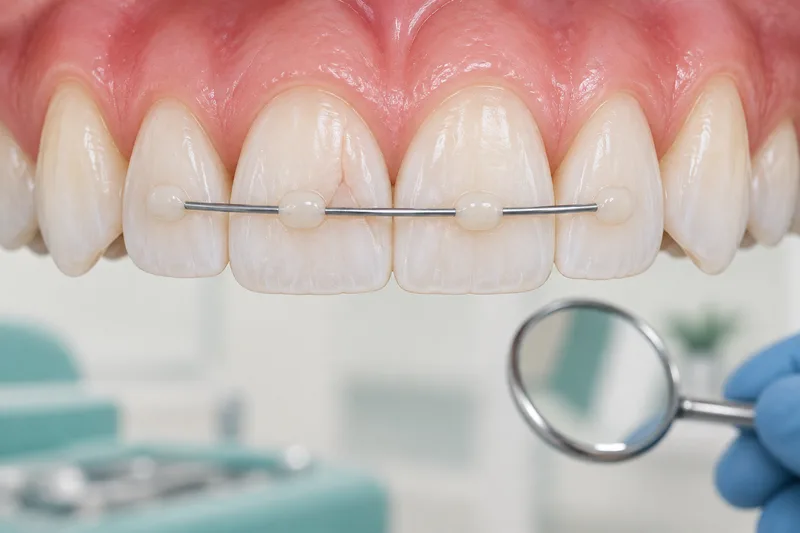
Understand temporary stabilization for selected injured permanent teeth, injury-specific duration, cleaning, reviews and warning signs.
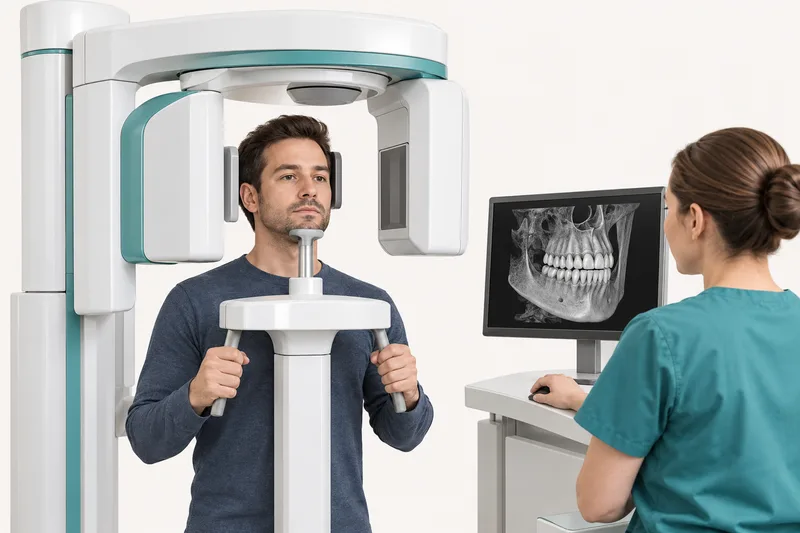
Understand when a three-dimensional dental CBCT scan may add useful information, how radiation and interpretation are handled, and what to expect during imaging.
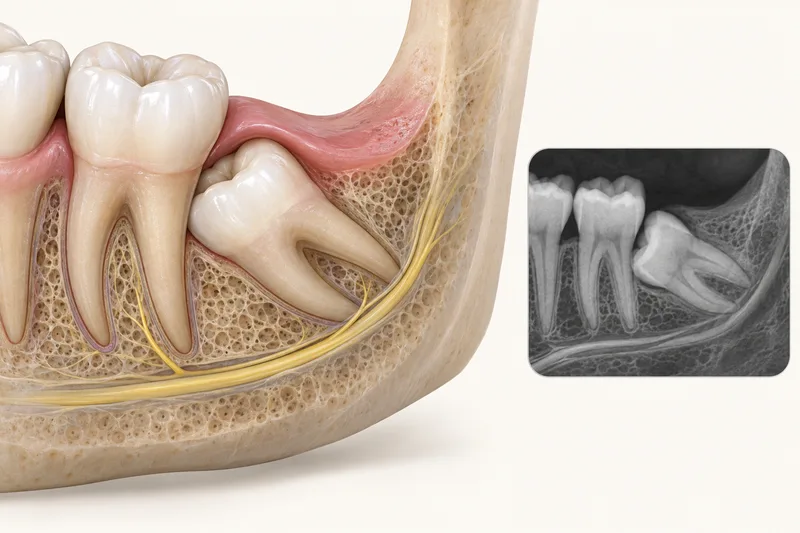
Learn how panoramic images and selected three-dimensional imaging can answer different questions about an impacted tooth, while keeping imaging separate from a treatment decision.
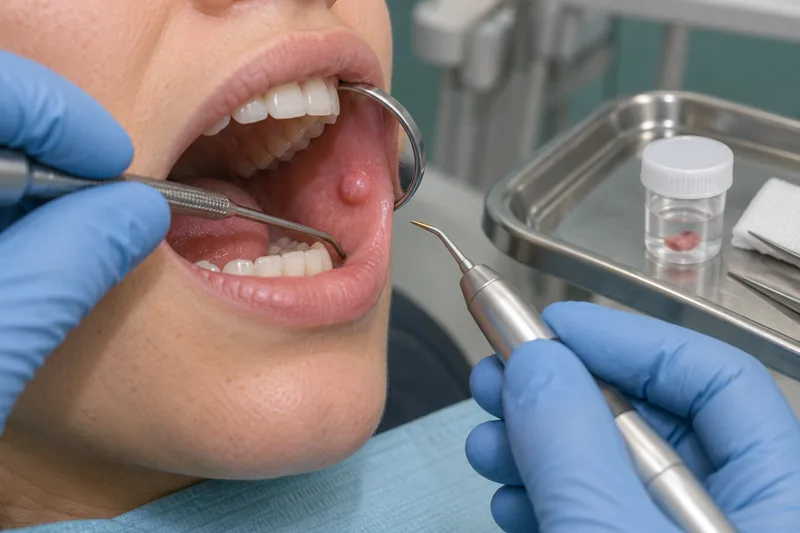
Laser soft-tissue surgery is not one operation: the diagnosis and intended procedure determine the instrument choice and care.
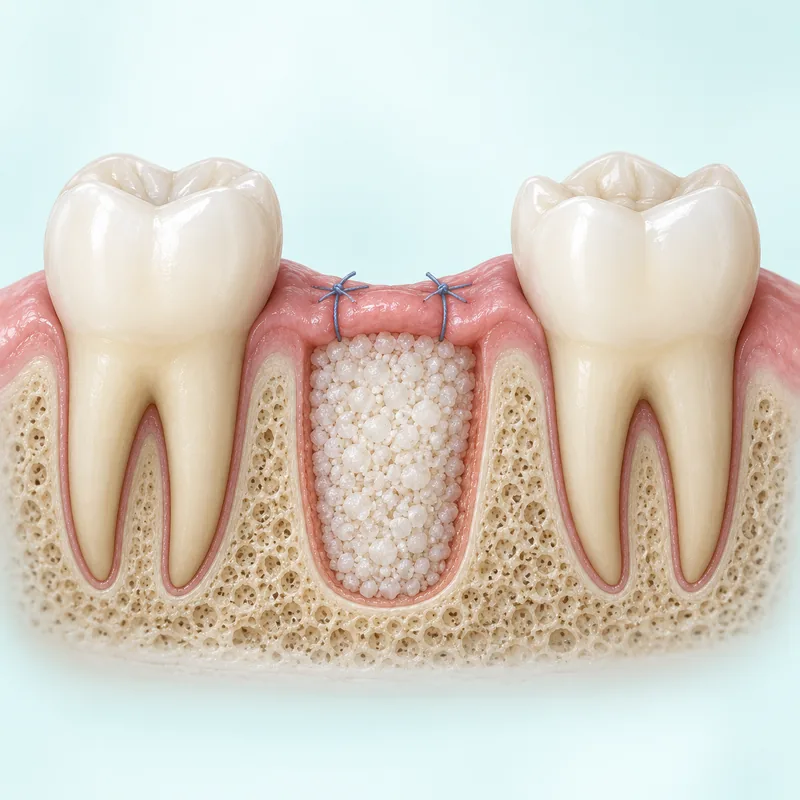
Understand how preserving a fresh extraction socket may reduce ridge change, what it cannot guarantee, and which questions to ask before later implant planning.
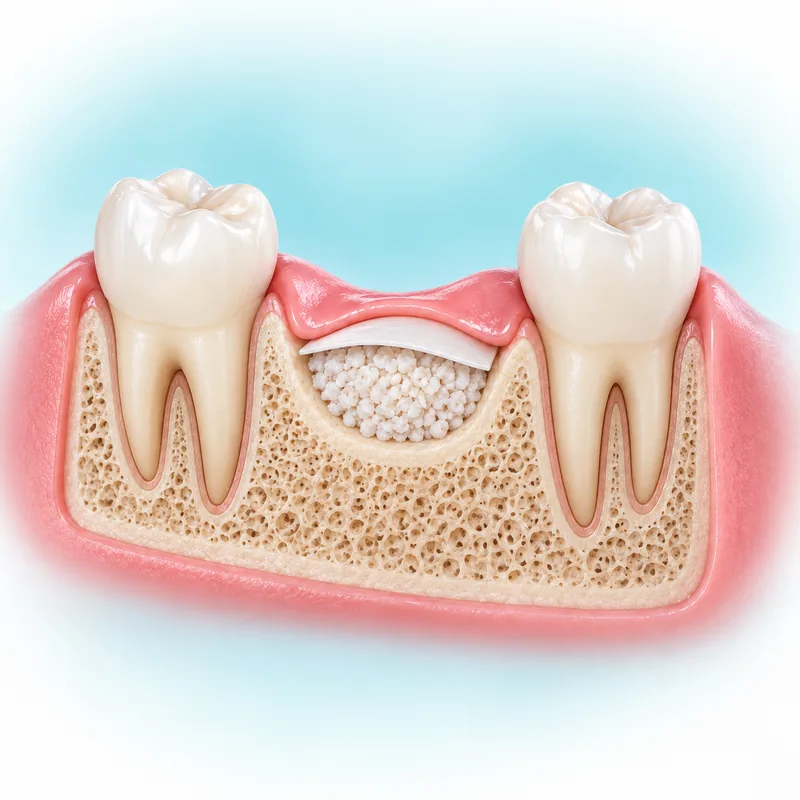
Understand how a protective barrier may help rebuild a deficient implant site, what alternatives exist and which material, healing and implant-planning questions to discuss.
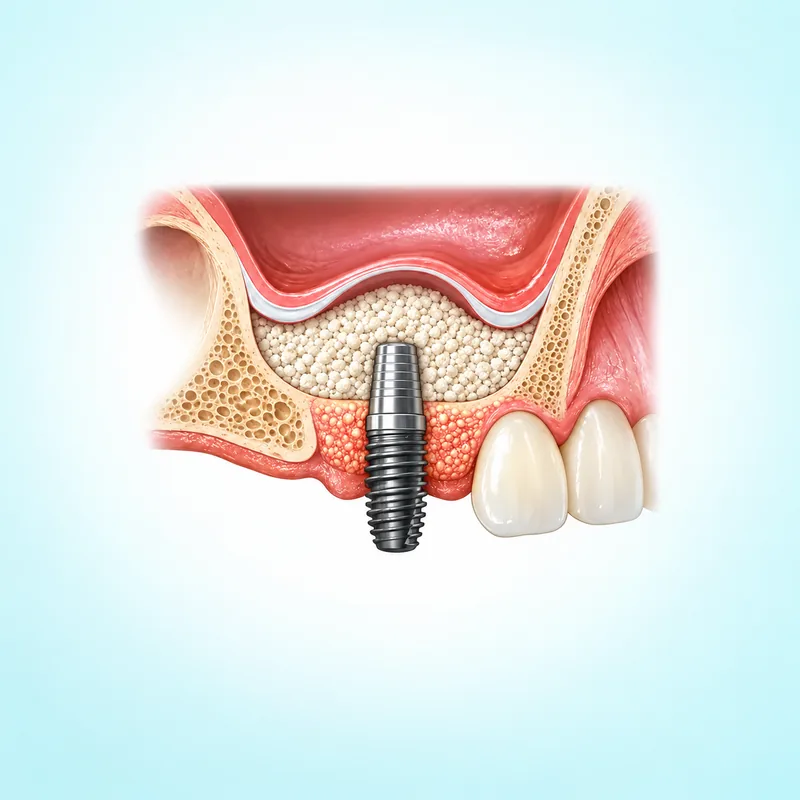
Learn when a sinus lift may help create support for an upper-jaw implant, how timing and alternatives depend on the site, and what risks and aftercare to discuss.
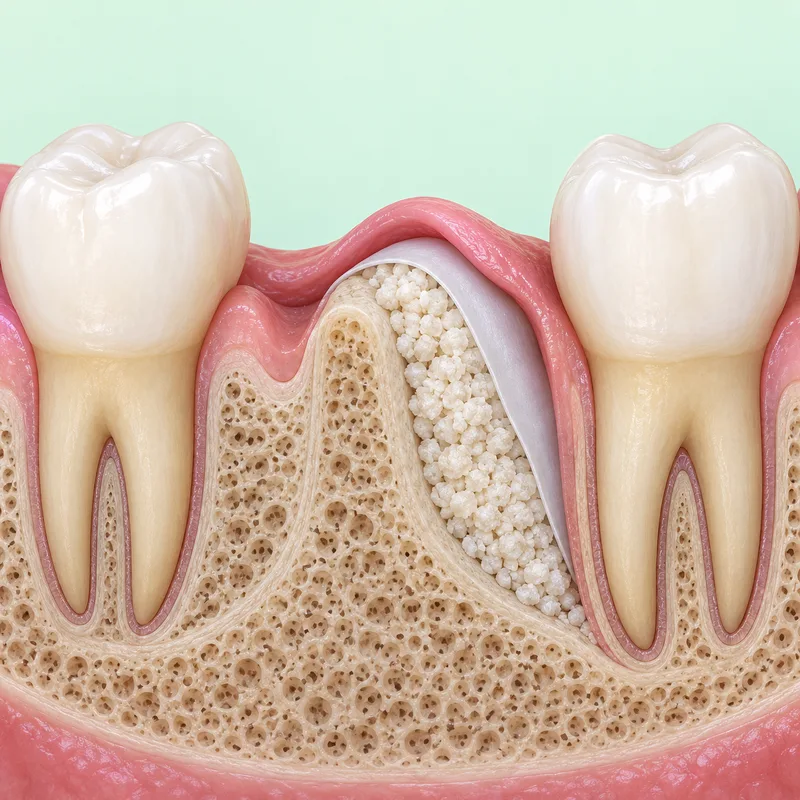
Understand how a narrow jaw ridge may affect implant position, which width-building options may be discussed and why implant timing depends on the site.
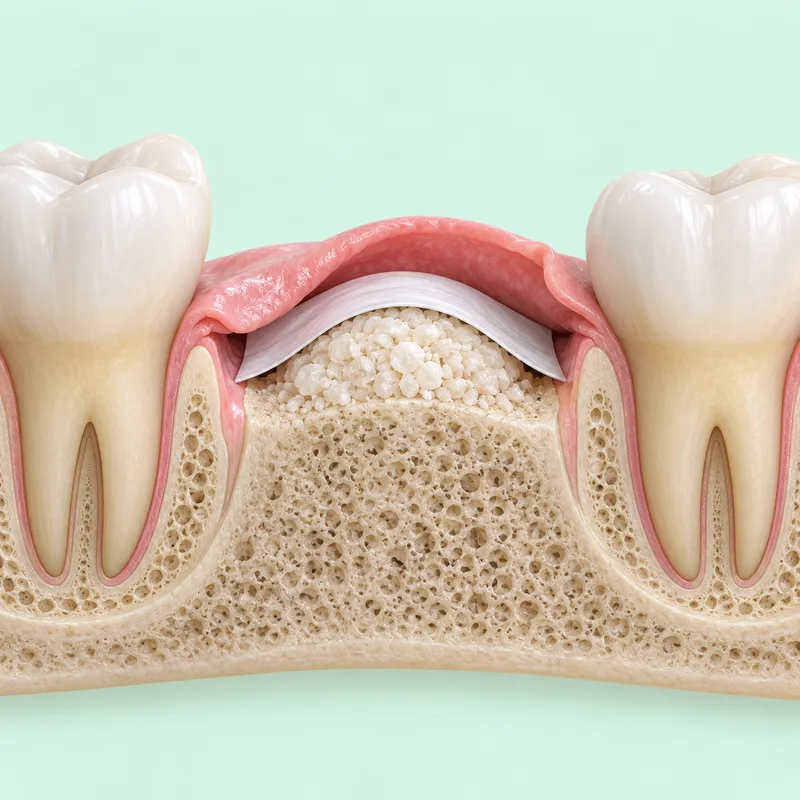
Learn how a ridge-height deficiency differs from a narrow ridge, why vertical reconstruction has added uncertainty and which alternatives belong in the discussion.
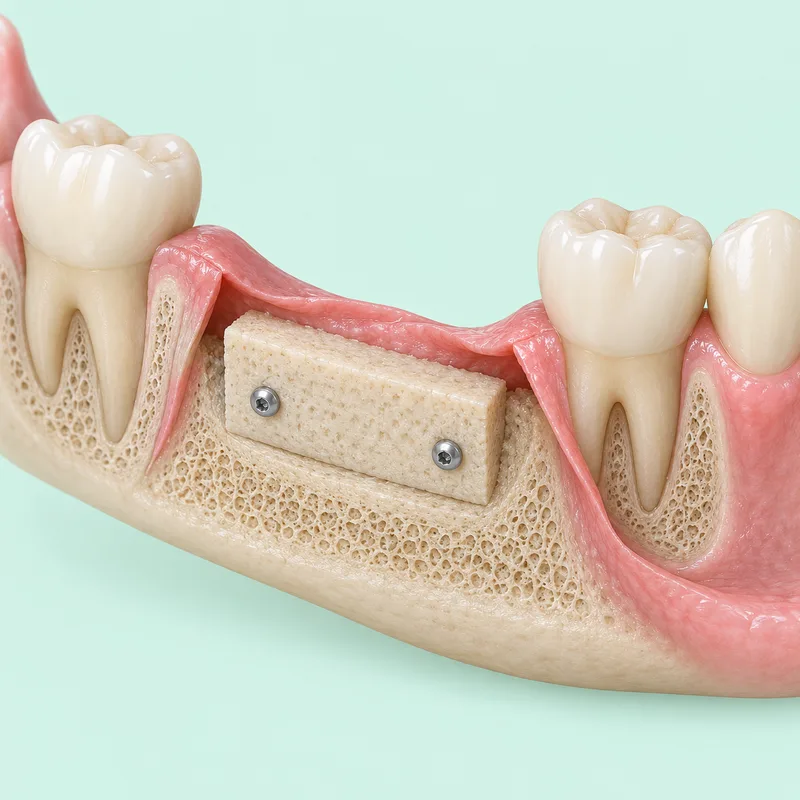
Understand when a shaped bone block may be discussed for a local ridge defect, how donor source and graft alternatives affect the choice, and what healing can and cannot ensure.
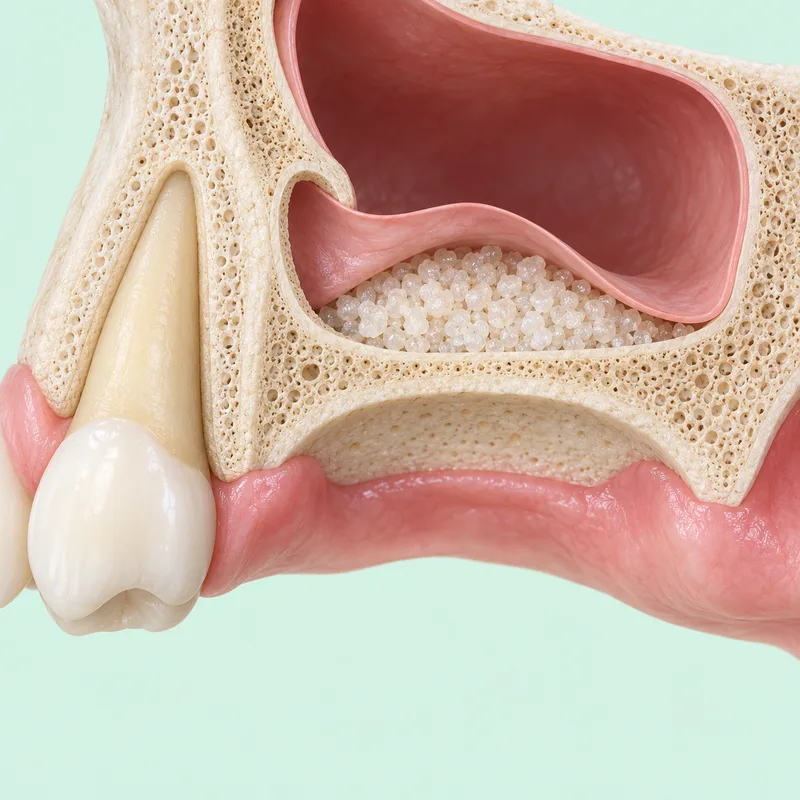
Learn how lateral-window access differs from a crestal sinus lift, when the sinus floor may be raised for an upper back-jaw implant and what staging and risks to discuss.
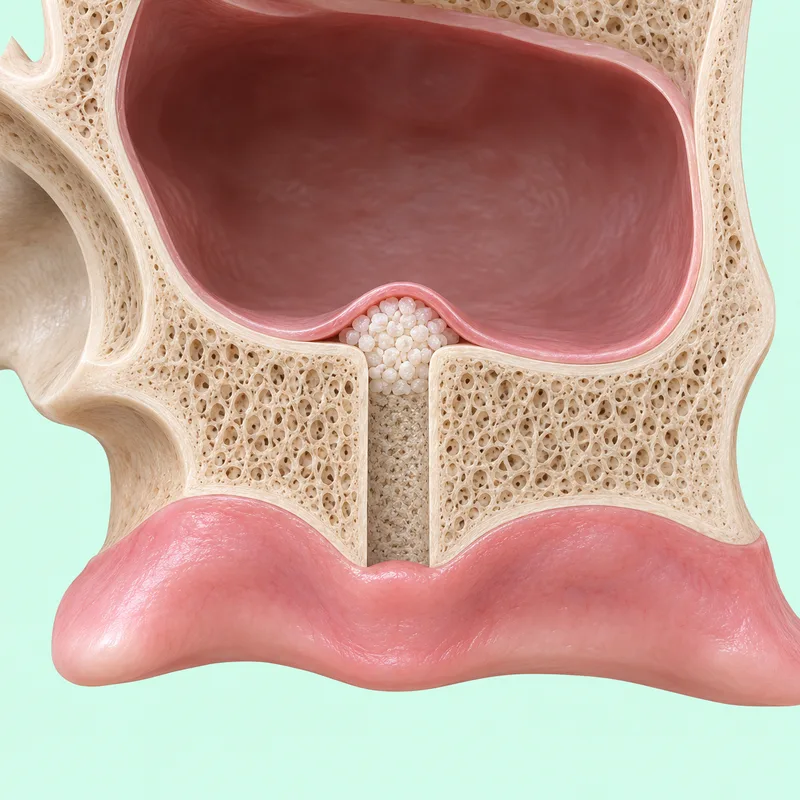
Understand how a crestal sinus lift reaches the sinus through the implant site, why some existing bone is needed and how it differs from lateral-window access.
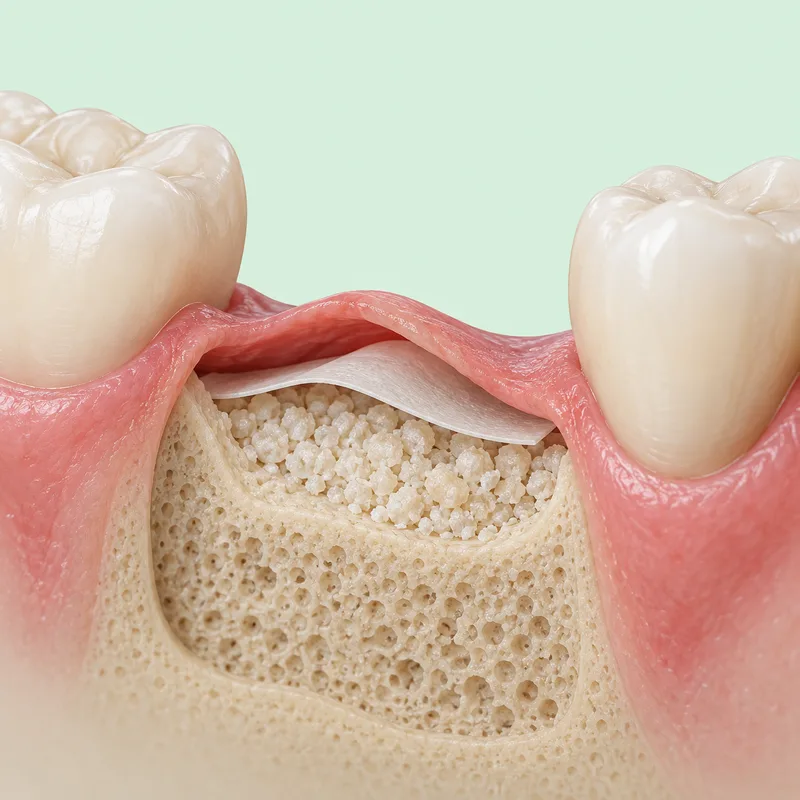
Learn what “particulate” means for an implant-site bone graft, how particles differ from a shaped block and when a membrane or another restoration may be discussed.
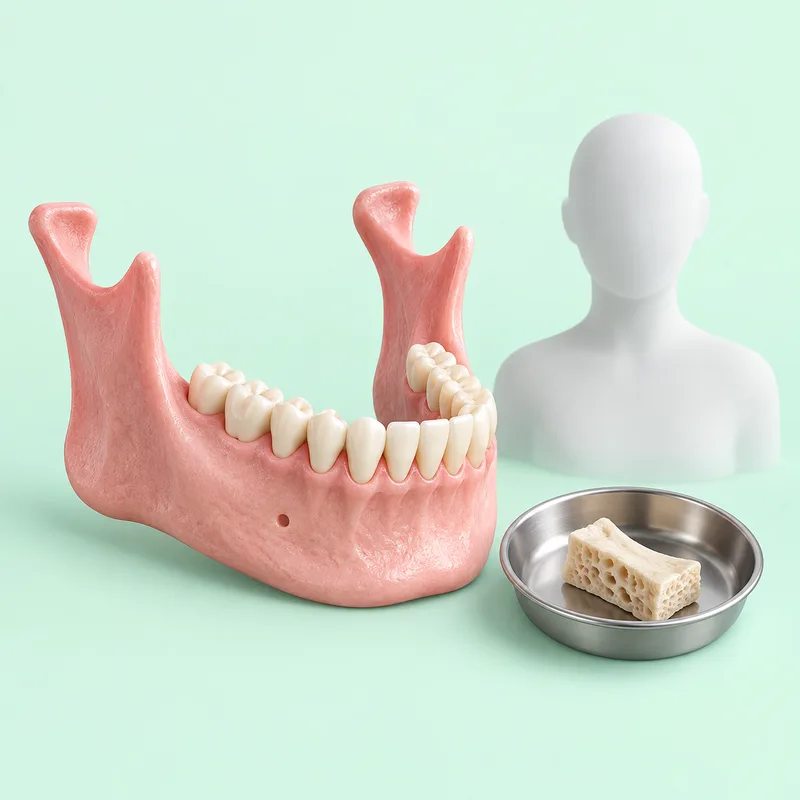
Understand what it means to use your own bone for an implant-site graft, how a donor site adds a separate procedure and what alternatives to discuss.
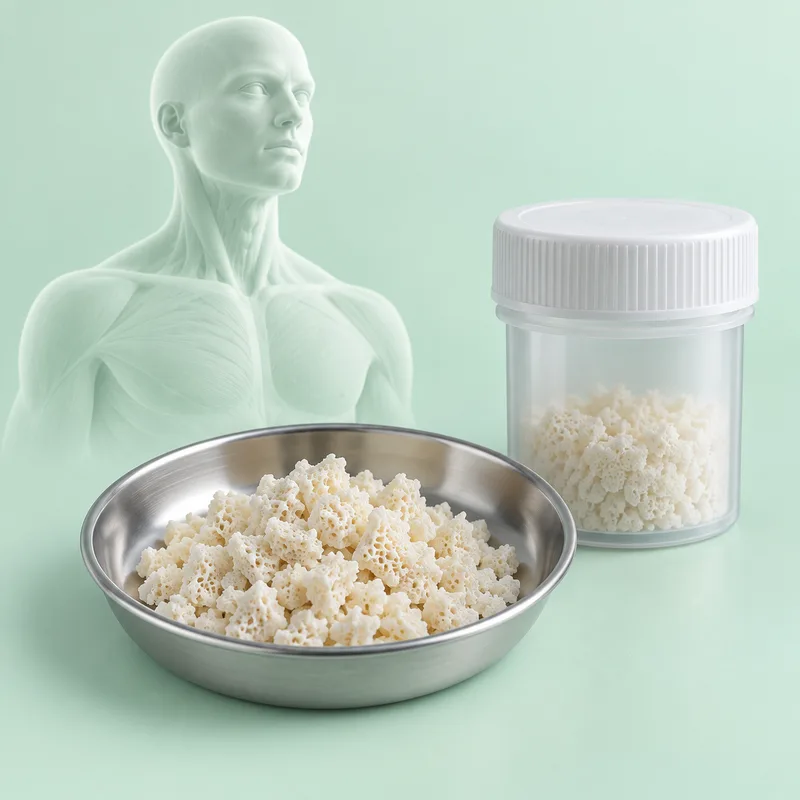
Learn what human-donor bone means in an implant-site graft, what to ask about the actual product and how the choice differs from your own bone.

Understand that a xenograft is animal-derived bone material, which source questions to raise and how material choice fits the implant-site plan.
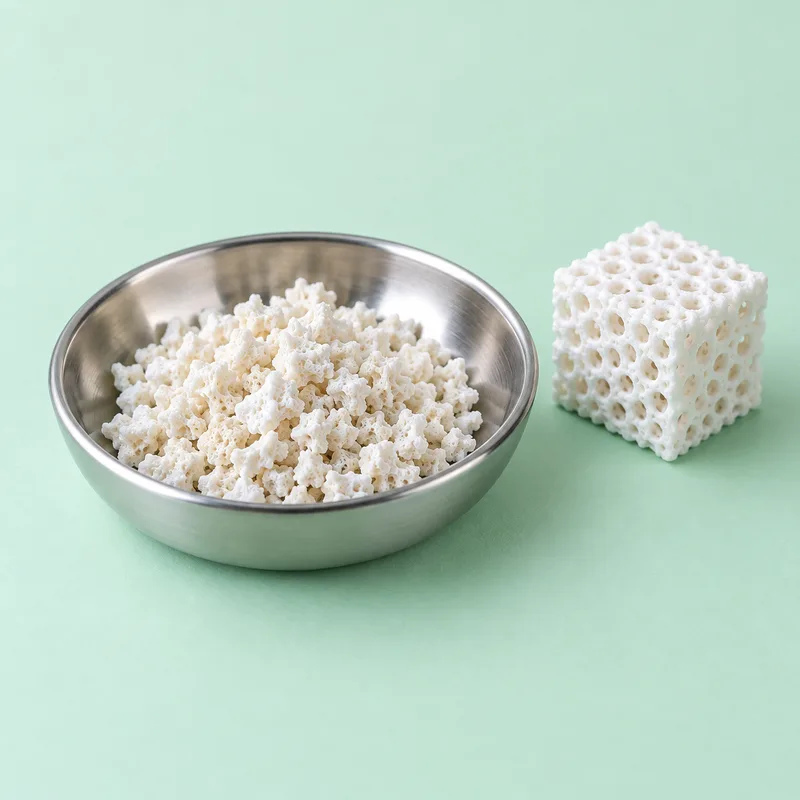
Learn what manufactured synthetic bone-graft material means, how it differs from donor-derived material and what to ask about the full graft and membrane plan.
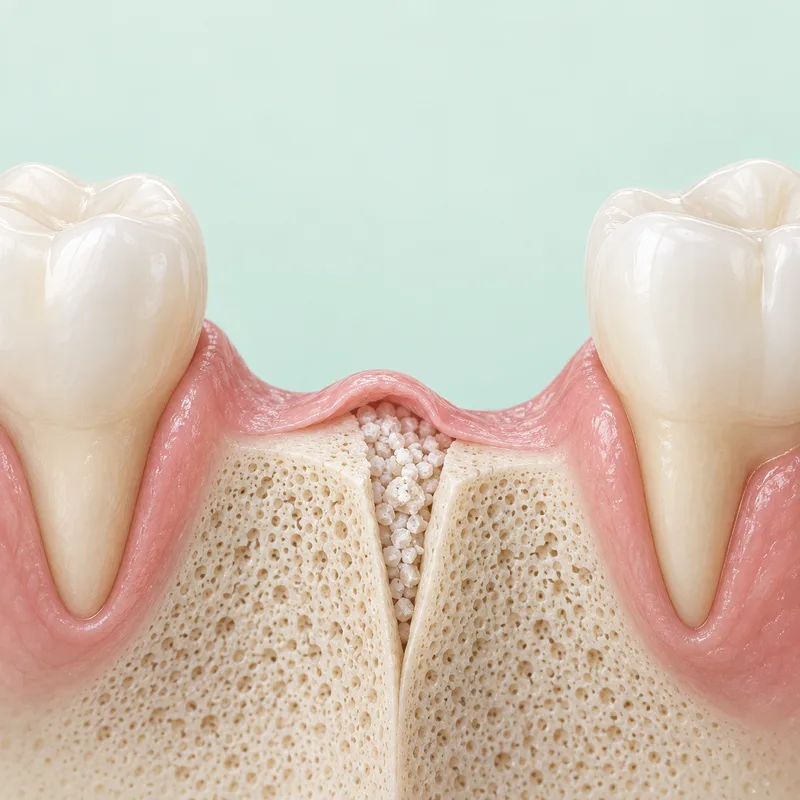
Learn how a graft-filled ridge-widening route is described, why remaining bone and implant planning matter, and what alternatives, materials and risks to discuss.
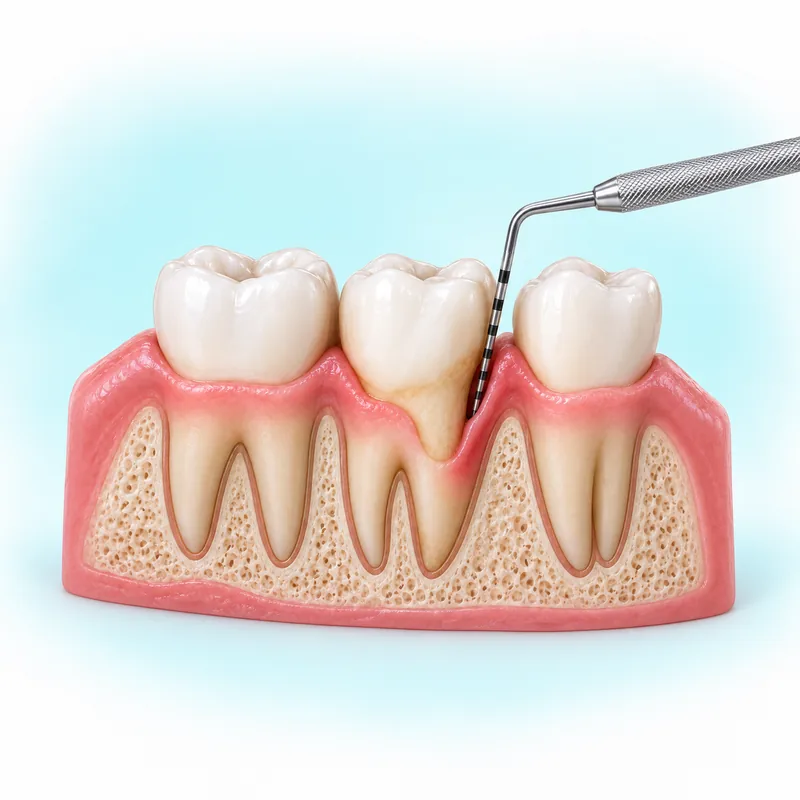
Understand when access-flap surgery may be discussed for deep gum pockets that remain after initial periodontal care, and what the procedure can and cannot do.
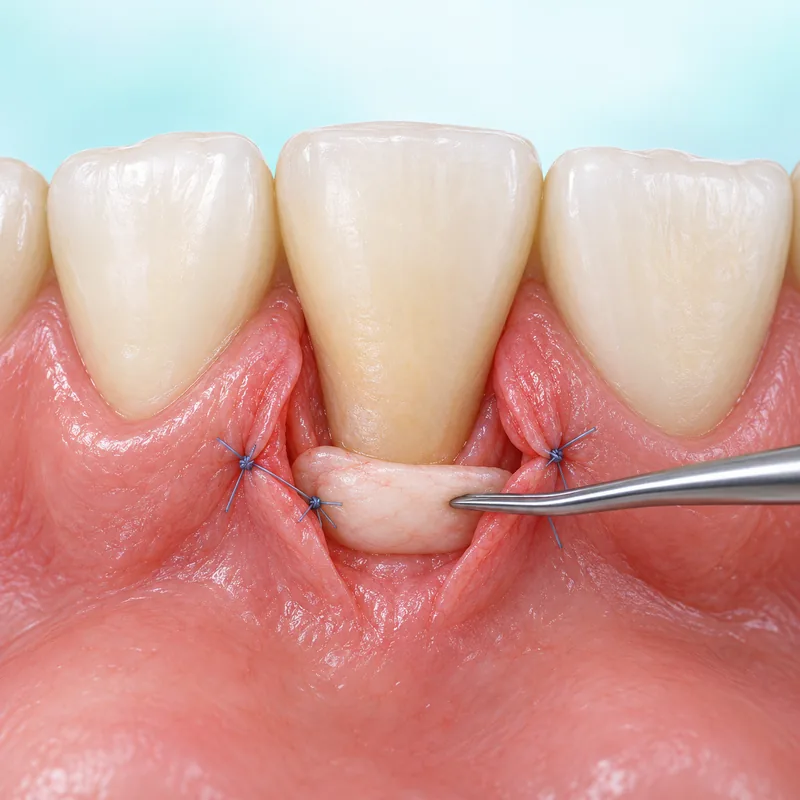
Learn when a connective-tissue graft may be considered for an exposed natural-tooth root, what donor-site care involves and why coverage varies.
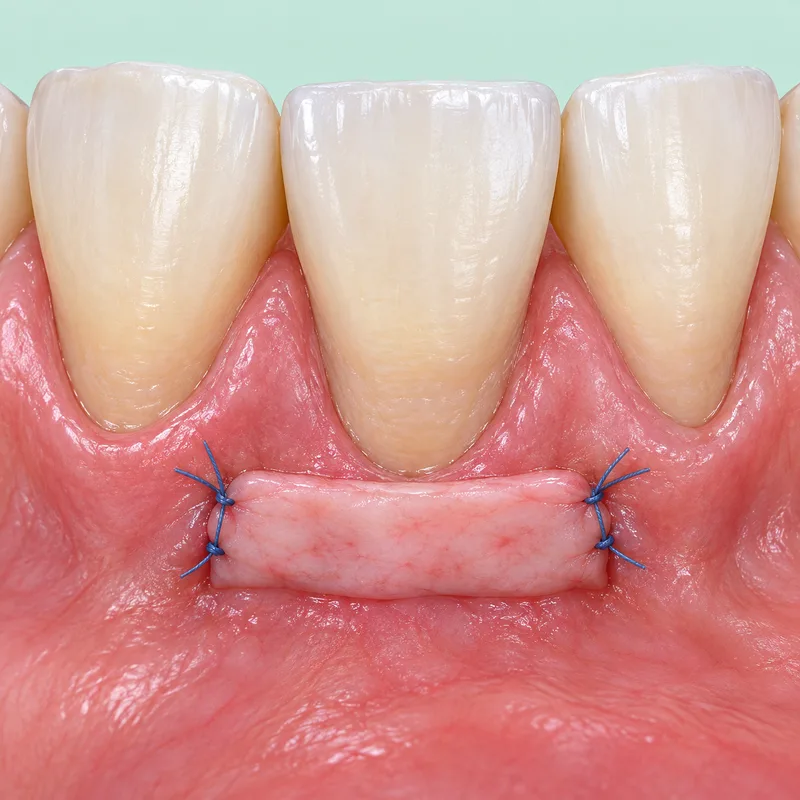
Learn how a free gingival graft can increase resilient gum tissue around a natural tooth, why this differs from predictable root coverage and what donor-site care to discuss.
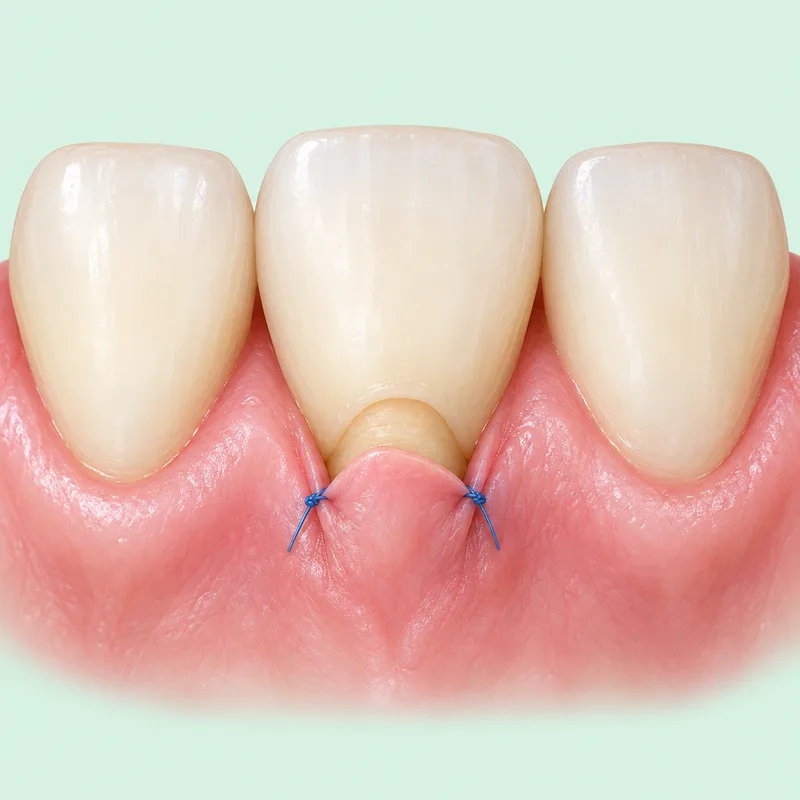
Understand when surgery may be discussed for an exposed natural-tooth root, what recession classification can and cannot predict, and how an optional graft changes donor-site trade-offs.
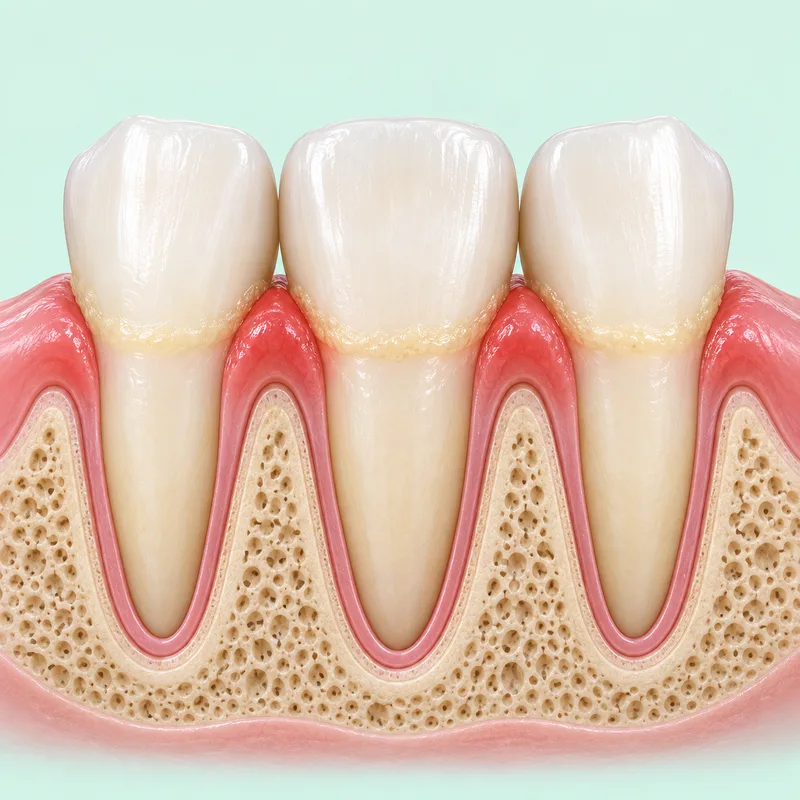
Understand why bleeding or red gums need an examination, how plaque-related gingivitis differs from periodontitis, and what cleaning and daily care can change.
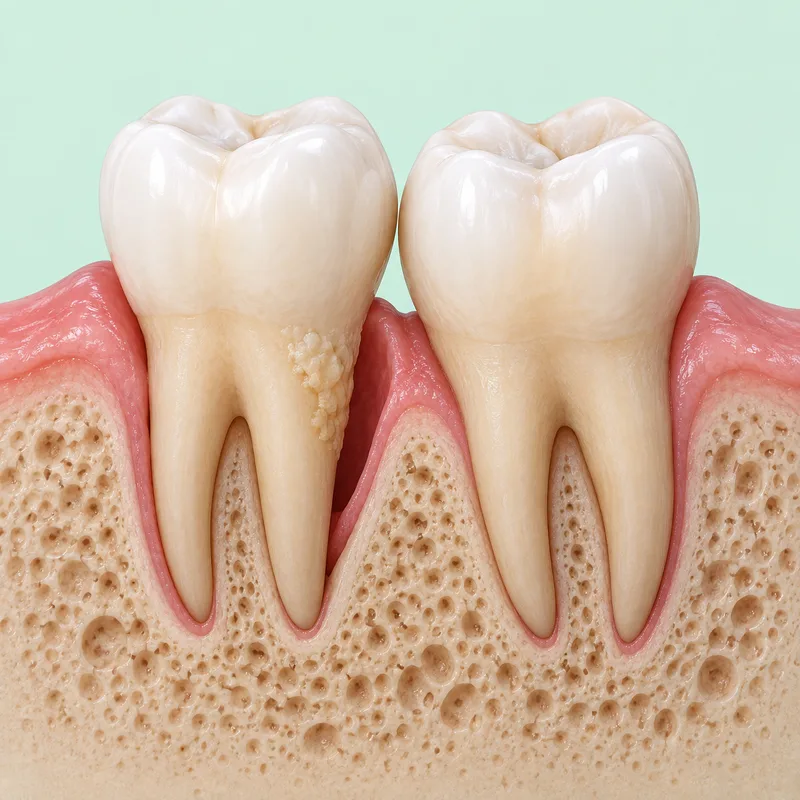
Understand how periodontal assessment measures loss of tooth support, why treatment is staged and reassessed, and why ongoing maintenance matters.
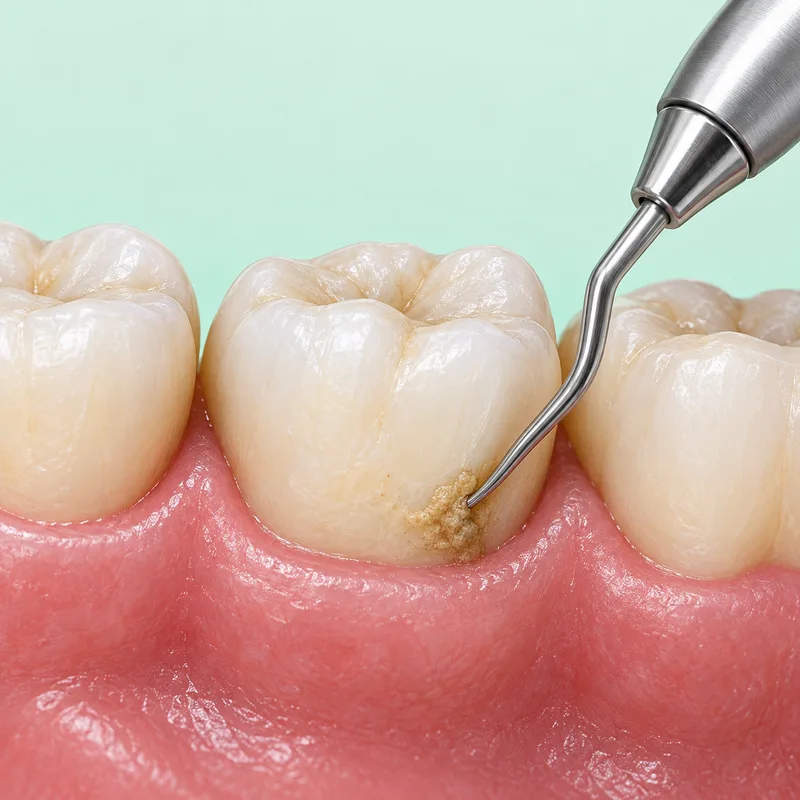
Learn what routine scaling removes, how it differs from treatment below the gumline, and when deeper periodontal cleaning is selected.
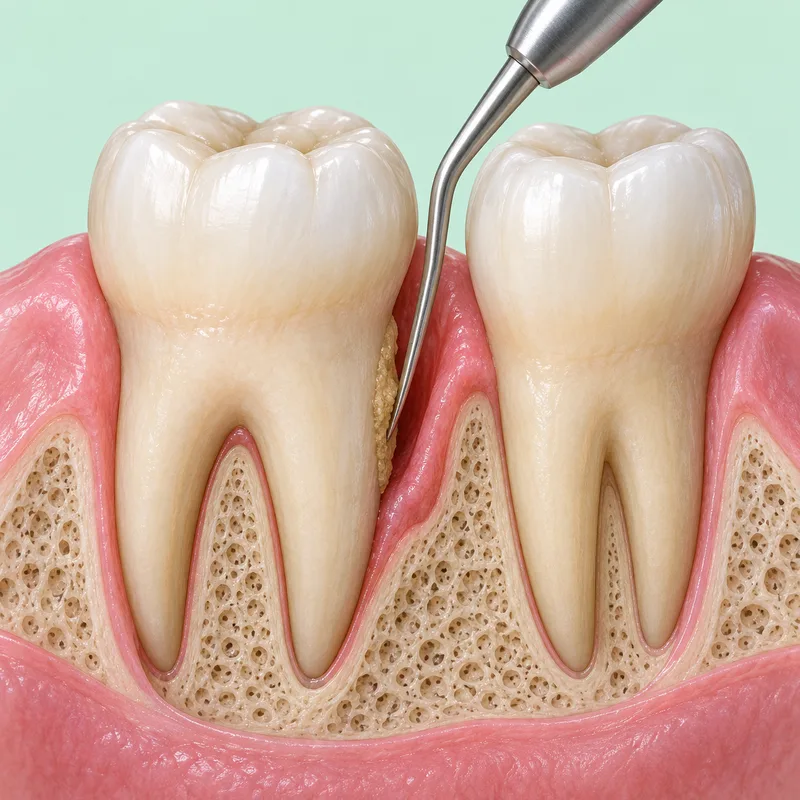
Understand why cleaning below the gumline follows periodontal assessment, what treatment can involve and how the response is reviewed.
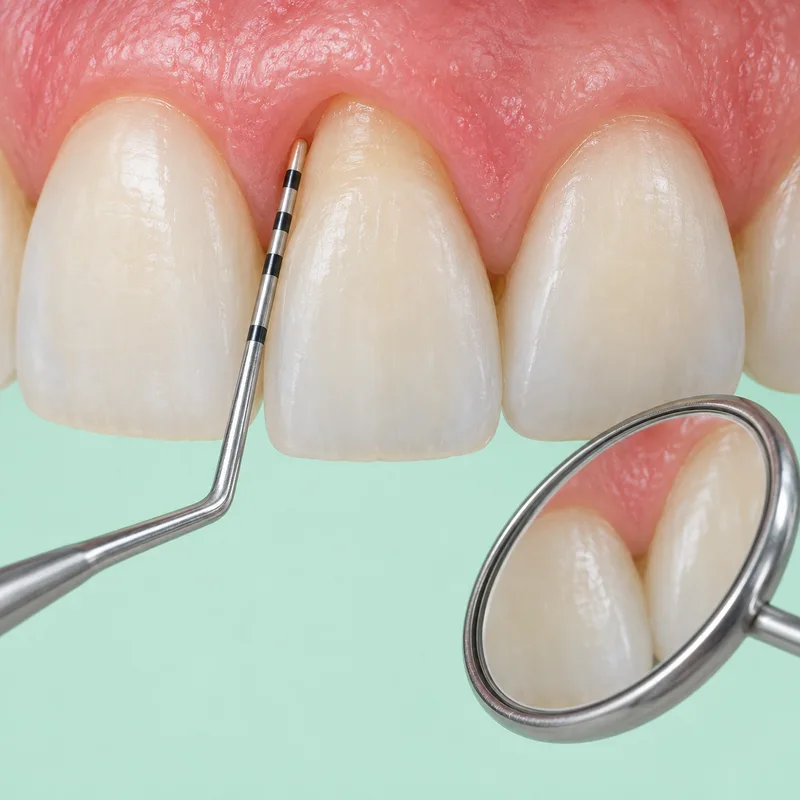
Learn what supportive periodontal visits monitor after active gum treatment, how recall depends on risk, and when repeat treatment may be considered.
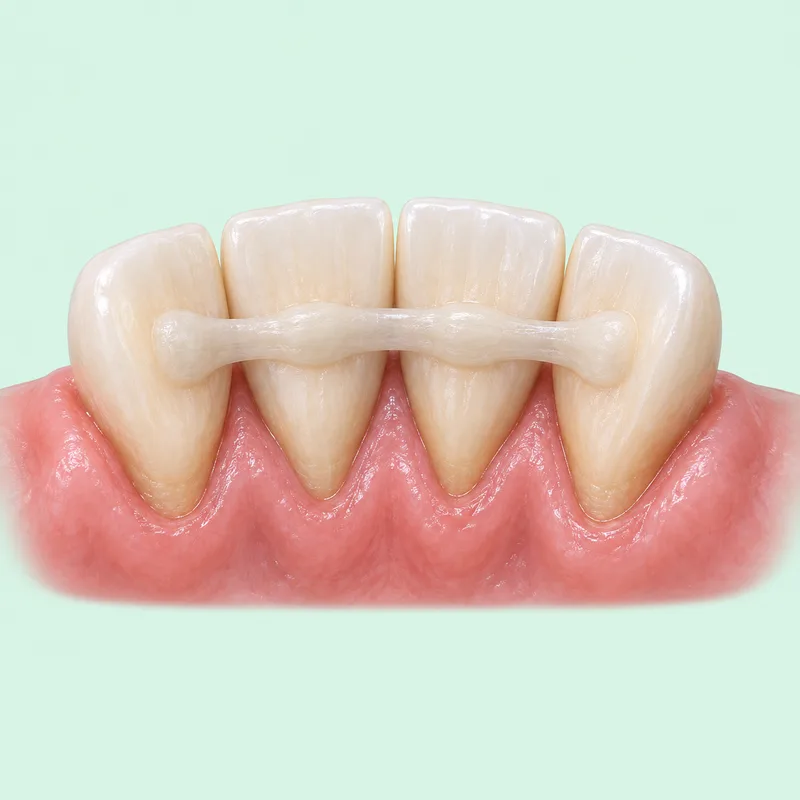
Understand when a selected periodontal splint may support comfort or function for mobile teeth, why evidence is very uncertain, and why gum treatment continues.
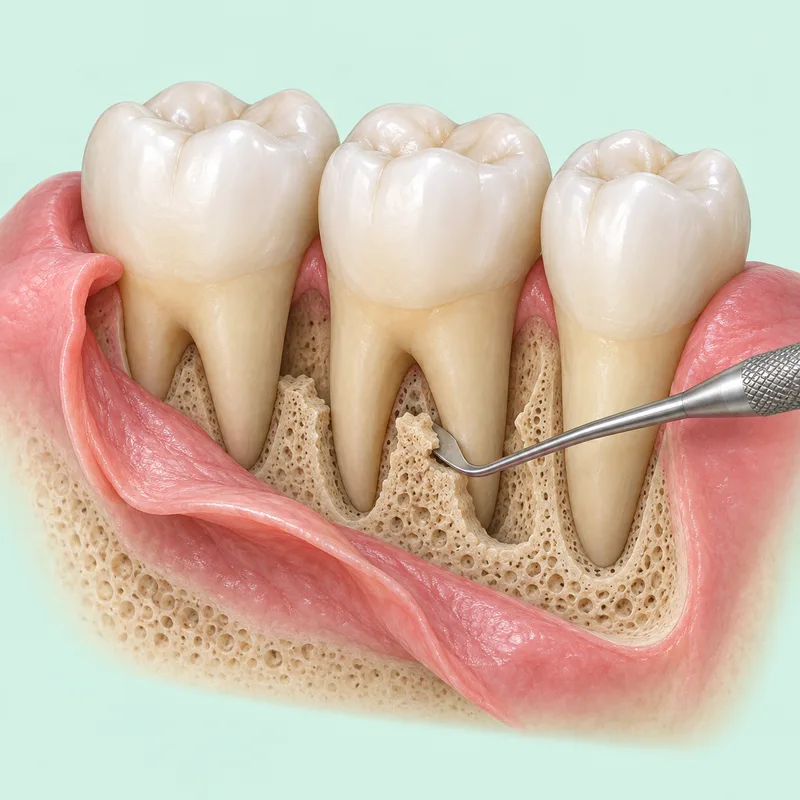
Understand selected surgery for residual periodontal pockets, what bone reshaping terms mean, and why recession, sensitivity and site-specific aftercare matter.
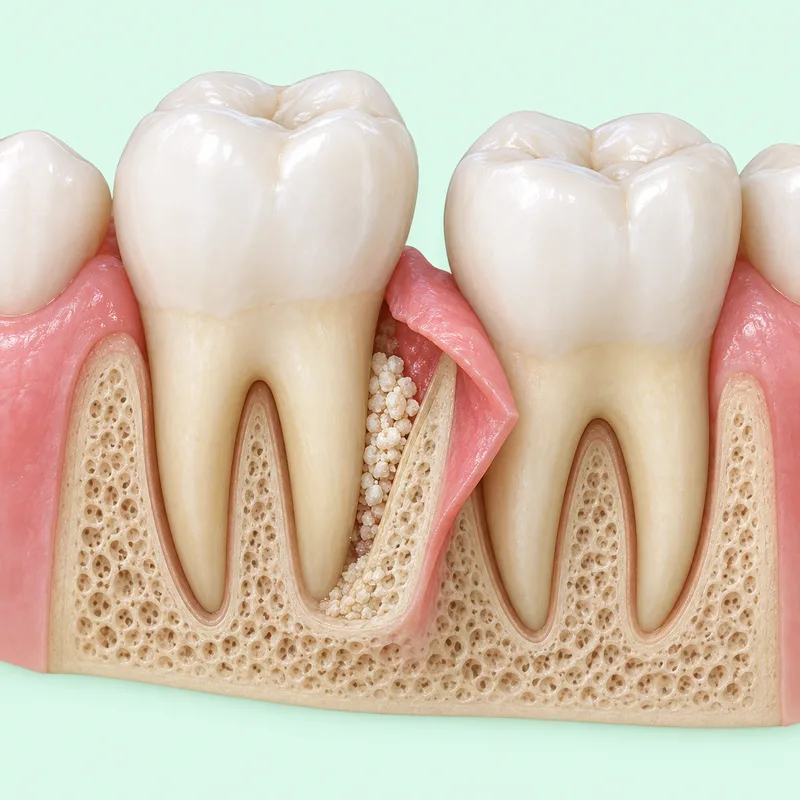
Learn why periodontal bone grafting is considered only for selected supporting-bone defects, what the operation may involve and why regeneration is not guaranteed.
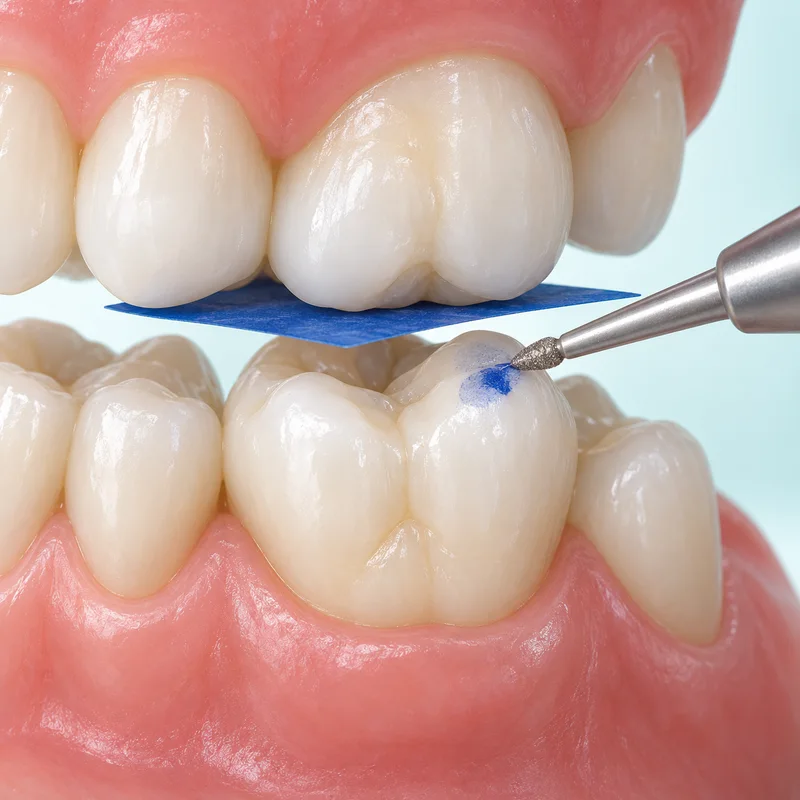
Understand a narrowly conditional, irreversible tooth-contact adjustment discussed for selected fully dentate stage IV periodontitis cases, and the uncertainty and continuing gum care involved.
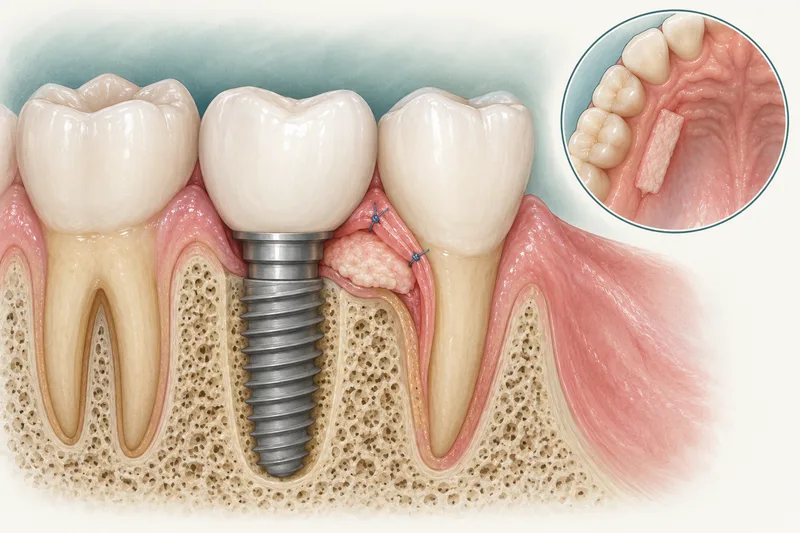
How implant health, position and the goal of added gum width or thickness shape selected soft-tissue graft choices.
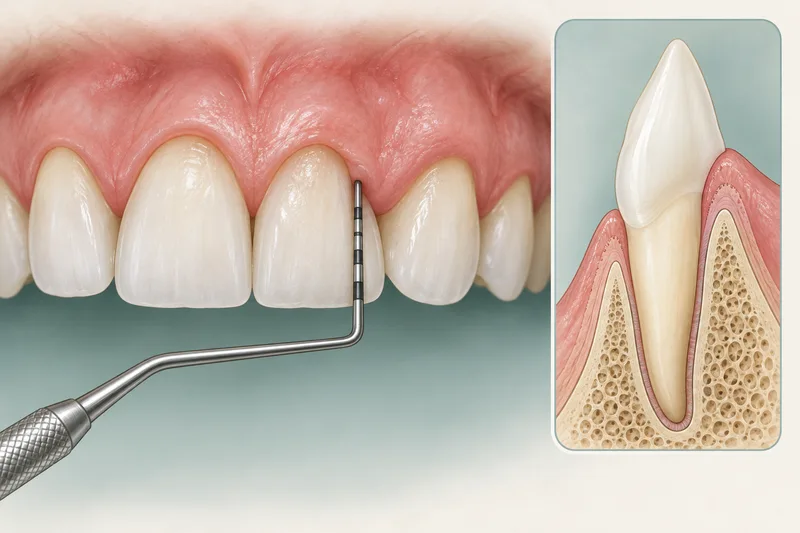
Compare gum removal, gum reshaping and selected crown lengthening after the cause of an uneven or prominent gum line is assessed.
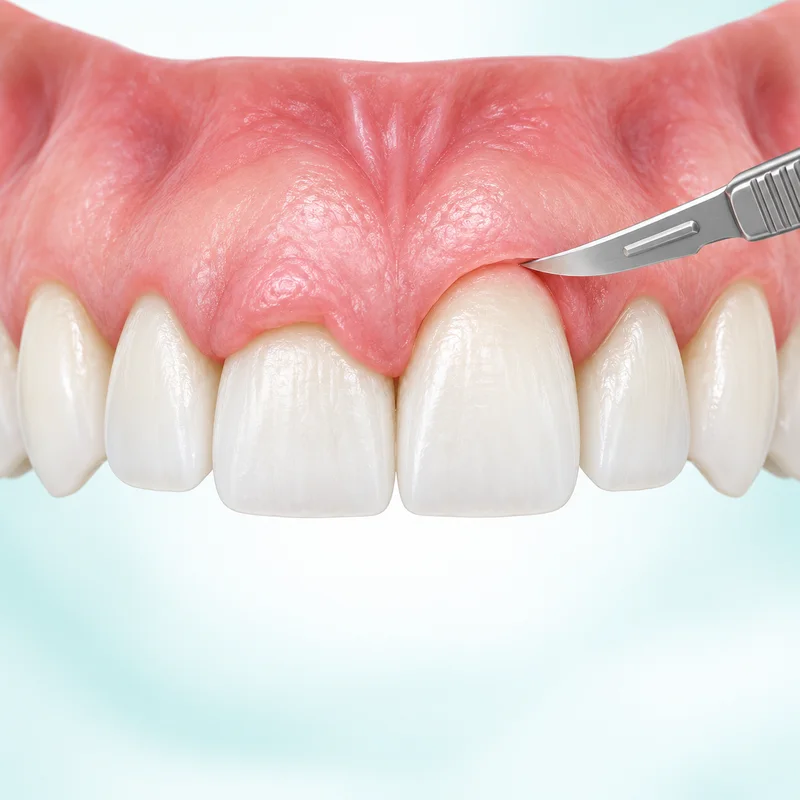
When excess gum tissue is present, assessment of its cause helps determine whether removal, reshaping or another approach fits.
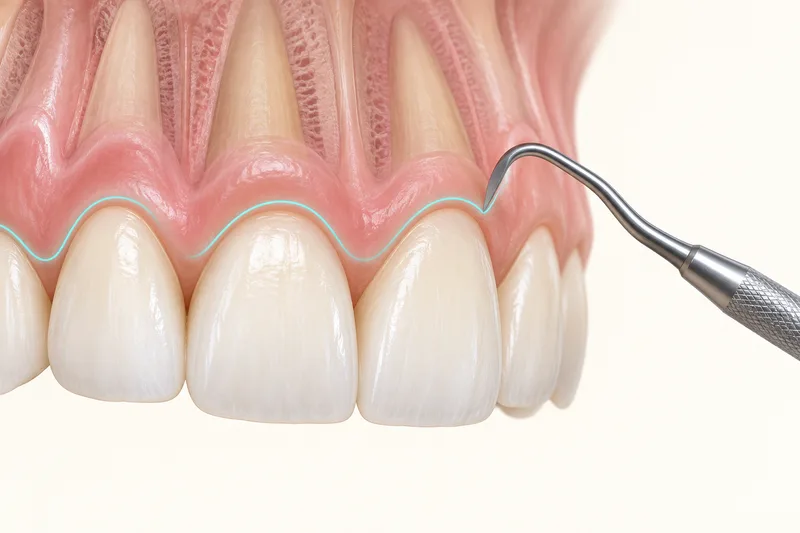
Gingivoplasty reshapes gum contours; assessment clarifies whether reshaping alone or a combined removal procedure fits the goal.
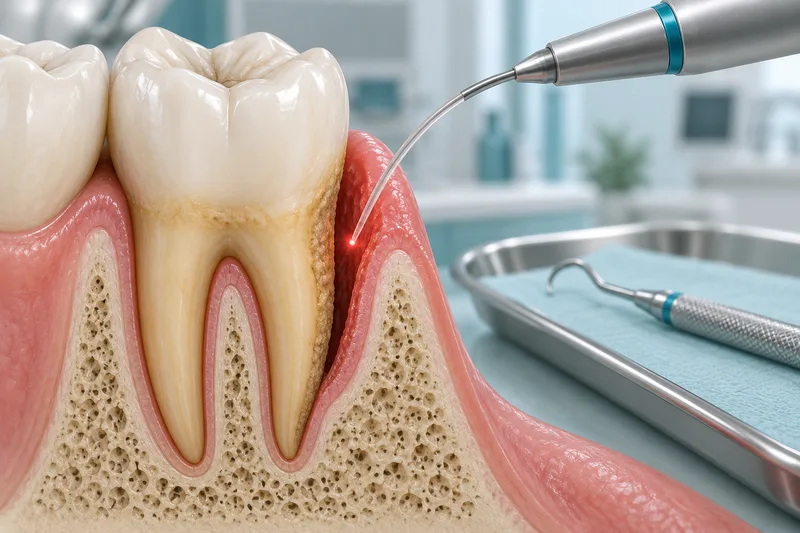
A diagnosis-specific guide to periodontal laser treatment, below-gum cleaning and limits on claims that lasers improve every result.
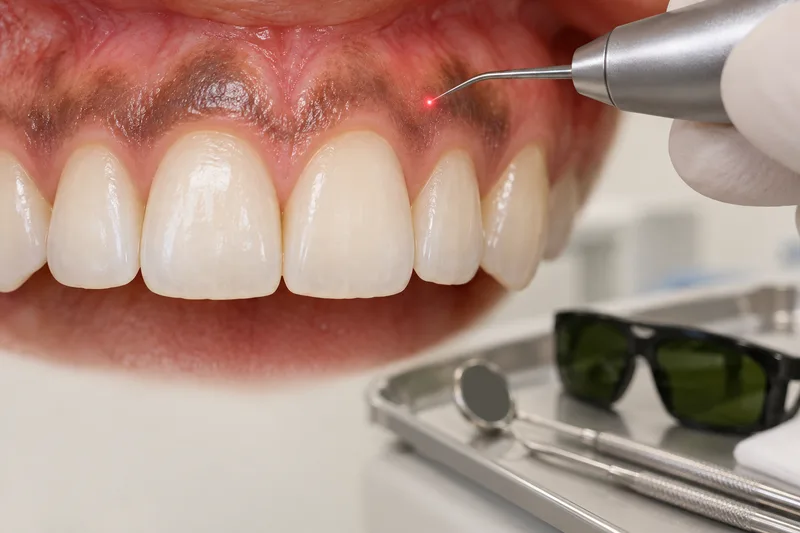
Before elective gum-colour treatment, distinguish diagnosed stable physiologic pigment from a new, changing or suspicious area that needs assessment.
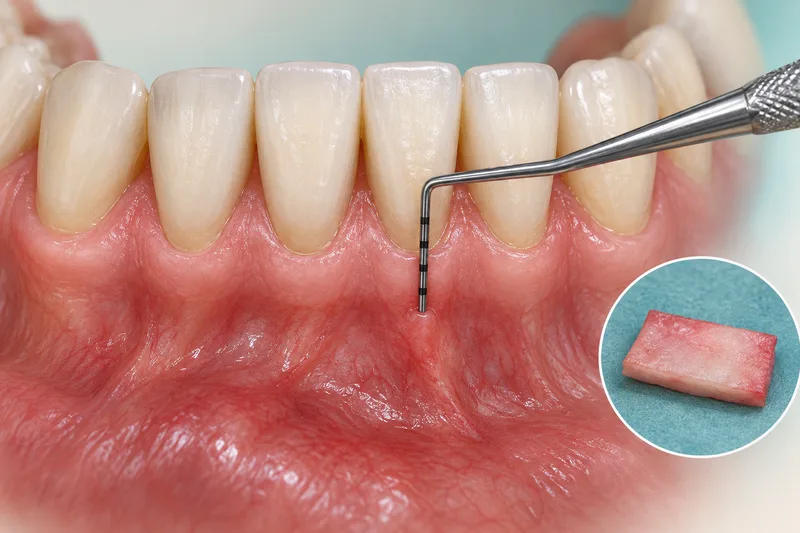
A wider band of firm gum is a different goal from root coverage; natural teeth and healthy implants have distinct graft and no-graft options.
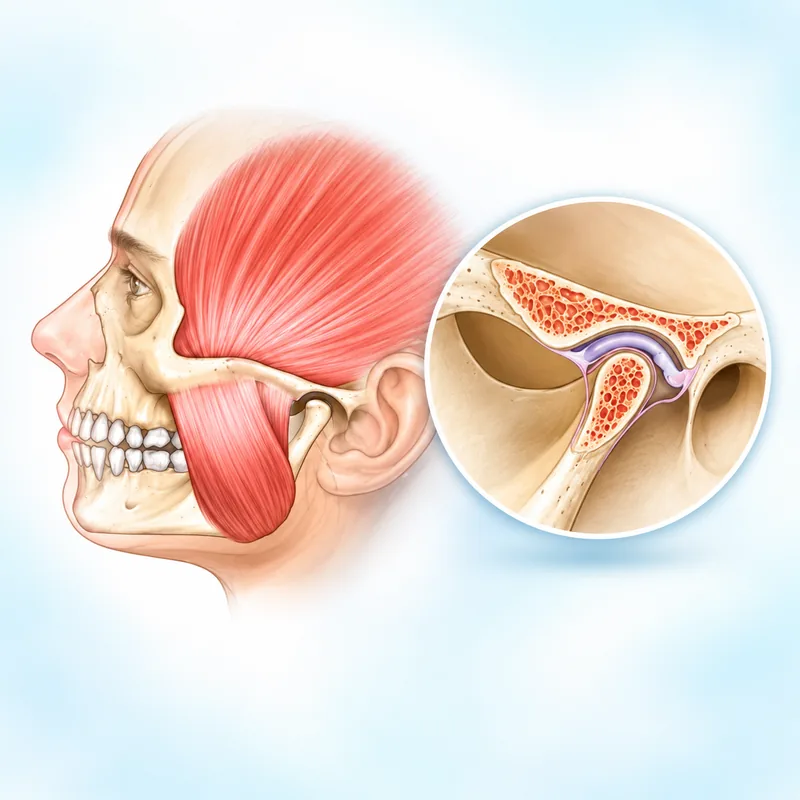
Learn how jaw-joint and chewing-muscle symptoms are assessed, which reversible steps may help, and when reassessment or urgent care matters.
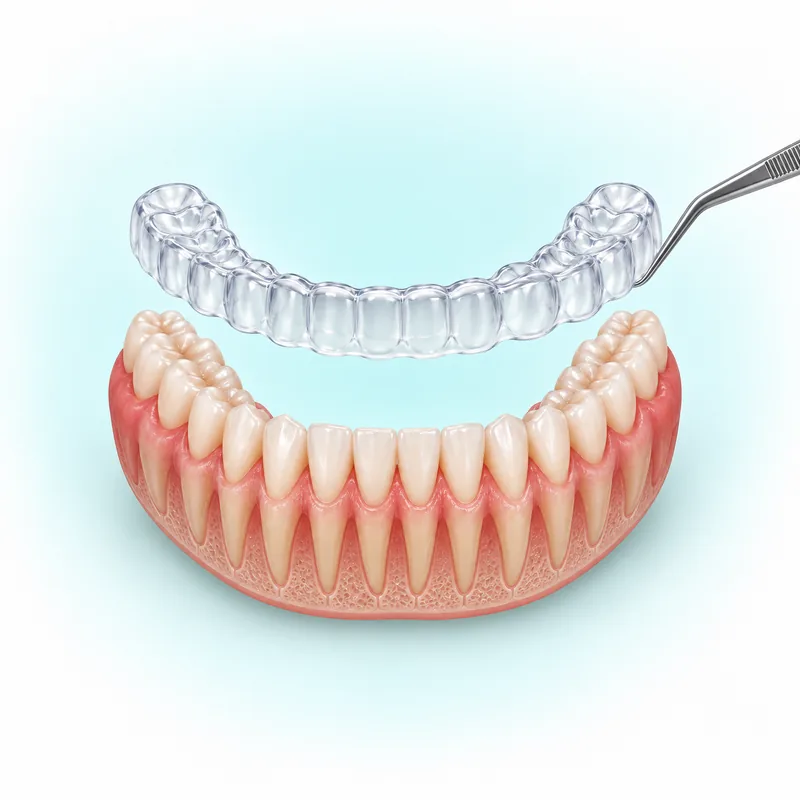
Understand when a removable bite guard may be discussed for jaw symptoms, what the evidence can support, and how fit, wear and care are monitored.
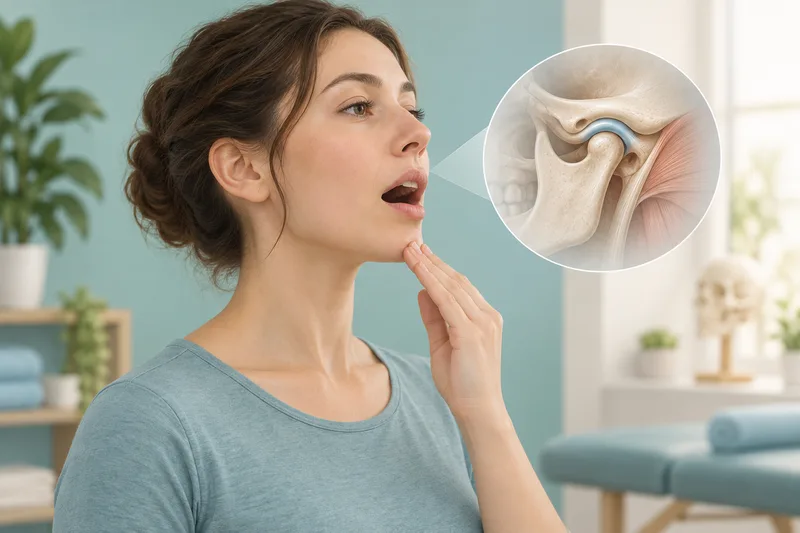
Explore tailored movement and hands-on care for assessed jaw symptoms, safe home-care boundaries and when the plan needs review.

Understand jaw and neck muscle pain, pain felt in the teeth or ear, and individual conservative care after other causes are assessed.
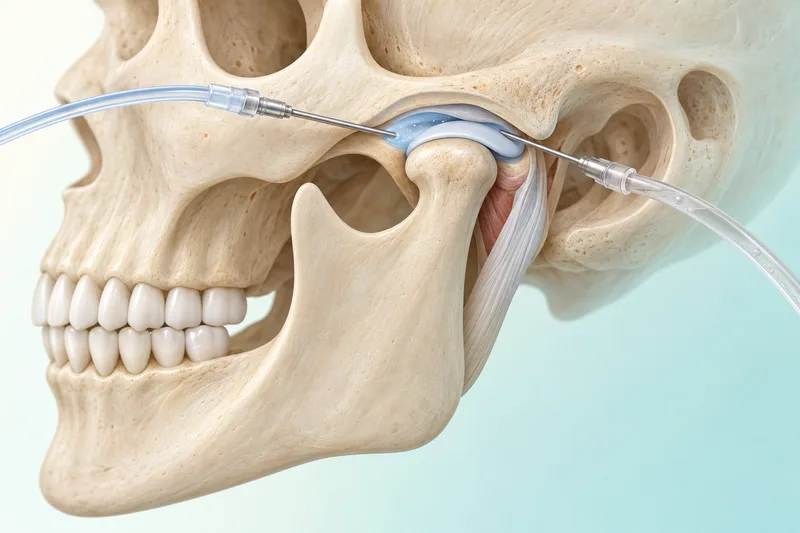
Discuss jaw-joint washout for selected joint or disc problems, alternatives, uncertain benefit and individual recovery instructions.
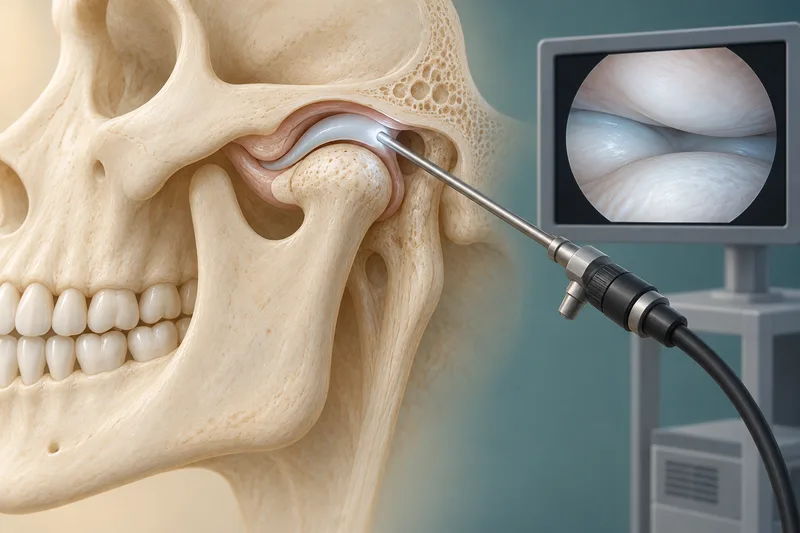
Understand camera inspection inside the jaw joint, possible findings-led treatment, uncertain benefits and arthroscopy-specific recovery.
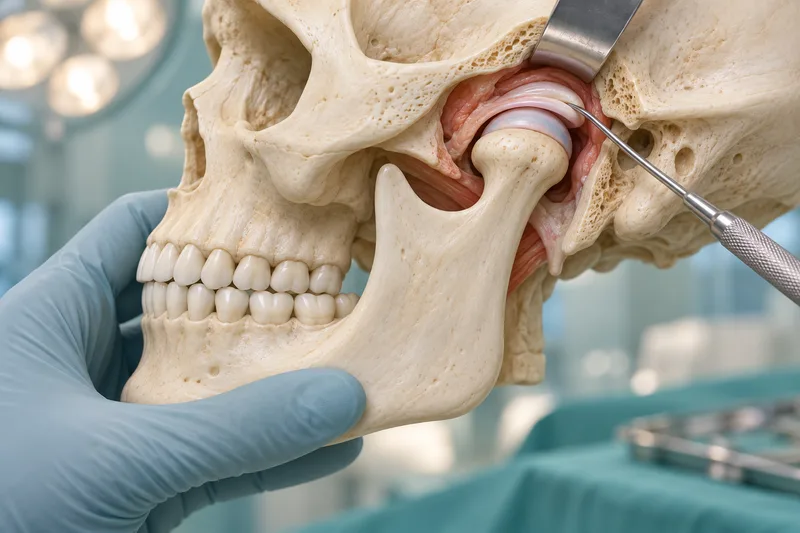
Discuss selected open jaw-joint surgery for advanced structural problems or severe symptoms despite simpler care, with personal risks and recovery.
Dr. Supreet's own and primary clinic is Dr. Supreet's Dental & Implant Centre in Sector 39.
If your question is not covered here, you are welcome to request a consultation and discuss it directly.
Request a Consultation