Retained-Root Removal in Gurugram
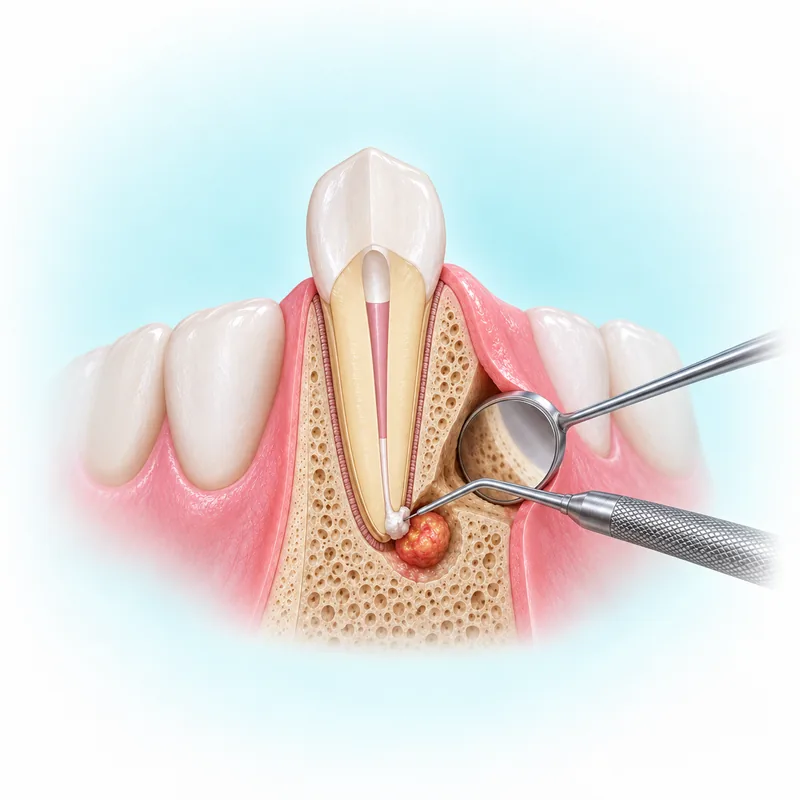
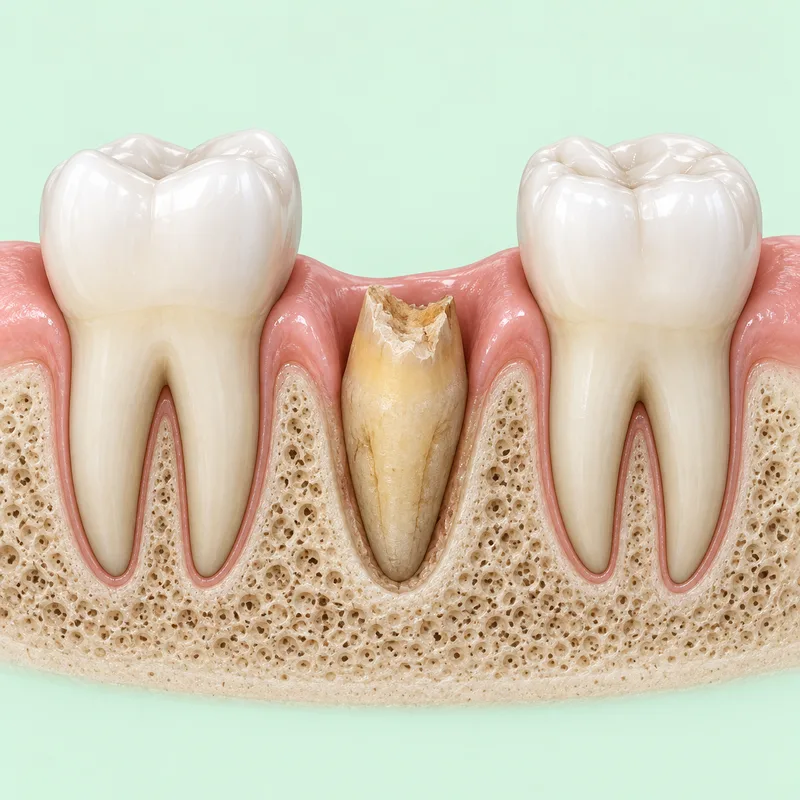
A tooth can break below the gum or leave a hidden root behind. Whether that remnant needs removal depends on the diagnosis, symptoms, access and nearby anatomy—not on its presence alone. Dr. Supreet Kaur Sawhney, MDS, is a Senior Consultant – Oral & Maxillofacial Surgeon and Senior Implantologist with more than 20 years of experience. Her Gurugram consultation can clarify why the root remains and whether removal or another course merits discussion.
Sources (2)
When a retained root may need treatment
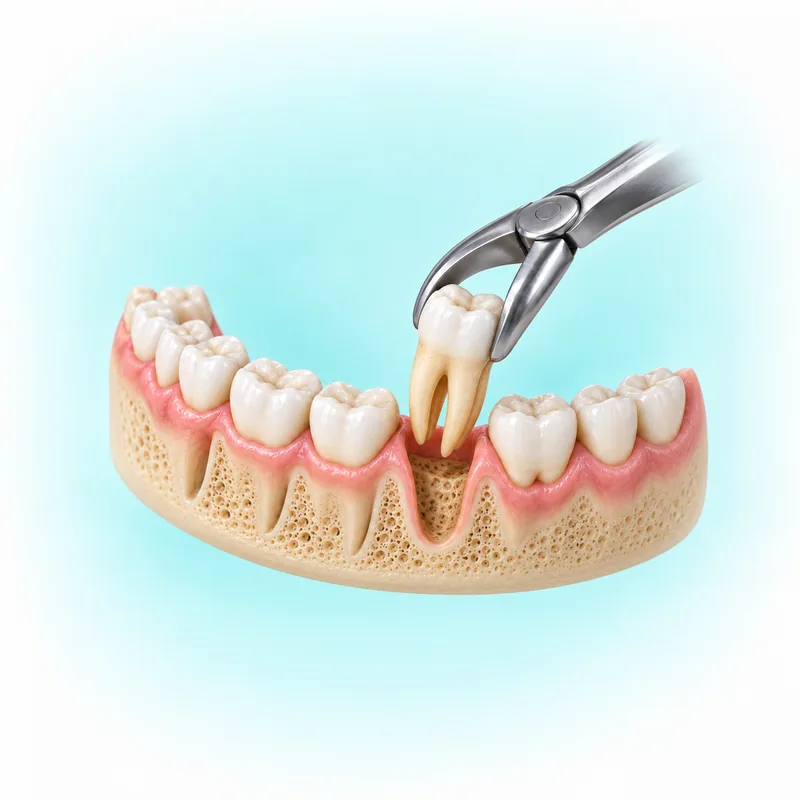
A broken-down or hidden root can cause pain or infection and may need removal. If ordinary forceps (a tooth-gripping instrument) cannot reach it, surgical access may involve a gum flap (opening and lifting the gum), limited bone removal, root division or stitches as needed. These are possible steps, not a standard sequence for every root, and they do not by themselves prove that removal is necessary.
Before deciding, ask what the examination and any useful images show, what benefit removal is expected to provide, what harms are possible and what may happen if the root is not treated. The options depend on symptoms, disease, whether the root can be restored or managed another way, medical factors and your preferences. Observation is not automatically safe, and no single leave-or-remove rule fits every case.
A planned coronectomy is a different decision
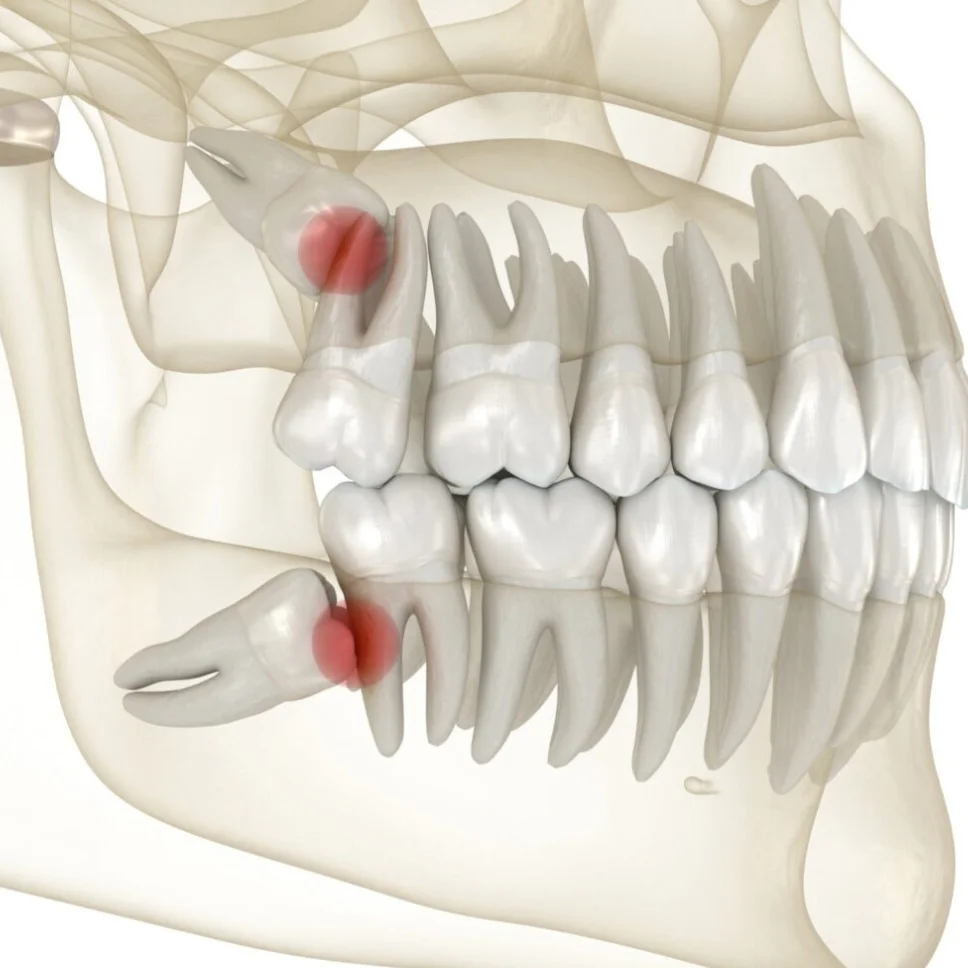
A coronectomy deliberately removes the crown of a selected lower wisdom tooth while leaving its roots when they lie close to a sensory nerve (a nerve that carries feeling). The crown (visible top of the tooth) is removed while roots remain. The team reviews healing because retained roots can later loosen, move toward the gum or become infected and need reassessment or removal. Root decay or infection can make this option unsuitable, and retaining the roots reduces—but does not remove—nerve risk. This planned approach is not the same as an accidental broken root fragment.
What removal and healing can involve
The clinician reviews health and medicines, examines the mouth and may use dental X-rays if they answer a planning question. The procedure and access depend on the root's position. Local anaesthesia (medicine that numbs the area) is used before removal; the socket (space left after removal) is cleaned, and stitches or graft material (material used to help build bone) may be used when indicated. Infection, delayed healing, nerve injury or an opening to the sinus (the air-filled space above the upper back teeth) are possible complications; risk varies with anatomy and the operation, so ask what applies to the site being considered.
Sources (4)
After removal, follow the treating team's wound-care instructions and avoid disturbing the socket clot (the blood clot in the space left after removal). Smoking can impair healing, and jawbone healing continues beyond early gum recovery; there is no single fixed deadline. Pain or swelling can occur, but the instructions and recovery vary by procedure. Contact the surgical team promptly for heavy bleeding or severe pain, and for persistent severe pain, fever or pus; seek prompt advice rather than relying on a fixed online timetable.
For a broader view of specialist assessment and surgical access, read the oral and maxillofacial surgery guide. The wisdom-tooth surgery guide explains the separate decision about a whole wisdom tooth and selected alternatives.
Discussing a retained root in Gurugram
Dr. Supreet’s Dental & Implant Centre is at 395 P, Sector 39, near Medanta Hospital, Gurugram (Gurgaon), Haryana 122001. Bring earlier dental images, treatment notes and a medicines list. You can ask whether the root is diseased, what nearby structures matter, why removal is or is not proposed and what follow-up would be needed. View the Sector 39 clinic location or contact the clinic; call or WhatsApp +91 9650298009.