Ridge Splitting and Expansion in Gurugram
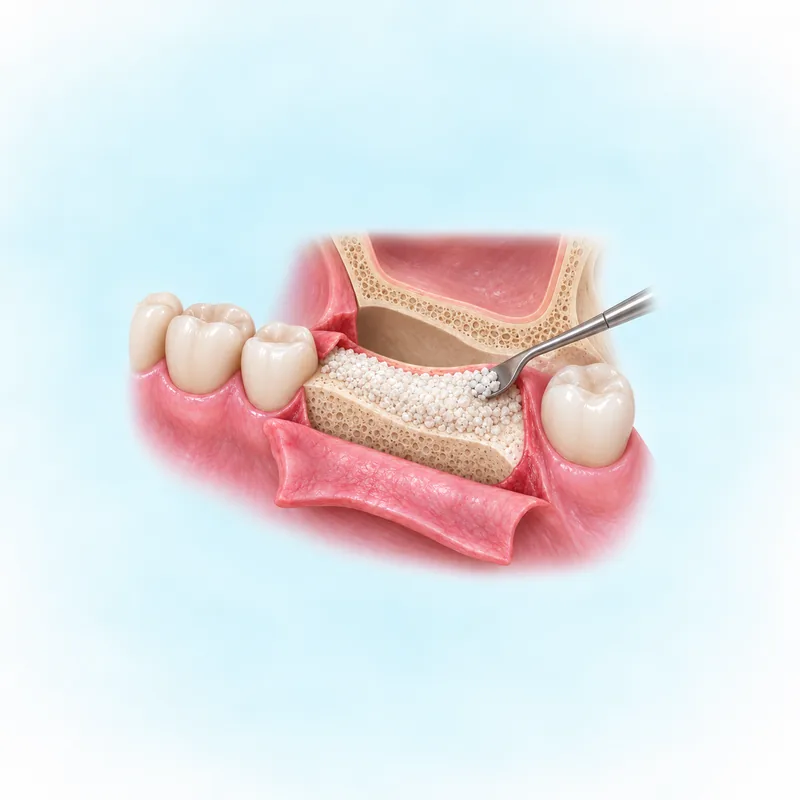
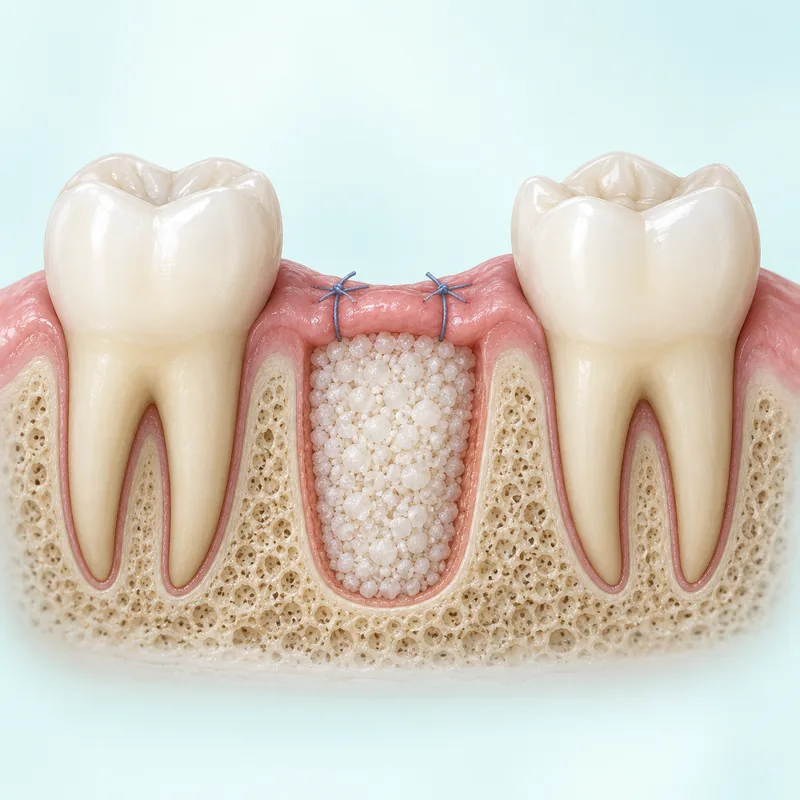
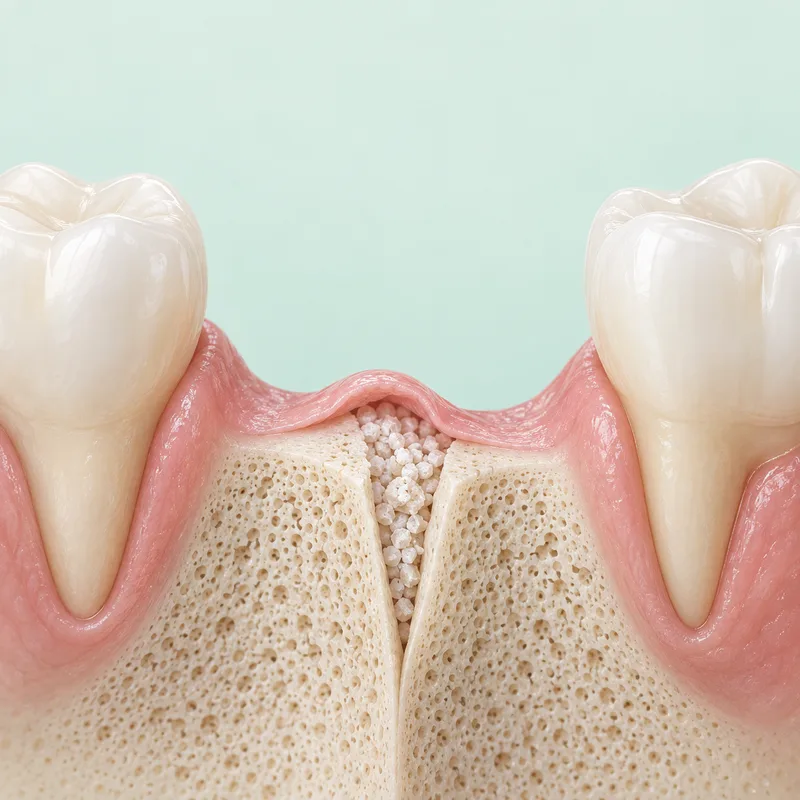
Bone expansion, also called ridge splitting in a Cambridge University Hospitals (CUH) implant-grafting pathway, is a graft-filled way to widen a narrow jaw ridge—the part of the jawbone that supports teeth—by separating existing ridge bone and filling the widened space with graft. CUH describes this route only where enough ridge length and width remain; other instruments or graft choices may differ.
For an individual implant site, the decision is whether this route fits the ridge and planned tooth replacement or whether another approach should be discussed. Guided bone regeneration (GBR) uses a protective barrier to make space for bone repair; block grafting uses a shaped piece of bone. Dr. Supreet Kaur Sawhney, MDS, is a Senior Consultant – Oral & Maxillofacial Surgeon and Senior Implantologist with more than 20 years of experience. An assessment in Gurugram can relate the available bone, health history and planned tooth replacement to those options; the label alone cannot determine suitability. Health conditions, medicines and smoking should also be reviewed before grafting; this is a patient-specific assessment, not a universal eligibility rule.
What ridge splitting and bone expansion mean
CUH uses “bone expansion” and “ridge splitting” for the graft-filled widening route described above. That is evidence of overlapping names for this particular pathway, not proof that every technique called a split or expansion uses the same instruments, graft materials or sequence. The source says the route is considered only when sufficient ridge length and width remain. It gives no universal numerical threshold.
Disease, trauma or developmental defects can leave too little jawbone for an implant, although these are not the only possible causes. Examination and appropriate imaging help relate the site to the planned implant position and replacement tooth or teeth.
Compare the route with other plans
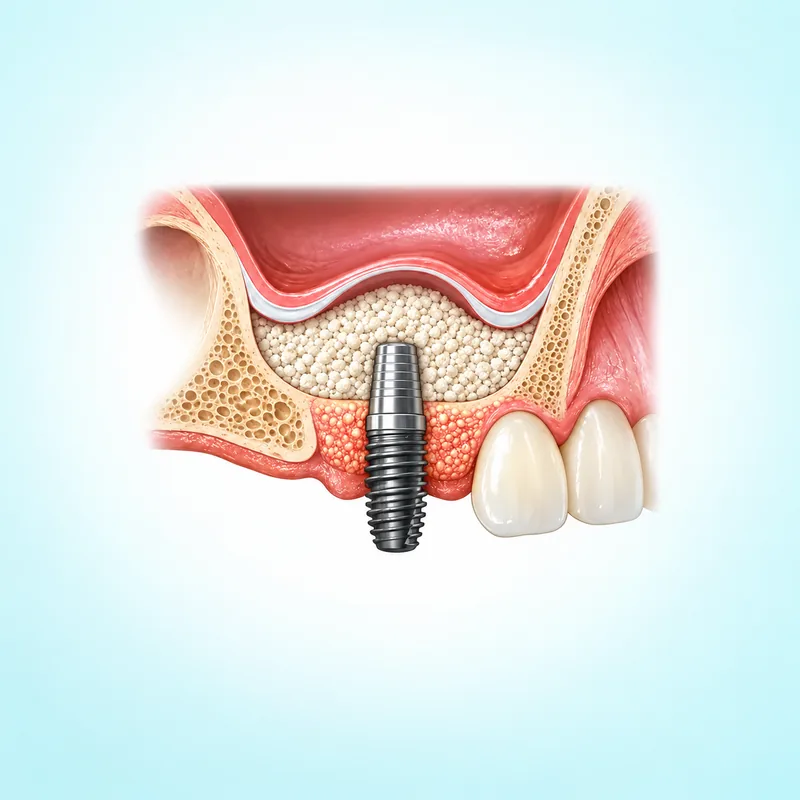
CUH lists guided bone regeneration (GBR), block grafting and bone expansion among possible implant-site approaches. The current GBR guide and block bone grafting guide explain those approaches further. The amount of bone needed, site anatomy and patient preference help shape the choice; no approach is best or suitable for every defect. A different tooth-replacement or implant plan may also be discussed through the broader bone grafting and sinus lift guide.
The same factors inform timing. Grafting may be considered with implant placement or as a separate healing stage, depending on how much bone building is needed and the site. Imaging, defect shape, implant position, tissue health and personal preferences need individual review; there is no fixed waiting interval that applies to everyone.
Ask what graft materials are proposed
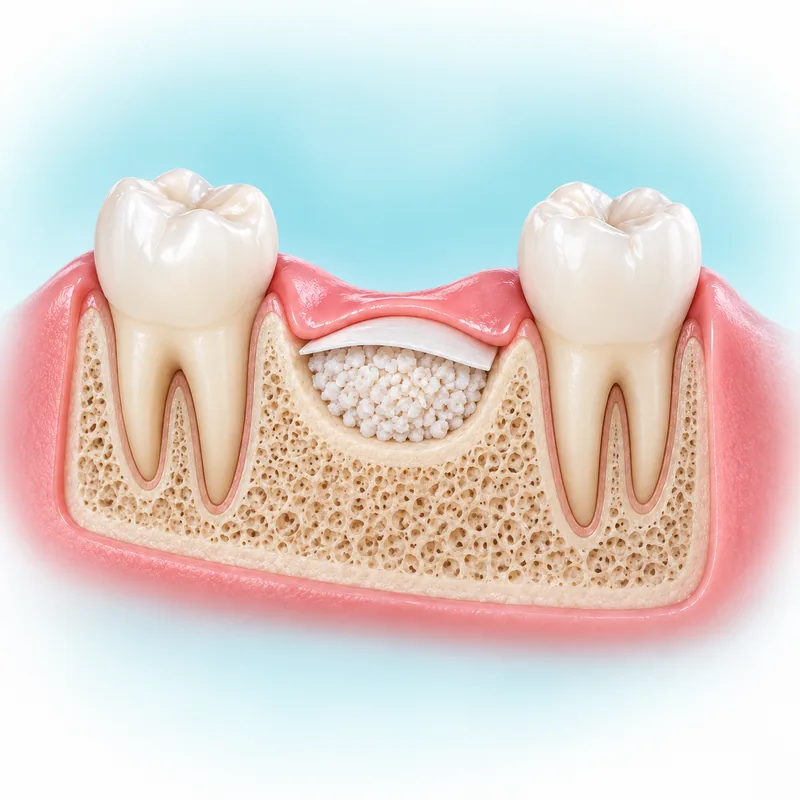
Before treatment, ask which graft material is proposed. Graft material may come from your own bone, another human donor, an animal source or a synthetic source. A membrane is a thin protective barrier used in some plans; if one is proposed, ask whether its material is human, animal-derived or synthetic. Some grafts combine materials from more than one source. CUH says the graft and approach depend on the site, amount needed and patient preference; discuss any concerns about animal-derived components. No material is universally better. Graft material can act as a scaffold—a support for the patient’s own bone formation—but materials behave differently and this mechanism does not guarantee a clinical outcome.
Sources (3)
Risks, healing and review
Possible complications reported in ridge-splitting studies include a crack or break in the outer bone plate, a wound that opens, graft exposure (graft material showing through the gum) or infection, changes in feeling, and gum or nearby tissue pulling back. One systematic review included 25 studies—24 observational and one randomized trial—with varied methods and incomplete complication reporting. Those findings cannot give an individual complication rate or show that every event applies equally to every technique. CUH also lists graft-area infection, exposure or insufficient bone after healing as possible problems; additional bone building may be needed, but it is not automatic.
Sources (3)
After a bone graft, the treating team may advise soft foods and care to avoid disturbing the site during early healing; follow the instructions for the actual operation. Worsening pain, swelling or drainage warrants reassessment, but does not by itself prove graft failure.
Discussing ridge widening in Gurugram
Dr. Supreet’s Dental & Implant Centre is at 395 P, Sector 39, near Medanta Hospital, Gurugram (Gurgaon), Haryana 122001. Bring earlier scans or implant plans if available. Ask what the proposed ridge-widening route involves, whether enough ridge length and width remain, what graft or membrane is planned, whether implant placement is staged, and which alternatives fit the site. View the Sector 39 clinic location or contact the clinic; call or WhatsApp +91 9650298009.