Dental Trauma Treatment in Gurugram
Dental trauma can break, displace or completely knock out a tooth. Treatment depends on the type, site and severity of injury, whether the tooth is baby or permanent, and how fully its root has developed.
Serious face or jaw injury, uncontrolled heavy mouth bleeding, breathing difficulty from severe swelling, or head-injury signs such as loss of consciousness, vomiting or double vision need emergency medical assessment. Medical care takes priority over tooth preservation; do not wait for a routine dental appointment.
Dr. Supreet provides dental-trauma assessment and treatment in Gurugram. Describe the accident and symptoms when arranging urgent dental care, including a missing or displaced tooth or a fragment you have brought.
Sources
What the assessment checks
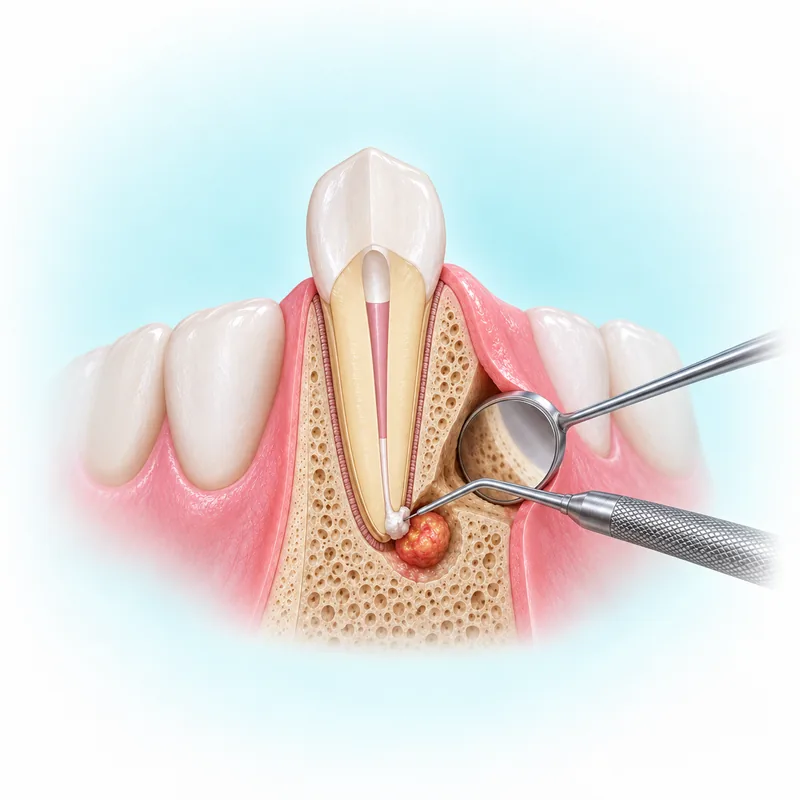
The dentist establishes injury type, displacement and root development. For displaced teeth, examination may include tooth mobility, tapping and pulp tests, with dental imaging according to the injury. The pulp is the living tissue inside the tooth; later changes can occur even after the immediate pain settles.
Sources (2)
A structured assessment also considers cuts, missing fragments, supporting-bone damage and possible head or facial injuries. The primary-tooth guideline supplies a detailed child-oriented screen; it is not a universal imaging schedule for every adult or child.
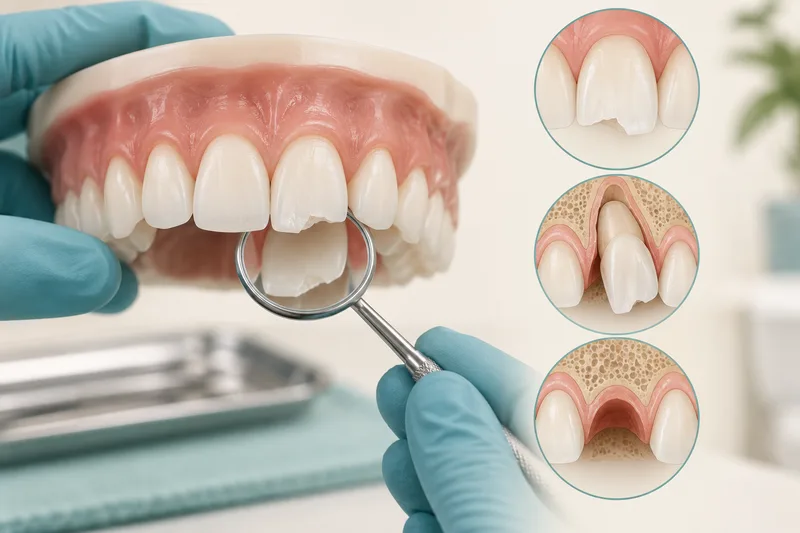
A broken, displaced or knocked-out tooth needs a different decision
A broken fragment can be taken to the dentist in milk or saliva in a container. Depending on fracture depth, a clinician may repair a fragment or choose another restoration. This concerns a fragment, rather than instructions to put a knocked-out baby tooth back.
A displaced tooth has an injury to its supporting tissues. Permanent teeth may need injury-specific repositioning and stabilization with temporary support; not every injury follows the same pathway. Later pulp death, root breakdown or fusion to surrounding bone can occur, with risks varying by injury. For displaced teeth, review after repositioning or splinting (temporary tooth support) monitors healing and the tooth's pulp.
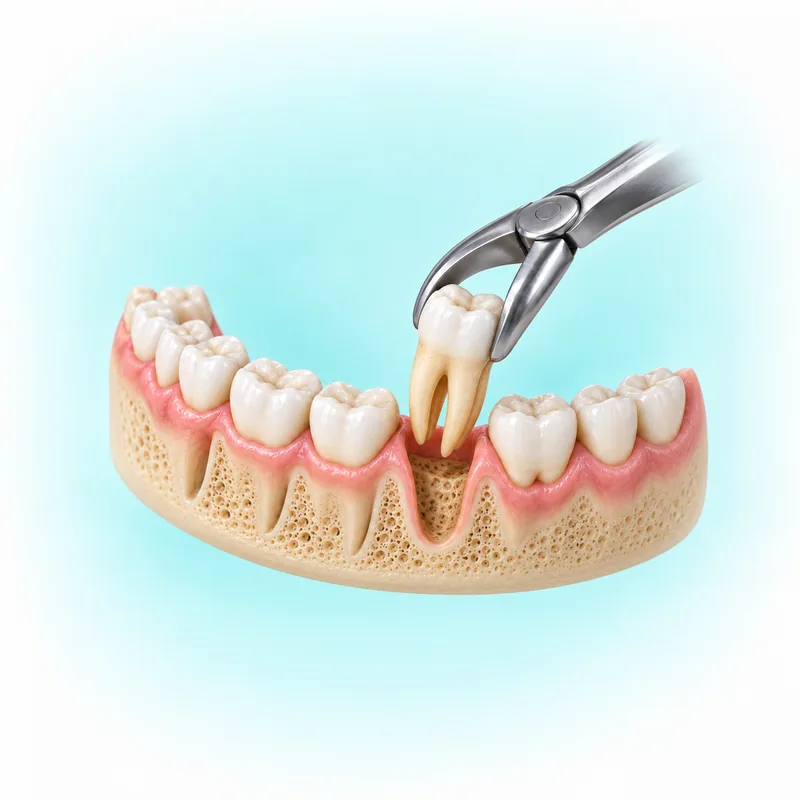
A definitely permanent tooth knocked completely out needs immediate dental care. If safe and feasible, handle the crown (the normally visible part) rather than the root, gently rinse visible dirt in milk, saline or saliva, attempt prompt replantation and support it with a gentle bite on clean gauze. If that cannot be done safely, keep it moist during immediate transport. Never replant a baby tooth; serious injury or an unconscious person needs medical priority.
Dental injuries in baby teeth
Primary-tooth decisions account for the permanent tooth developing underneath and the child's ability to tolerate treatment. A primary lateral displacement that does not interfere with the bite may be observed; severe sideways displacement may need child-specialist repositioning, or extraction when there is a risk of the tooth being breathed into the airway. This specific primary lateral-injury example is not a rule for every baby-tooth displacement.
Sources (2)
For a fractured baby tooth, a child-oriented team may smooth a sharp enamel edge (the hard outer tooth layer), cover exposed dentin, the layer beneath enamel, or consider pulp-preserving care when the pulp is exposed. Depth and cooperation change the choice. If a knocked-out baby tooth cannot be found, clinicians assess a tooth pushed into its socket, embedded in soft tissue or breathed into the airway and arrange medical assessment when indicated.
Sources (2)
Review and protecting against another injury
Follow-up is chosen for the tooth and injury because pulp or root complications may develop later. A sports mouthguard can reduce the risk of further injury during relevant activities, but cannot eliminate it. The primary-tooth guideline combines available research with expert consensus where evidence is insufficient; no individual tooth-survival outcome can be promised.
Sources (3)
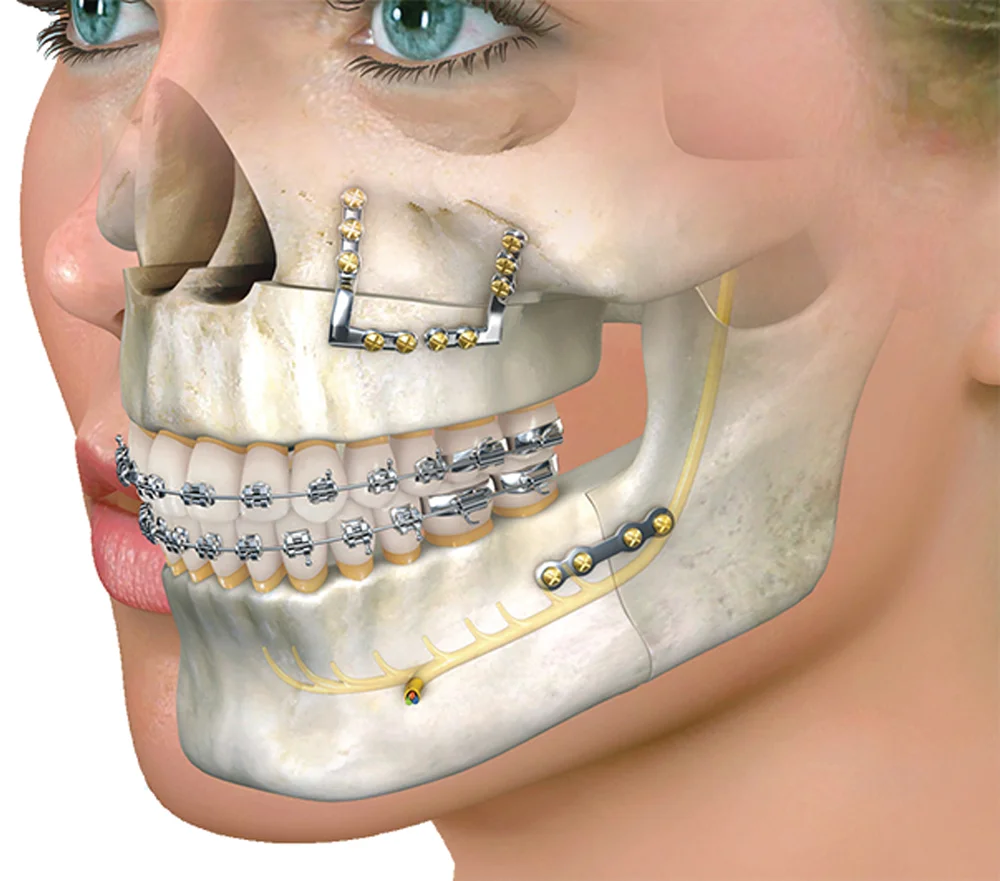
For the wider specialist assessment, see oral and maxillofacial surgery.
Arrange assessment in Gurgaon
Dr. Supreet Kaur Sawhney, MDS, Senior Consultant – Oral & Maxillofacial Surgeon and Senior Implantologist, brings 20+ years of experience to assessment and individual treatment planning. Consult at Dr. Supreet's Dental & Implant Centre, 395 P, Sector 39, near Medanta Hospital, Gurugram (Gurgaon), Haryana 122001. Contact the clinic, call +91 9650298009, or view the Sector 39 clinic. Medical danger signs need emergency assessment; do not wait for a routine appointment.