Narrow-Diameter Dental Implants in Gurugram
When the bone supporting teeth (jawbone ridge) is narrow or the space between neighbouring teeth is limited, a narrower implant may be considered—but reducing its diameter also increases the risk of implant or component fracture. Dr. Supreet Kaur Sawhney, MDS, is a Senior Consultant – Oral & Maxillofacial Surgeon and Senior Implantologist with 20+ years of experience. She can assess the space, bone and proposed restoration before discussing the trade-offs.
Discuss the width and strength trade-off with Dr. Supreet
A useful consultation should connect the available ridge width or tooth gap with the forces and restoration the implant would support. A narrow implant may reduce the need or extent of adding bone at the side of the jaw to increase its width (lateral augmentation) in some anatomy, but it is not a universal substitute for augmentation or another treatment. Dr. Supreet's assessment can also consider a bridge, a different denture design or no replacement, depending on function and circumstances.
Sources (2)
For a clinic appointment, visit Dr. Supreet's Dental & Implant Centre, 395 P, Sector 39, near Medanta Hospital, Gurugram (Gurgaon), Haryana 122001. View the Sector 39 clinic location, other consultation locations, or contact the clinic. Call or WhatsApp +91 9650298009 to ask about an appointment.
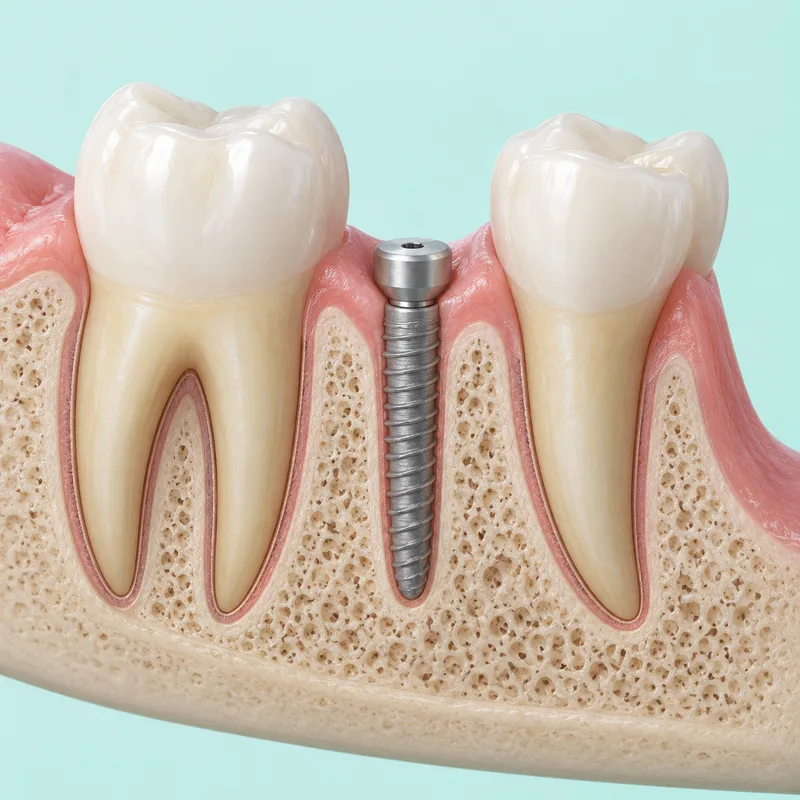
How a narrower implant changes planning
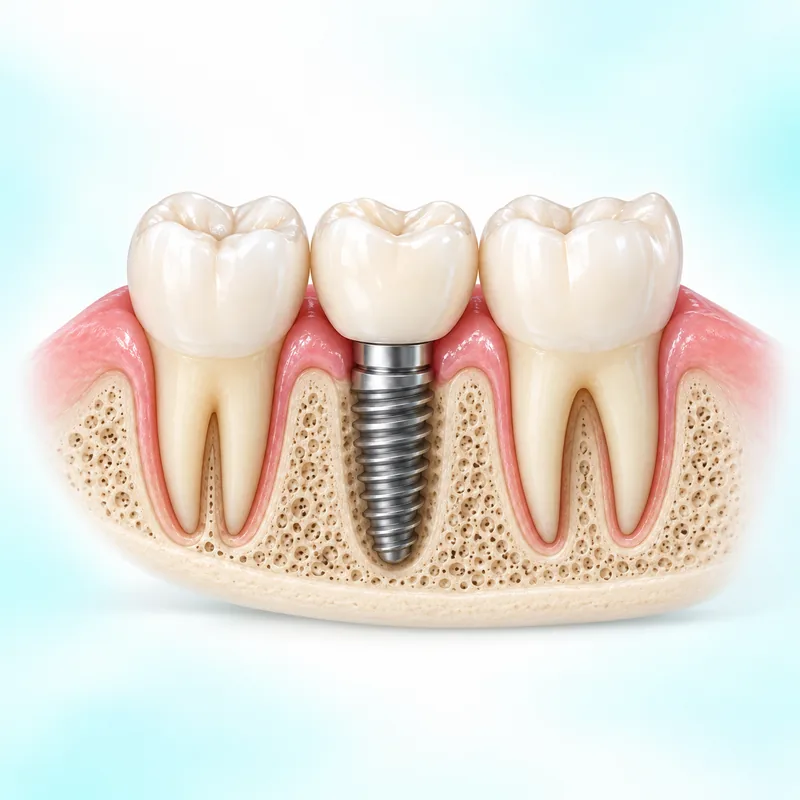
The 2018 International Team for Implantology (ITI) classification uses 3.5 millimetres or less in diameter for narrow-diameter implants. This measurement describes implant width; suitability also depends on the site and planned restoration.
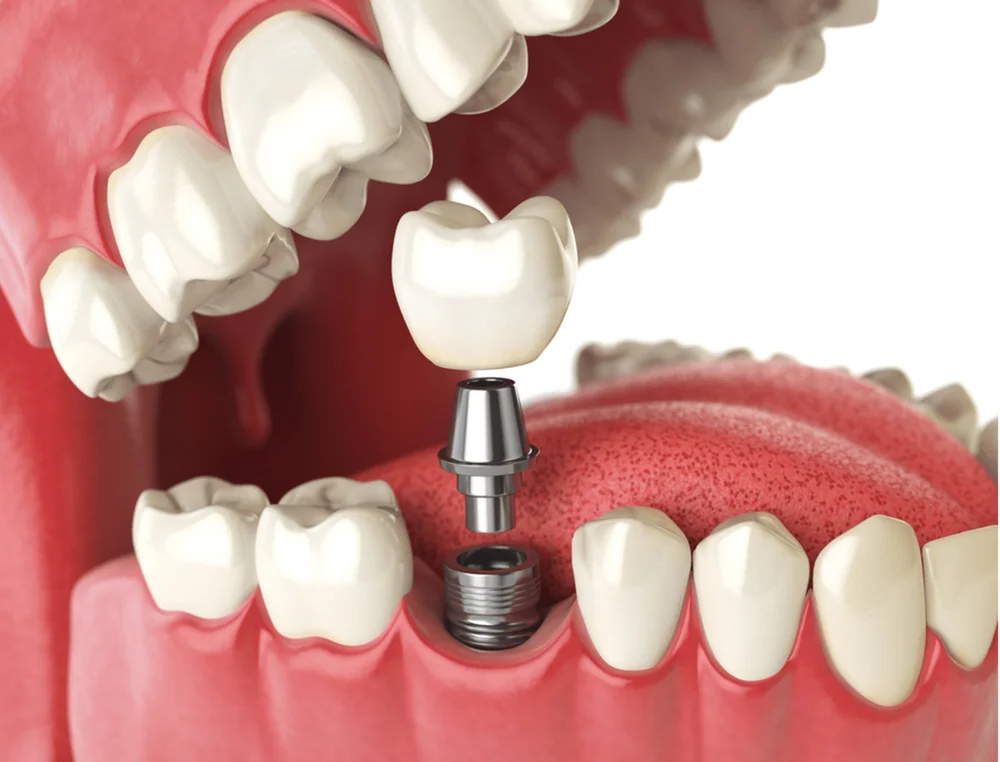
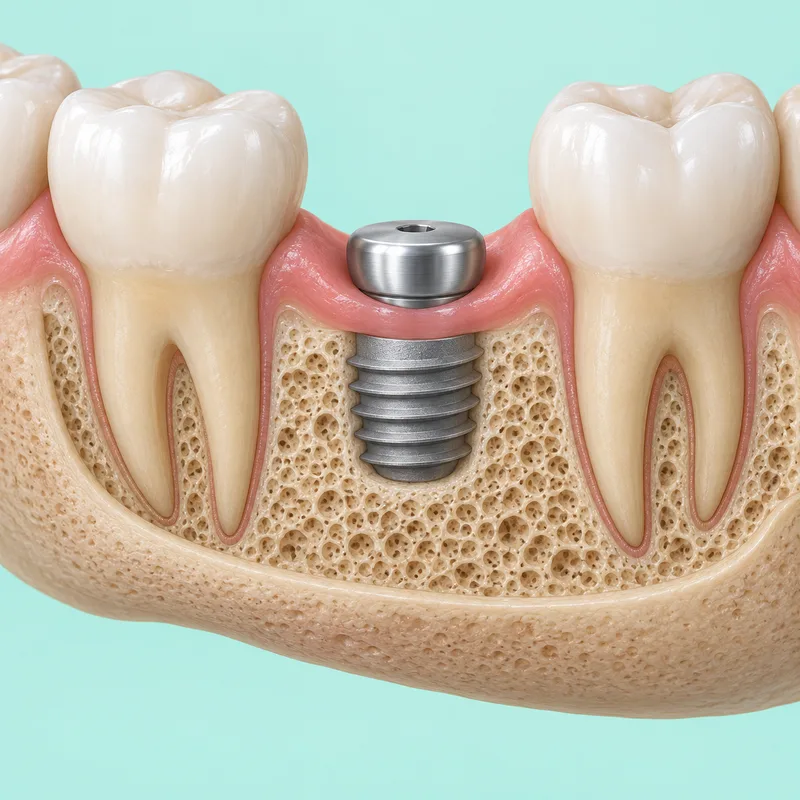
An implant body is placed in the jawbone; an abutment connects it to the crown or other replacement. The 2018 ITI guidance says selection should take account of clenching or grinding, how the teeth meet, and the design of the replacement teeth. It also discusses whether replacement teeth should be joined together as an individual decision in light of reduced implant strength and bone contact. These considerations do not establish a single design for every patient.
Sources (2)
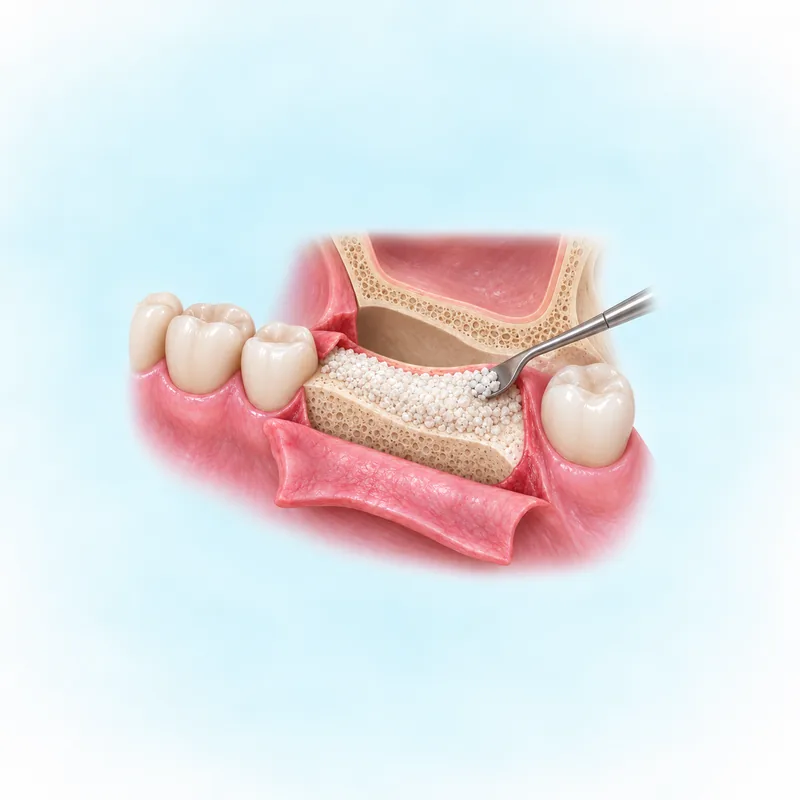
Assessment may include general health, medicines, smoking, examination and imaging selected for the clinical question. Radiographs (X-rays) or impressions (moulds of the mouth) may help with planning. If the bone cannot support the planned implant, adding bone may still be considered; using a narrower implant does not always avoid bone grafting.
Sources (3)
Placement, healing and maintenance
A conventional placement procedure prepares a site in the jawbone and inserts the implant under local anaesthesia (numbing the area). Other approaches and anaesthetic plans are possible; the exact plan depends on assessment. Soreness, swelling, bruising or minor bleeding can occur after implant surgery, and recovery varies. Risks depend on the site and procedure and can include injury to nearby teeth, nerves or other structures. Infection or failure to integrate with bone can lead to implant loss. Smoking can impair healing and longer-term implant outcomes.
Sources (4)
- Guy’s and St Thomas’ NHS Foundation Trust: Dental Implants: Having a Dental Implant
- Guy’s and St Thomas’ NHS Foundation Trust: Dental Implants: Overview
- US Food and Drug Administration: Dental Implants: What You Should Know
- Guy’s and St Thomas’ NHS Foundation Trust: Dental Implants: After Having a Dental Implant
Regular cleaning and professional follow-up remain necessary. Follow the surgical team's instructions for cleaning around the operated area while it heals. Contact the treating team promptly for pain, a feeling that the implant is loose, or worsening swelling or discomfort. Bleeding that does not stop after surgery needs urgent assessment; if it remains uncontrolled, seek appropriate local emergency care.
Sources (3)
Read the dental implant consultation guide for the broader replacement decision. The single-tooth implant guide focuses on a one-tooth gap; the full-arch implant guide considers replacement across a whole jaw.