Apicoectomy in Gurugram
Persistent inflammation around the tip of a previously root-treated tooth may lead to a discussion about apicoectomy, also called root-end surgery. It removes the root tip and nearby inflamed or infected tissue; a small filling may be placed at the cut end to seal the canal, the narrow channel inside the tooth root. Whether this tooth-preserving operation, nonsurgical retreatment or removal is reasonable depends on the diagnosis and alternatives. Dr. Supreet Kaur Sawhney, MDS, is a Senior Consultant – Oral & Maxillofacial Surgeon and Senior Implantologist with more than 20 years of experience. Her consultation can help clarify why the area remains inflamed and which next step merits consideration.
Root-end surgery and retreatment address different parts
Nonsurgical retreatment works through the canal inside the tooth: it removes the previous filling material, then cleans and examines the canal system again. Persistent disease or a new problem in a previously treated tooth may be reasons to discuss it. Missed narrow canals, complex anatomy, new decay or a leaking filling or crown can contribute to problems after the first treatment.
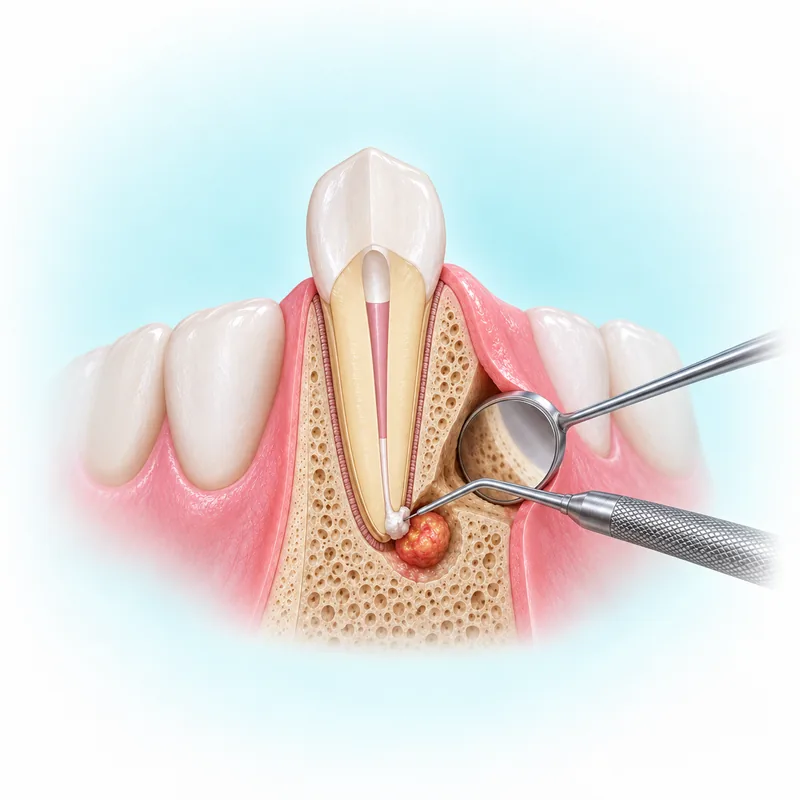
Apicoectomy approaches the root from the gum side. The gum is opened to expose the bone and root end; the root tip and adjacent inflamed or infected tissue are removed, and a root-end filling may seal the canal. Surgery may be considered when a blocked canal cannot be managed nonsurgically, provided the tooth can still be restored. Persistent root-end inflammation may prompt the discussion after alternatives have been evaluated; it does not make surgery automatic.
Keeping the tooth is one part of the decision
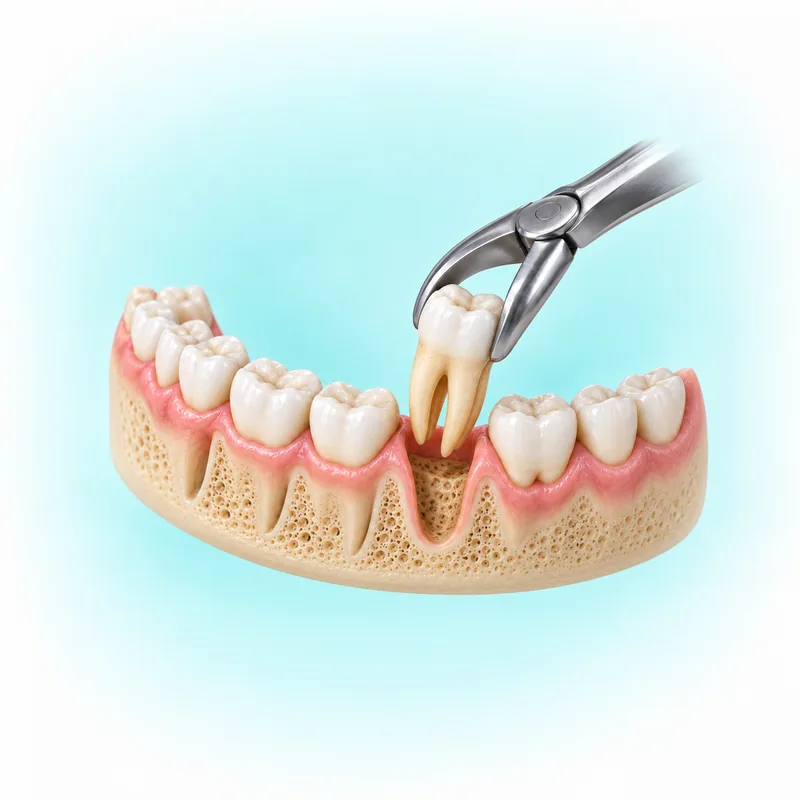
For some teeth, retreatment or root-end surgery may preserve the tooth. Severe root fracture, inadequate support in the jaw or inability to restore the tooth can mean keeping the tooth may not be possible. The discussion should establish what is causing the problem, whether the tooth can be rebuilt after treatment and what extraction would mean; no website can predict the outcome for an individual tooth.
What healing and follow-up can involve
Endodontic surgery is usually performed with local anaesthetic to numb the area. Some discomfort and slight swelling may occur while the gum cut heals. Recovery after this surgery differs from recovery after a nonsurgical root-canal treatment. Stitches support gum healing while bone healing continues over the following months; this describes a general process, not a personal recovery timetable. Follow the treating team's instructions. Contact the dentist if pain does not respond to the advised care.
A suspected dental infection needs urgent dental care and should not be treated as routine post-operative soreness. Difficulty breathing, speaking or swallowing, major swelling in the mouth, swelling or pain around the eye, sudden vision changes or difficulty opening the mouth require emergency medical attention. Use local emergency care; no foreign telephone number applies.
For the wider specialist consultation and care-setting options, see oral and maxillofacial surgery in Gurugram.
Discussing apicoectomy in Gurugram
Dr. Supreet’s Dental & Implant Centre is at 395 P, Sector 39, near Medanta Hospital, Gurugram (Gurgaon), Haryana 122001. Bring previous root-canal records, relevant X-rays or scans, and a list of medicines. You can ask whether the problem may be addressed by cleaning the canal again, treating the root end surgically or discussing removal, and what would make each option suitable. View the Sector 39 clinic location, other consultation locations, or contact the clinic. Call or WhatsApp +91 9650298009.