Full-Arch Dental Implants in Gurugram
Replacing all the teeth in one jaw begins with a choice about the kind of teeth you want to live with: a fixed implant restoration, an implant-retained removable denture or a conventional complete denture. A full-arch plan addresses one whole jaw; a full-mouth plan may involve both. Dr. Supreet Kaur Sawhney provides full-arch dental implant assessment in Gurugram, with attention to remaining teeth, suitable alternatives and the care each option needs.
Planning a whole-jaw replacement with Dr. Supreet
Dr. Supreet is an MDS, Senior Consultant – Oral & Maxillofacial Surgeon and Senior Implantologist with 20+ years of experience. Her assessment brings the surgical foundation and the intended replacement teeth into one discussion. It can help clarify whether any natural teeth should be preserved, whether implants are suitable and whether fixed or removable teeth fit your needs and preferences.
Bring existing records or a proposed whole-jaw plan to Dr. Supreet's Dental & Implant Centre in Sector 39. The decision should explain the alternatives as well as the treatment being proposed.
A whole arch does not need an implant for every tooth
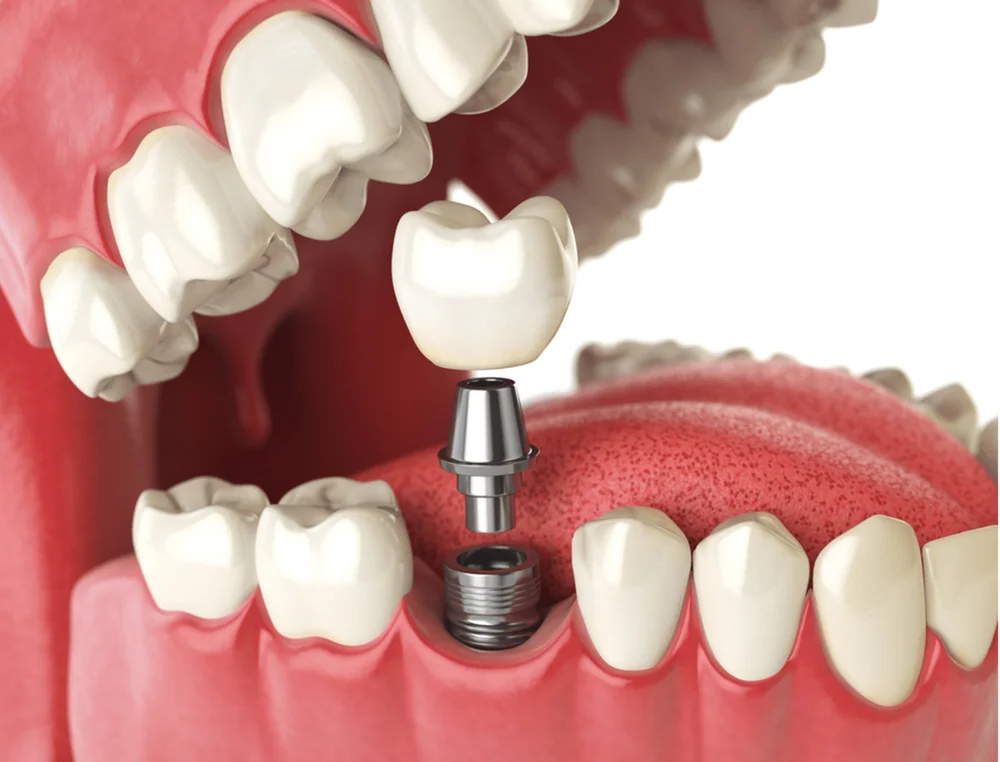
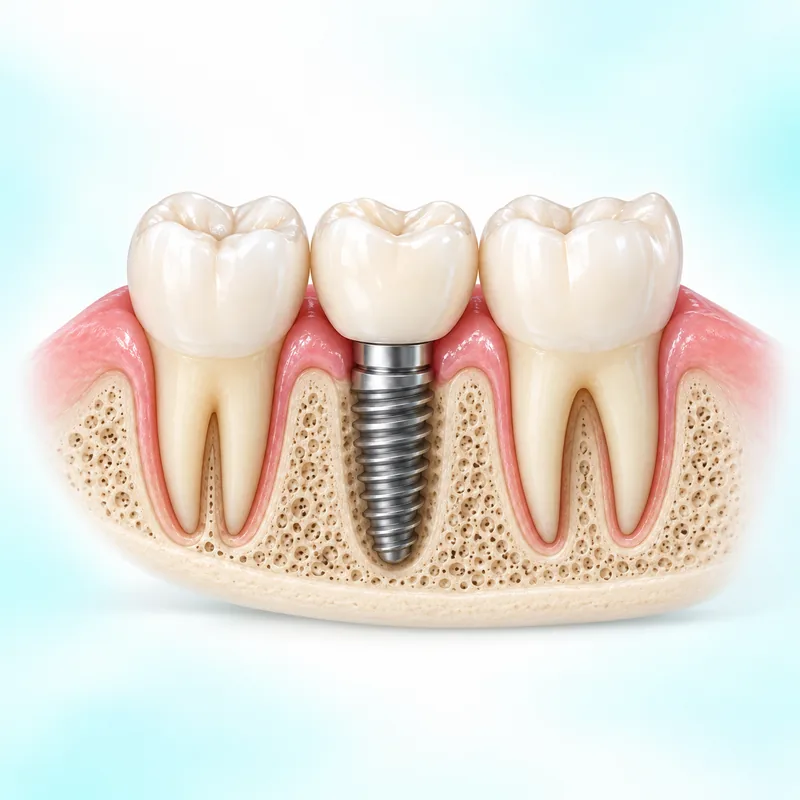
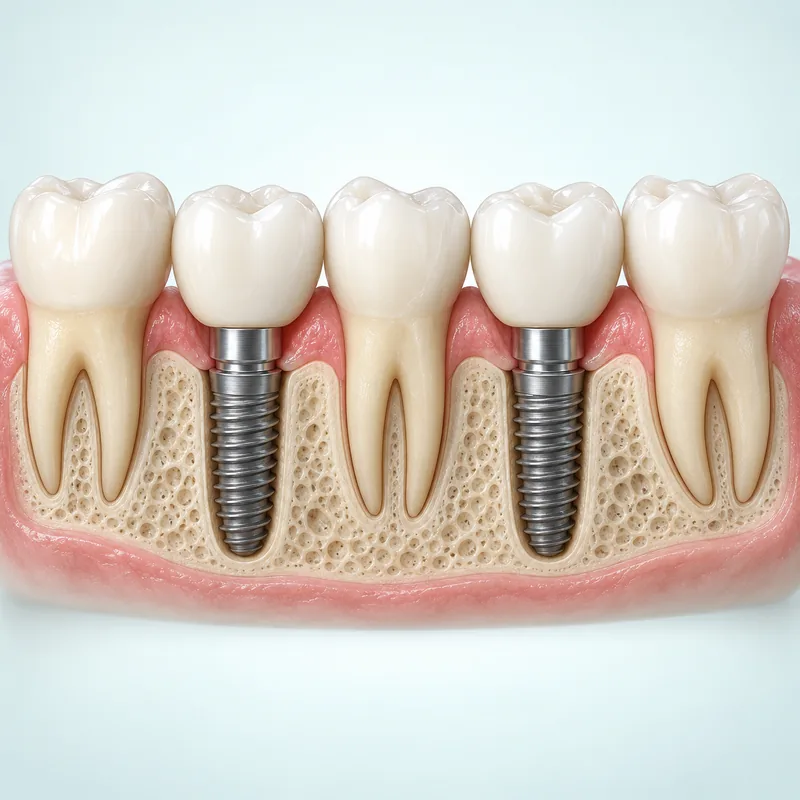
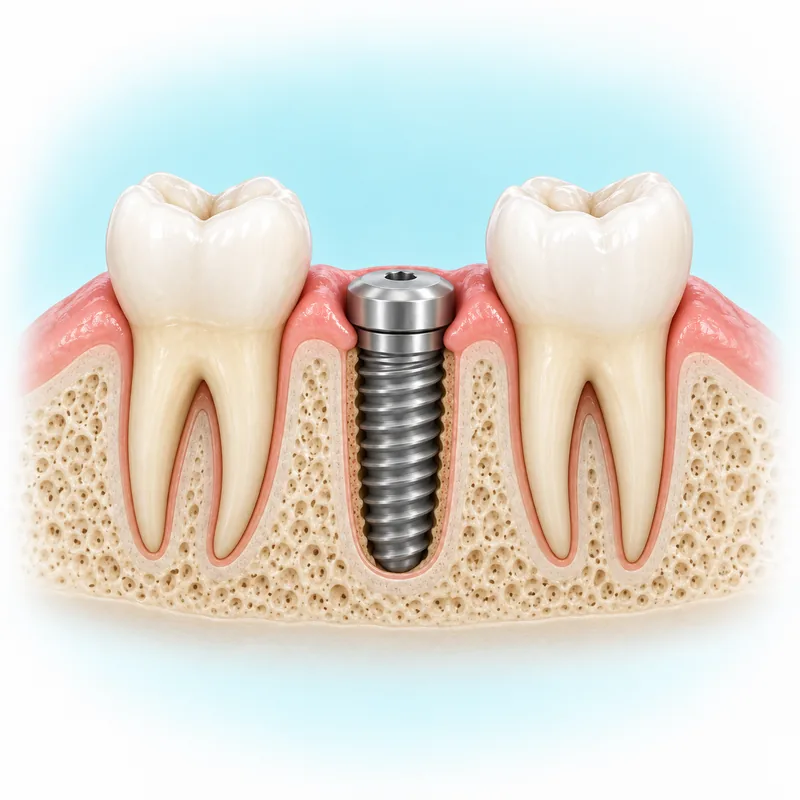
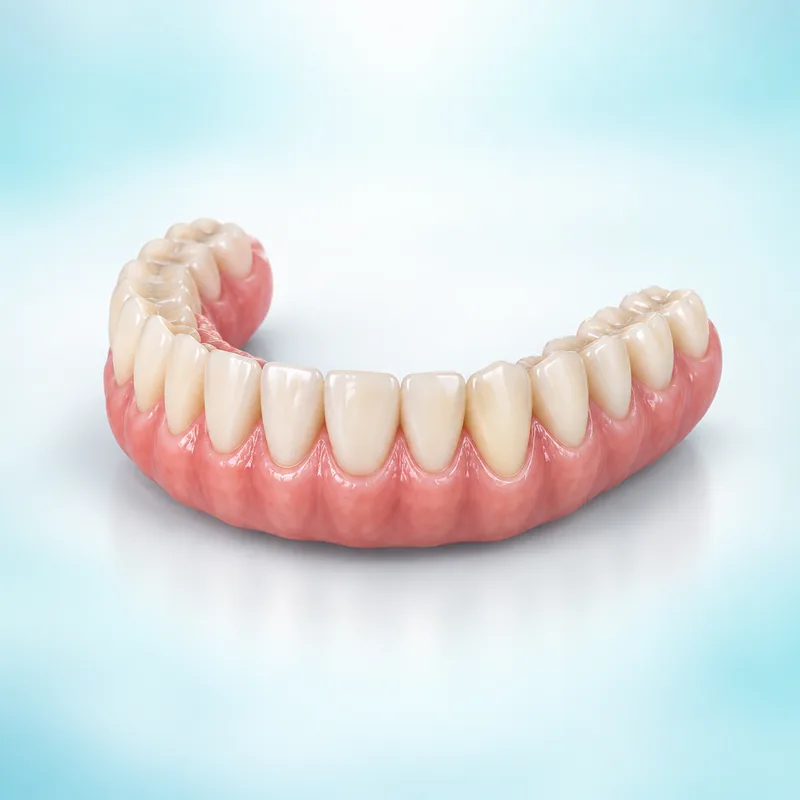
Several implants can support a complete set of teeth in a toothless jaw. The restoration combines the implants in the bone, connecting components called abutments and the replacement teeth. These parts are planned together; a full-arch replacement does not mean one implant for every new tooth.
Where natural teeth remain, their potential for preservation should be considered before removing them for a full-arch implant plan. Full-mouth rehabilitation is the broader assessment of teeth, gums, restorations and bite; it does not automatically mean replacing everything with implants.
Fixed teeth, removable implant teeth or a complete denture?
A fixed implant restoration stays in place and is not removed by you. A removable implant denture can be taken out for cleaning; the supporting implants themselves stay in the bone. Whether a fixed restoration uses screws or cement is a separate design choice.
An implant-retained removable restoration is a legitimate alternative to a fixed whole-arch replacement, rather than an automatically inferior option. The choice considers anatomy, clinical needs and your preferences. A conventional complete denture is a non-implant option for replacing a toothless jaw and should also be part of the discussion.
The practical comparison should include which option you want, how it will be cleaned and what professional care it needs. Feeling satisfied with a restoration and measuring whether an implant or the restoration survives are different outcomes: evidence about patient experience cannot be used as a survival guarantee.
For more detail, explore implant-retained overdentures. If a fixed four- or six-support proposal is being discussed, the All-on-4 assessment guide and All-on-6 assessment guide address those narrower design decisions.
Establishing whether implants have a suitable foundation
General health affects implant suitability and healing. The assessment includes medical conditions and medicines, alongside the mouth examination. X-rays and impressions, which record the shape of the mouth, may be selected to answer particular planning questions. If existing bone cannot support the planned implants, bone building may be needed; it is not necessary in every case.
The treatment stages follow those findings and the chosen replacement. A full-arch label does not establish a fixed schedule, promise immediate final teeth or guarantee that grafting can be avoided. The wider dental implant guide explains how an individual replacement plan is developed.
Risks and recovery need their own discussion
Implant surgery may injure nearby teeth, nerves or other structures; the risks depend on the sites and procedure. Infection or failure of an implant to join the bone can cause implant loss. Smoking can impair healing and longer-term outcomes.
Soreness, swelling, bruising and minor bleeding may occur after surgery, with recovery varying between patients. Follow the surgical team's cleaning instructions around the operated area at each stage of healing. Regular cleaning and professional follow-up remain necessary after the replacement is in use.
Report pain or a feeling that an implant is loose promptly. Contact the treating team if swelling, discomfort or another problem worsens in the days after surgery. Bleeding that remains uncontrolled needs urgent local emergency care; it is different from a small amount of initial oozing.
Arrange your full-arch consultation in Gurgaon
Dr. Supreet's Dental & Implant Centre is at 395 P, Sector 39, Near Medanta Hospital, Gurugram, Haryana 122001. Bring any records and explain whether your main concern is complete tooth loss, an unstable denture or a proposed extraction and replacement plan. Assessment can clarify the options, further records needed, maintenance and an estimate based on a defined treatment plan.