Sinus Lift in Gurugram
A sinus lift (sinus augmentation) may be considered when there is too little bone beneath the sinus in the back of the upper jaw to support a planned implant. Dr. Supreet Kaur Sawhney, MDS, is a Senior Consultant – Oral & Maxillofacial Surgeon and Senior Implantologist with more than 20 years of experience. Her assessment can help determine whether this area needs augmentation and whether another implant or tooth-replacement plan should be discussed.
Why the sinus matters in the upper jaw
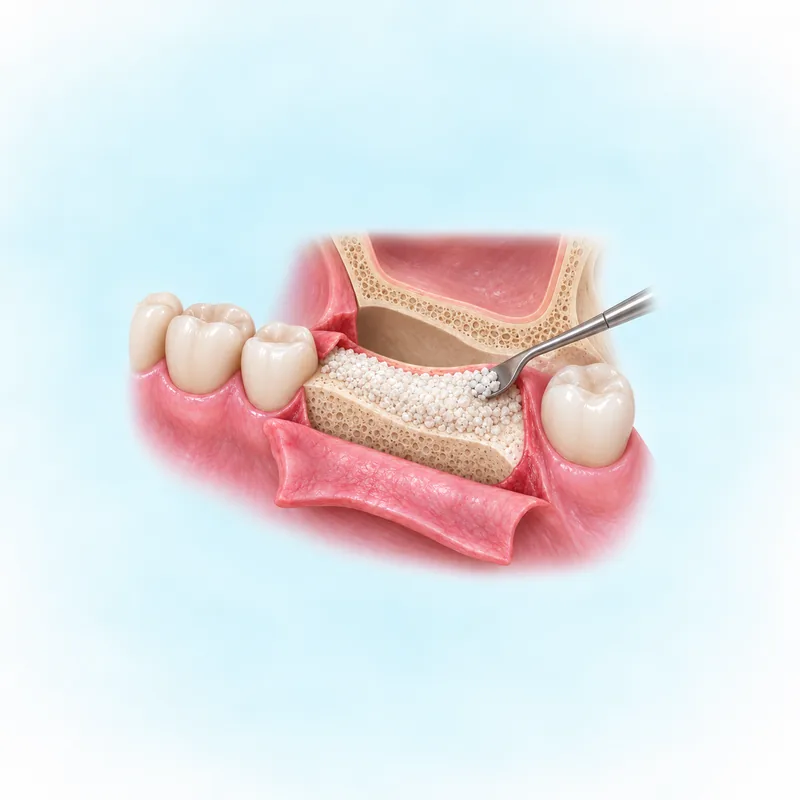
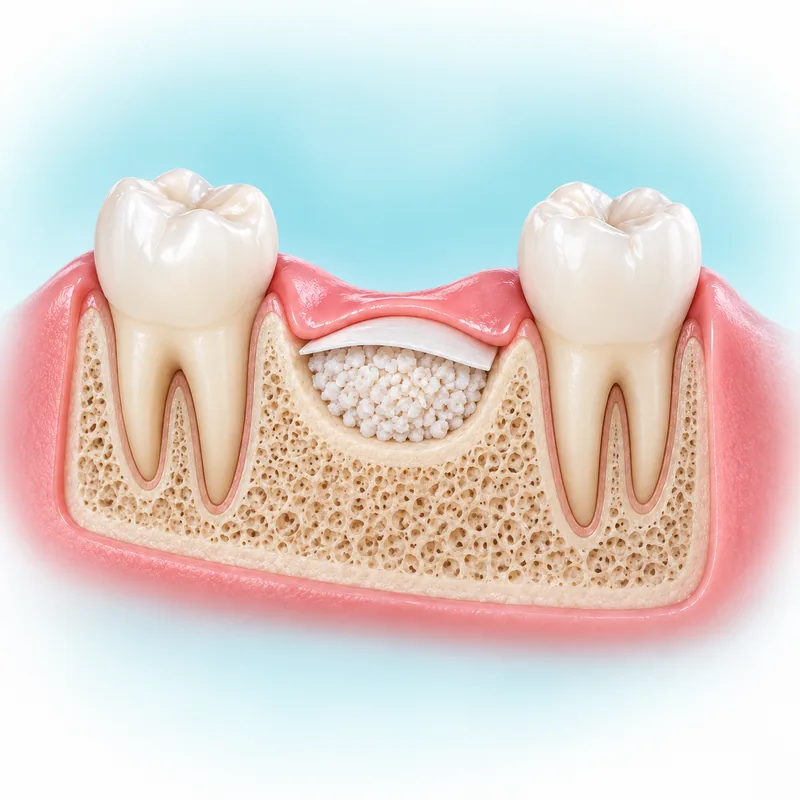
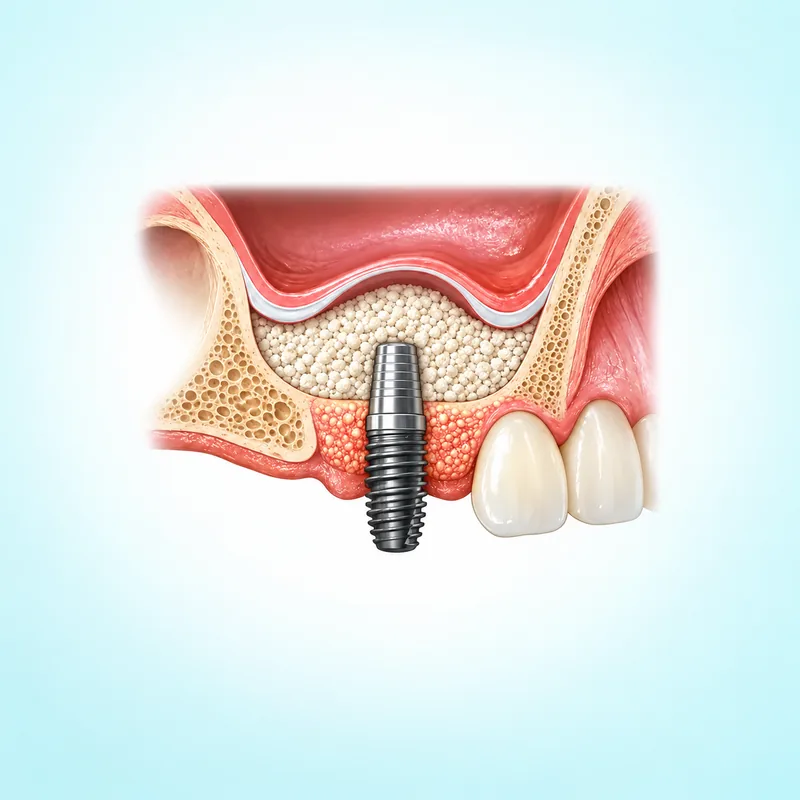
The sinus is an air space above the back upper teeth. Sinus augmentation raises the floor region to develop bone for possible implant support. It is considered when the posterior upper jaw does not have enough bone beneath the sinus; imaging and site planning are needed to assess suitability.
The amount of bone already present, the site anatomy and the implant plan help guide the access route. A Cambridge hospital guide describes options in its own pathway; those examples do not set a universal technique. Implant placement may be planned with the sinus lift or in separate steps, depending on the site and treatment plan.
Comparing sinus augmentation with other plans
A sinus lift is one way to address limited bone in this particular part of the upper jaw. Depending on the anatomy and restoration goal, a clinician may also discuss a shorter implant, positioning an implant elsewhere, a bridge or a denture. Each option has its own requirements, so the comparison needs to account for the teeth and bone available and how the replacement will function.
Dr. Supreet’s Dental & Implant Centre is at 395 P, Sector 39, near Medanta Hospital, Gurugram (Gurgaon), Haryana 122001. A consultation can focus on what the imaging shows beneath the sinus, what alternatives fit the treatment goal and why a particular route or timing is being considered. View the Sector 39 clinic location, other consultation locations, or contact the clinic. Call or WhatsApp +91 9650298009.
Materials, anaesthesia and planning questions
Before grafting, ask which graft products are proposed and whether their components are human, animal-derived or synthetic. The site, amount of grafting and patient preference inform that choice; these facts do not establish one material as universally better. Medical conditions, medicines and smoking should also be part of the assessment.
A Cambridge patient leaflet says most procedures in its pathway use local anaesthetic (medicine that numbs the area) while the patient is awake. Sedation (medicine to help you relax) or general anaesthetic (when you are asleep) may be considered for difficult or multiple procedures. This describes one hospital's pathway, not a rule for every sinus lift. Ask the treating team what is planned for your case.
Risks, aftercare and warning signs
The thin lining of the sinus can tear during treatment; the surgeon may need to repair it or postpone the graft. Other possible complications include an infection in the sinus, the graft becoming exposed through the gum, bleeding or an opening between the mouth and sinus. These are possible risks, not inevitable outcomes, and their relevance varies with the patient and technique.
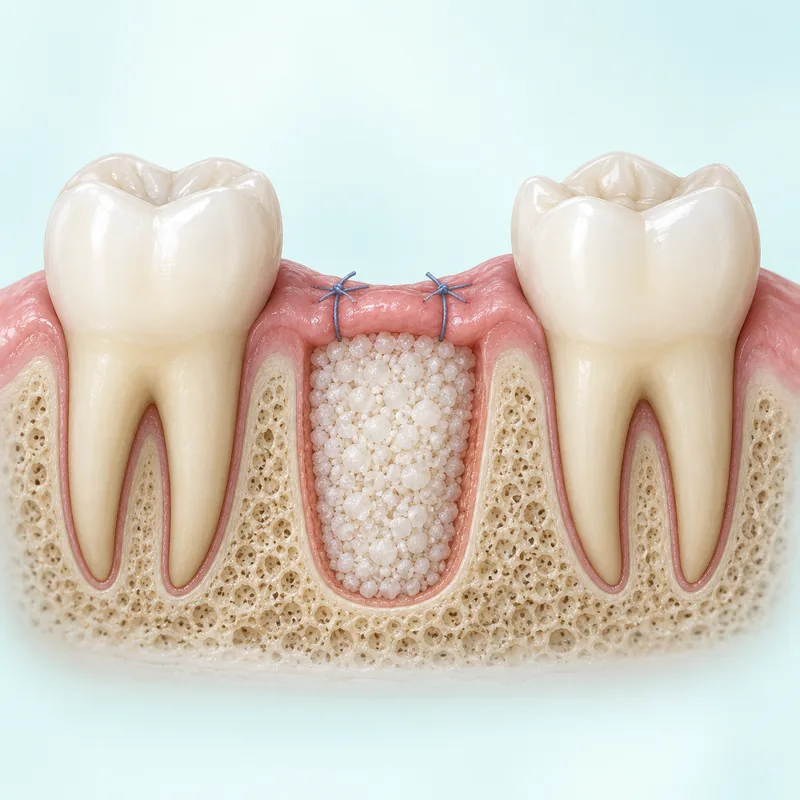
After surgery, the instructions may restrict nose blowing to reduce pressure on the site. Follow the interval given by the treating surgeon because it is specific to the procedure and care plan. Even after a graft heals, there may still be too little bone for the intended implant; further grafting may be considered, but it is not automatic. A follow-up checks the site and may include stitch removal if needed before implant treatment continues. A Cambridge hospital guide describes this in its pathway; timing and stitch plans vary with the technique and local care.
Contact the treating surgeon if pain or swelling worsens after the first two days, bleeding is persistent or bright red and continuous, the graft appears to have moved, or you develop a fever or feel unwell. The cited hospital guidance distinguishes this from slow, dark-red oozing; follow the local emergency instructions given by your own team.
For the broader implant-site overview, see bone grafting and sinus lift in Gurugram. Guided bone regeneration addresses barrier-based repair of other implant-site defects. The existing bone-grafting and sinus-lift guide explains how these decisions can affect implant planning.