Conservative TMJ Treatment in Gurugram | Dr. Supreet
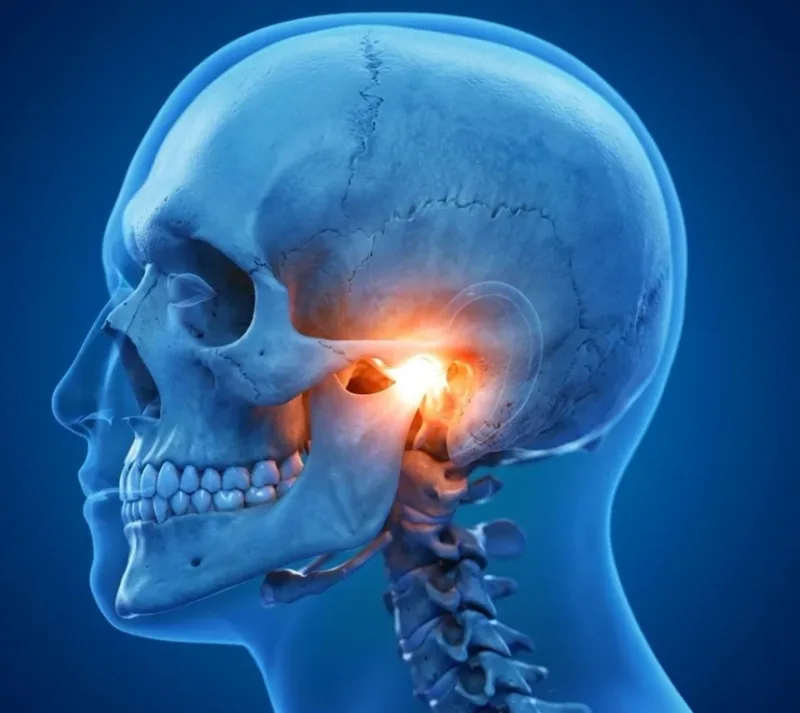
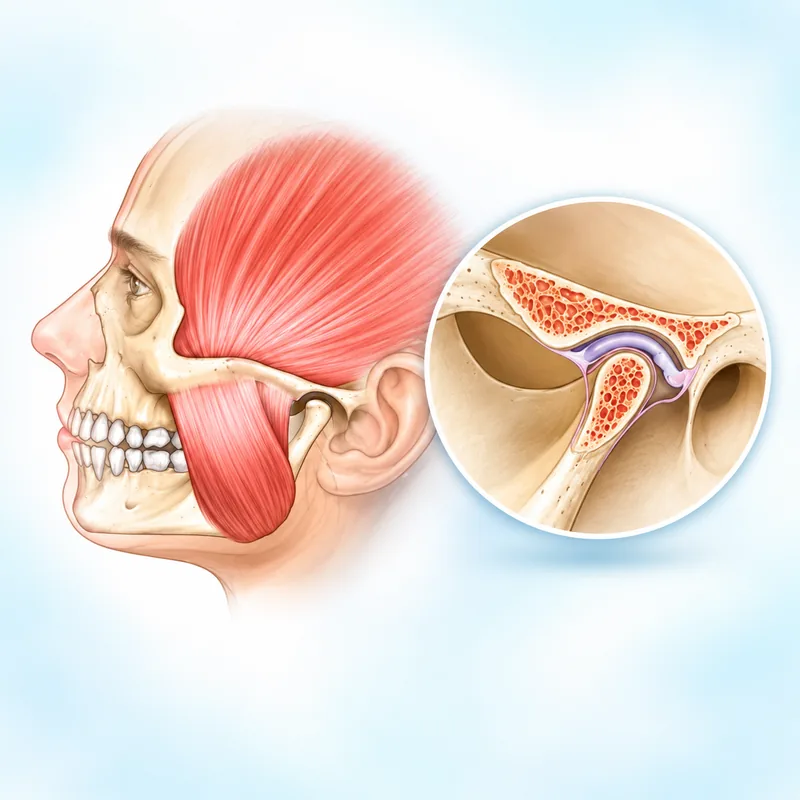
Jaw-joint pain and chewing-muscle symptoms can have different causes, so conservative care starts with assessment rather than an assumed diagnosis. Dr. Supreet Kaur Sawhney, MDS, Senior Consultant – Oral & Maxillofacial Surgeon and Senior Implantologist with 20+ years of experience, can review the symptom history and examination findings and discuss whether simple, reversible steps are appropriate. Temporomandibular disorders (TMD) involve the jaw joints, chewing muscles and sometimes associated headaches; TMD is an umbrella term, not one single diagnosis. The temporomandibular joint (TMJ) is the joint that moves the jaw.
What assessment is for
A clinician uses the history and examination to understand the pattern of pain, movement, clicking or chewing difficulty, and considers other possible causes of facial pain. Imaging may be recommended when it helps answer a specific question; there is no single test that diagnoses every temporomandibular disorder (TMD). A painless jaw click alone usually does not need treatment, while pain, locking or limited movement changes the assessment.
The parent TMJ treatment overview introduces assessment and treatment choices. The oral and maxillofacial surgery guide explains Dr. Supreet's broader jaw and oral-surgery assessment scope. The patient article jaw pain, clicking and TMJ disorders explains common symptoms and conservative care. Many TMD symptoms improve without treatment, and reversible approaches are generally considered before invasive treatment; the choice depends on the diagnosis.
Reversible steps during a painful flare
Depending on the symptoms, temporary self-care may reduce demand on sore jaw muscles:
- choose softer foods for a short time so chewing takes less effort;
- use comfortable heat or cold with a protective layer between the pack and skin, and gentle massage of the jaw muscles;
- reduce gum chewing and notice clenching, which can add load to the jaw.
These measures may ease symptoms but do not identify their cause or guarantee that they will resolve.
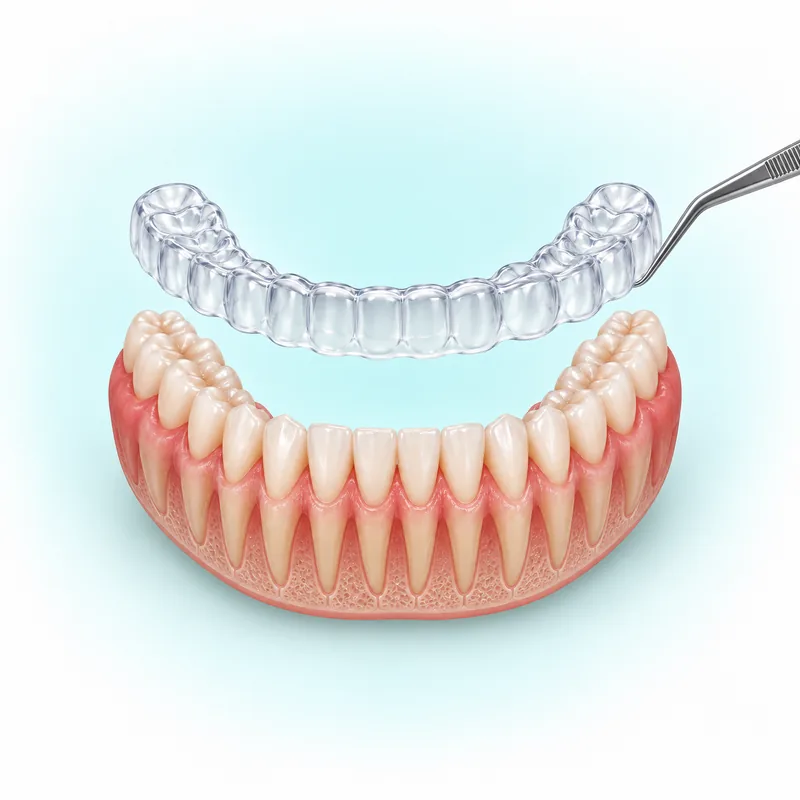
A dentist or doctor can reassess the type of TMD and other possible causes if simple self-care does not help. Depending on that assessment, options may include physical therapy, behavioural care or an oral appliance (a device worn over the teeth). The benefit of oral appliances for TMD pain is uncertain, and treatment should not permanently change the teeth or bite as a routine response. A removable occlusal splint therapy guide explains one appliance option separately; it should not be treated as a guaranteed cure or a universal recommendation.
A clinician may also discuss pain medicine, but evidence is limited on which medicine works best for TMD pain, and some prescription options can have serious adverse effects. Ask whether a medicine is suitable for you and how long to take it; this page does not provide an individual drug or dose.
When to seek urgent assessment
Seek urgent assessment if jaw symptoms make you unable to eat or drink, or if jaw pain occurs with visual symptoms or a severe headache. These features can have causes other than TMD and should not simply be labelled as a jaw-joint problem.
A consultation with Dr. Supreet
Dr. Supreet's MDS and Oral & Maxillofacial Surgery background is relevant to assessing concerns involving the jaws and related facial structures. Bring any referral notes, previous records and a current medicines list if available. The consultation can clarify what needs assessment, whether imaging may answer a clinical question and which reversible options are reasonable; it does not commit you to an appliance or procedure.
Dr. Supreet's Dental & Implant Centre is at 395 P, Sector 39, near Medanta Hospital, Gurugram (Gurgaon), Haryana 122001. Contact the clinic or call +91 9650298009; view the Sector 39 clinic location.