Occlusal Splint Therapy in Gurugram | Dr. Supreet
An occlusal splint is a removable appliance that fits over the teeth. Dr. Supreet Kaur Sawhney, MDS, Senior Consultant – Oral & Maxillofacial Surgeon and Senior Implantologist with 20+ years of experience, can assess jaw-joint or chewing-muscle symptoms and discuss whether an appliance is suitable as part of conservative care. A splint should not be treated as an automatic answer to jaw pain: benefit depends on the problem being assessed, and evidence that splints improve temporomandibular disorder (TMD) pain is limited.
What an appliance can and cannot promise
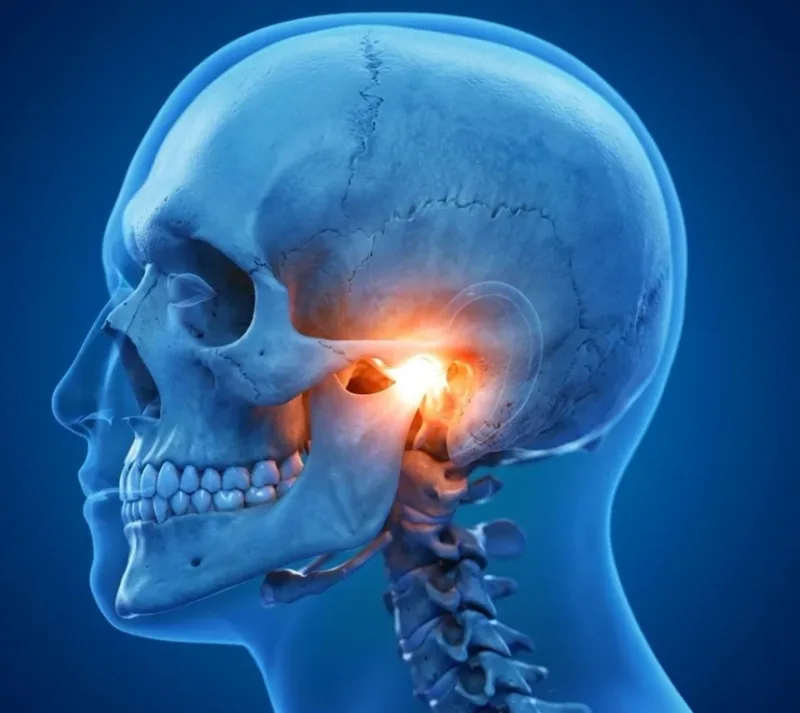
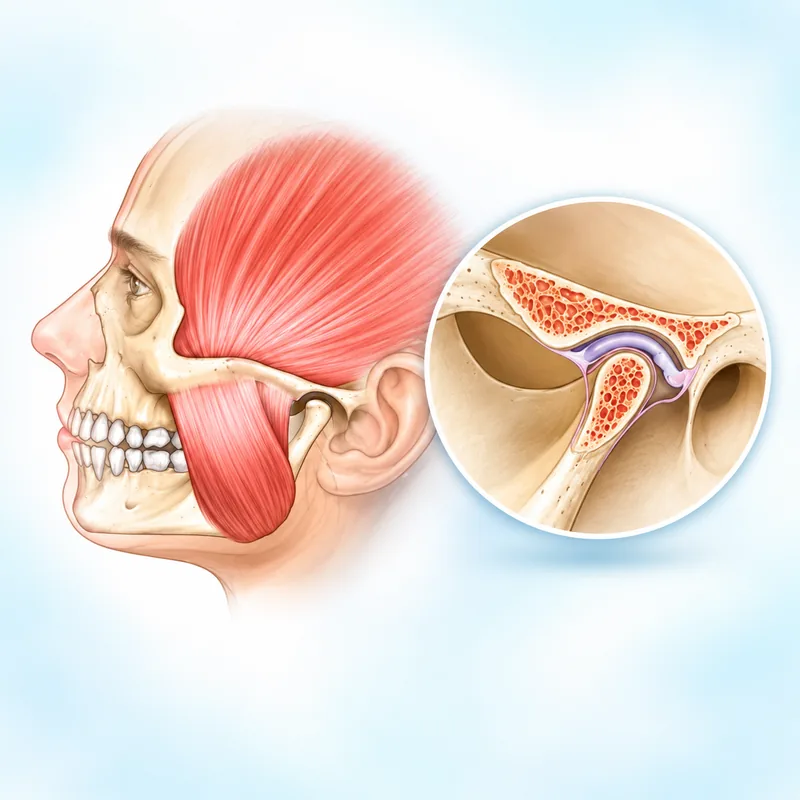
Temporomandibular disorders (TMDs) include conditions affecting the jaw joints and chewing muscles, sometimes with associated headaches. Assessment uses the symptom history and examination, with imaging when indicated and other possible causes considered. Many TMD symptoms improve without treatment, and reversible care is generally considered before invasive options.
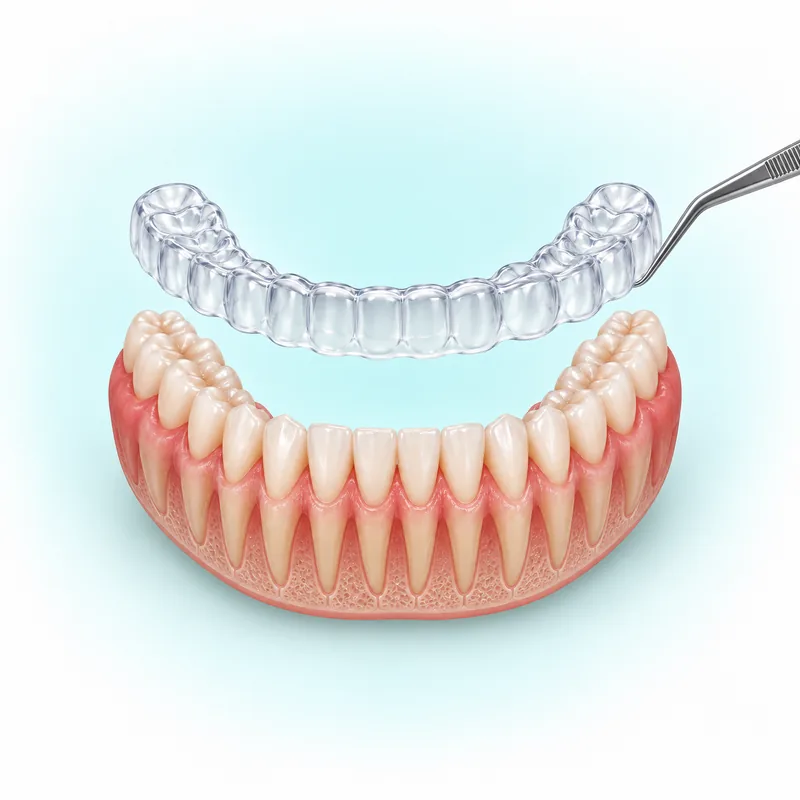
An intraoral splint, also called a bite guard, fits over teeth. It should not permanently alter the teeth or bite. Evidence that splints reduce TMD pain is limited; protecting teeth from wear is a separate outcome and should not be presented as proof that jaw pain will improve.
The parent TMJ treatment overview introduces assessment and treatment choices. The oral and maxillofacial surgery guide covers broader assessment of jaw concerns. For general reversible care and symptom questions, read the patient article jaw pain, clicking and TMJ disorders. The separate conservative TMJ treatment guide explains care beyond a removable appliance.
Choosing and fitting an appliance
Whether a removable appliance merits discussion depends on the assessment and the purpose. Do not assume that the same design or wear plan suits every person. Patient guidance about guards used for clenching or grinding describes a soft splint as flexible and a hard stabilisation splint as having an even biting surface; some people may clench more or wear through a soft guard quickly. This source-specific description does not show that one type is better for TMD pain or that either is right for a particular patient.
The dentist providing a guard should explain when and how to wear it and whether any review or adjustment is needed. The source for a particular hospital-provided guard notes that initial discomfort or extra saliva can occur, but poor fit, sharp edges or gum soreness warrant review. Do not treat ongoing pain as normal adaptation.
Care and monitoring
For a dentist-provided removable bite guard, the cited instructions are to clean the teeth before insertion, avoid eating while wearing it and clean the guard daily with cold water, mild soap and a soft brush. Follow the individual dentist's and product's instructions; this source does not set a universal wear schedule for every appliance.
If the appliance causes pain, stop using it and arrange assessment by the dentist or doctor who recommended it. The appliance is one possible element of care, not a guarantee or a reason to permanently change the bite.
When jaw symptoms need urgent assessment
Seek urgent assessment if you cannot eat or drink, or if jaw pain occurs with visual symptoms or a severe headache. These symptoms may have causes other than TMD and should not be attributed automatically to the jaw joint.
Discussing the option with Dr. Supreet
Dr. Supreet's MDS and Oral & Maxillofacial Surgery background is relevant to the assessment of jaw symptoms and whether a reversible option merits discussion. Bring any prior advice or records and ask what the appliance is intended to do, what evidence supports that goal, how it should be worn and cleaned, and what changes should prompt review. The recommendation and follow-up depend on assessment, not on the name of the device alone.
Dr. Supreet's Dental & Implant Centre is at 395 P, Sector 39, near Medanta Hospital, Gurugram (Gurgaon), Haryana 122001. Contact the clinic or call +91 9650298009; view the Sector 39 clinic location.