Immediate Dental Implant Placement in Gurugram
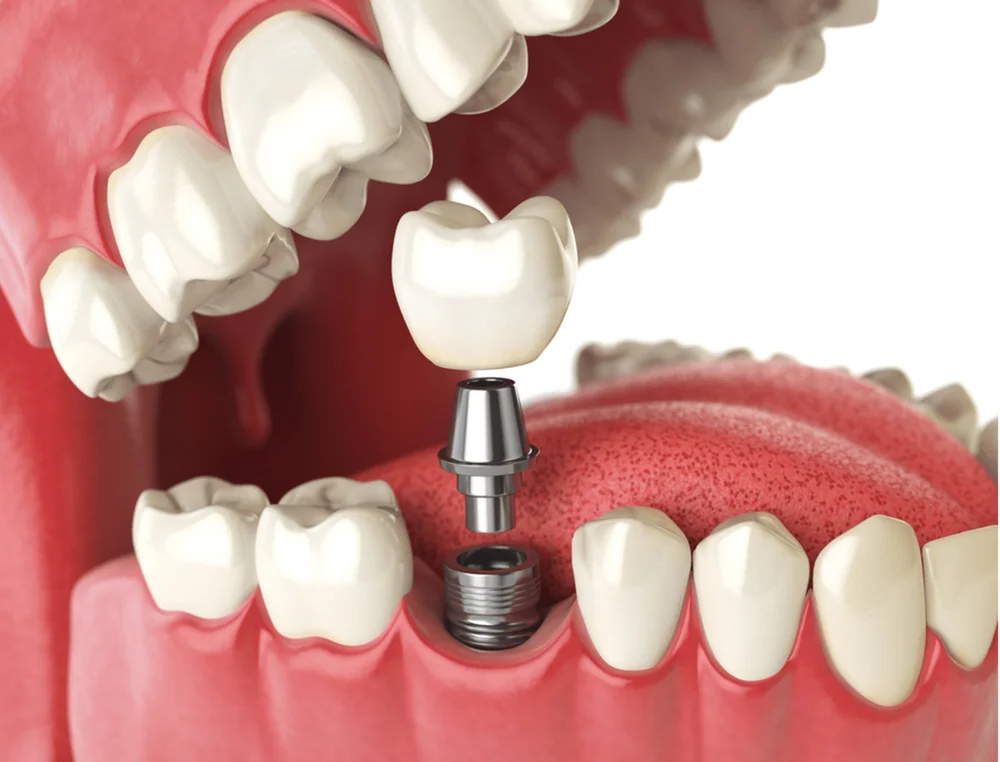
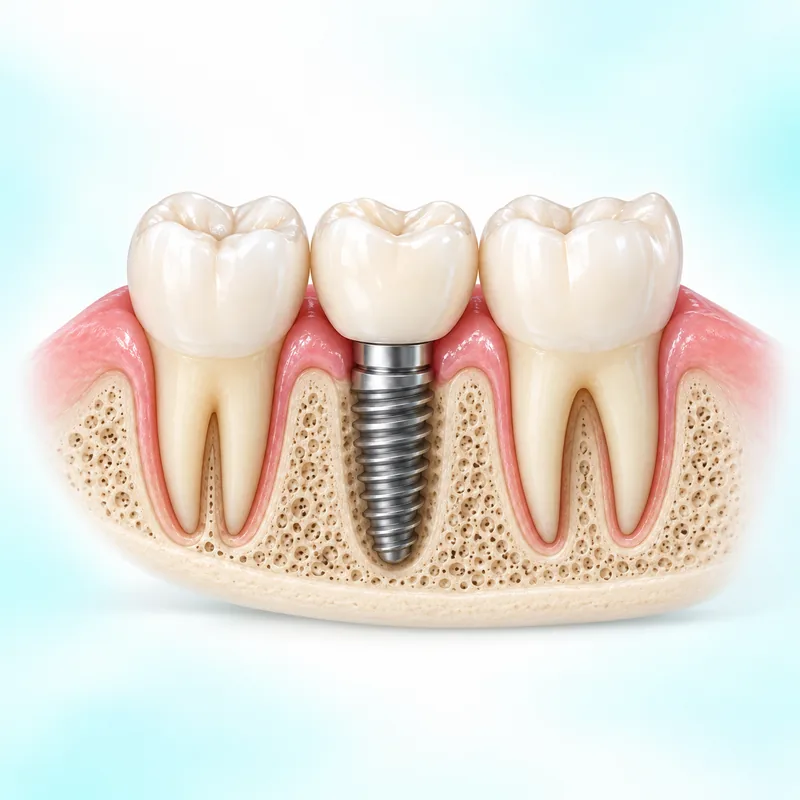
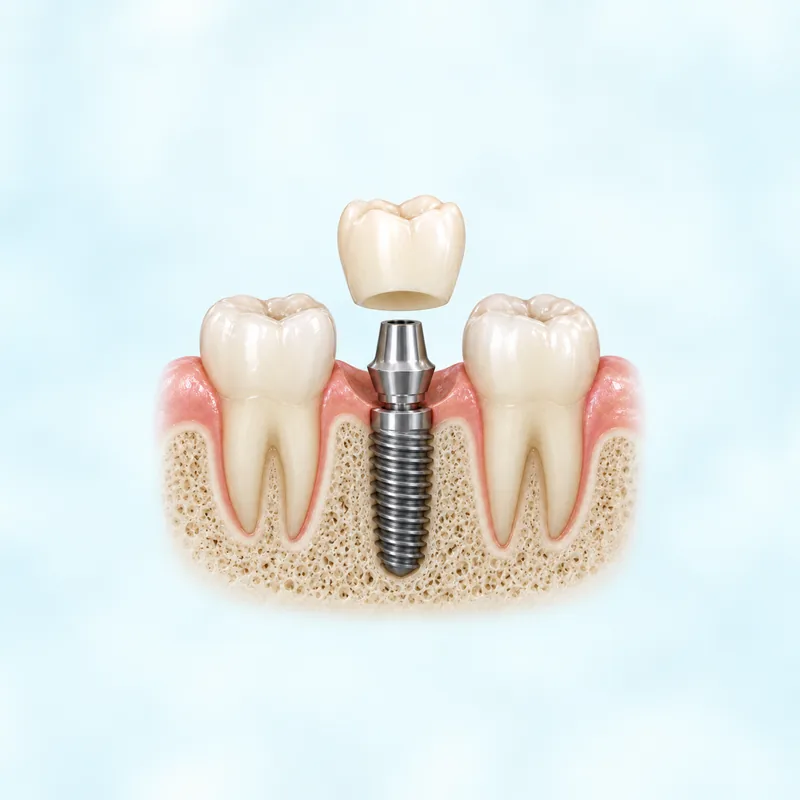
If a tooth needs removal, immediate implant placement means inserting the implant on the extraction day. It answers when the implant goes into the jaw; it does not automatically answer when replacement teeth can be used in the bite. Dr. Supreet Kaur Sawhney provides immediate implant planning in Gurugram, assessing the extraction site and the intended replacement before an extraction-day approach is agreed.
Planning the extraction-day decision with Dr. Supreet
Dr. Supreet is an MDS, Senior Consultant – Oral & Maxillofacial Surgeon and Senior Implantologist with 20+ years of experience. Her consultation considers whether immediate placement fits the site and how the replacement tooth will be managed afterwards. Bring any existing records and explain whether you are asking about implant placement, a visible temporary tooth or teeth you can use in the bite; these are separate parts of the plan.
At Dr. Supreet's Dental & Implant Centre in Sector 39, that discussion can also establish the alternative if findings at extraction do not support the intended immediate approach.
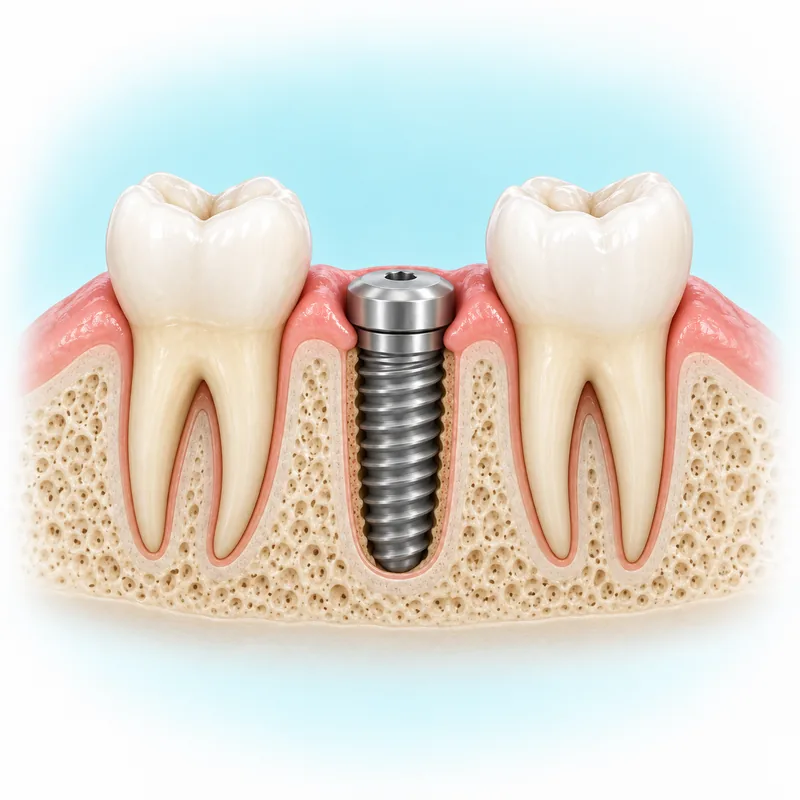
Placement timing is different from tooth-loading timing
Immediate placement is insertion on extraction day. Early placement follows soft-tissue healing or partial bone healing instead. The International Team for Implantology (ITI) gives examples of 4–8 or 12–16 weeks for these early categories. Its late-placement category follows complete bone healing more than six months after extraction; other literature may use the word delayed differently. These describe categories, not a personal timetable.
Loading refers to connecting replacement teeth that meet the opposing teeth in the bite. In the ITI classification, immediate loading is within one week of implant placement. A replacement kept out of bite contact is a separate immediate-restoration category. Conventional loading follows more than two months of healing without a connected restoration. Placement timing and loading timing must therefore be discussed independently.
The immediate-loading implant guide explains the biting-versus-non-biting distinction in more detail. Your own instructions determine how a temporary replacement can be used.
When extraction-day placement and early teeth are considered together
For a site where some natural teeth remain, the combined approach of immediate placement with immediate restoration or loading has specific selection considerations. These include the shape and walls of the extraction socket (the space left by the removed tooth), the surrounding soft tissues and achievable primary stability—the implant's initial firmness in the bone. The cited ITI criteria also include no acute infection at that site. These considerations belong to this combined approach in partially toothless mouths; they are not a rule for all immediate placement or for whole-jaw implant treatment.
Medical conditions, medicines and general health also influence implant suitability and healing. X-rays and impressions, which record the shape of the mouth, may be used to answer planning questions. If bone support is insufficient for the planned implant, bone building may be needed, although not in every case. Immediate placement does not guarantee that grafting can be avoided.
Agree the fallback before treatment
An intended immediate plan may have to change if conditions found during surgery do not fulfil its requirements. Discuss the alternative before extraction, including how placement and replacement-tooth timing would then be managed. A plan to assess immediate suitability is not a promise that the implant and final tooth will both be completed on extraction day.
The broader dental implant consultation guide explains how replacement options are planned. For the main categories of replacement, read dental implant, bridge and denture options.
Healing, maintenance and warning signs
Implant surgery can injure nearby teeth, nerves or other structures, with risks depending on the site and procedure. Infection or failure of an implant to join the bone can lead to implant loss. Smoking can impair healing and longer-term outcomes.
Soreness, swelling, bruising and minor bleeding may occur after surgery; individual recovery varies. Follow the surgical team's cleaning instructions around the operated area at each healing stage. Follow-up appointments assess healing and the ongoing replacement, and regular cleaning and professional reviews remain necessary after treatment ends.
Report pain or a feeling that an implant is loose promptly. Contact the treating team if swelling, discomfort or another problem worsens in the days after surgery. Bleeding that remains uncontrolled needs urgent local emergency care; it is different from a little initial oozing.
Arrange an immediate-placement assessment in Gurgaon
Bring your records and medicine list to Dr. Supreet's Dental & Implant Centre, 395 P, Sector 39, Near Medanta Hospital, Gurugram, Haryana 122001. The consultation can clarify site suitability, further records needed, the fallback and an estimate for the individual plan.