Peri-Implantitis Assessment and Treatment in Gurugram
Peri-implantitis is inflammation around a dental implant together with progressive loss of the bone supporting it. Once a clinician has diagnosed it, treatment aims to control inflammation and retain an implant considered suitable to keep where possible, with reassessment guiding further care. Dr. Supreet Kaur Sawhney provides implant assessment in Gurugram to help clarify the findings, treatment options and continuing care. Bleeding or soreness alone does not establish this diagnosis.
Discussing an existing implant problem with Dr. Supreet
Dr. Supreet is an MDS, Senior Consultant – Oral & Maxillofacial Surgeon and Senior Implantologist with 20+ years of experience. Bring implant records, previous X-rays and any treatment reports so an assessment can connect the tissue findings with the restoration and the proposed next step. The discussion should make clear whether the diagnosis is established, what response is being sought and how progress will be reviewed.
Arrange an assessment at Dr. Supreet's Dental & Implant Centre in Sector 39. This guide concerns care after a peri-implantitis diagnosis; it does not diagnose an implant problem from symptoms on a website.
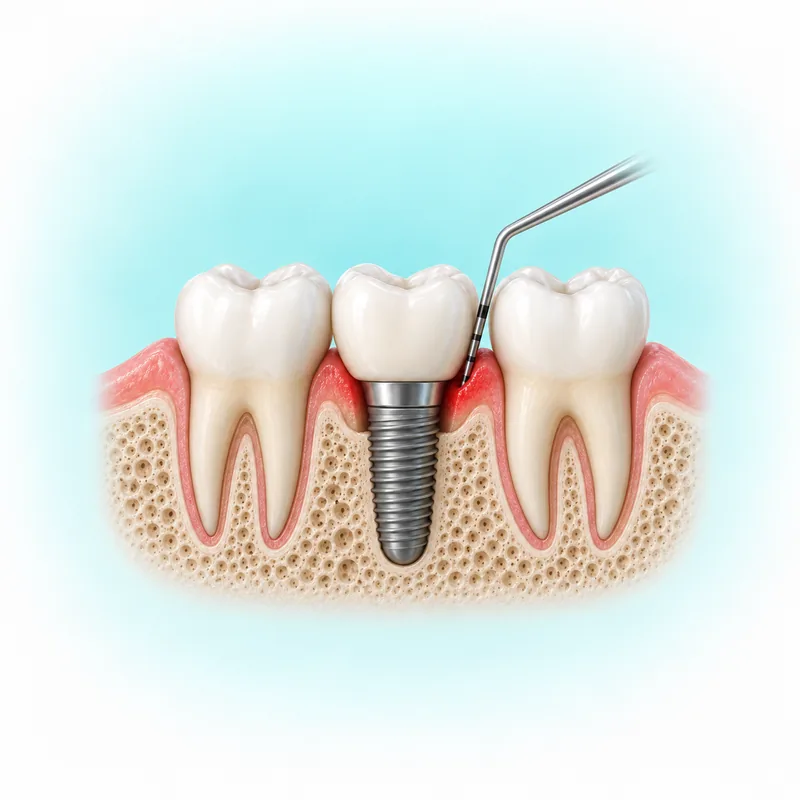
Inflammation and bone loss are different findings
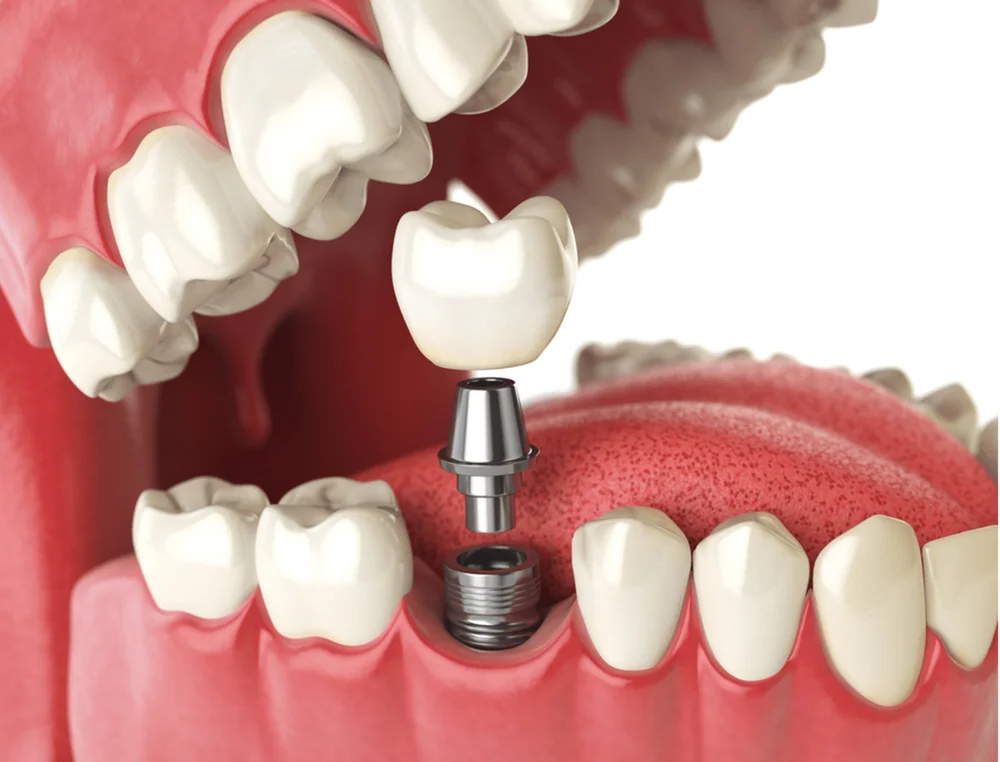
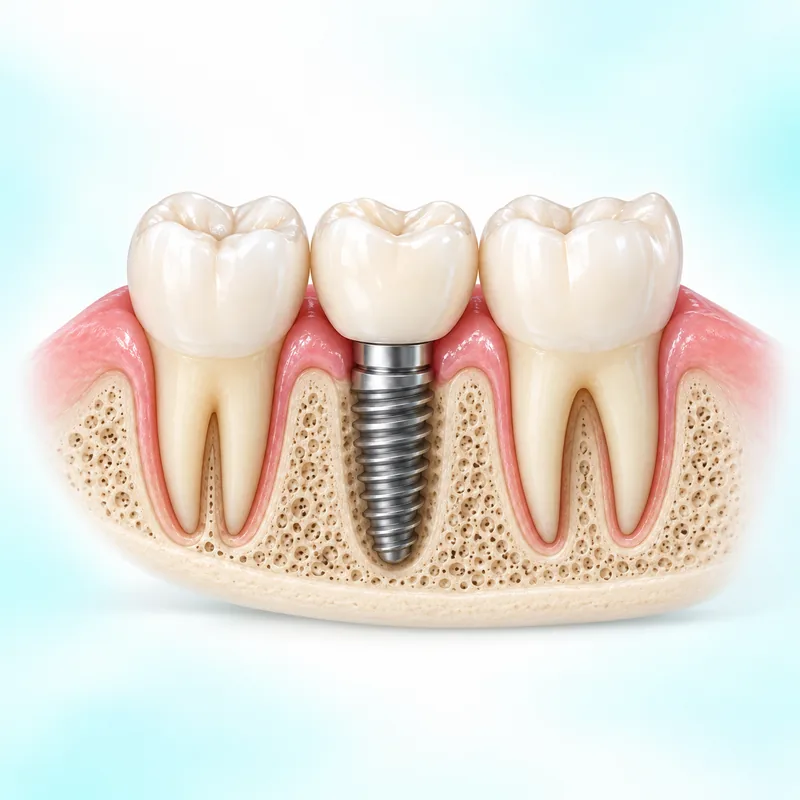
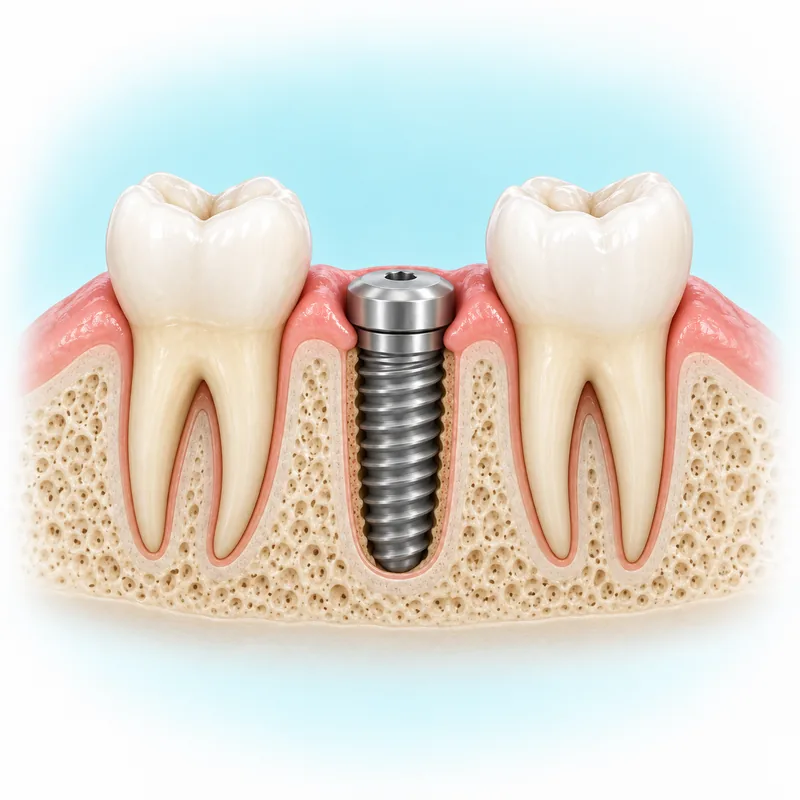
Implants cannot develop tooth decay, but the tissues around them can develop disease. Peri-implant mucositis describes inflammation of the lining around an implant; peri-implantitis is distinguished by progressive loss of supporting bone as well as inflammation. A clinician must interpret the tissue and bone findings together.
Bleeding on gentle probing, swelling, pus or an increased probing depth can indicate inflammation and warrant clinical assessment. Probing depth is the depth of the space checked around the implant with a dental instrument; bleeding and probing are clinician-assessed signs. None of these signs establishes peri-implantitis by itself. Pain or a feeling that an implant is loose should be reported promptly for dental assessment.
What assessment and reassessment look at
Clinical review measures probing depths, bleeding and the position of the tissue margins and considers access for cleaning, comparing with baseline records where available. The replacement teeth and the tissues around the implant are both part of the review.
Ongoing care also updates health and risk information, examines the implant-supported restoration, offers personalised hygiene guidance and includes professional plaque removal. The review interval follows the patient, implant and restoration risks rather than one schedule for everyone.
Treatment begins without surgery and is then reviewed
For diagnosed peri-implantitis, the European Federation of Periodontology (EFP) guideline starts with non-surgical care, initially aiming to retain an implant considered suitable to keep. This includes professional cleaning with instruments above and below the tissue margin around the implant. It is disease treatment, rather than a description of what must happen at every healthy-implant maintenance visit.
The clinician reassesses the response against the planned clinical goals. If those goals are reached, supportive care continues. If the response is inadequate and the implant remains treatable, surgery may be recommended. This step follows reassessment; it is not the automatic first answer to bleeding around an implant.
When surgery may be considered
Surgical approaches can open the gum to gain access, reduce deep pockets around the implant or use selected reconstructive procedures. They expose the affected area, remove inflamed tissue and clean the implant surface. The shape of the bone defect and other findings determine whether a reconstructive approach is appropriate; it cannot be promised to replace all lost bone. Relevant training and the patient's ability to maintain hygiene also matter. These are options to discuss, not a promise of a particular technique for every case.
Treatment can control inflammation but does not restore the original intact tissue support. Recurrence or implant loss remains possible, and outcomes vary with disease and patient factors. A stable result therefore still requires care rather than being described as a permanent cure.
Supportive care after treatment
Daily hygiene and continuing professional care remain necessary. After treatment, supportive visits check the tissues and replacement teeth, reinforce the cleaning plan and allow changes to be recognised. Disease can recur even after it has been treated.
For treated peri-implantitis, the EFP suggests supportive care about every three to four months during the first year, beginning around three months after treatment, followed by an interval tailored to risk. This is a guideline suggestion based on limited evidence, not an immutable schedule or a rule for every healthy implant. The treating team sets the actual interval.
The dental implant maintenance guide covers continuing care more broadly. The dental implant consultation guide explains how the implant and replacement are planned together.
Arrange a peri-implantitis opinion in Gurgaon
If an implant is painful or seems loose, arrange prompt dental assessment. Swelling or pus around it also needs clinical review; avoid deciding the diagnosis or treatment from one symptom.
Bring previous records to Dr. Supreet's Dental & Implant Centre, 395 P, Sector 39, Near Medanta Hospital, Gurugram, Haryana 122001. The assessment can clarify the diagnosis, response to previous care, suitable next steps and an estimate for a defined plan.