Oral and Maxillofacial Surgeon in Gurugram
Oral and maxillofacial surgery in Gurugram covers specialist assessment of conditions involving the teeth, mouth, jaws and related facial structures. Dr. Supreet Kaur Sawhney, MDS, is a Senior Consultant – Oral & Maxillofacial Surgeon and Senior Implantologist with 20+ years of experience. Patients may seek her opinion when a difficult extraction, impacted tooth, jaw concern or complex oral problem needs more than a routine dental appointment.
What the specialty means for a patient
Oral and maxillofacial surgery sits at the point where dentistry and surgery meet. It includes assessment of difficult tooth removal, impacted teeth, surgical implant planning, bone support, selected jaw concerns and other complex problems of the mouth and jaws. The name of the specialty does not mean that surgery is automatically required; it means the concern can be assessed with a surgical perspective.
The first task is to understand the diagnosis and the level of care needed. Observation, non-surgical treatment, restoration, referral, planned surgery or hospital-based care may all be reasonable depending on the findings.
When a specialist opinion may clarify the next step
Patients commonly ask for an assessment when:
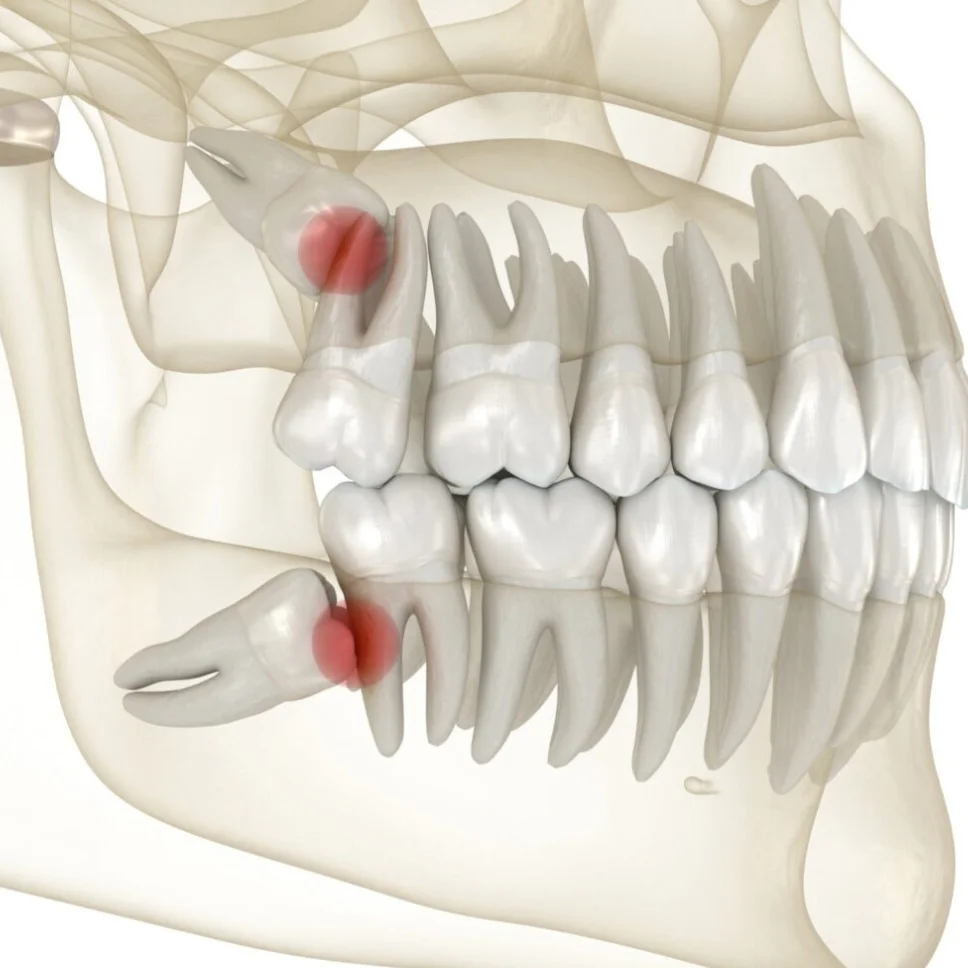
- a tooth is deeply impacted or close to a nerve, sinus or neighbouring root;
- an extraction was described as difficult or a previous attempt was incomplete;
- recurrent infection, swelling or food trapping keeps returning around a tooth;
- a jaw-related concern affects bite, opening, chewing or facial symmetry;
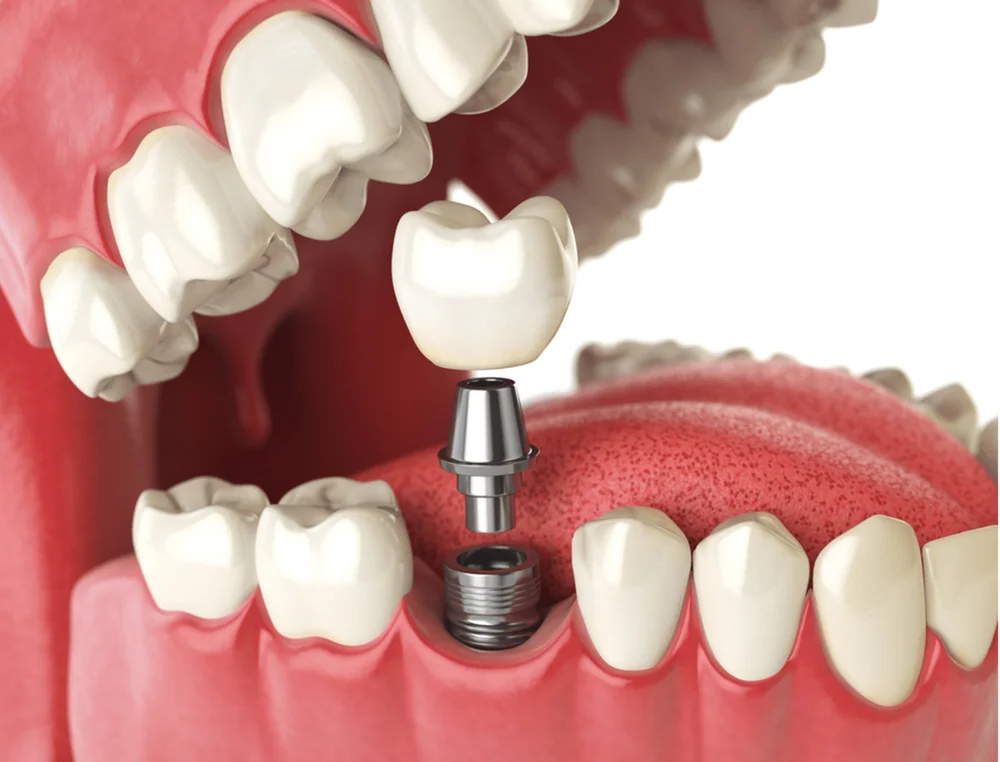
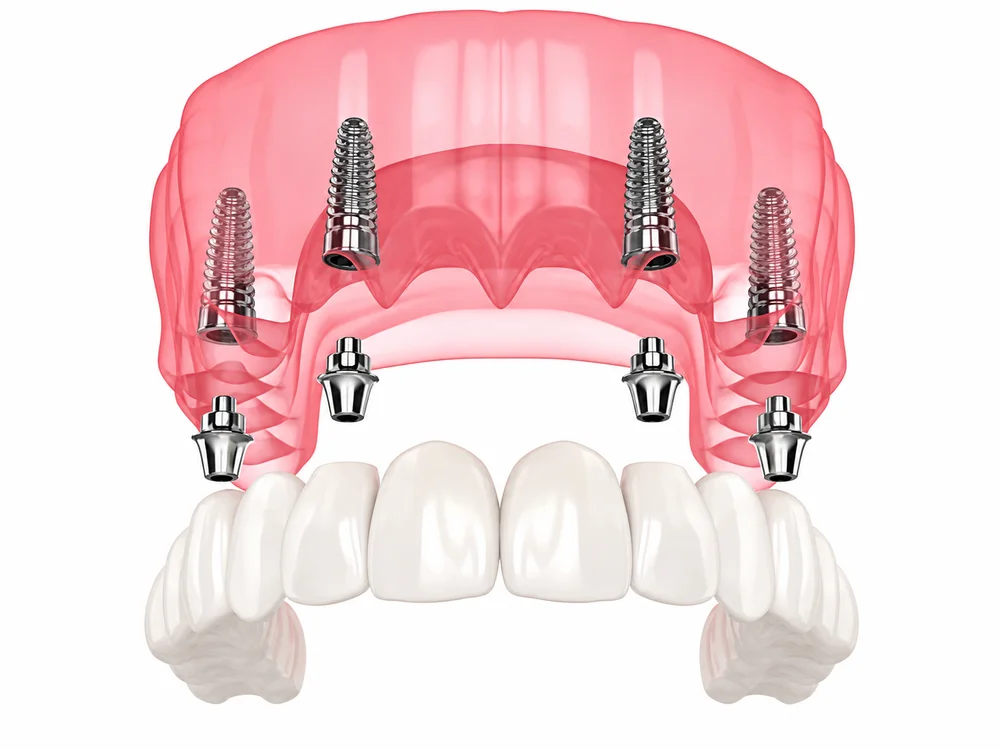
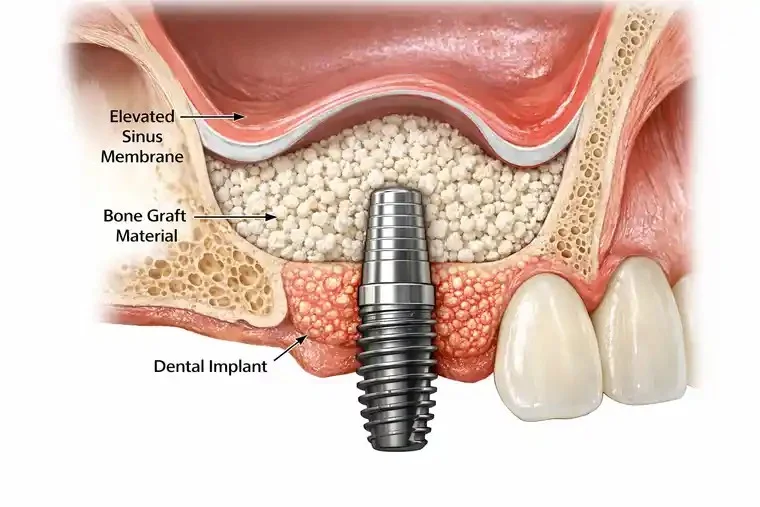
- an implant, graft or whole-mouth plan includes surgical complexity;
- a referring dentist wants a second opinion before committing to removal;
- symptoms and an X-ray do not seem to tell the same story.
These situations are reasons to arrange an assessment, not diagnoses. The appointment may show that specialist surgery is unnecessary or that another clinician should coordinate the care.
Difficult and impacted teeth
The position of an impacted tooth, the surrounding bone, adjacent teeth, symptoms and cleaning access influence the discussion. A symptom-free wisdom tooth may be monitored; a tooth associated with infection, decay, damage, cystic change or recurrent problems may make removal worth considering. The wisdom-tooth guide covers this decision in more detail.
For other challenging extractions, the prognosis of the tooth, the condition of the surrounding tissues, the patient’s medical history and the intended replacement are all relevant. Removing a tooth without discussing what happens afterwards can leave the most important planning question unanswered.
Jaw and complex oral-surgery assessment
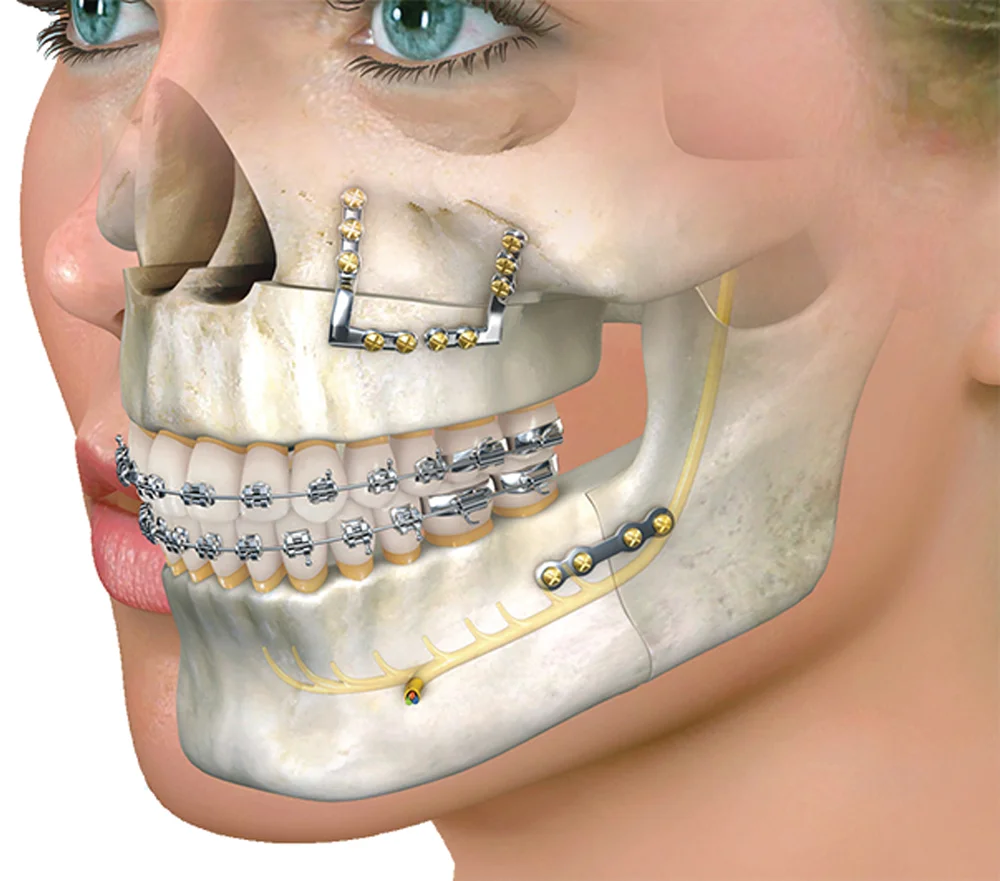
Jaw-related symptoms can have different causes, and a website cannot distinguish them. Dr. Supreet may discuss the history of pain, clicking, reduced opening, bite change, swelling, numbness, trauma history or functional difficulty, together with examination and appropriate records. The scope of a planned appointment is determined by the confirmed diagnosis; this page does not claim every type of facial or jaw problem or emergency treatment.
For breathing or swallowing difficulty, uncontrolled bleeding, severe facial trauma or rapidly increasing swelling, use the appropriate emergency service immediately. Do not wait for a routine consultation channel.
Why a senior surgeon’s explanation matters
An operation can be technically possible yet clinically unnecessary, poorly timed or unsuitable for a patient’s health and priorities. Dr. Supreet’s MDS in Oral & Maxillofacial Surgery and 20+ years of experience support a conversation about the indication, alternatives, risks, care setting and what recovery or follow-up may involve. Her approach is calm and detailed: establish the concern first, then explain the choices in plain language.
She provides consultations and treatment at Marwaha Dental Clinic – Sector 39, Smile 'n' Shine Dental Care Centre – DLF Phase 2, Fortis Memorial Research Institute, Manipal Hospital Gurugram, Holy Angels Hospital, Mayom Hospital and Sanar International Hospitals. Patients travelling from elsewhere in Haryana can ask which records to bring. Call or WhatsApp +91 9650298009 to confirm the venue and appointment time; 10:00 am–8:00 pm is her general personal working window, not a hospital schedule.
What a referral can and cannot answer
A referral may correctly identify that a tooth, implant site or jaw concern needs specialist input, but it may not answer whether surgery is necessary or which setting is appropriate. The specialist assessment adds the patient’s history, examination, records, anatomy, medical context and goals. This is particularly important when the visible symptom could have more than one cause.
Patients can ask the referring clinician to state the question clearly: Is the tooth restorable? Is removal difficult because of position? Is the implant site limited by bone? Is a jaw change affecting function? A focused question helps the consultation, but the final assessment still belongs to the clinician who examines the patient.
Planned oral surgery may be discussed in a clinic or hospital setting depending on the diagnosis and care requirements. This website confirms Dr. Supreet’s locations but does not assign a hospital department, technique or emergency route that has not been confirmed.
How planned specialist care is separated from emergency care
Some oral-surgical concerns are urgent but still require a hospital pathway rather than a routine specialist appointment. Severe facial trauma, bleeding that cannot be controlled, airway or swallowing difficulty and rapidly spreading swelling should be treated as emergencies. The location directory is not a promise of emergency access, and the routine contact route may not be monitored continuously.
For non-urgent cases, the consultation can clarify whether a difficult extraction, impacted tooth, jaw concern or implant plan needs a clinic appointment, hospital treatment or another referral. This distinction protects patients from waiting for a planned slot when the symptoms require immediate assessment and prevents a routine page from implying emergency capability.
A specialist opinion can prevent an unnecessary operation
The value of a surgical consultation is not measured only by whether surgery is performed. It may confirm that an extraction is straightforward, that a tooth can be preserved, that a jaw symptom needs a different referral or that an implant proposal needs more information. A patient should be comfortable hearing “not yet”, “not necessary” or “another clinician should coordinate this” when those answers fit the diagnosis.
The outcome of the assessment may be reassurance
Not every referral becomes an operation. A difficult-looking tooth may be manageable with planned care, a jaw symptom may need another diagnostic pathway, or a proposed implant may need a restorative discussion before surgery. A specialist appointment is successful when the patient understands the next safe step, even when that step is observation or referral.
Let the patient’s question lead the referral
Useful questions include whether the tooth can be preserved, whether an implant site is safe, whether jaw symptoms need a different opinion and whether planned surgery belongs in a clinic or hospital. Naming the question helps the consultation stay focused without assuming the answer.
Bring the question you most want answered
Writing that question down can keep the consultation clear when several symptoms or recommendations are competing for attention.
Cost is linked to the diagnosis, not the label
Specialist oral-surgery cost can vary with the tooth or jaw concern, records and imaging, proximity to important anatomy, medical complexity, whether another treatment is required, the setting, sedation or hospital needs where confirmed, and follow-up. A generic online price cannot describe those differences.
Use the contact page to request a planned assessment. This page is general education and cannot decide whether surgery, observation or another treatment is appropriate.