Dental Implants in Gurugram
Dental implants in Gurugram may be appropriate when a missing tooth, several missing teeth, or an unstable denture is affecting function or confidence. Dr. Supreet Kaur Sawhney, MDS, is a Senior Consultant – Oral & Maxillofacial Surgeon and Senior Implantologist with 20+ years of experience. Her consultation begins with a more useful question than “Can I get an implant?”: which replacement option can be supported, cleaned and maintained in this particular mouth?
The missing-tooth decision is bigger than the implant itself
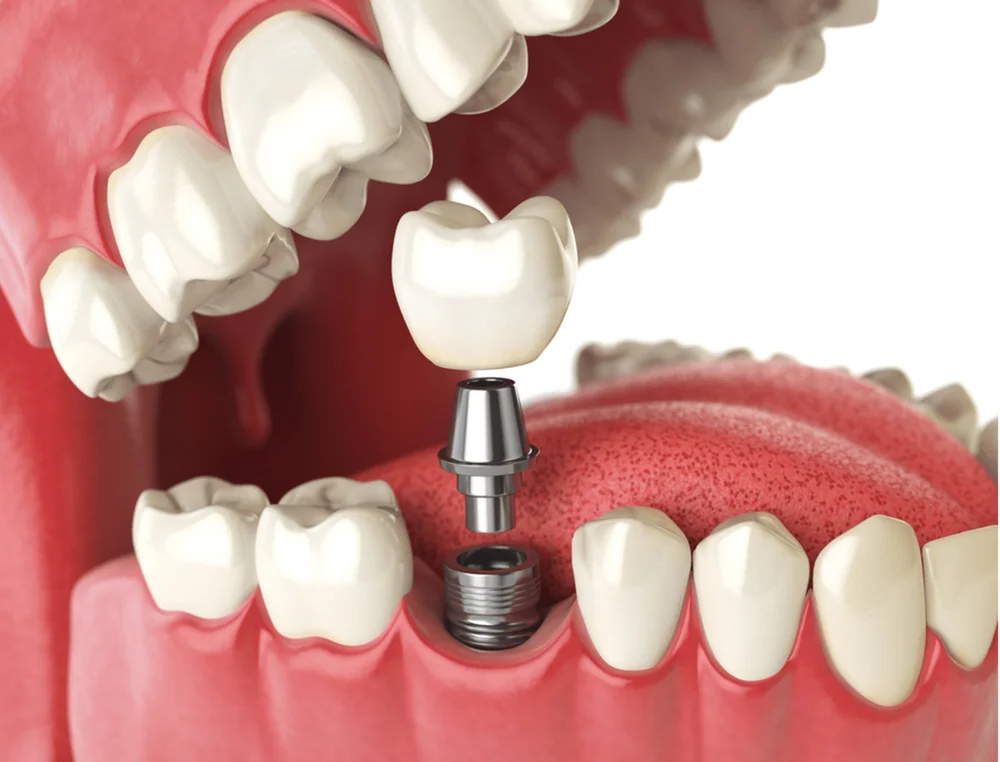
A dental implant is an artificial root placed in the jaw to support a crown, bridge or denture. The visible tooth and the supporting implant are planned as one restoration, but they are not the same component. Bone, gums, neighbouring teeth, bite forces, general health and the intended final tooth all influence the decision.
Some patients are suitable for a single implant. Others may be better served by a bridge, a removable denture, treatment that preserves a natural tooth, or observation of a space. A specialist opinion is valuable when an earlier plan did not explain alternatives, when the bone looks limited, or when several teeth need to be considered together.
For a plain-language comparison of the main replacement categories, read dental implant vs bridge vs denture.
What Dr. Supreet looks at before recommending an option
The consultation connects the gap to the rest of the mouth. The discussion may include:
- whether the lost or failing tooth can still be preserved safely;
- gum inflammation, periodontal support and the tissue around the proposed site;
- bone height, width and shape, together with nearby teeth, nerves and the sinus;
- the position of the bite, available space and signs of clenching or grinding;
- medical conditions, medicines, tobacco use and factors that may affect healing;
- the condition of remaining teeth and whether they can support a larger plan;
- cleaning access, recall needs and the patient’s willingness to maintain the result;
- appearance, chewing goals, treatment burden and acceptable alternatives.
An old scan can be useful background information, but it does not replace a current clinical examination. Imaging is selected only when it answers a real planning question.
One tooth, a longer gap, or a whole arch
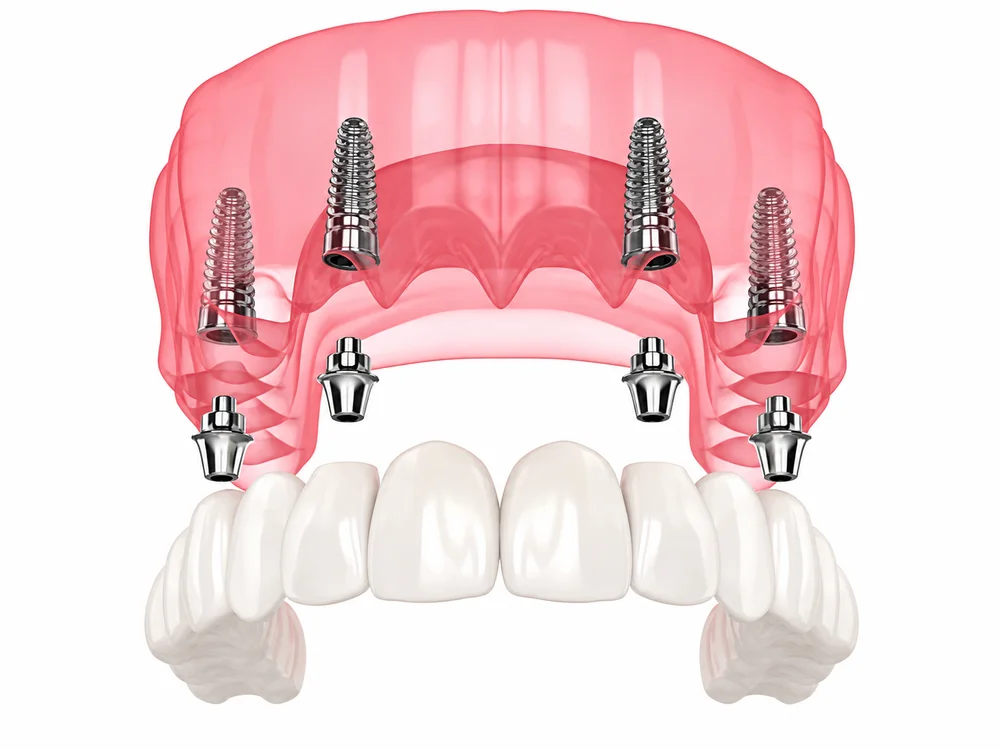
The phrase “dental implants” covers several different restorative goals. A single crown may be considered for one missing tooth. An implant-supported bridge may be discussed when a row of teeth is absent. A denture can sometimes be stabilised by dental implants, while complete tooth loss may require a broader whole-mouth assessment. The plan is shaped by the final restoration, not by a fixed advertised implant count.
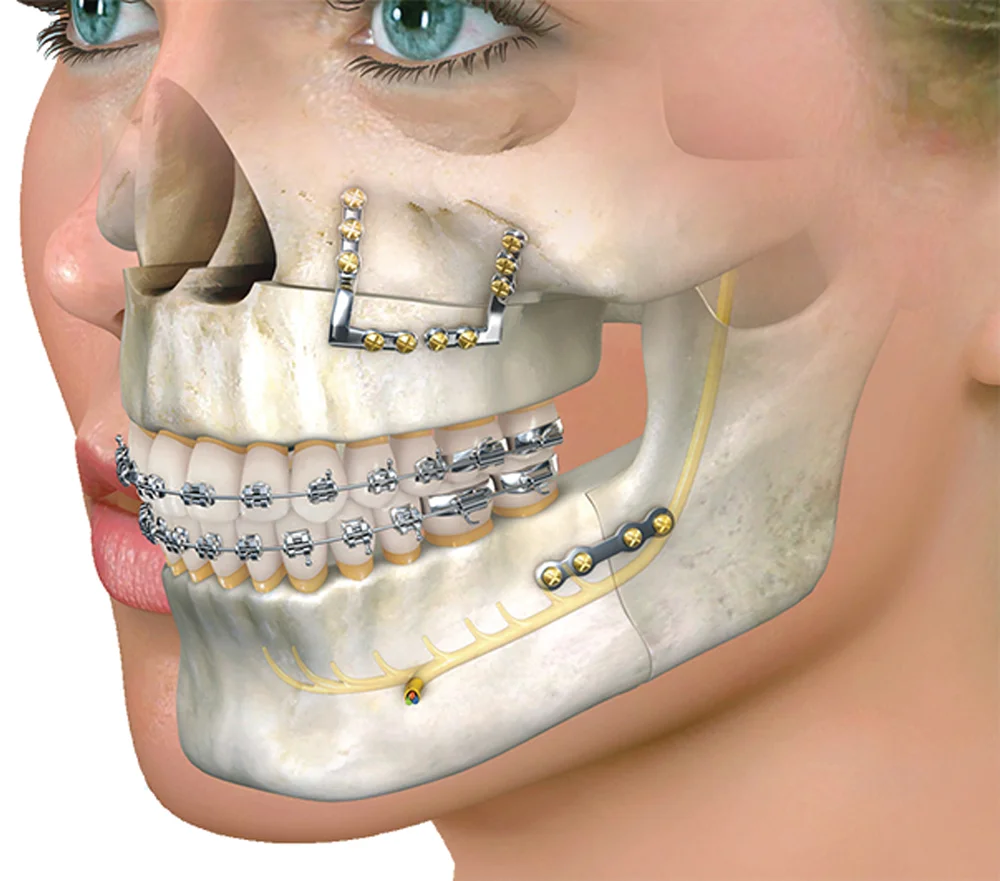
When teeth are failing in several areas, the bite has changed, or gums and restorations need to be coordinated, explore full-mouth rehabilitation rather than treating each gap in isolation.
Does every implant require a graft?
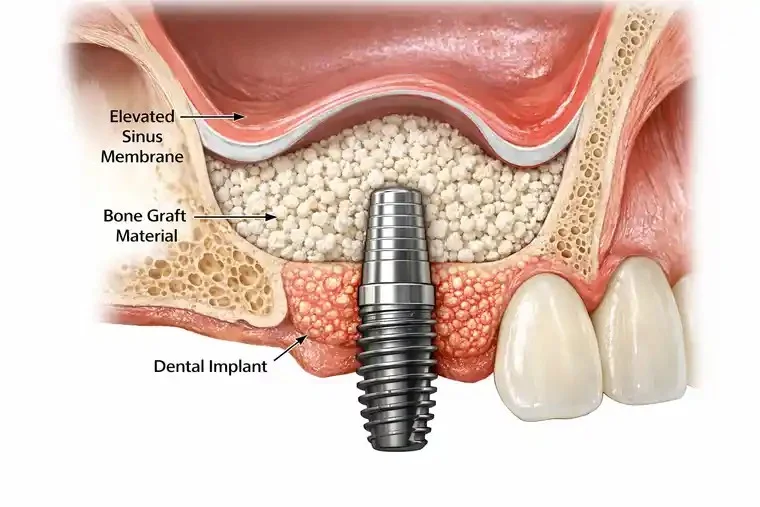
No. Bone grafting is considered only when the existing foundation may not provide the support or position needed for the proposed restoration. A sinus lift is relevant to selected upper back-jaw situations; it is not a routine step for every implant patient. The need depends on the site, the intended tooth, anatomy, examination and appropriate imaging.
The dedicated bone grafting and sinus lift guide explains why some patients need preparatory care and others do not.
Benefits are possible; maintenance is permanent work
Where clinically suitable, an implant may provide a fixed replacement without preparing neighbouring teeth in the same way as a conventional bridge. It may also support a bridge or denture when multiple teeth are missing. These are potential advantages, not promises of a particular result.
Implant treatment is surgical care. Swelling, bruising, bleeding, discomfort, infection, injury to nearby structures or failure of integration can occur. Later gum inflammation, bone loss, loose components, worn restorations or repair needs are also possible. Daily cleaning, tobacco-risk reduction and professional reviews remain necessary.
A surgeon-led opinion for patients in Gurugram and beyond
Dr. Supreet’s MDS is in Oral & Maxillofacial Surgery, and her primary work includes complex implant and surgical cases. Patients from Gurugram, Gurgaon and other parts of Haryana may use the consultation to clarify whether an implant, another replacement, preparatory bone care, or a whole-mouth plan is sensible. The assessment is not a promise that treatment will happen at the first visit.
She provides consultations and treatment at Marwaha Dental Clinic in Sector 39, My Dentist – Galleria and Smile 'n' Shine Dental Care Centre in DLF Phase 2, and at Fortis Memorial Research Institute, Manipal Hospital Gurugram, Holy Angels Hospital, Mayom Hospital and Sanar International Hospitals. Use the consultation-location directory to check the confirmed addresses. The general personal working window is 10:00 am–8:00 pm, not a venue-specific schedule.
How the first implant conversation can be organised
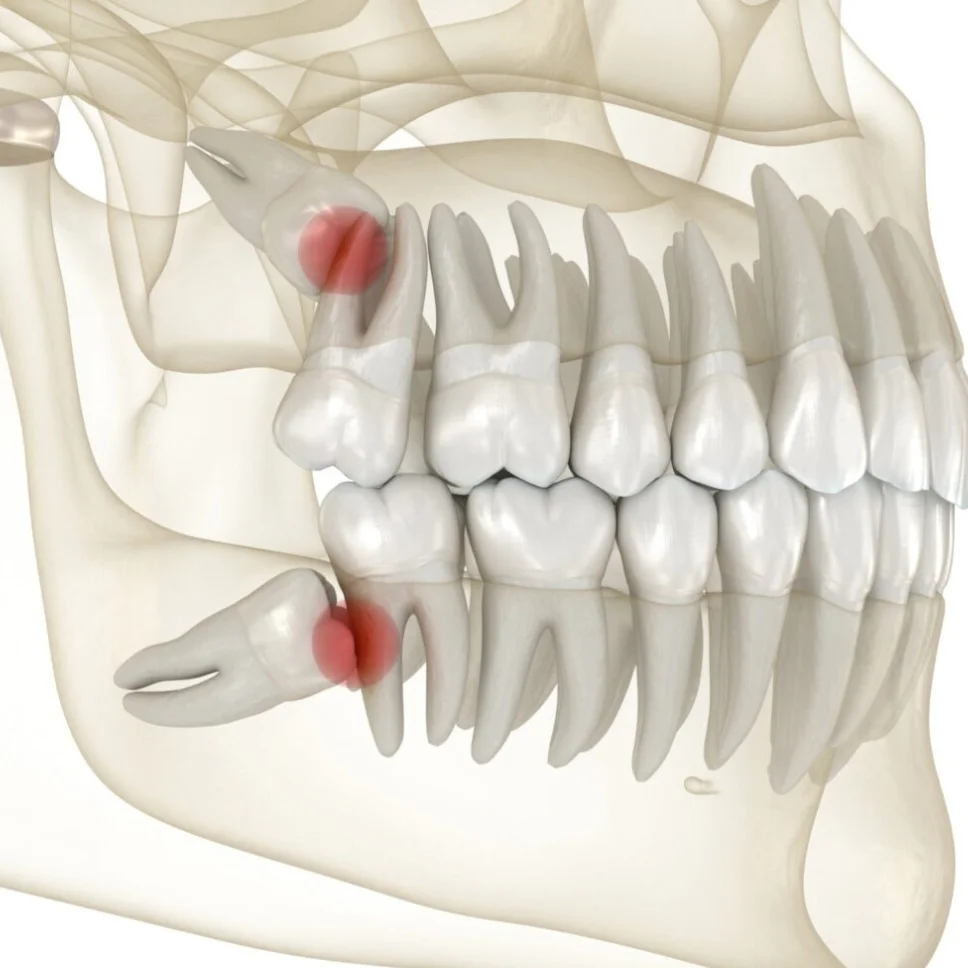
Patients often arrive with one of three starting points: a tooth has already been lost, a tooth is failing and its prognosis is uncertain, or another clinician has suggested an implant without comparing alternatives. Each starting point calls for a slightly different conversation. If a natural tooth may be saved, that question should be answered before extraction. If the tooth is already missing, the gap, neighbouring teeth and restoration need to be assessed together. If an implant has been proposed elsewhere, bring the plan and ask what assumptions it makes about bone, gums, bite and maintenance.
It can help to write down what you want the replacement to do. Some patients prioritise a fixed tooth; others prefer to avoid surgery, reduce the number of appointments, protect a healthy neighbour or choose a removable option that is easier to repair. A clinically suitable option still needs to fit the person’s ability to clean, attend reviews and manage the treatment burden.
What to ask before accepting a replacement plan
Ask which findings support the recommendation, which alternatives remain open, whether any disease needs attention first, what the restoration will be, how the area will be cleaned and which risks are specific to the site. Ask what happens if the bone is different from the expectation or if a neighbouring tooth changes prognosis. These questions make the plan understandable without turning a consultation into a promise of a fixed outcome.
A note about timing and healing
Implant planning can involve more than the day the implant is placed. A tooth may need to be removed, a gum or infection concern may need treatment, and a graft or sinus discussion may alter the timing. The final crown, bridge or denture also needs planning, fitting and maintenance. Healing differs with the site, health, stability, smoking and the type of restoration.
Patients who travel for care should ask whether the first visit is intended to decide suitability, begin a plan or review an existing treatment. A scan and a phone conversation cannot guarantee that treatment will be completed in one visit. It is safer to confirm the clinical purpose of the appointment than to make travel plans around an assumed procedure.
What influences implant cost?
An honest estimate depends on the number and position of missing teeth, examination and records, surgical difficulty, any indicated bone or gum care, the crown, bridge or denture being supported, laboratory work and follow-up. A headline fee without those details cannot tell a patient what is included.
Call or WhatsApp +91 9650298009 to request an appointment with Dr. Supreet and confirm the venue, date and time before travelling. This page is educational and cannot determine implant suitability without examination and appropriate clinical records.