TMJ Treatment in Gurugram
Jaw pain, clicking or locking can raise a practical question: who should assess it, and what might the appointment clarify? Dr. Supreet Kaur Sawhney, MDS, is a Senior Consultant – Oral & Maxillofacial Surgeon and Senior Implantologist with 20+ years of experience. She manages TMJ concerns as part of her oral and maxillofacial work; an assessment can help distinguish what needs attention from a symptom that may not need treatment.
TMJ and TMD describe different things
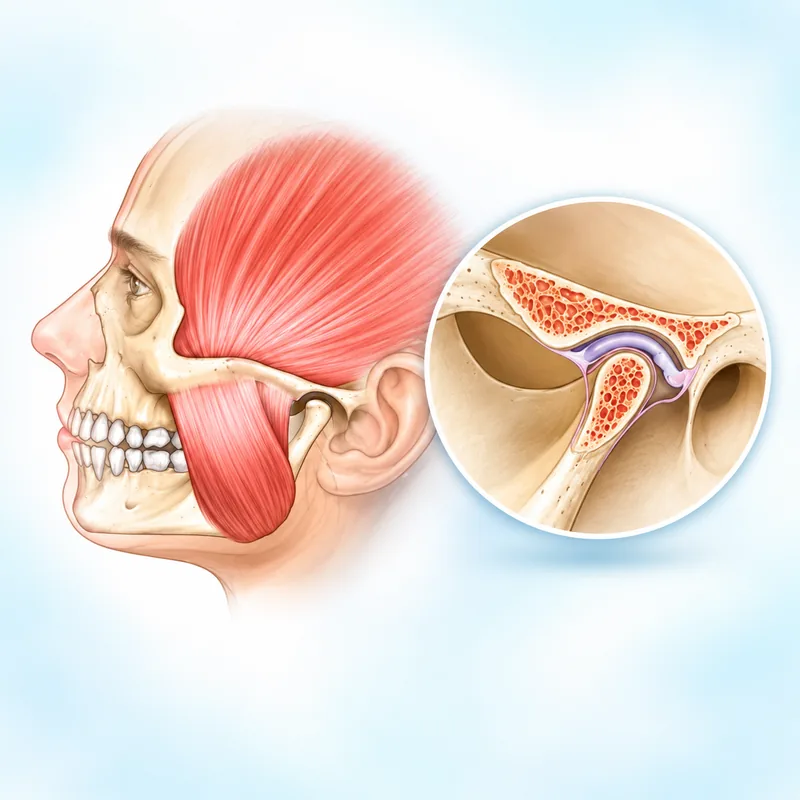
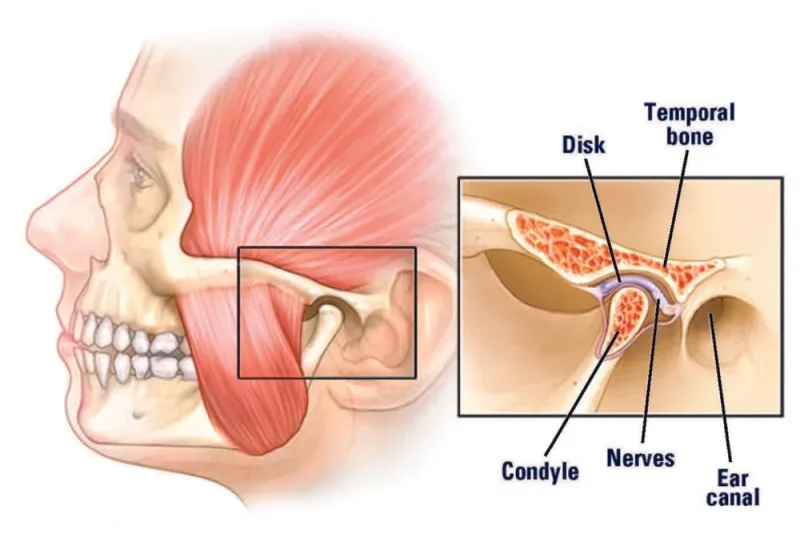
The temporomandibular joint (TMJ) is the joint that moves the jaw. Temporomandibular disorders (TMD) is a broad term for conditions involving the jaw joints, chewing muscles and sometimes associated headaches; it is not one diagnosis. A painless click alone usually does not need treatment, while pain, locking or limited movement changes the question to be assessed.
What a jaw assessment can clarify
A clinician considers the symptom history and examination together. Imaging may be useful when it answers a specific clinical question, but there is no single test for every TMD. Other possible causes of facial pain also need consideration before symptoms are attributed to the jaw joint.
A consultation with Dr. Supreet is a chance to discuss what the symptoms are doing, what may need further assessment and whether a next step is appropriate. It is not a booking for a predetermined appliance or operation. For broader jaw and facial-surgery context, read the oral and maxillofacial surgery guide.
Conservative options depend on the assessment
Many TMD symptoms improve without treatment. When care is considered, conservative and reversible approaches are generally preferred before invasive treatment, with the choice depending on the diagnosis. If simple self-care has not helped, a dentist or doctor may reassess the type of TMD and other possible causes before discussing options such as physical therapy, behavioural care or an oral appliance.
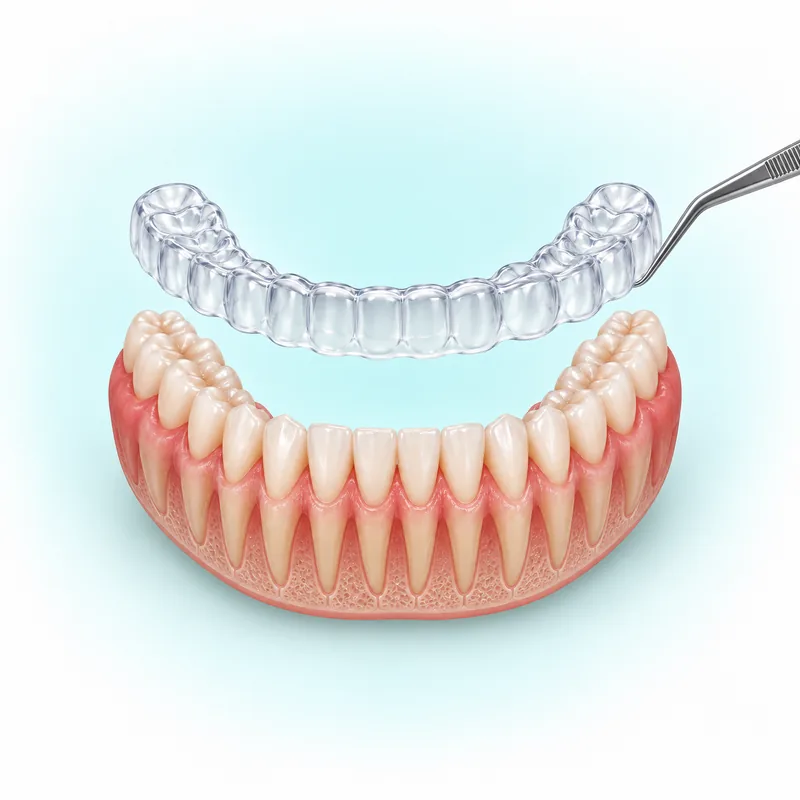
A removable occlusal splint fits over the teeth and should not permanently change the bite. Evidence that splints improve TMD pain is limited; protecting teeth is a separate outcome and does not establish pain relief. Read the separate occlusal splint therapy guide for more about that option. The conservative TMJ treatment guide covers reversible care in more detail.
When jaw symptoms need urgent assessment
Seek urgent medical assessment if you cannot eat or drink, or if jaw pain comes with visual symptoms or a severe headache. These signs may have causes other than TMD, so they should not simply be labelled as a jaw-joint problem. For a broader symptom overview, read the jaw pain, clicking and TMJ guide.
Meet Dr. Supreet in Gurugram
Dr. Supreet Kaur Sawhney holds an MDS in Oral & Maxillofacial Surgery and has 20+ years of experience. Her qualifications are relevant when a jaw concern needs specialist assessment; the purpose of a consultation is to understand the concern and discuss suitable next steps, not to assume that a procedure is needed.
Dr. Supreet's Dental & Implant Centre is at 395 P, Sector 39, Near Medanta Hospital, Gurugram (Gurgaon), Haryana 122001. Call or WhatsApp +91 9650298009 to ask about an appointment. You can also contact the clinic or view the Sector 39 clinic location.
Explore specific treatment decisions
- Conservative TMJ Treatment
Learn how jaw-joint and chewing-muscle symptoms are assessed, which reversible steps may help, and when reassessment or urgent care matters.
- Occlusal Splint Therapy
Understand when a removable bite guard may be discussed for jaw symptoms, what the evidence can support, and how fit, wear and care are monitored.