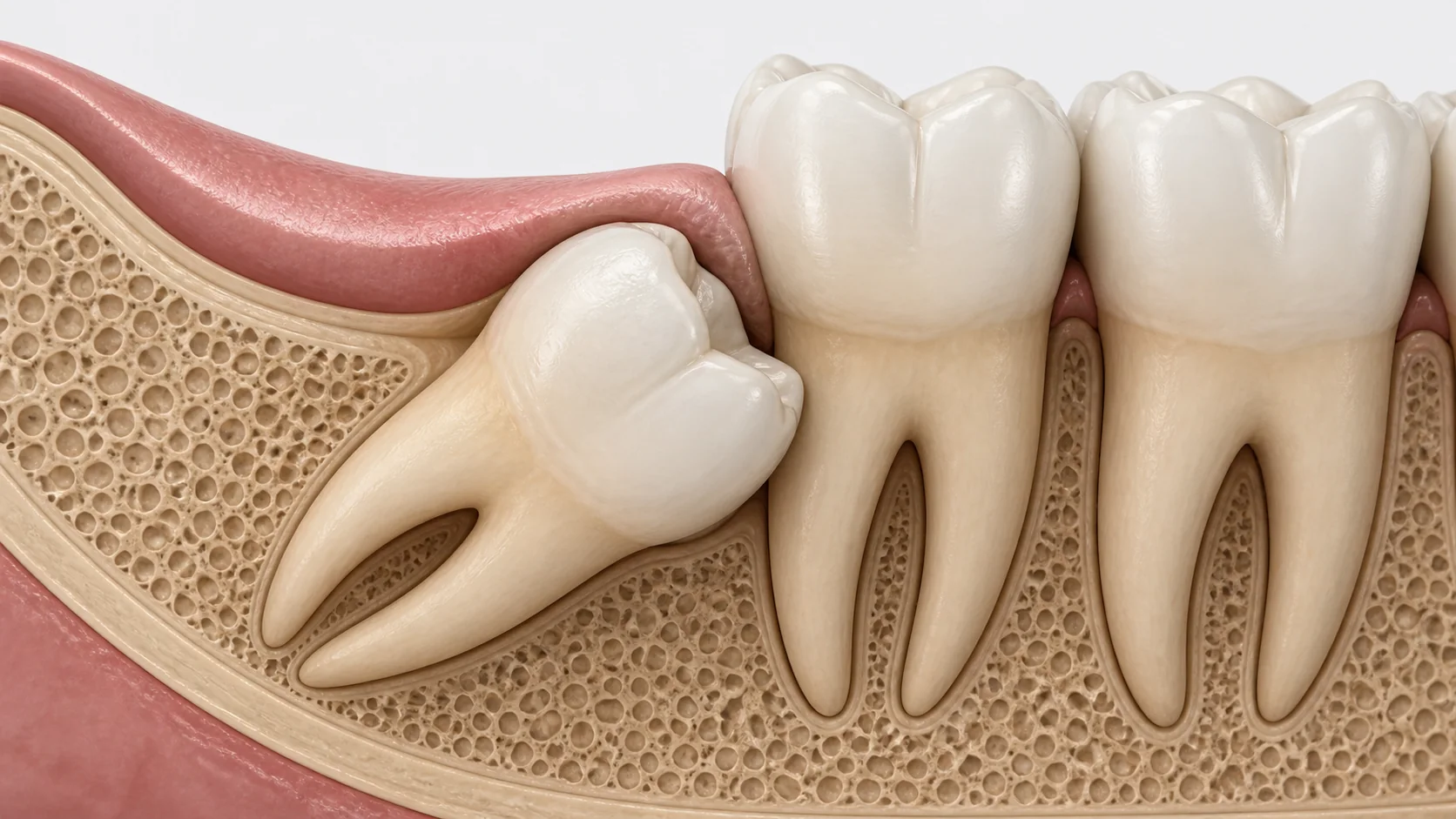
Jaw Pain and Clicking: Understanding TMJ Disorders
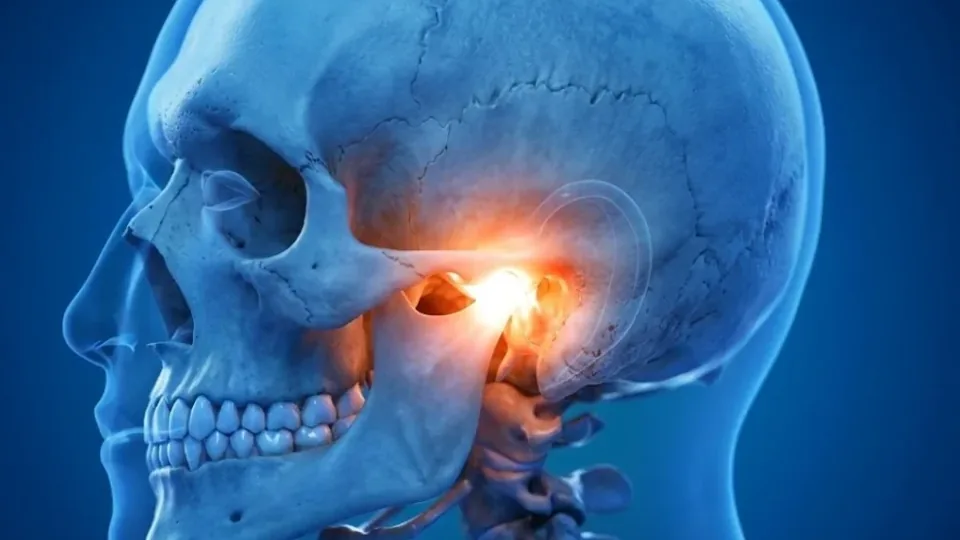
Does a clicking jaw mean something is wrong?
Painless jaw clicking alone commonly needs no treatment. Pain, locking or restricted movement deserves assessment. TMJ refers to the jaw joint. Temporomandibular disorders (TMDs) affect the jaw joints and the muscles involved in jaw movement. TMDs can have several contributing factors, and the exact cause is often unclear. A sound alone cannot tell you the diagnosis. NIDCR explains this distinction.
What does an assessment involve?
A clinician asks where symptoms occur, when they began and what changes them, then examines the jaw, head and neck. Imaging may be advised for a specific question; it is not a test everyone needs. Jaw or facial pain can have other causes, so an assessment should consider alternatives before labelling it TMD.
Why are simpler treatments often considered first?
Many TMD signs and symptoms improve without treatment or with conservative care. Depending on the findings, advice may include reducing clenching and gum chewing, and discussing appropriate physical therapy. A splint is not a universal cure. Treatments that permanently alter the teeth, bite or joint need particular caution; surgery is not the routine starting point. Ask about the diagnosis, expected benefit, risks and alternatives before agreeing to treatment. These principles are described in the NIDCR patient guide.
What can help during a flare-up?
The NHS TMD guide suggests softer food, avoiding wide yawning and gum chewing, and using a wrapped warm or cold pack if comfortable. Avoid forcing the jaw. Ask a clinician or pharmacist which pain relief is suitable for your health and medicines rather than following someone else's prescription.
When should jaw symptoms be assessed urgently?
Seek urgent medical assessment if you cannot eat or drink, the jaw locks or opening becomes difficult. Frequent severe headaches, scalp tenderness or new visual symptoms also need prompt medical attention and should not simply be attributed to a jaw joint. The NHS highlights these symptoms because another serious condition may be responsible. Use local urgent-care services in India.
Requesting a consultation in Gurugram
Dr. Supreet Kaur Sawhney is an MDS Oral & Maxillofacial Surgeon and Senior Implantologist. Her existing oral and maxillofacial surgery page explains her specialist assessment scope. An enquiry about jaw discomfort begins with the concern you want assessed; it is not a booking for a predetermined operation or a promise of a particular treatment.
For a planned appointment, call or WhatsApp +91 9650298009. Ask whether Dr. Supreet's Dental & Implant Centre in Sector 39 or another listed setting is appropriate. The recorded Sector 39 address is 395 P, Sector 39, Near Medanta Hospital, Gurugram, Haryana 122001. Medanta is a landmark only. Confirm the venue, date, time and arrival directions before travelling.
Preparing for the discussion
Bring existing referral notes, relevant previous records and your medicine list. You can write down your questions in advance: what needs clarification, what has already been recommended and what would help you decide the next step. Ask which records are useful when booking; do not arrange new imaging solely because it is mentioned online.
An appointment confirmation establishes the place and time to meet. Diagnosis, treatment suitability and follow-up depend on the individual assessment. The consultation directory and contact page provide the appointment route and venue details.