Dental Abscess Incision and Drainage in Gurugram
Draining a dental abscess releases a collection of pus, but the infection source still needs treatment. If a tooth is responsible, that may involve root-canal treatment or extraction according to the diagnosis and whether the tooth can be restored. A suspected abscess needs urgent dental assessment. Dr. Supreet Kaur Sawhney provides oral-surgery assessment in Gurugram to establish the source, severity and appropriate care route.
When to seek emergency hospital care
Difficulty breathing or swallowing, a painful or swollen eye, or extensive swelling needs emergency hospital assessment. Do not wait for a routine dental appointment or a booking response. In India, call 112 for assistance with a medical emergency; it is the national emergency route, not a dental appointment line.
Assessment with Dr. Supreet: the source and the next step
Dr. Supreet is an MDS, Senior Consultant – Oral & Maxillofacial Surgeon and Senior Implantologist with 20+ years of experience. For a dental swelling, an oral-surgery opinion should connect any drainage procedure with the cause of the infection and the level of care needed. Bring records and explain how the symptoms have changed so the next step can be assessed.
For dental assessment, contact the clinic or call +91 9650298009 to request timely care and confirm the appropriate setting. Dr. Supreet's primary clinic is Dr. Supreet's Dental & Implant Centre in Sector 39. Emergency symptoms need hospital care rather than waiting for that appointment.
What incision and drainage does
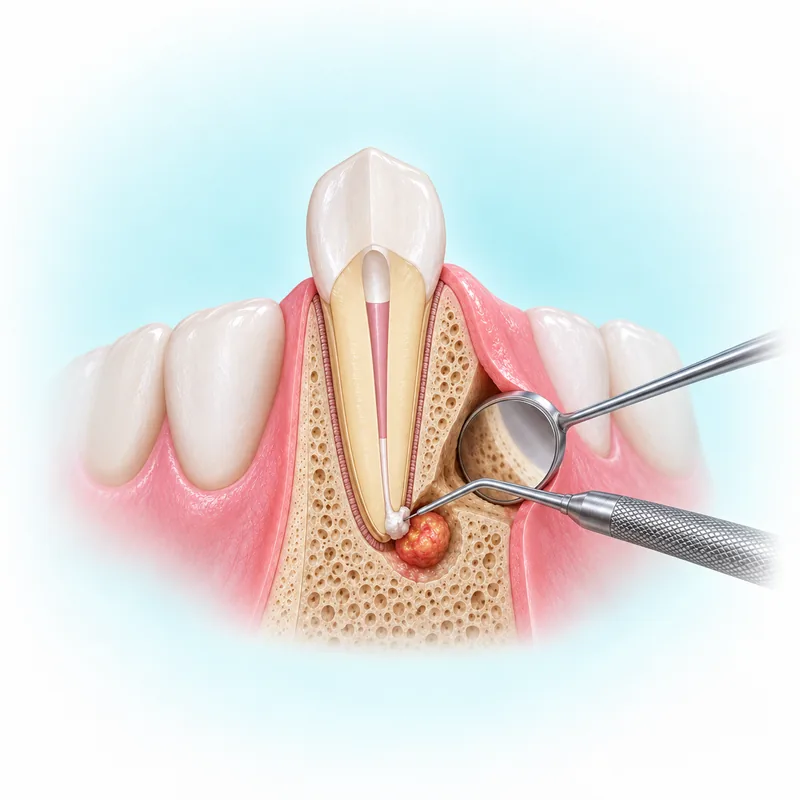
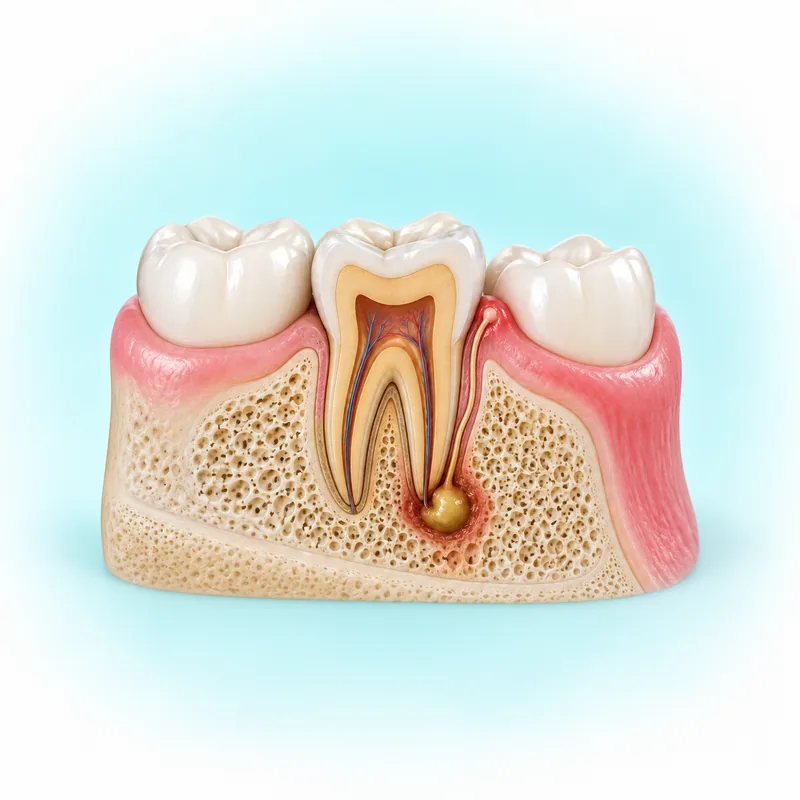
A dental abscess is a collection of pus caused by infection in teeth or gums. Pain, fever, bad taste, restricted mouth opening and facial swelling can accompany dental infection, but symptoms alone do not diagnose an abscess or establish its severity.
For a selected abscess, a dentist may make a small cut in the gum to release pus under local anaesthesia, which numbs the area. The location and severity determine whether that route is appropriate. Not every abscess needs a gum incision. For a rapidly developing (acute) abscess at a tooth root, drainage through the tooth may be possible; a soft-tissue incision is considered when the examination finds an associated fluctuant swelling—a soft area containing fluid. These are clinical decisions, not instructions to cut or drain a swelling yourself.
Drainage and treating the causative tooth are separate jobs
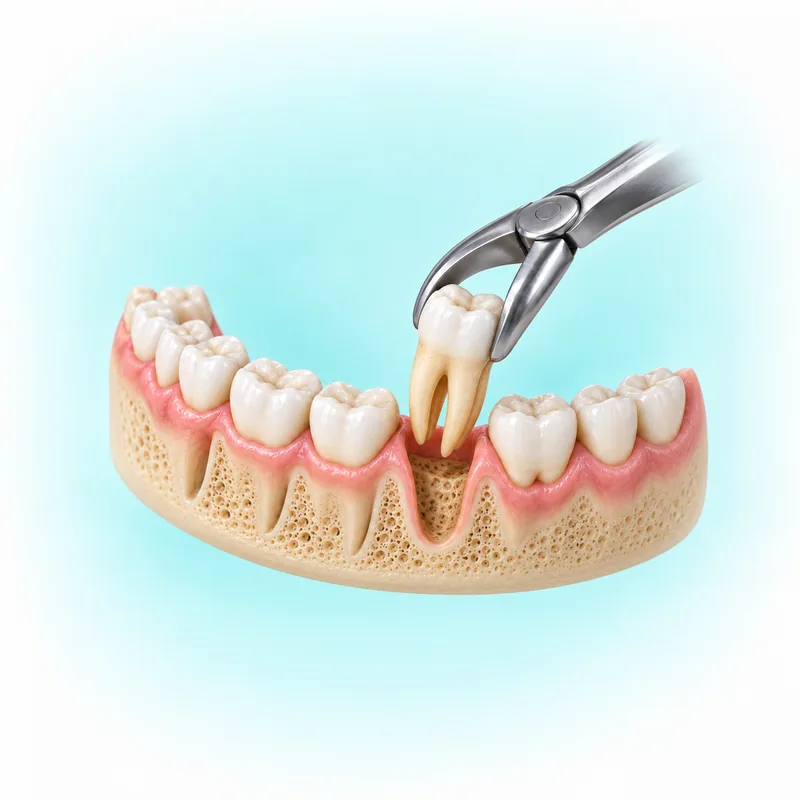
A gum incision usually relieves the collection as a temporary measure until its cause is treated. For a tooth-caused abscess, root-canal treatment or removal may be needed. Extraction is not inevitable: the diagnosis and whether the tooth can be restored determine the choice. Severe or spreading infection and infection involving a child's primary (baby) tooth have their own management decisions.
Pain relief while waiting does not replace definitive dental treatment. Even if the discomfort improves, the source-treatment plan still matters. The broader oral and maxillofacial surgery guide explains how assessment determines the appropriate procedure or referral.
Antibiotics are selected for the infection and the patient
Antibiotics, when indicated, depend on the diagnosis, infection extent and patient factors. Indian clinical guidance describes considering systemic antibiotics, which act throughout the body, when infection around a tooth root spreads with general illness such as fever, malaise—feeling unwell—or extensive swelling, while treating the dental source. This does not mean every swelling needs antibiotics or that antibiotics replace drainage or tooth treatment.
Unnecessary antibiotics can cause adverse reactions and contribute to antimicrobial resistance, where infections become harder to treat with antibiotics. Avoiding unnecessary use does not mean withholding antibiotics when the clinician finds them necessary. Drug choice and dose need individual prescribing; do not self-prescribe from a website or an old prescription.
Aftercare and reassessment
Local anaesthesia may be used before drainage or treatment of the causative tooth. After a surgical incision inside the mouth, numbness, discomfort, swelling or minor wound ooze can occur. Avoid hot food while numb and follow the treating team's instructions for cleaning, pain control and review. General mouth-surgery guidance is not a fixed drainage-specific rinse or recovery schedule.
A dentist may recommend short-term pain relief, with the medicine and dose chosen for you. Persistent bleeding or worsening infection signs need reassessment. Review instructions should address both the wound and completion of the source treatment. If breathing or swallowing becomes difficult, the eye becomes painful or swollen, or swelling is extensive, seek emergency hospital assessment.
Arrange urgent dental assessment in Gurgaon
Dr. Supreet's Dental & Implant Centre is at 395 P, Sector 39, Near Medanta Hospital, Gurugram, Haryana 122001. Assessment establishes the diagnosis, whether drainage is needed, the causative-tooth plan and the appropriate care setting; a defined plan also allows the estimate and review arrangements to be discussed.
Call +91 9650298009 or contact the clinic for dental assessment. For the emergency signs above, seek hospital care immediately and use 112 if medical emergency assistance is needed.