Surgical Tooth Extraction in Gurugram
A surgical extraction is considered when a tooth or root cannot be safely reached with ordinary forceps, for example when it is broken below the gum or has complex roots. That describes the access needed; it does not by itself establish that the tooth should be removed. Dr. Supreet Kaur Sawhney, MDS, is a Senior Consultant – Oral & Maxillofacial Surgeon and Senior Implantologist with more than 20 years of experience. Her consultation can help clarify the diagnosis, whether the tooth can be preserved and what removal would involve.
First decide whether removal is needed
Non-restorable decay, severe damage to the supporting gums, fractures or crowding may lead a clinician to discuss extraction. Before deciding, ask what has been found, the likely benefit and harm of removal, and whether a tooth-preserving treatment or observation is reasonable. Leaving the condition untreated can also have consequences, so observation is not automatically the safer choice.
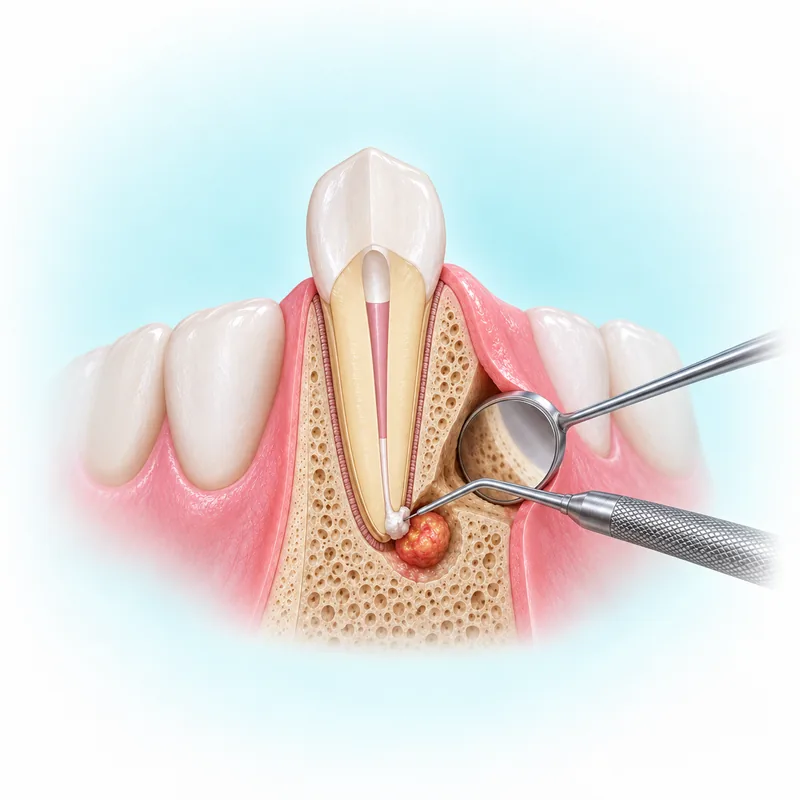
For some permanent (adult) teeth with disease inside a root canal, root-canal treatment, repeating that treatment or root-end surgery may be alternatives that preserve the tooth. These options do not fit every fracture, gum problem or crowding concern, and some teeth cannot be saved. Whether an option is feasible depends on the diagnosis and whether the tooth can be restored.
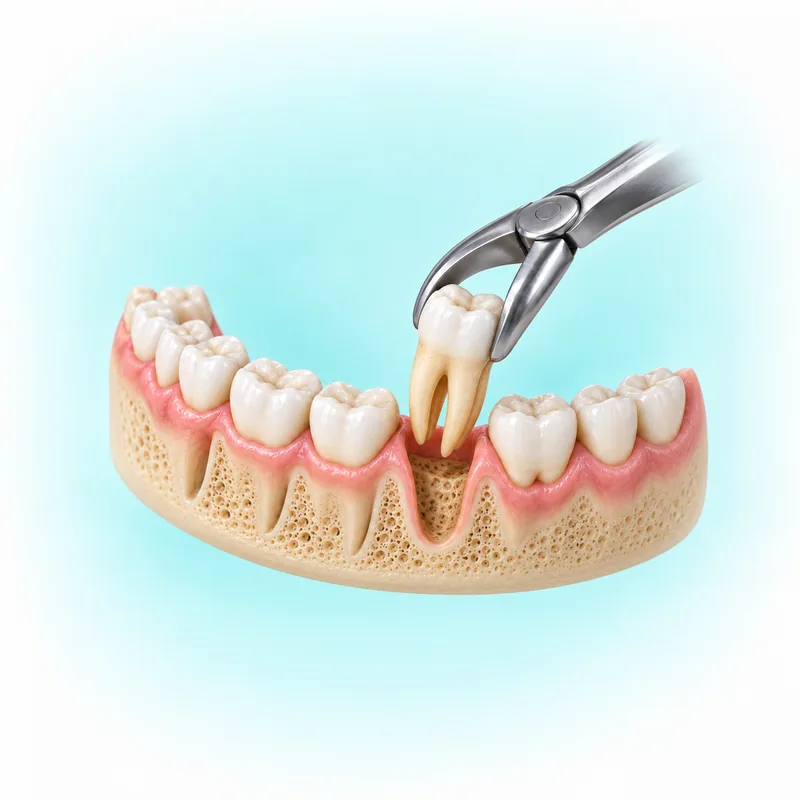
Why surgical access may be used
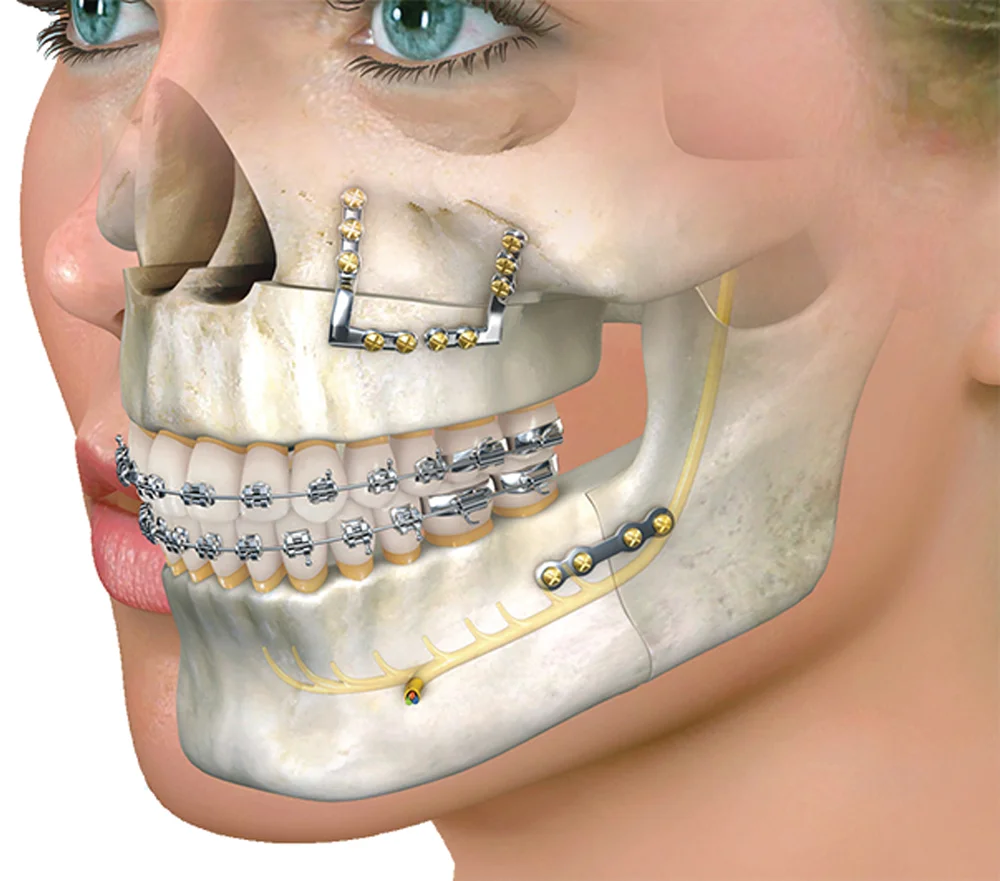
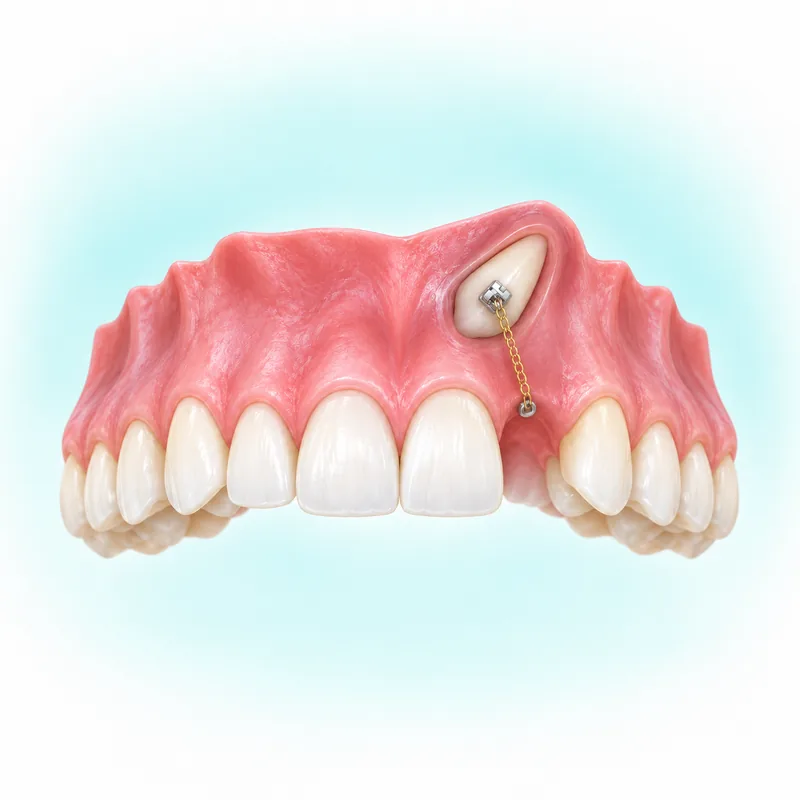
A tooth broken below the gum, a complex root or a fractured root tip may require surgical access. The surgeon may lift a small section of gum to see the tooth and bone. Limited bone removal or dividing the tooth or roots into sections may help with access when needed, but neither step is required for every extraction. The gum is put back in place and may be secured with dissolving stitches.
Before treatment, the clinician reviews your health and medicines, examines the mouth and may take dental X-rays if they will help answer a clinical question. Local anaesthetic numbs the area during removal. The examination and the tooth's position determine which access steps, if any, are appropriate.
Risks depend on the tooth's position
Surgical removal can affect a neighbouring tooth or filling. Depending on anatomy, removal of some upper teeth can create an opening between the mouth and the sinus (the air-filled space above the back upper teeth); some lower sites carry a risk of altered feeling if a nearby nerve is affected. Sensation changes can sometimes persist, and a sinus opening may need additional care. These are possible, site-specific harms, not expected outcomes for every extraction. Discuss what the examination or images show about the tooth being considered.
Protecting the site and knowing when to call
A blood clot forms in the socket, the space left by the removed tooth. Avoid disturbing the wound and follow the treating team's cleaning and wound-care instructions. Smoking can impair healing. Pain or swelling may follow oral surgery, but the expected course and instructions vary by procedure and person.
Contact the surgical team if bleeding remains heavy despite the advised pressure or if you have severe pain, increasing pain or swelling, fever, pus or a bad taste. Difficulty breathing or swallowing needs emergency medical assessment.
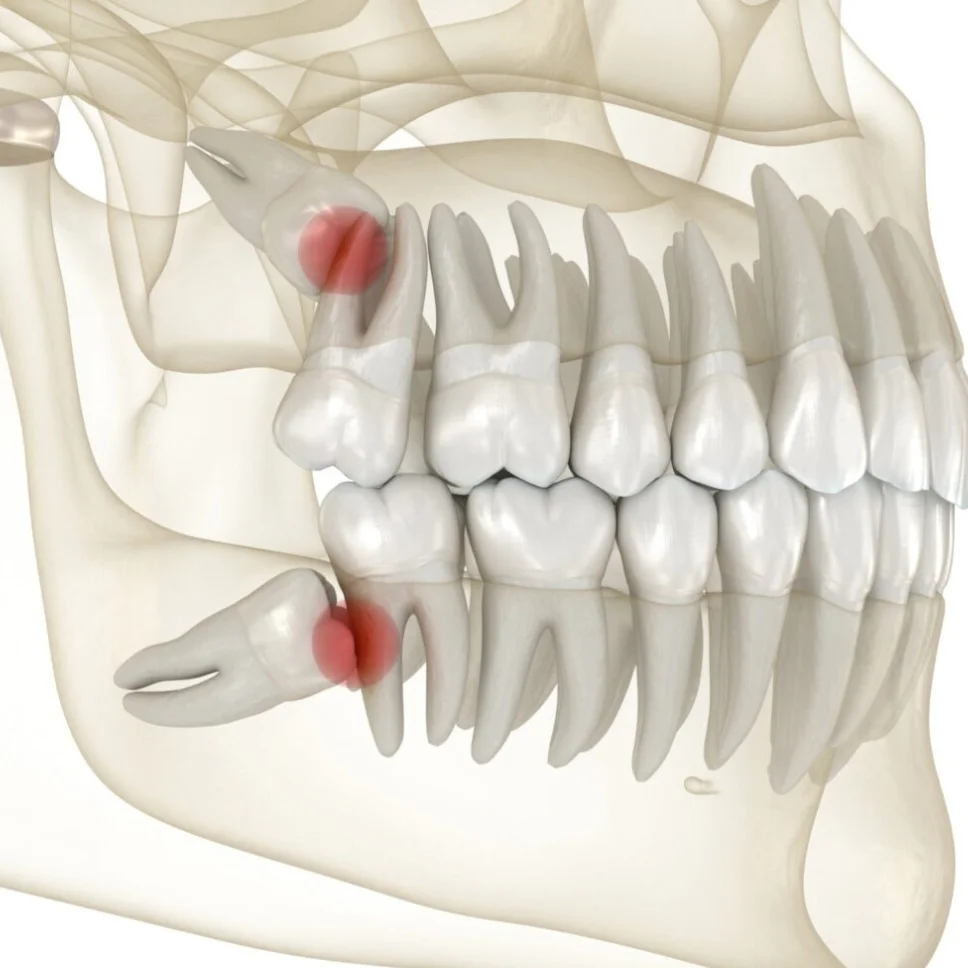
For a wider discussion of specialist assessment and care settings, see oral and maxillofacial surgery in Gurugram. If your question is specifically about a third molar, the wisdom-tooth surgery guide explains its monitoring-versus-removal decision.
Discussing a surgical extraction in Gurugram
Dr. Supreet’s Dental & Implant Centre is at 395 P, Sector 39, near Medanta Hospital, Gurugram (Gurgaon), Haryana 122001. Bring any dental images, referral notes, previous treatment details and a list of medicines. You can ask what makes surgical access necessary, whether preservation or observation is feasible and which risks relate to the tooth's position. View the Sector 39 clinic location, other consultation locations, or contact the clinic. Call or WhatsApp +91 9650298009.