Immediate-Loading Dental Implants in Gurugram
A replacement tooth fitted soon after implant surgery may be designed to meet the opposing teeth or be kept out of bite contact. Immediate loading means the first of these: connecting replacement teeth in the bite within one week of implant placement. Seeing a tooth in place does not tell you which plan applies. Dr. Supreet Kaur Sawhney provides implant assessment in Gurugram to clarify the planned tooth use, suitability and alternative if immediate loading cannot proceed.
Discussing early tooth use with Dr. Supreet
Dr. Supreet is an MDS, Senior Consultant – Oral & Maxillofacial Surgeon and Senior Implantologist with 20+ years of experience. A loading consultation considers what the replacement is intended to do as well as when it will be fitted. Bring any proposed plan so the difference between implant placement, a temporary replacement kept out of the bite and teeth intended to function in the bite can be explained clearly.
You can arrange assessment at Dr. Supreet's Dental & Implant Centre in Sector 39. Discuss the fallback and the instructions you would receive for the replacement rather than assuming that early fitting means unrestricted chewing.
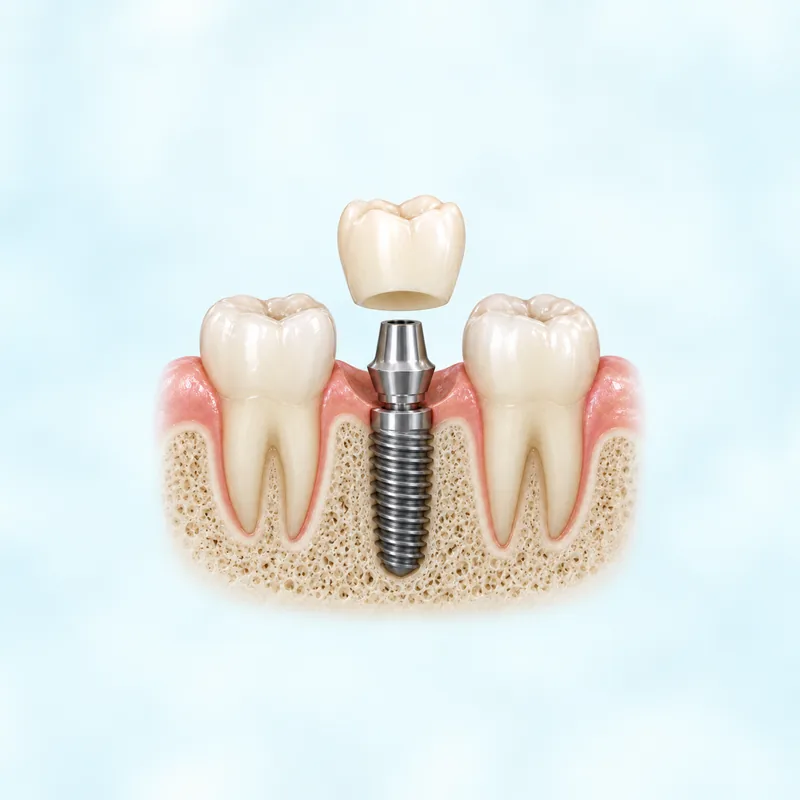
The difference is bite contact, not simply a visible tooth
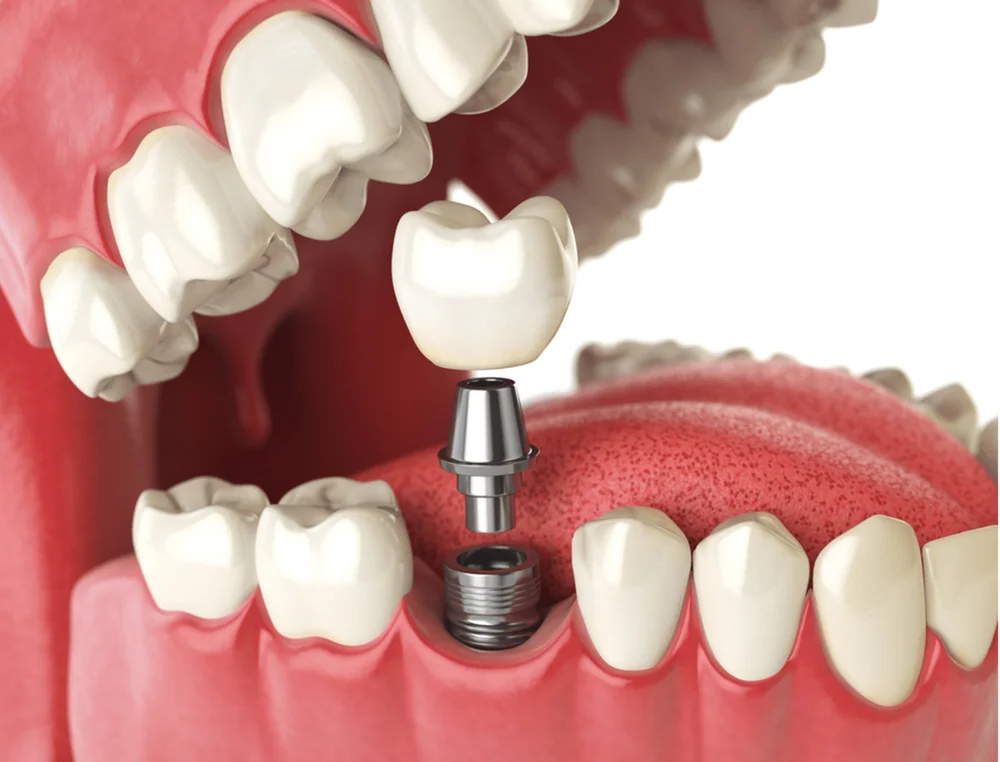
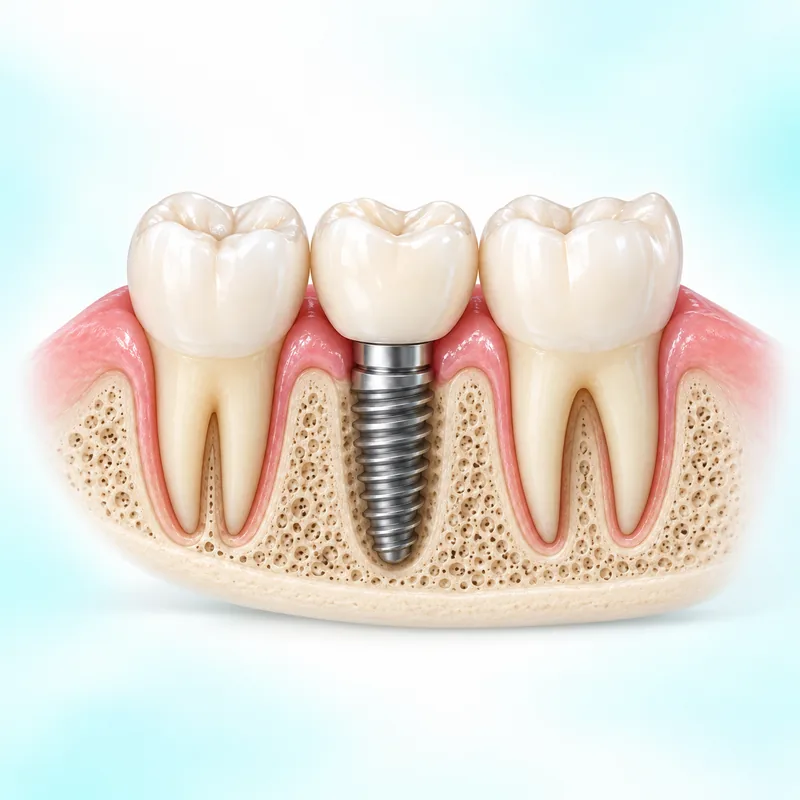
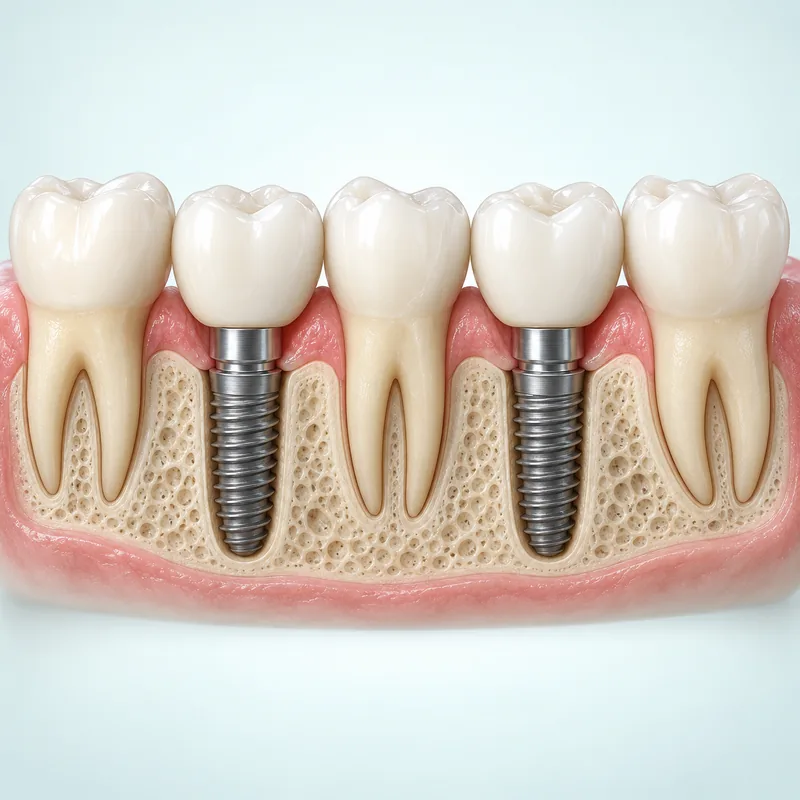
The International Team for Implantology (ITI) defines immediate loading as connecting a restoration in bite contact within one week of implant placement. Immediate restoration kept out of bite contact is a distinct category. The term restoration means the replacement tooth or teeth supported by the implant; loading describes their functional contact with the opposing teeth.
Conventional loading in the same classification follows more than two months of healing without a connected restoration. That is a timing category, not a promise that every patient receives teeth on a particular date. The choice between immediate use, a non-biting restoration and a later loading plan needs individual assessment.
Loading does not mean placement on extraction day
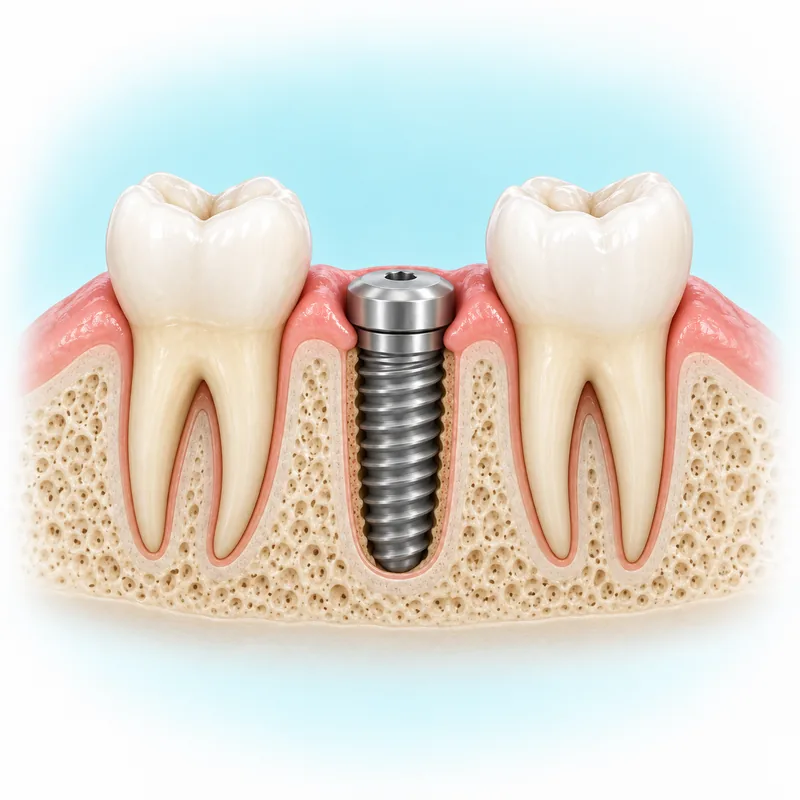
Immediate implant placement is inserting the implant on the day a tooth is removed. Immediate loading concerns when replacement teeth are connected in the bite after implant placement. They are separate decisions; a plan needs to state both. The immediate-placement guide focuses on the extraction-day question.
This page's selection example concerns a partly toothless mouth, where natural teeth remain, and an implant placed at extraction with immediate restoration or loading. Whole-jaw fixed replacement has its own planning context, discussed in the four-implant and six-implant assessment guides.
Suitability when immediate placement and immediate teeth are combined
For that combined approach at a partially toothless site, ITI selection considerations include socket anatomy—the shape and walls of the extraction space—the surrounding soft tissues and achievable primary stability. Primary stability means the implant's initial firmness in bone, rather than later healing to the bone. The cited criteria also include no acute infection at the site. They should not be applied as universal rules for all immediate loading or whole-jaw implants.
General health, medical conditions and medicines also influence implant suitability and healing. X-rays and impressions, which record the shape of the mouth, may help answer planning questions. Where existing bone cannot support the planned implant, bone building may be needed, though not in every case.
The planned loading approach may change
If findings during surgery do not meet the intended immediate protocol's requirements, an alternative treatment plan is needed. Agree how replacement-tooth timing would be managed if the immediate approach cannot proceed. The one-week definition is not a guarantee of immediate final teeth or permission to use a temporary replacement however you wish.
The broader dental implant consultation guide explains replacement planning and alternatives. A defined plan also allows the stages, maintenance and estimate to be discussed meaningfully.
Early fitting still requires recovery and ongoing care
Implant surgery can injure nearby teeth, nerves or other structures; risks depend on the site and procedure. Infection or an implant failing to join the bone can result in implant loss. Smoking can impair healing and longer-term outcomes.
Soreness, swelling, bruising and minor bleeding can occur after surgery, with individual recovery varying. Follow the surgical team's cleaning instructions around the operated area according to the stage of healing. Follow-up checks healing and the ongoing implant replacement. Implants need regular cleaning and professional review after treatment ends, whether the teeth were fitted early or later.
Report pain or a feeling that an implant is loose promptly. Contact the treating team if swelling, discomfort or another problem worsens in the days after surgery. Uncontrolled persistent bleeding needs urgent local emergency care; a little initial oozing is a different situation.
Arrange a loading assessment in Gurgaon
Bring your records and any proposed implant plan to Dr. Supreet's Dental & Implant Centre, 395 P, Sector 39, Near Medanta Hospital, Gurugram, Haryana 122001. Explain whether you are hoping for a visible temporary tooth or early teeth in the bite so the actual options and instructions can be discussed.