Multiple-Tooth Dental Implants in Gurugram
When several teeth are missing, planning starts with how the gaps relate to one another and what kind of replacement can be supported and cleaned. Replacing every missing tooth does not necessarily require one implant for each gap; the design of a connected replacement affects how many supports are needed. Dr. Supreet Kaur Sawhney, MDS, is a Senior Consultant – Oral & Maxillofacial Surgeon and Senior Implantologist with more than 20 years of experience. She can assess the pattern of missing teeth, remaining teeth, bone and health factors before discussing options.
How several missing teeth may be replaced
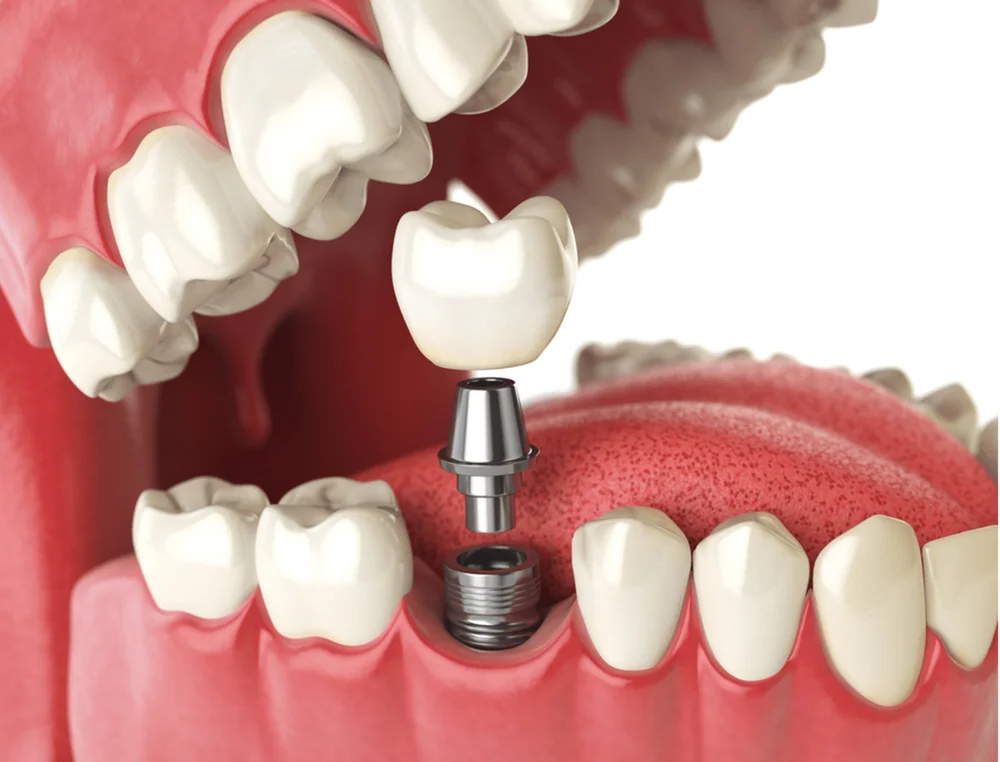
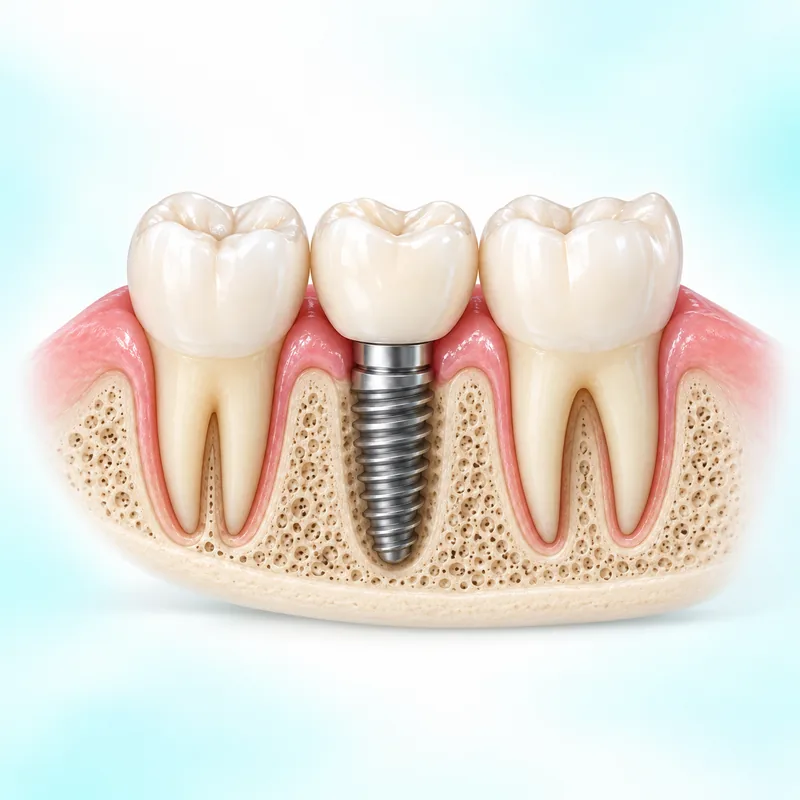
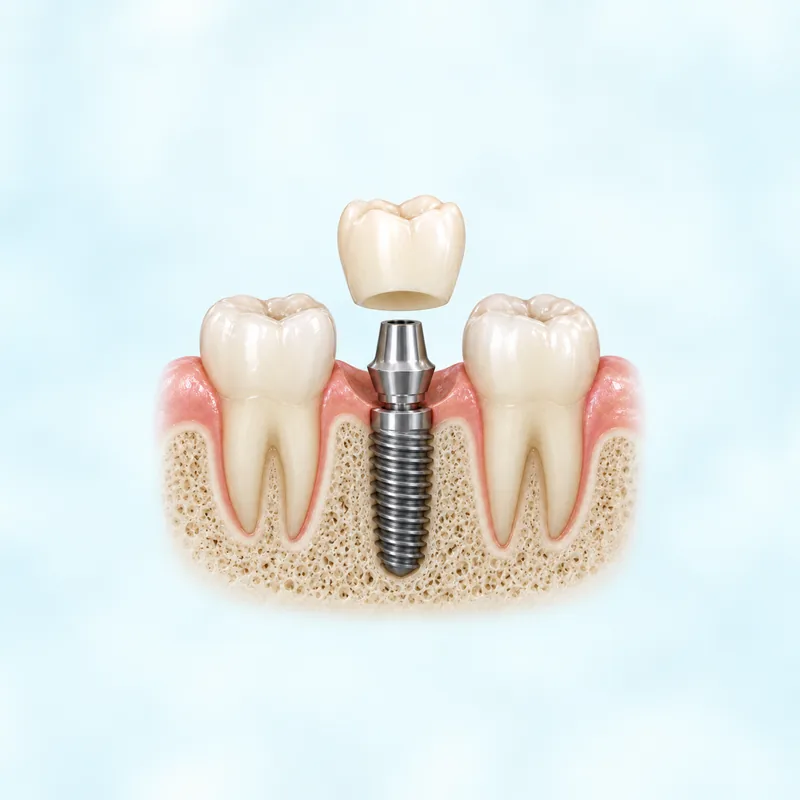
An implant-supported bridge is a connected set of replacement teeth supported by implants in the jawbone rather than by natural teeth. The implant bodies and abutments (connecting components) support the bridge. Several teeth may be restored this way, but the number and position of supports depend on the proposed restoration; there is no one-implant-per-missing-tooth rule.
A removable partial denture or a bridge supported by natural teeth may also be considered. Which options fit depends on the condition of the remaining teeth and tissues. A consultation should clarify what each design would rely on and how it could be kept clean, rather than assuming that the largest implant plan is best.
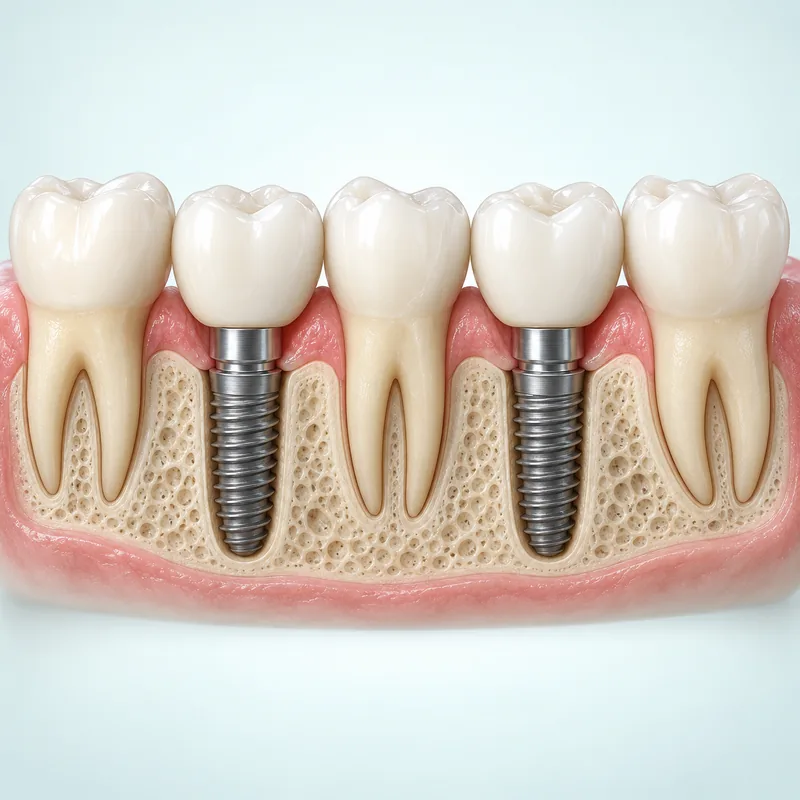
Planning the gaps together
Dr. Supreet's assessment can focus on whether the missing teeth form one span or separate spaces, which teeth remain, and what support and cleaning access a proposed restoration would need. Medical conditions and medicines matter to candidacy and healing. Planning may include X-rays (radiographs) and impressions (moulds of the mouth) when they help answer questions about the sites. If bone is insufficient for the planned implant, bone augmentation (building up jawbone) may be discussed; it is not needed in every case.
The consultation is with Dr. Supreet's Dental & Implant Centre, 395 P, Sector 39, near Medanta Hospital, Gurugram (Gurgaon), Haryana 122001. View the Sector 39 clinic location, browse other consultation locations, or contact the clinic. Call or WhatsApp +91 9650298009 to ask about an appointment.
What the procedure and healing can involve
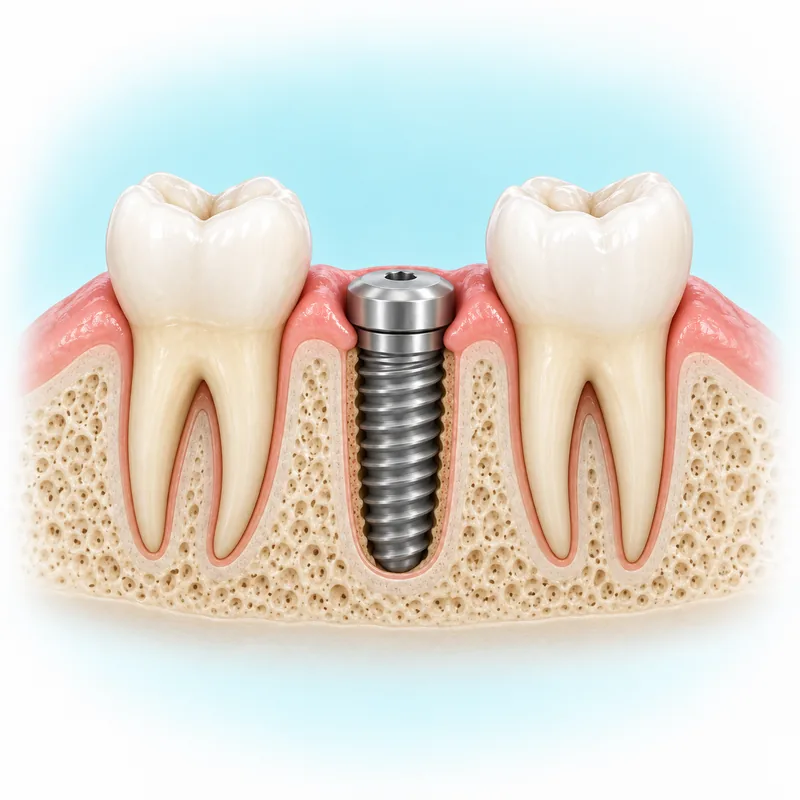
Implant surgery places implant bodies in the jawbone; abutments connect them to the planned bridge. The exact care and timing depend on the clinical plan, so an online description cannot set a universal sequence or healing period. General health and smoking are relevant to healing and implant outcomes and should be discussed before treatment.
Soreness, swelling, bruising or minor bleeding can occur after surgery, and recovery varies. Surgical risks depend on the site and procedure and can include injury to nearby teeth, nerves or other structures. Infection or failure of an implant to integrate with bone can lead to implant loss.
The bridge and nearby gum tissues need regular cleaning and professional follow-up. Follow the treating team’s instructions for cleaning the operated area while it heals. Contact the team promptly for pain or a feeling that an implant is loose, and if swelling, discomfort or another problem worsens. Bleeding that does not stop after surgery needs urgent assessment; if it remains uncontrolled, seek appropriate local emergency care.
For the wider assessment and treatment options, see the dental implant consultation guide.