Why Bone Grafting or a Sinus Lift May Be Needed Before Dental Implants
Short answer: Bone grafting or a sinus lift may be discussed when the available jawbone does not provide the height, width or position needed for the proposed implant restoration. Tooth loss alone does not prove that grafting is necessary. The site, planned tooth, anatomy, gums, health and imaging change the answer.
Why jawbone changes after tooth loss
The bone around a tooth is shaped by the tooth and the forces it receives. After extraction or long-standing tooth loss, the ridge can become narrower or shorter. Infection, trauma, previous surgery and the position of neighbouring structures can add further complexity. The amount of change varies between sites and people.
An implant needs bone around its planned position, but the final restoration matters too. A technically possible implant position may not support a cleanable, functional crown or bridge. Planning therefore works backwards from the replacement tooth rather than forwards from a generic graft package.
Height and width are different questions
Ridge width concerns the thickness of bone from cheek to tongue or palate. Ridge height concerns the vertical support available at the planned site. A patient can have enough of one and not the other. The proposed implant angle, neighbouring roots, nerves and final restoration influence which dimension matters.
Why the upper back jaw is special
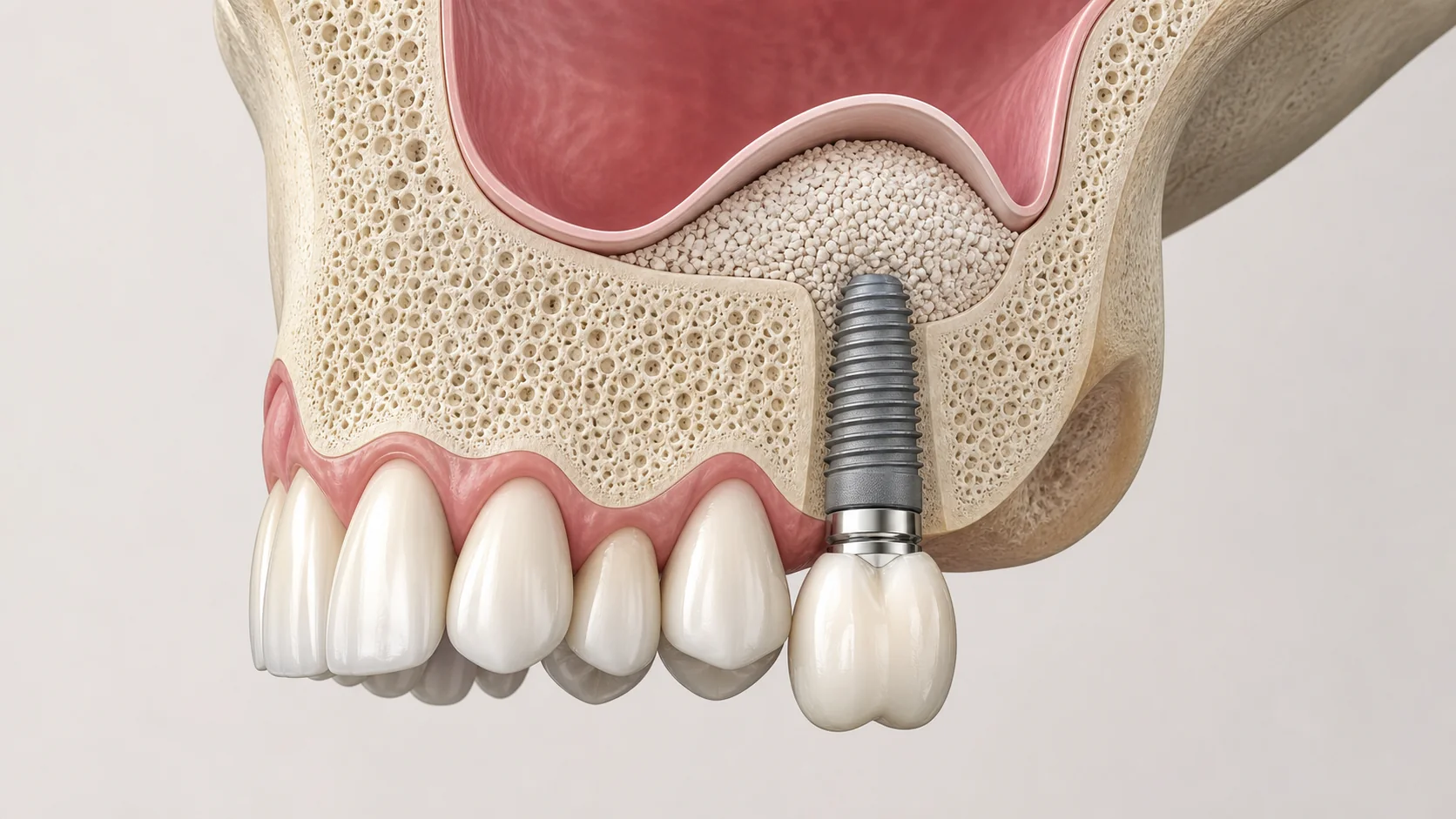
The maxillary sinus sits above the upper back teeth. When those teeth are lost, the available bone between the mouth and sinus may be limited. A sinus lift, or sinus augmentation, may be considered in selected cases to improve the relationship between the proposed implant and the sinus. It is not the same as every ridge graft and it is not an automatic step.
What the clinician needs to know
Dr. Supreet Kaur Sawhney may assess the missing tooth, ridge shape, gum health, infection, neighbouring teeth, sinus or nerve relationship, medical conditions, medicines, tobacco use and the type of crown, bridge or denture the implant would support. Appropriate imaging may be advised when it answers a planning question.
The purpose of imaging is not to make the plan look advanced. It is to reduce uncertainty about anatomy and alternatives. A scan sent online may be useful background material but cannot replace an examination or consent discussion.
Does grafting always come first?
No. In selected situations, bone care and implant placement may be considered together. In others, they may be staged, or the patient may choose a bridge, denture, different implant design, changed site or delayed replacement. Healing, site health and the restoration goal determine what can reasonably be considered.
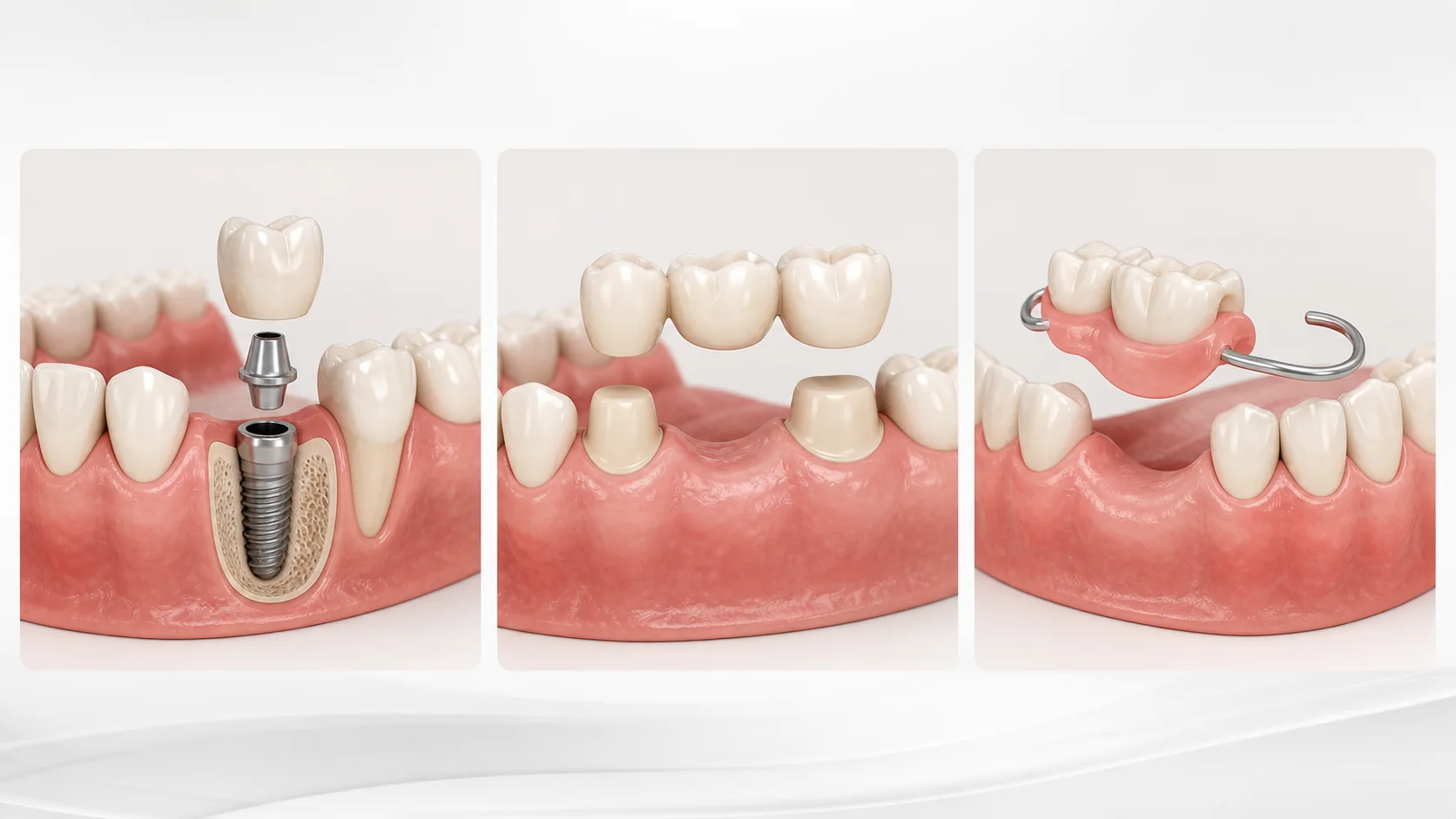
The dental implant service page places grafting in the wider decision between preserving teeth, replacing teeth and maintaining the result.
Risks, limits and useful questions
Bone and sinus surgery can add treatment burden and healing. Infection, graft complications, sinus symptoms, altered anatomy, a change to the implant plan or the possibility that an implant remains unsuitable should be discussed. There is no universal waiting period or fixed outcome.
Ask: What is missing—height, width or both? What does the proposed restoration require? Which alternatives avoid grafting? What medical or smoking factors matter? Is the care staged? What follow-up is needed? Those questions are more valuable than a label such as “advanced graft”.
A short checklist after someone mentions a graft
Ask the clinician to point out the exact site and explain whether the limitation is ridge width, ridge height, the sinus relationship, infection or another factor. Ask which restoration the implant is meant to support and whether changing the restoration or position would change the need for grafting. Then ask what non-implant choices remain realistic.
It is also reasonable to ask whether bone care and implant placement are expected to be considered together or in stages, what healing will be monitored and which signs need review. The answer may remain conditional until the site is examined or imaging is interpreted in context. That uncertainty is not a failure of planning; it is a truthful reflection of anatomy.
Patients sometimes assume that a graft makes an implant inevitable. It does not. A graft can improve the foundation for a proposed plan, but the final recommendation still depends on gum health, the restoration, medical factors, maintenance and the patient’s priorities. A bridge, denture or delayed replacement may remain relevant.
A graft discussion should include a fallback plan
If a proposed site does not provide the expected support, the plan may change. The fallback could be a different implant position, a different restoration, a bridge, a denture, preservation of another tooth or delayed replacement. It is useful to ask about these possibilities before surgery because consent is stronger when the patient understands that grafting is part of a decision tree rather than a guarantee of a final tooth.
The upper back jaw deserves particular explanation. Sinus position, ridge height and the intended restoration interact, so a patient may hear that a sinus lift is “possible” rather than “required”. That wording reflects genuine uncertainty until the site, image and restoration plan are considered together.
Patients should also ask how healing will be reviewed and which symptoms are expected versus concerning. A responsible explanation names limits without making the patient fearful. It allows the patient to decide whether the possible improvement in implant conditions is worth the additional treatment burden.
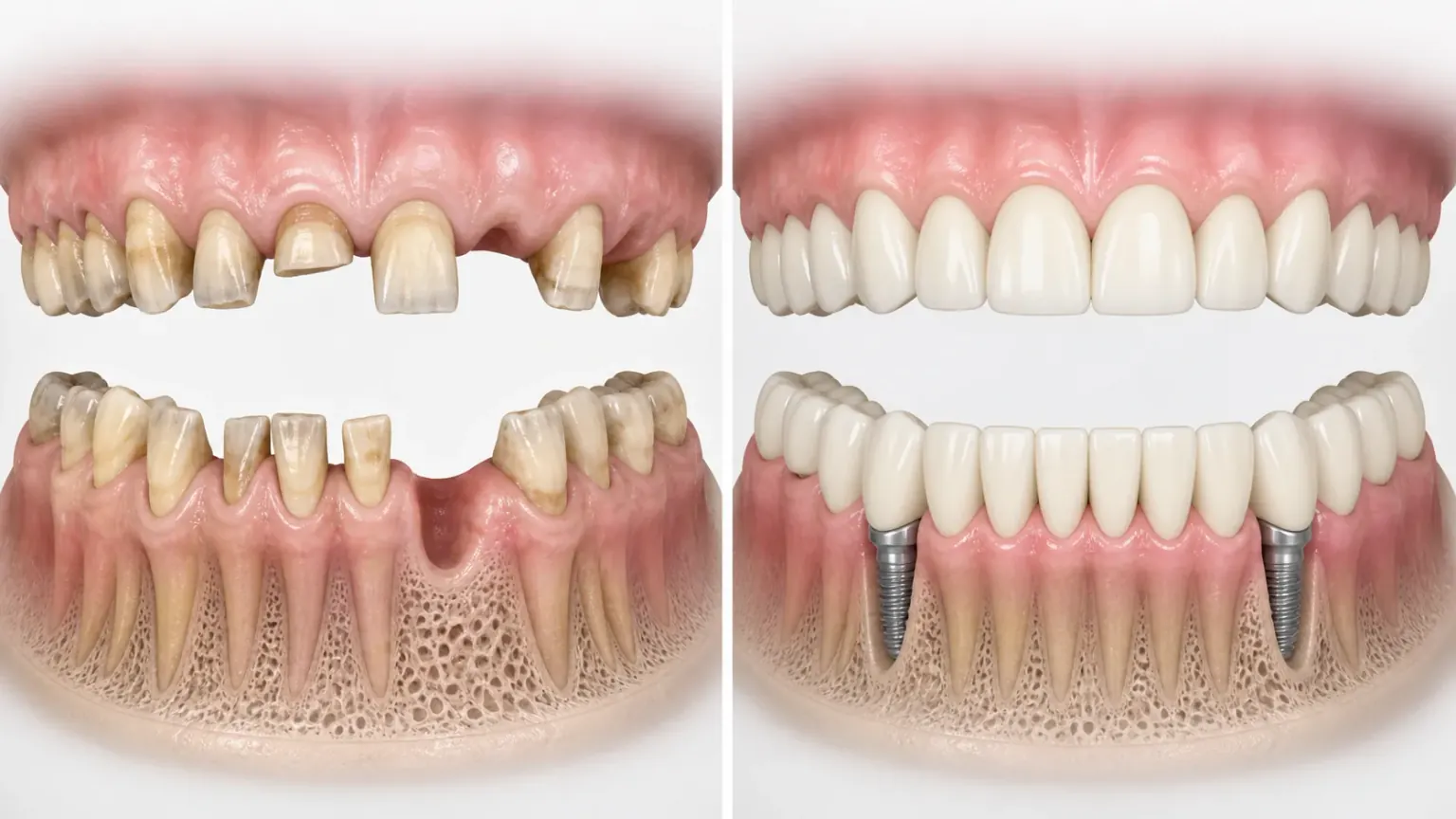
The answer may also depend on whether the missing tooth is part of a wider rehabilitation. If nearby teeth are failing or the bite is unstable, the implant site should not be planned as an isolated square of bone. The broader full-mouth rehabilitation guide explains why those connections matter.
How to read a recommendation without feeling pressured
Words such as “may need”, “limited support” or “sinus close to the site” describe a planning concern, not a completed diagnosis. Ask the clinician to explain the uncertainty in everyday terms and what additional information would resolve it. You can ask for time to compare a bridge or denture, preserve a tooth or return after discussing the choices with family.
A good recommendation should identify the intended benefit, the material risks, the alternatives and the maintenance required. It should also tell you what would make the plan change. Patients travelling for care may find it helpful to ask whether a first consultation can provide that decision map before committing to further appointments.
Keep the alternative visible
If a graft is not suitable or the patient does not want additional surgery, the conversation can move to a bridge, denture, a changed implant design, retaining a tooth or delaying replacement. An alternative is not a failure of the implant plan; it is part of informed consent. The patient deserves to know whether the proposed benefit justifies the extra treatment and healing. It is reasonable to ask for time to compare those choices.
The amount of bone is only one part of the implant decision
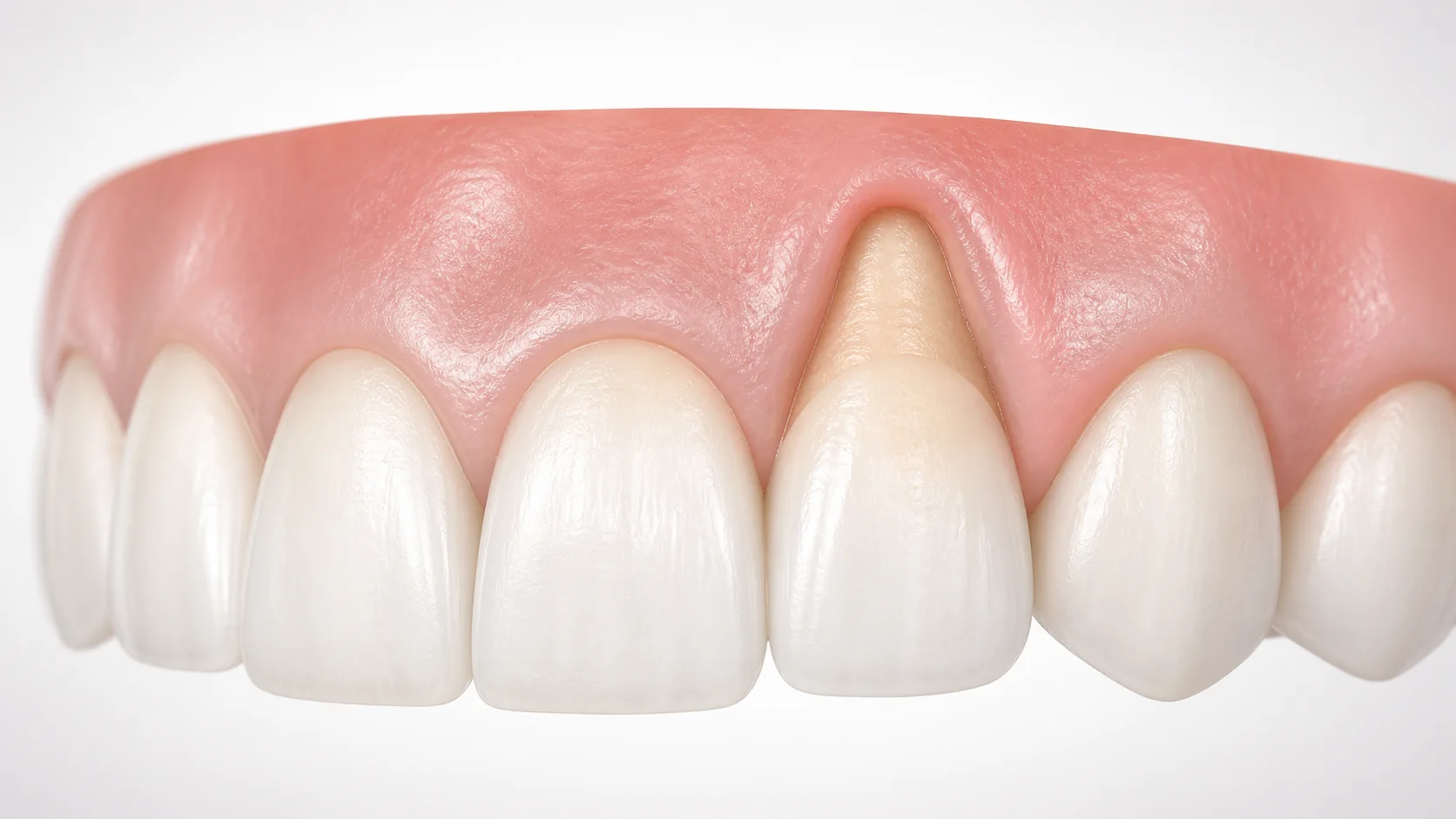
Even when grafting is discussed, the gums, bite, restoration, remaining teeth, medical history and maintenance plan still matter. The most useful consultation connects the bone question to the whole mouth and explains what will happen if the preferred option is not suitable.
Bone support is only one part of a safe plan
Gum health, bite, restoration design and maintenance still need attention after the foundation question is answered.
Dr. Supreet is an MDS Oral & Maxillofacial Surgeon and Senior Implantologist with 20+ years of experience. She assesses implant foundations at confirmed clinic and hospital settings in Gurugram and New Delhi. Call or WhatsApp +91 9650298009 to request an appointment and confirm the venue.