Full-Mouth Rehabilitation vs Full-Mouth Dental Implants
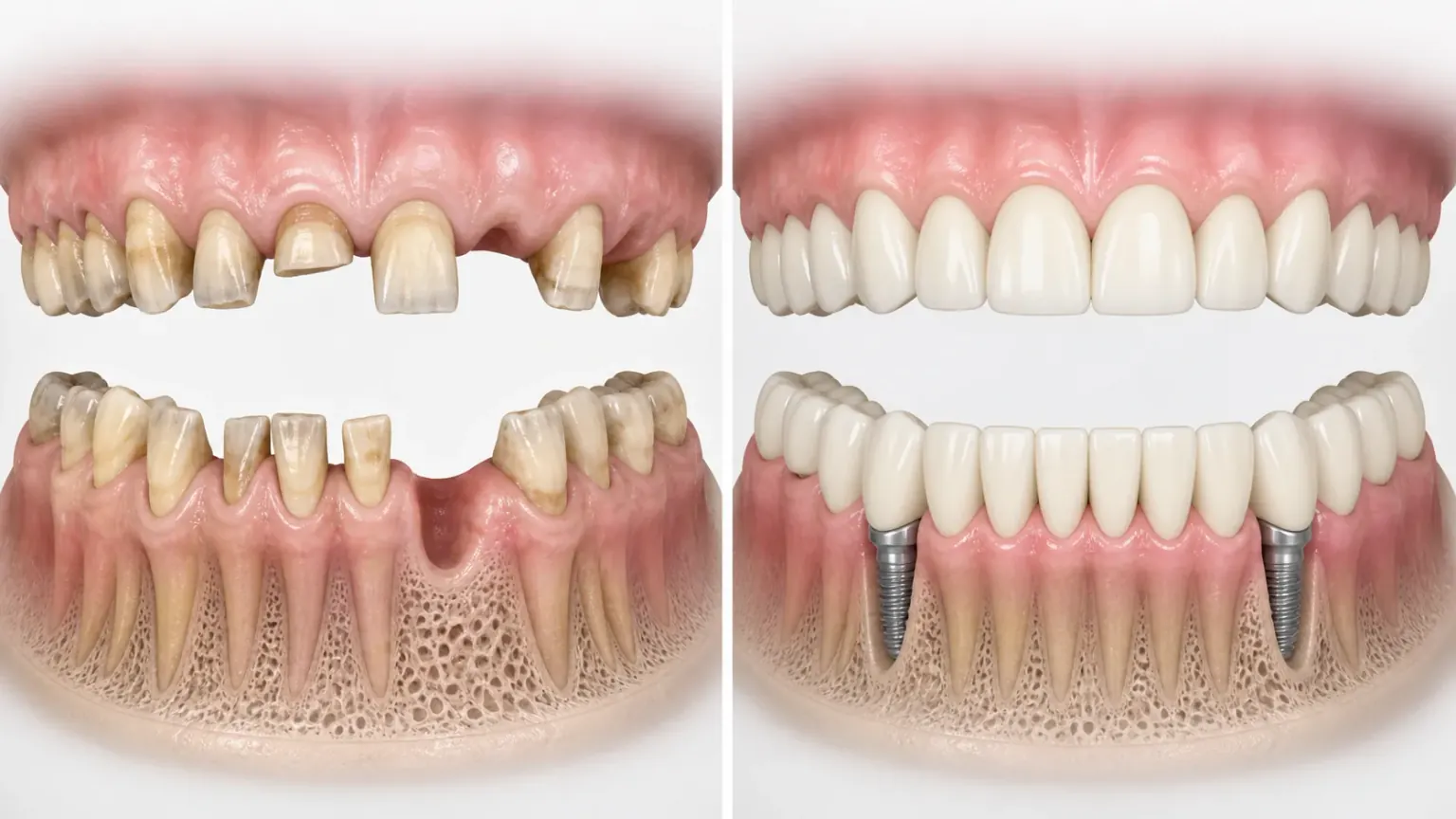
Short answer: Full-mouth rehabilitation is a coordinated plan for the teeth, gums, bite, restorations and missing areas. Full-mouth dental implants are one possible way of replacing extensive tooth loss within that wider plan. Rehabilitation does not mean removing every natural tooth, and dental implants are not automatically the most complete answer.
Two phrases that are often confused
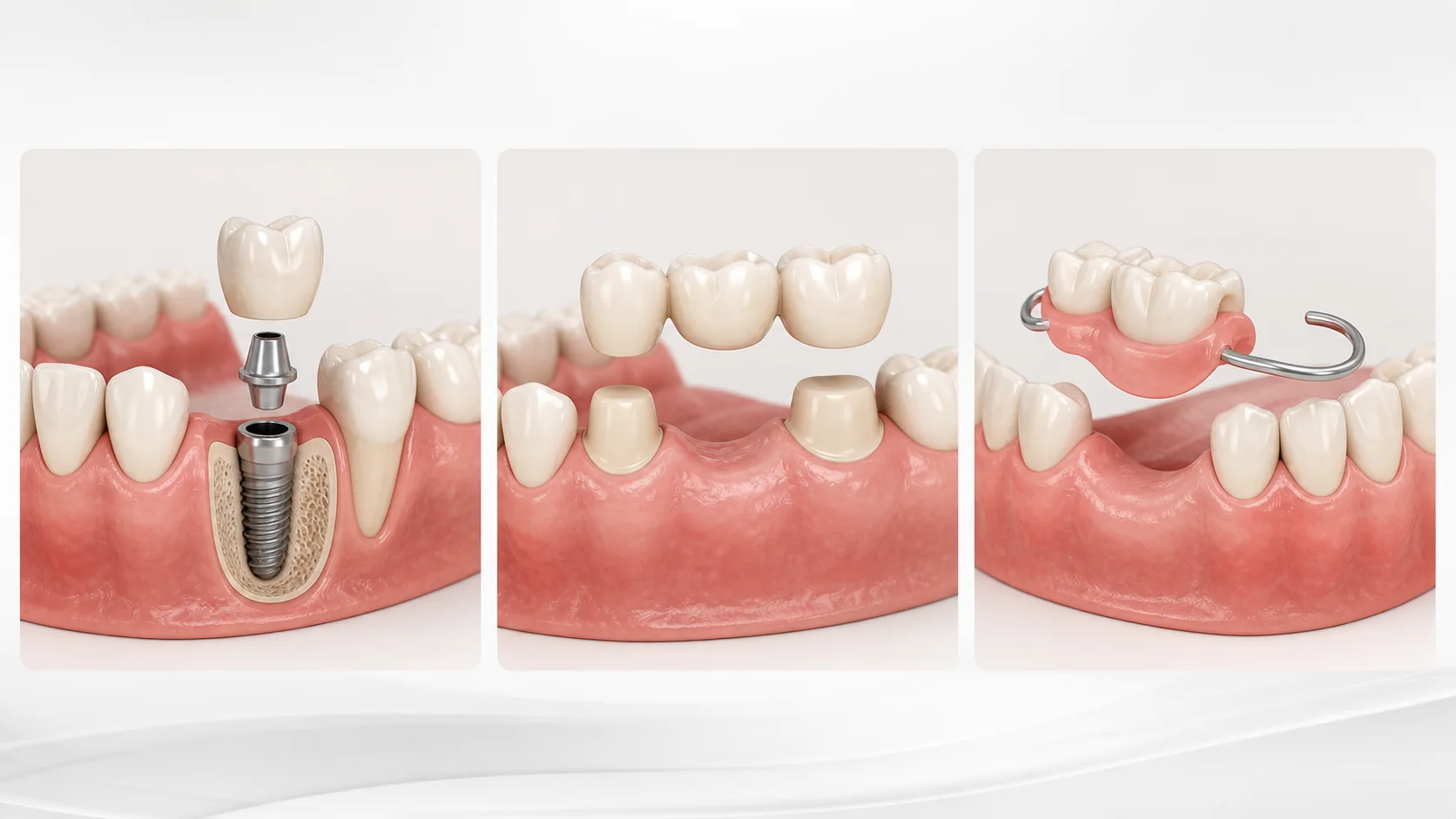
Full-mouth rehabilitation describes the problem-solving scope. It may involve preserving suitable teeth, treating disease, rebuilding worn surfaces, replacing missing teeth, managing gums and stabilising the bite. The final care can include crowns, bridges, dentures, dental implants, gum treatment or a combination.
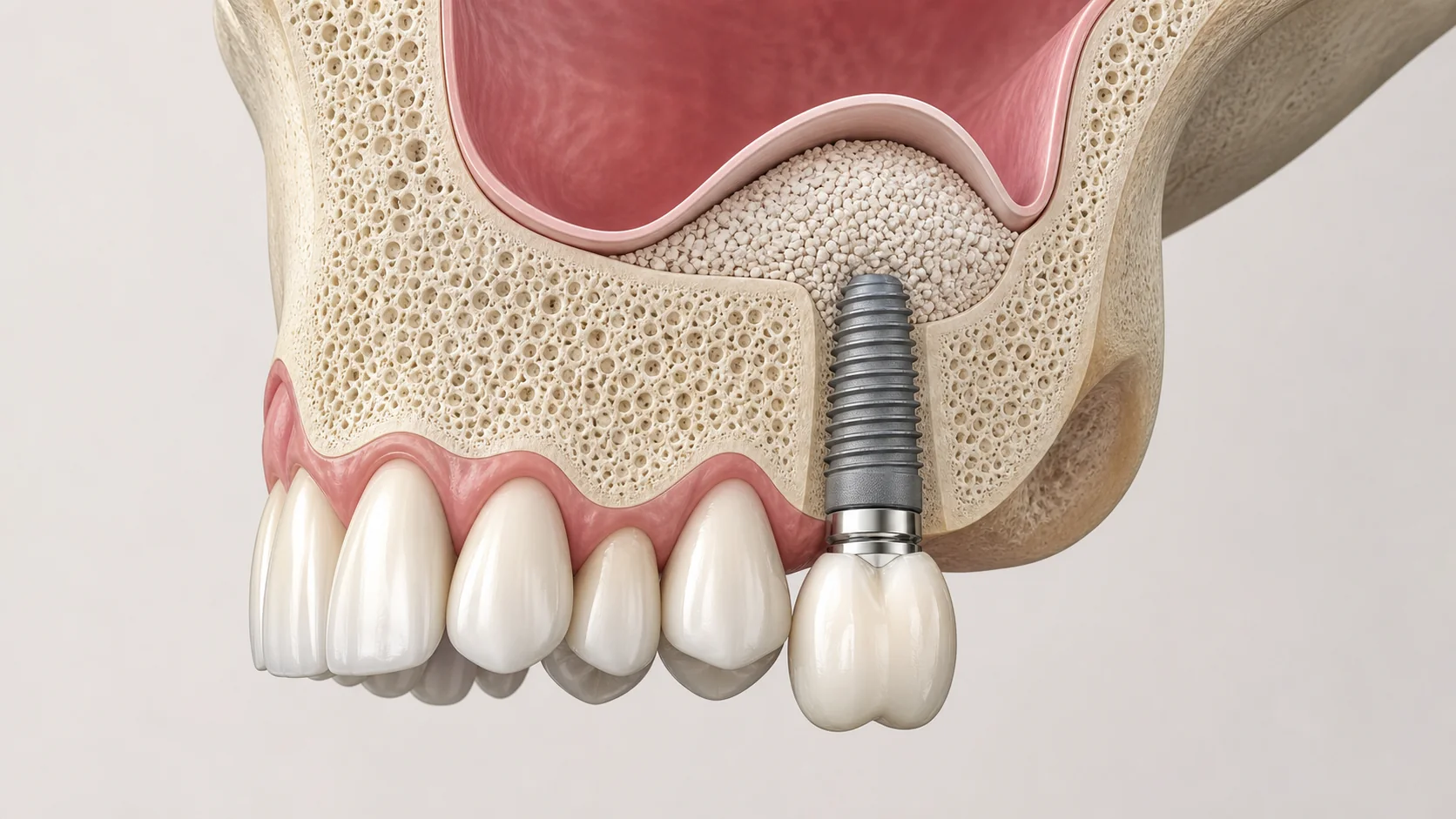
Full-mouth dental implants generally describes a replacement pathway in which dental implants support a large number of new teeth or a full-arch restoration. It may be appropriate for some patients with extensive tooth loss or poor tooth prognosis, but it remains a surgical and maintenance decision.
How the plans differ
| Question | Full-mouth rehabilitation | Full-mouth dental implants |
|---|---|---|
| Main idea | Coordinate all teeth, tissues, bite and replacements | Use dental implants to support extensive tooth replacement |
| Natural teeth | Suitable teeth may be retained and restored | Teeth with poor prognosis may be removed; preservation still needs assessment |
| Options | Restorative, gum, removable and implant care can be combined | Implant-supported fixed or removable designs are considered |
| Planning burden | Diagnosis, cause control, bite and maintenance across the mouth | Surgical suitability, bone, implant positions, restoration and maintenance |
| Risks | Depend on the teeth, disease, restorations and staging | Include surgical, biological and mechanical implant risks as well as restoration risks |
The table is a framework for questions, not a treatment recommendation.
Why preserving a suitable tooth matters
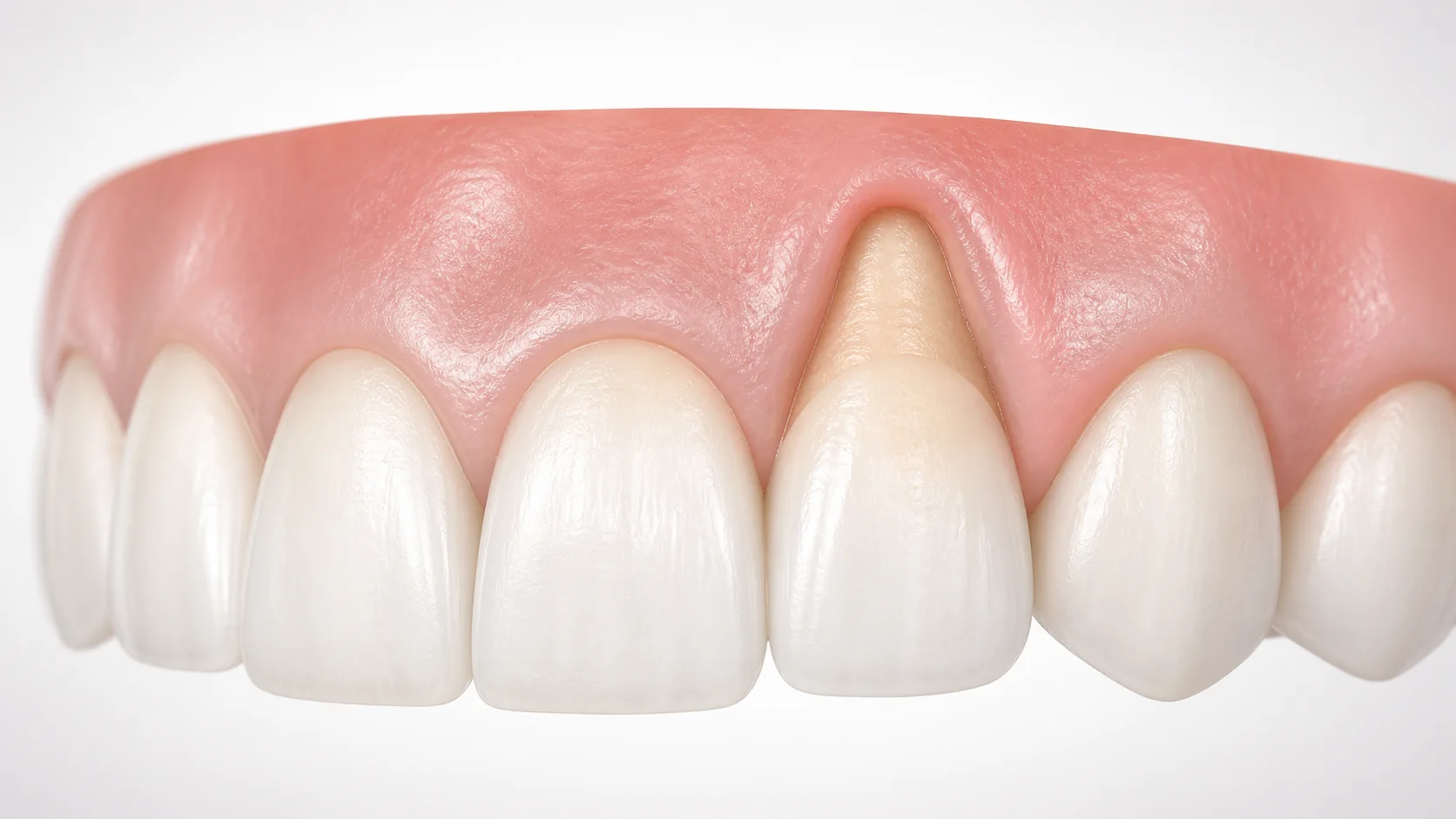
An implant is not a replacement for every healthy tooth simply because it is available. A natural tooth with acceptable structure, gum support and prognosis may contribute useful function and reduce surgical treatment. Conversely, keeping a tooth with poor prognosis can compromise a wider plan. The decision should explain what makes preservation sensible or unsafe.
This is why a whole-mouth assessment should identify the causes of breakdown—decay, wear, gum disease, fracture, bite forces, old restorations or missing teeth—before a patient commits to a large replacement package.
What a rehabilitation assessment may ask
Dr. Supreet Kaur Sawhney may consider the number and condition of teeth, gum stability, bone support, infection, wear, jaw relationship, chewing, speech, cleaning access, medical history, medicines, tobacco use and the patient’s ability to maintain complex work. The patient’s preferred balance of fixed treatment, removable care, staging, appearance and cost matters too.
The plan may be staged. A diagnostic phase can clarify which teeth can be kept, what needs disease control and whether the bite or gums require attention before definitive restorations. A same-day full-mouth result cannot be promised from a webpage.
Why “replace everything” can be the wrong first question
Removing teeth is irreversible. Implant surgery is not maintenance-free. Bone and gum conditions, restorative space, bite forces, cleaning ability and future repair all need consideration. A fixed full-arch restoration may suit one patient but be difficult for another to clean or maintain. A removable design may be more practical for a different patient.
The better question is: which teeth, tissues and support can be kept healthy, and what replacement design fits the diagnosis and the patient’s life?
Timing, cost and long-term care
Costs vary with disease control, tooth preservation, fillings, root-canal treatment, crowns, bridges, dentures, gum or bone care, dental implants, laboratory work, records and follow-up. Full-mouth dental implants also bring surgical, healing and restoration maintenance factors. Ask what is included, which choices are alternatives and what future repair may involve.
The preservation question comes before the replacement question
When a mouth has failing teeth, it is understandable to want a single comprehensive answer. Yet a complete plan may begin by identifying what does not need to be removed. A tooth with acceptable structure and support can sometimes be restored and become part of the long-term design. A tooth with an unfavourable prognosis may make removal more sensible. The difference is established by diagnosis, not by the treatment label.
Patients should ask how the bite will be evaluated, how gum inflammation will be controlled, whether provisional restorations are needed and how the finished work will be kept clean. They should also ask what happens if a tooth or implant fails later. A responsible plan includes maintenance and contingency thinking, not only a list of procedures.
Full-mouth rehabilitation can be staged around health, healing, finances and practical life. Full-mouth dental implants may reduce some restorative complexity for a suitable patient but introduce surgical and implant-maintenance questions. The right comparison is therefore personal: what can be preserved, what needs replacing and what can the patient maintain over time?
How to test whether a proposed plan is truly comprehensive
Ask whether it explains the causes of tooth breakdown, the prognosis of every tooth being retained, the health of the gums, the bite, the amount of bone, cleaning access and what happens if a restoration or implant needs repair. Ask which teeth are being removed because they cannot be maintained and which are being removed only for convenience. Those answers reveal whether the plan is diagnostic or simply a replacement package.
The patient should also understand temporary phases and review points. A provisional restoration can show how the bite feels and whether cleaning is practical before definitive work is completed. A staged approach can make a large plan easier to evaluate, although it may take longer and involve more appointments.
The phrase “full-mouth” should therefore create more questions, not fewer. Comprehensive care is not measured by the number of teeth removed or dental implants placed; it is measured by whether the diagnosis, function, tissues, alternatives and maintenance have been addressed together.
The patient’s priorities belong in the treatment map
One person may want to chew comfortably without a removable appliance. Another may prioritise preserving teeth, reducing surgery, keeping appointments manageable or controlling cost over time. Someone travelling from another Haryana city may need the first visit to answer whether a proposed plan is realistic before arranging a second journey. These priorities do not replace diagnosis, but they help the clinician compare otherwise suitable options.
Ask how each option affects cleaning, speaking, appearance, eating, future repairs and the need for reviews. Ask whether the plan can be staged and what happens if a tooth that was expected to survive later fails. A patient who understands the trade-offs can participate in the plan rather than simply accepting the largest-sounding treatment.
A large plan still needs small, testable decisions
The clinician and patient can agree on what must be established first: which teeth are restorable, whether gums are stable, how the bite should be evaluated and whether a temporary stage will help. Each answer narrows the next question without pretending that every final restoration can be chosen immediately. This is often safer than approving a full-mouth package before the causes of breakdown are understood.
Dr. Supreet is an MDS Oral & Maxillofacial Surgeon and Senior Implantologist with 20+ years of experience. She provides consultations and treatment at confirmed settings in Gurugram and New Delhi. Call or WhatsApp +91 9650298009 to request a whole-mouth discussion and confirm the venue. This article is educational, not a personal treatment plan.