Jaw Cyst and Tumour Treatment in Gurugram
Jaw cyst and tumour treatment in Gurugram starts by establishing what the abnormality is and how much of the jaw it involves. A swelling or an X-ray finding does not, by itself, establish a diagnosis or mean cancer. Dr. Supreet Kaur Sawhney, MDS, is a Senior Consultant - Oral & Maxillofacial Surgeon and Senior Implantologist with 20+ years of experience. She assesses jaw pathology and discusses investigation, treatment options and any further specialist care needed.
A cyst, a benign tumour and cancer are different findings
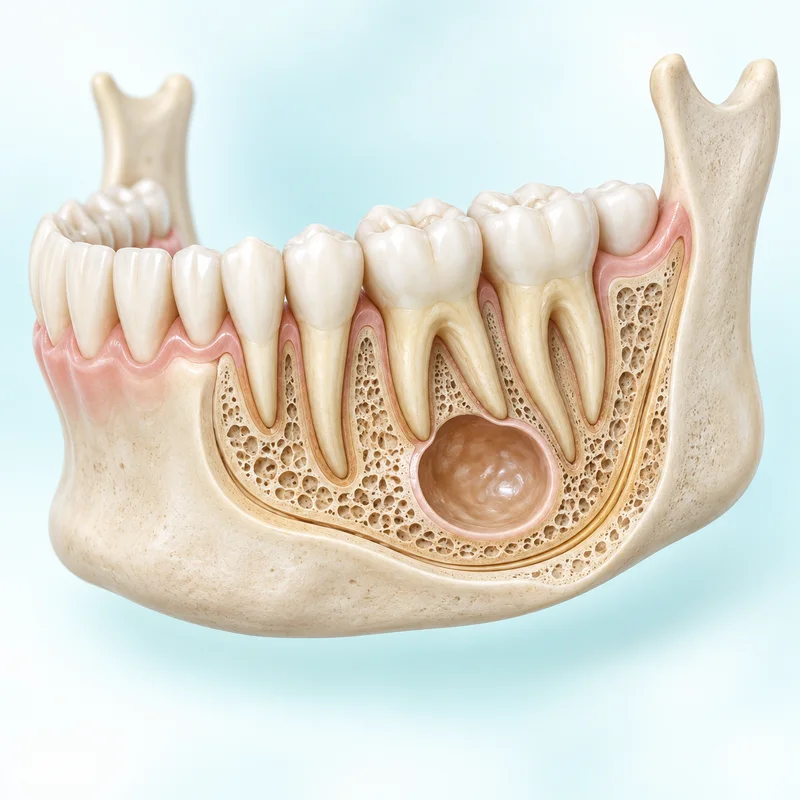
A cyst contains fluid or semisolid material; a tumour is an abnormal tissue growth. Many jaw lesions are benign, meaning non-cancerous, but some can expand and damage bone or displace teeth. A benign label does not automatically make a lesion harmless or remove the need for treatment. The type and behaviour matter more than the word lump.
For example, an ameloblastoma is usually benign but can grow into the jaw and recur after treatment. A cyst around an unerupted tooth has a different origin and management question. These examples explain why one operation cannot be recommended for every jaw lesion. They do not identify the cause of an individual's swelling.
From an abnormal finding to a working diagnosis
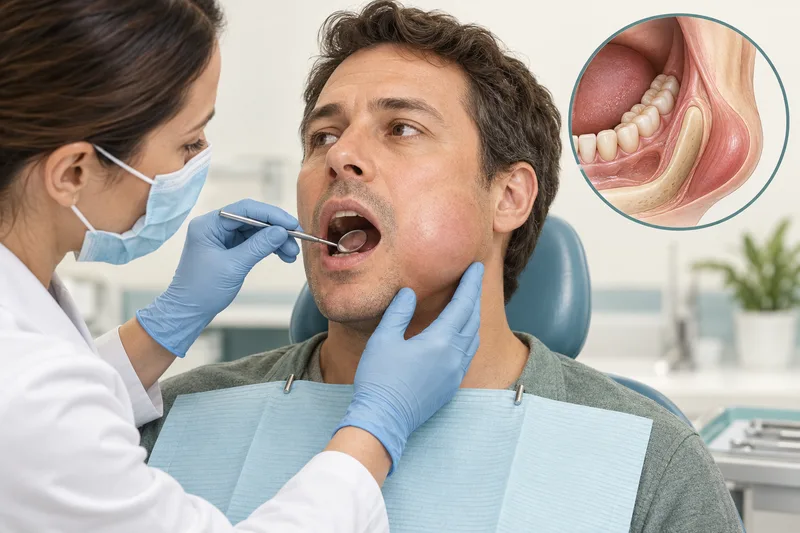
Some lesions are found incidentally on images taken for another reason. Others cause swelling, pain, altered sensation, loose teeth or a changed bite. Examination and review of medical and dental history help determine what investigation is appropriate. New or persistent changes deserve assessment even when they are painless.
Radiographic assessment helps locate a lesion within bone and plan sampling. An unexplained or expanding lesion, or a persistent abnormality around a tooth root, may need biopsy, but not every X-ray change needs the same procedure. Imaging is chosen to answer a specific question rather than automatically ordering a three-dimensional dental scan for everyone.
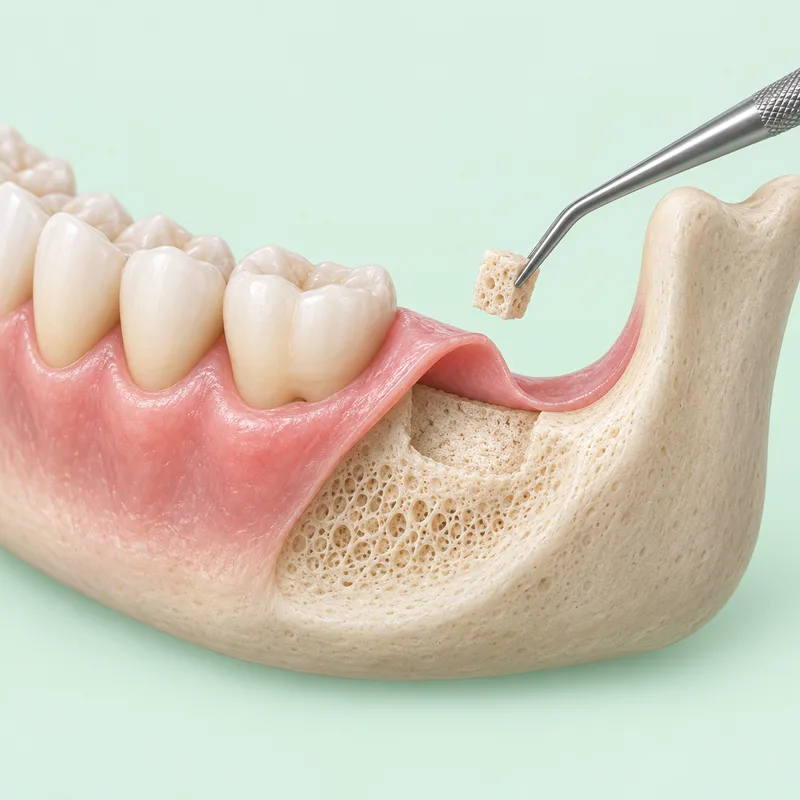
A biopsy takes tissue for microscopic examination, called histopathology. Jawbone sampling may use an open or needle approach, depending on the diagnostic problem. If cancer is suspected, imaging alone cannot confirm its type: the biopsy needs appropriate specialist planning because its route can affect later surgery.
Treatment follows the diagnosis and local extent
For a selected jaw cyst, enucleation means surgical removal of the cyst. An alternative called decompression keeps an opening in the cyst so it can drain and shrink; further removal may still be needed. The tissue diagnosis and individual findings guide the choice. Decompression requires care of the opening and continuing review, rather than being a one-off substitute for all surgery. These are options for assessed cysts, not universal tumour treatments.
Sources (2)
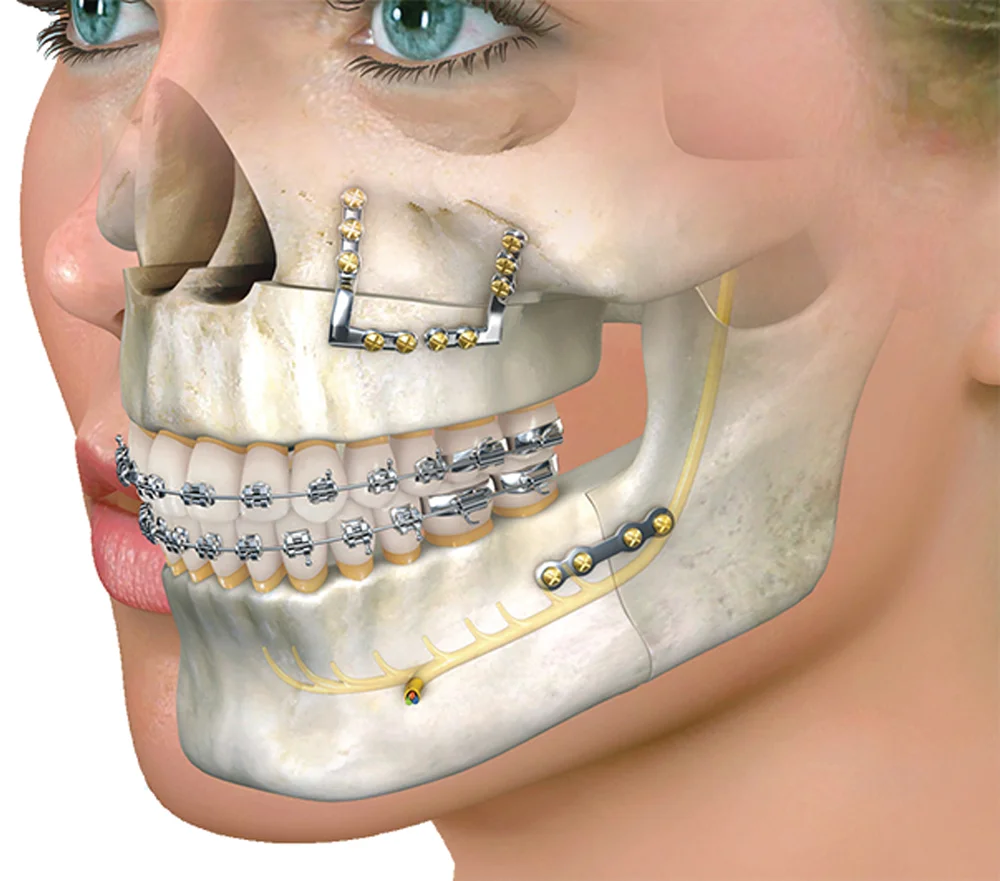
Some tumours require removal of affected tissue as well as the growth. Where a larger defect is expected, the plan may need to address jaw continuity, teeth, eating or speaking and reconstruction. Suspicion or confirmation of malignancy requires diagnosis-specific specialist care. The consultation should establish that pathway rather than assume that biopsy or local removal completes treatment.
Risks, healing and continued review
Sampling jawbone carries possible bleeding, infection, nerve injury and damage to nearby structures. Site and approach determine the risks; no single risk rate fits every lesion. Discuss how the proposed treatment affects nearby teeth and sensation and what postoperative support is needed.
After removal of a jaw cyst, possible problems include infection, altered sensation and harm to nearby teeth. Some cyst operations can leave weakened bone at risk of fracture. The procedure, lesion and anatomy affect the risks; discuss the individual plan and attend the advised postoperative reviews.
Sources
Follow-up also depends on the diagnosis. Odontogenic keratocysts, a particular type of jaw cyst, can return after treatment, so simple removal is not a guarantee against recurrence. Other cysts and tumours have different behaviour. Obtain the final tissue report, understand its meaning and agree who will arrange future reviews and any further care.
Warning symptoms should not wait
Breathing or swallowing difficulty, extensive mouth swelling, or swelling with a painful eye or new vision problems needs emergency hospital assessment. Do not wait for a routine appointment. These signs indicate urgency rather than identifying a cyst, tumour or infection.
Discuss jaw pathology with Dr. Supreet
Bring previous X-rays, scan reports, referral letters and any biopsy report. Dr. Supreet can explain the investigation question, the likely care setting and the alternatives once the findings are understood. Ask what is known now, what still needs tissue confirmation and how the result will change the plan. An estimate follows the agreed investigation or treatment.
The hard-tissue biopsy guide explains sampling within jawbone; oral biopsy covers mouth-tissue sampling. For swelling whose cause has not been established, see dental swelling assessment. The parent OMFS guide explains broader specialist care.
Dr. Supreet's Dental & Implant Centre is at 395 P, Sector 39, near Medanta Hospital, Gurugram (Gurgaon), Haryana 122001. View the Sector 39 consultation location, contact the clinic, or call +91 9650298009.