Screw-Retained Implant Prostheses in Gurugram
When planning a fixed implant restoration, one decision is how the replacement teeth will attach. A screw-retained restoration is fastened to the implant or its connector (abutment) with a screw; a cement-retained restoration is cemented onto that connector. The choice affects whether a clinician may need to remove the restoration later for access. The 2013 International Team for Implantology (ITI) consensus did not recommend one design for every case. Dr. Supreet Kaur Sawhney, MDS, is a Senior Consultant – Oral & Maxillofacial Surgeon and Senior Implantologist with 20+ years of experience. She can review the proposed restoration, its access and ongoing care with you.
Sources (2)
Discuss the restoration plan with Dr. Supreet
A useful restorative discussion considers the clinical circumstances, whether the dentist may need to remove the restoration later for access, the components being used and how the restoration can be maintained. Screw- and cement-retained designs can both have tissue or component problems; choosing one does not by itself prevent failure. This page concerns attachment and care of the fixed restoration, not the effects of implant surgery.
Sources (2)
For a clinic appointment, visit Dr. Supreet's Dental & Implant Centre, 395 P, Sector 39, near Medanta Hospital, Gurugram (Gurgaon), Haryana 122001. View the Sector 39 clinic location, other consultation locations, or contact the clinic. Call or WhatsApp +91 9650298009 to ask about an appointment.
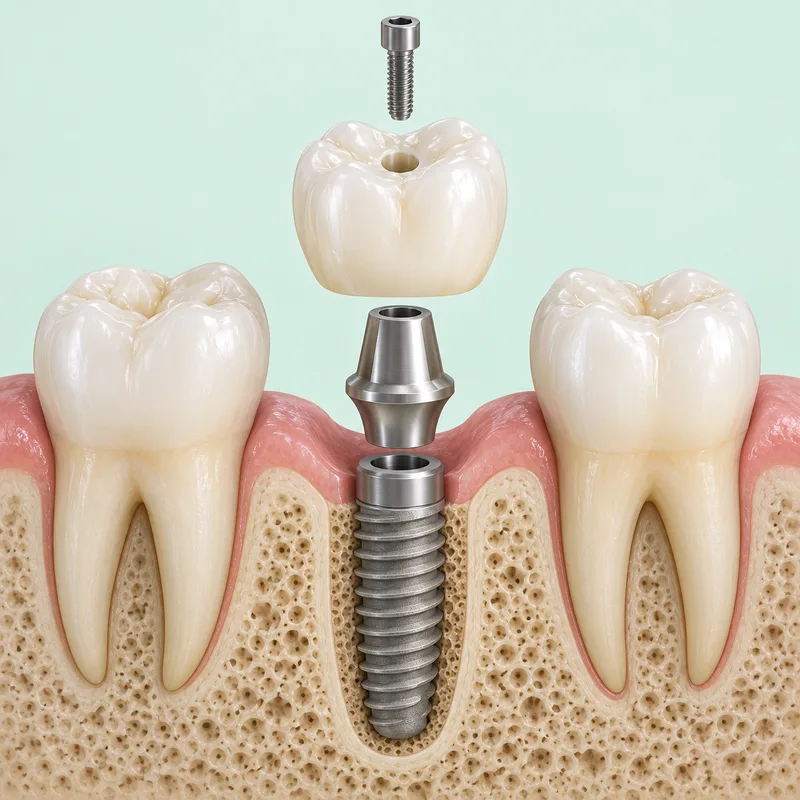
How screw retention works
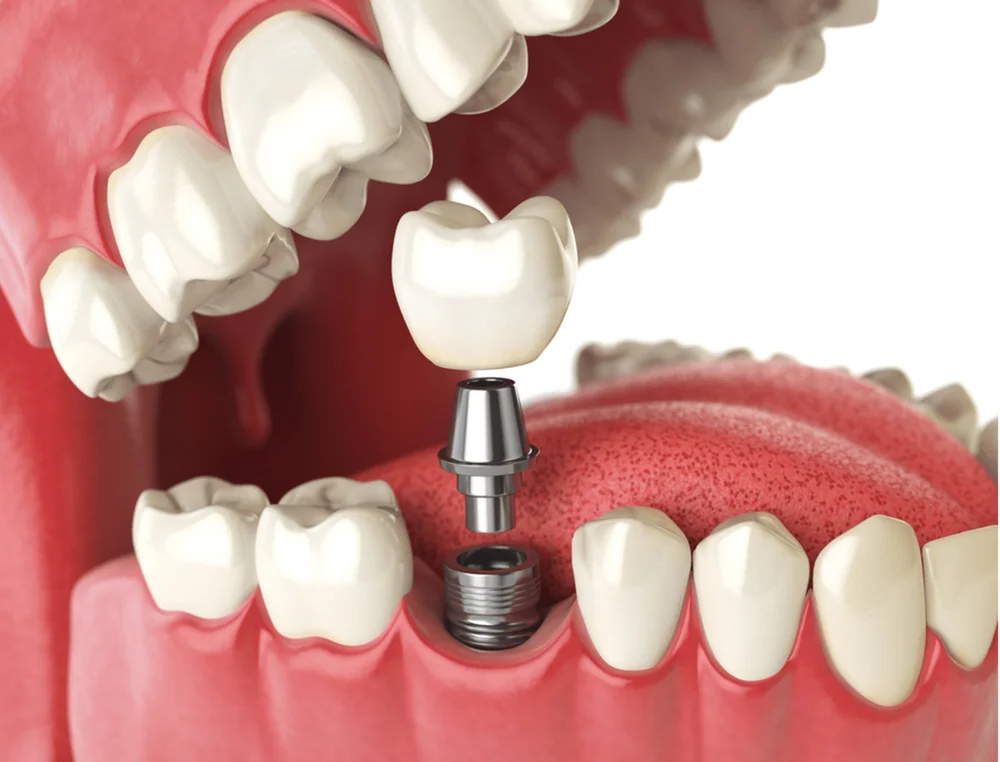
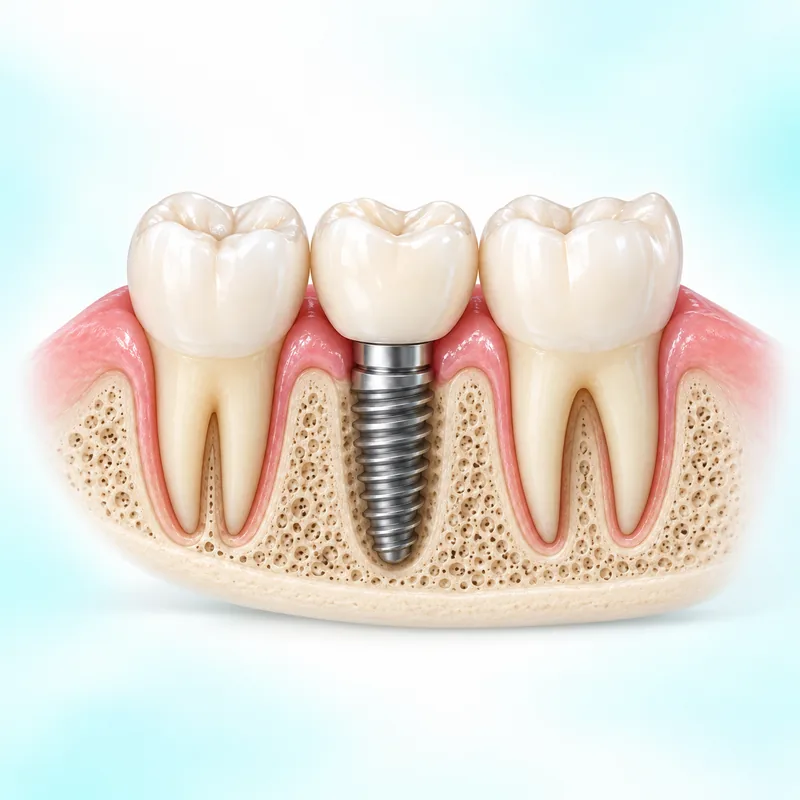
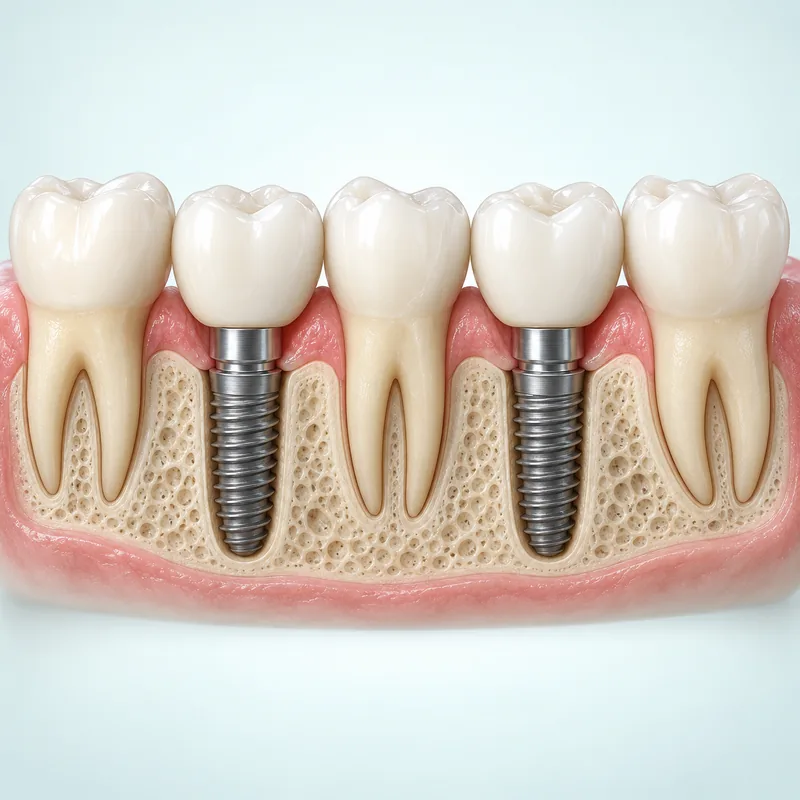
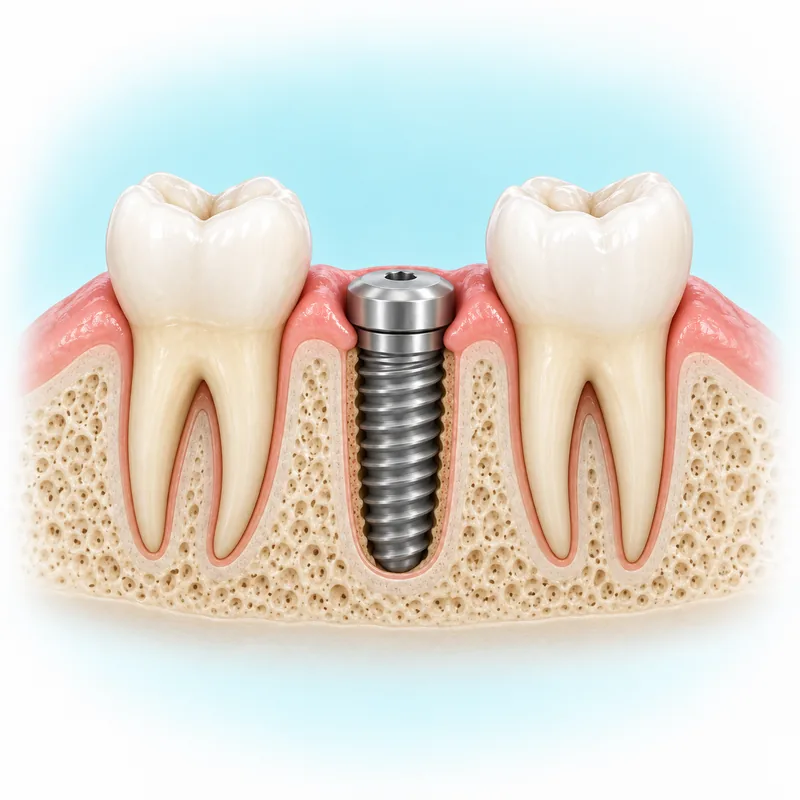
The implant body is in the jawbone. An abutment is the connector between the implant and a crown, bridge or other replacement tooth. In a screw-retained design, the screw fastens the restoration to the implant or abutment. Depending on the design, the abutment and restoration may be fabricated as one assembly or as separate components.
Sources (2)
For tightening a prosthetic screw, the clinician follows the manufacturer's specified steps and uses an appropriate device to apply controlled tightening force. The required force depends on the system; there is no universal setting. Restorative appointments can include impressions (moulds of the mouth) and checks of component fit; the exact components and records depend on the treatment plan.
Sources (2)
Fit, cleaning and continuing review
Hygiene aids should match the restoration's shape and the spaces around it so the patient can clean the fixed prosthesis effectively. At follow-up, the clinician can measure the gum space around the implant, check for bleeding and the position of the gum edge, and assess whether cleaning tools can reach. These findings are compared with the initial records. Implants cannot develop tooth decay, but the surrounding tissues can develop disease, so daily cleaning and professional follow-up remain important.
Sources (3)
Contact the treating dental team promptly for pain or a feeling that an implant is loose. The clinician can examine the implant and restoration and decide what assessment is needed; this guide cannot diagnose a problem from symptoms alone.
For the broader choice between implant-supported replacement and other options, read the dental implant consultation guide. The single-tooth implant guide addresses one missing tooth, while the full-arch implant guide covers replacement across a whole arch.