Myofascial Jaw Pain Care in Gurugram | Dr. Supreet
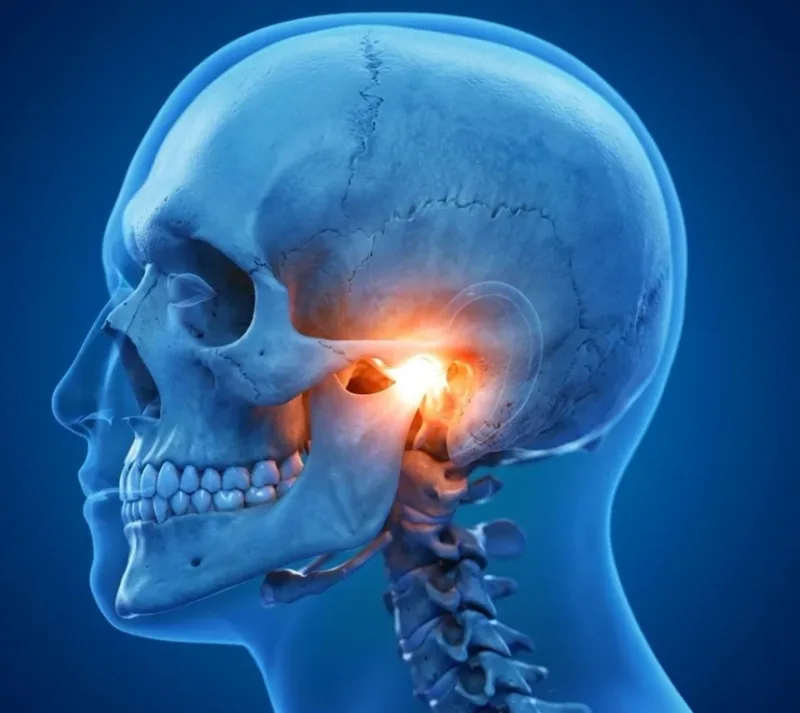
Aching jaw muscles can sometimes cause pain felt elsewhere, including the teeth, ear or face. This is called referred pain; symptoms alone cannot tell you whether the source is a muscle, a tooth or the jaw joint.
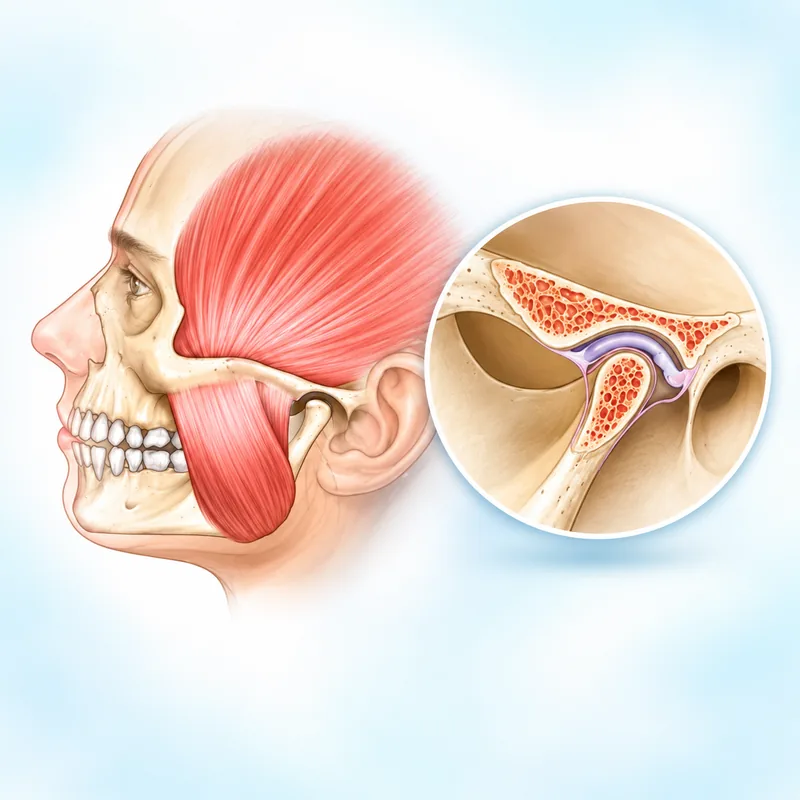
Myofascial jaw pain involves the jaw or neck muscles used for chewing and facial movement, and may bring tenderness or stiffness. Dr. Supreet assesses these symptoms before planning care, including other dental, joint, headache or medical causes that can overlap.
Establish the source before choosing treatment
History and examination guide the assessment, with imaging when indicated. Temporomandibular disorders, or TMD, include several jaw-joint, chewing-muscle and associated headache conditions; the term does not identify one diagnosis. Painless clicking usually needs no treatment, while pain, locking or limited movement changes the assessment.

Care for an assessed muscle-pain problem
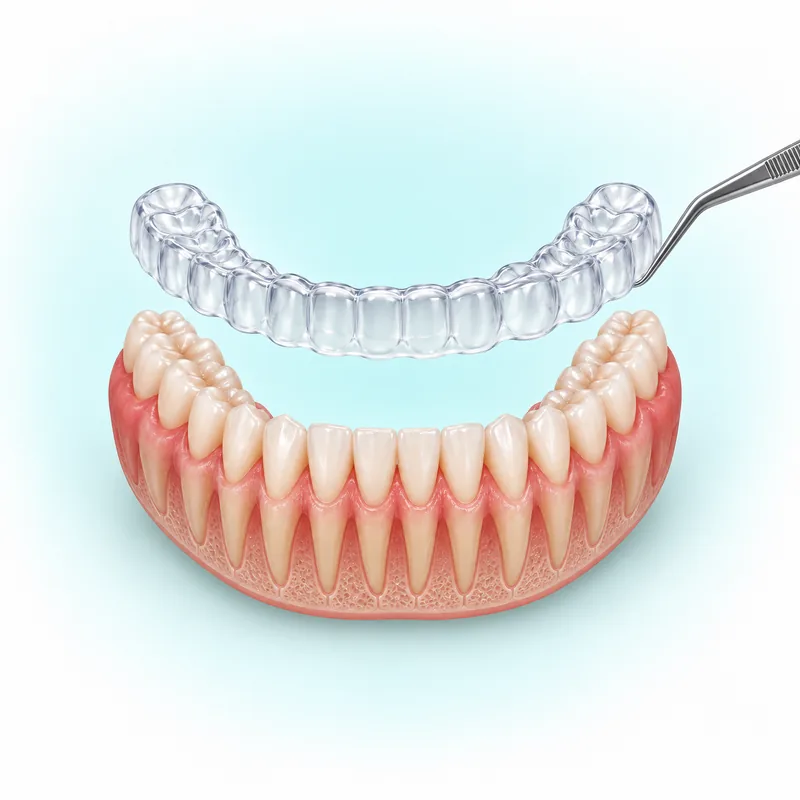
The clinician may discuss reducing chewing strain, comfortable heat or cold, gentle stretching or massage, relaxation and selected physiotherapy. Temporarily softer foods during a painful flare and less gum chewing or clenching may reduce jaw loading. Options should be chosen for your diagnosis and response, rather than provided as a fixed package for every person. Reversible care is generally preferred before invasive treatment.
Sources (3)
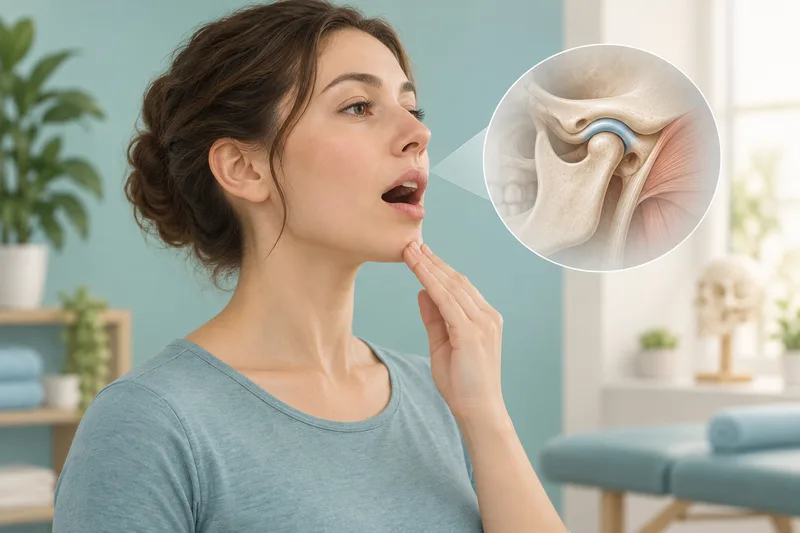
Hands-on physical therapy may improve function and pain, but benefits vary. Relaxed jaw posture, gentle opening and massage are possible clinician-selected examples; not everyone needs every exercise. A physiotherapist can help tailor instructions to the diagnosis.
Sources (3)
Adapt self-care and stress support
Thermal packs need a cloth barrier and comfortable application. Facial numbness or circulation problems may make heat or cold unsuitable; ask the clinician to adapt the plan. Seek clinical advice if symptoms worsen during a physiotherapy plan.
Sources (2)
Psychological support may help when stress or anxiety amplifies pain. That does not mean the pain is imaginary, and it does not rule out physical causes that need assessment.
Persistent symptoms and medical warning signs
Jaw pain that persists or worsens despite initial self-care needs dental assessment. Jaw pain with chest symptoms during exertion, or temple pain with loss of vision, needs urgent medical assessment rather than an assumption of muscle pain.
Inability to eat or drink, or jaw pain with visual symptoms or a severe headache, also requires urgent assessment. Other serious conditions can resemble a jaw disorder.
See TMJ assessment and conservative care for the wider choices.
Discuss your options in Gurugram
Dr. Supreet Kaur Sawhney, MDS, Senior Consultant – Oral & Maxillofacial Surgeon and Senior Implantologist, brings 20+ years of experience to assessment and individual treatment planning. Consult at Dr. Supreet's Dental & Implant Centre, 395 P, Sector 39, near Medanta Hospital, Gurugram (Gurgaon), Haryana 122001. Request a consultation, call +91 9650298009, or view the Sector 39 clinic.