Allograft Bone Grafting in Gurugram
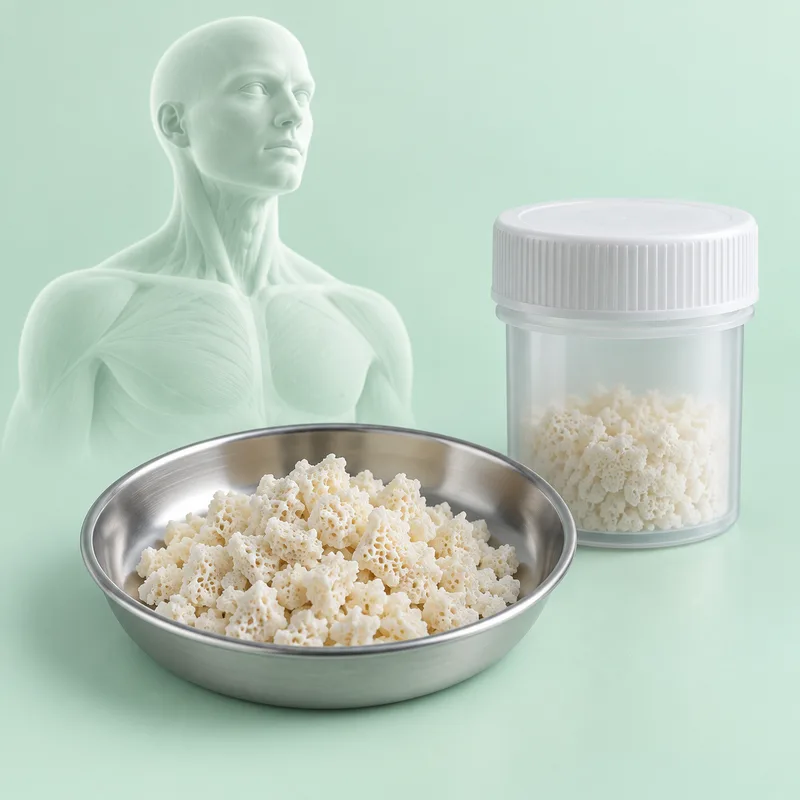
An allograft uses bone from a human donor, supplied through a tissue bank. For an implant-site graft, the useful questions are which product is proposed, whether a membrane is planned and how the material fits the defect; “allograft” identifies the source, without predicting an individual result. Dr. Supreet Kaur Sawhney, MDS, is a Senior Consultant – Oral & Maxillofacial Surgeon and Senior Implantologist with 20+ years of experience. In Gurugram, she can relate the material discussion to your planned restoration and alternatives.
Sources (3)
Human-donor source and informed choice
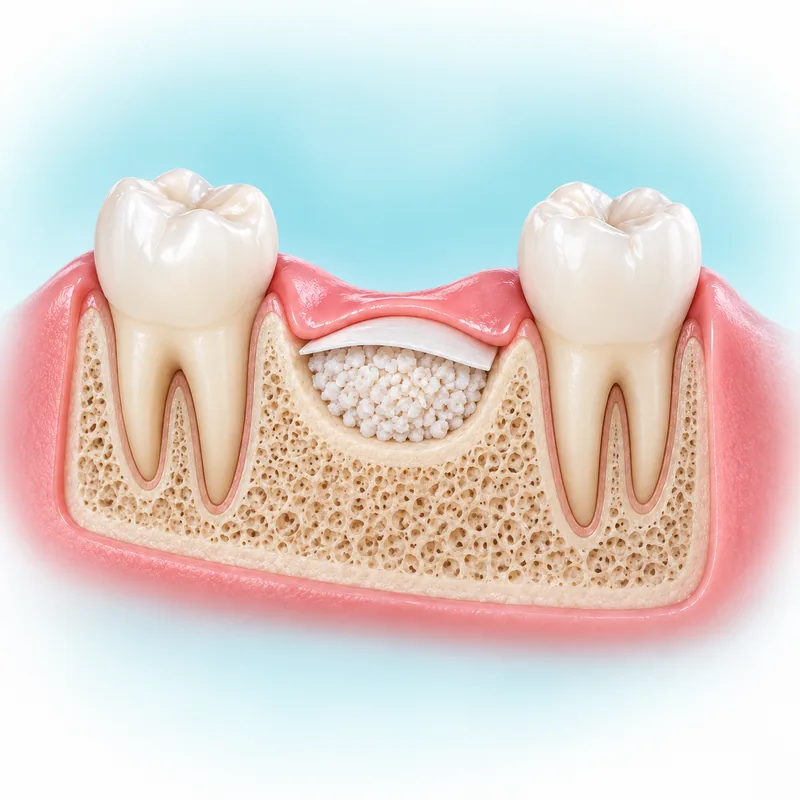
Bone grafting adds material where jawbone is deficient to support repair. An allograft is human-donor bone; it differs in origin from an autogenous graft, which uses the patient’s own bone. Ask the clinician to identify the actual graft and any membrane and explain how each product fits your site and preferences. A membrane is a thin protective sheet or barrier that may be used in some graft procedures; its origin can differ from the graft.
Sources (2)
A graft may act as a scaffold, or support, for the patient’s own bone to form. How it behaves varies by material, so this does not prove an individual result. Human-donor material is one possible source; animal-derived, synthetic or blended materials may also be discussed. The choice depends on the site, amount needed, product and patient preference.
What surgery and review may involve
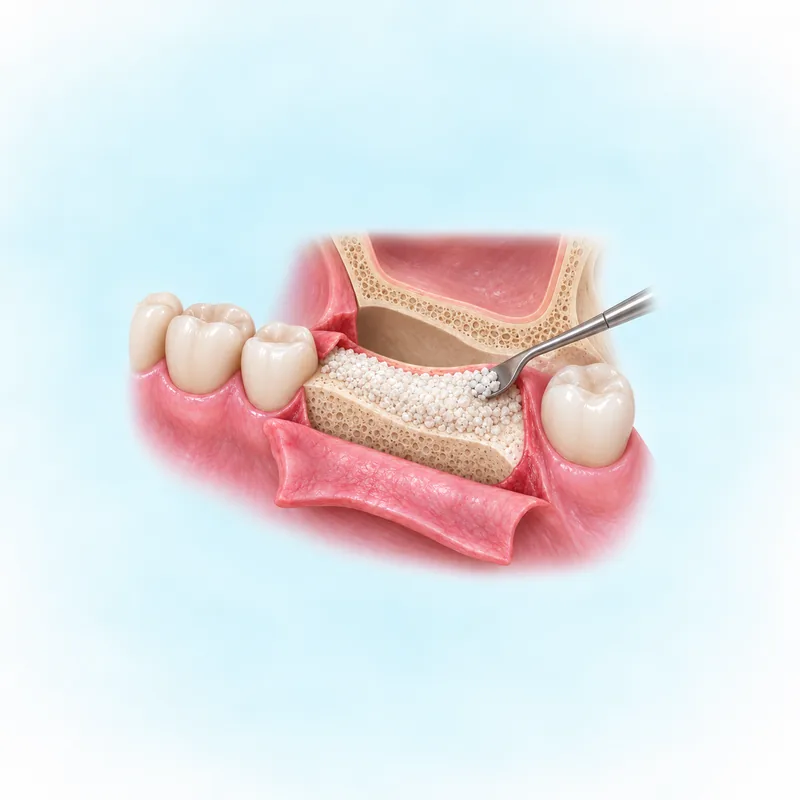
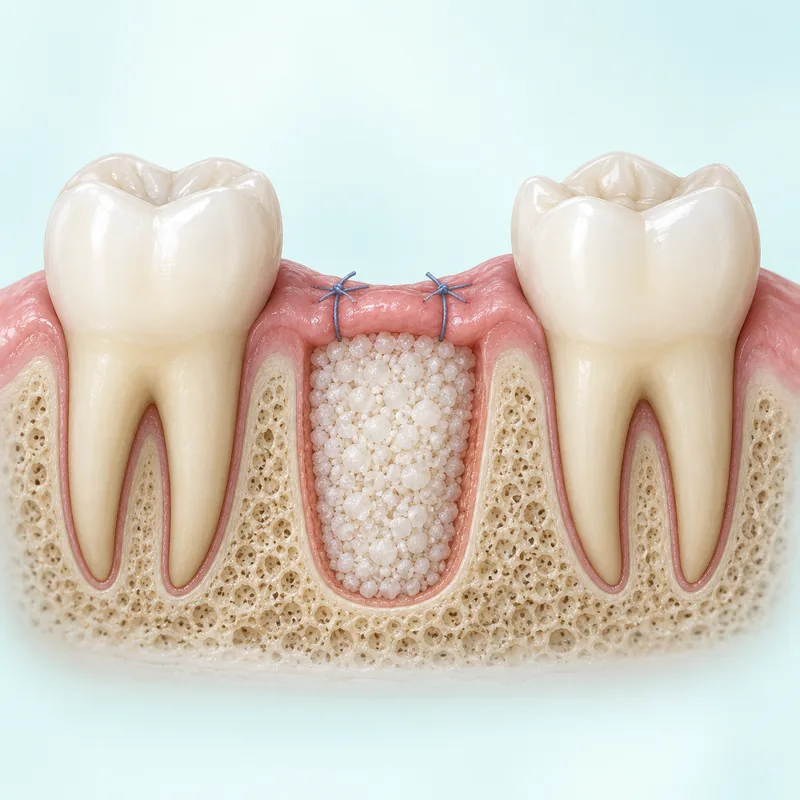
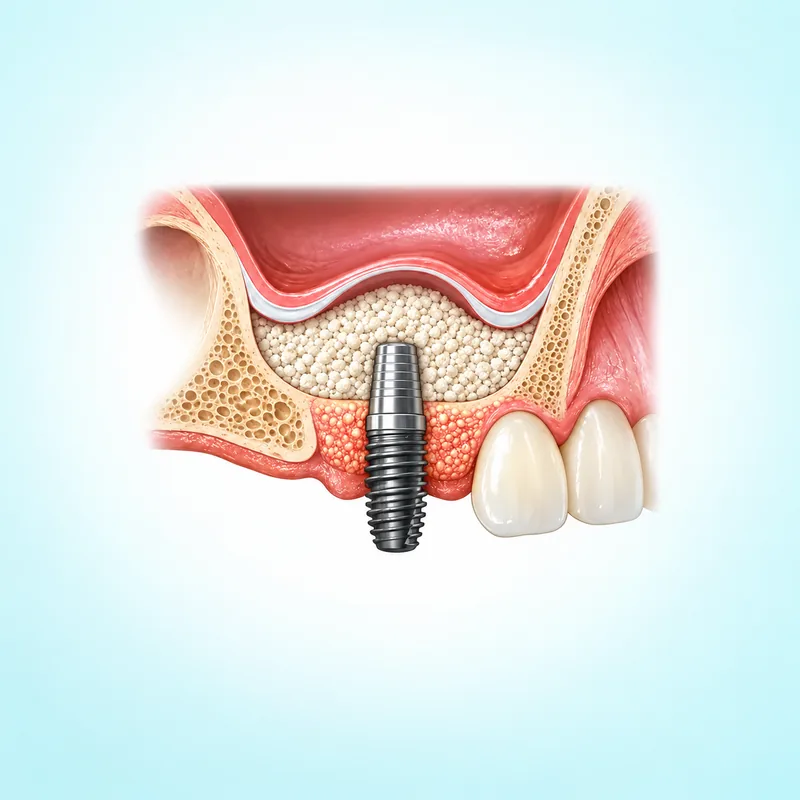
A general bone-graft procedure may involve local anaesthetic (medicine that numbs the area), preparing the gum, placing material and sometimes covering it with a membrane (a thin protective sheet or barrier) before stitches. The exact method and whether grafting is separate from later implant placement depend on the defect and plan. Health conditions, medicines and smoking should be reviewed beforehand.
Sources (2)
Bone healing and becoming ready for later implant treatment may take several months, but timing depends on the graft and site and no fixed interval applies to every person. Follow the procedure-specific instructions; food choices or denture use may need temporary changes to protect the wound. Pain, bruising, swelling and infection are possible. A healed graft may still be insufficient for the intended implant, and further bone grafting may be considered. Contact the treating team if pain, swelling, or drainage (fluid or pus from the wound) worsens; these symptoms need reassessment and do not alone prove failure.
Sources (4)
- Cambridge University Hospitals: Bone grafting for dental implants
- Guy’s and St Thomas’ NHS Foundation Trust: Bone grafting for dental implants: Overview
- Cleveland Clinic: Dental Bone Graft: Process, Purpose and Healing
- Guy’s and St Thomas’ NHS Foundation Trust: Bone grafting for dental implants: Minor bone grafting
For an implant-site consultation in Gurugram, Dr. Supreet sees patients at Dr. Supreet’s Dental & Implant Centre, 395 P, Sector 39, near Medanta Hospital, Gurugram (Gurgaon), Haryana 122001. Visit the Sector 39 clinic, contact the clinic, or call or WhatsApp +91 9650298009. The bone grafting and sinus lift guide explains broader site-development planning.
Compare the restoration choices
Ask why a human-donor source is being considered, what product and membrane would be used, whether any sources are blended, and how healing will be reviewed before implant placement. A bridge, denture or leaving the space unrestored may be possible alternatives in some cases; suitability depends on tooth support, bite and function.