Periodontal Maintenance in Gurugram
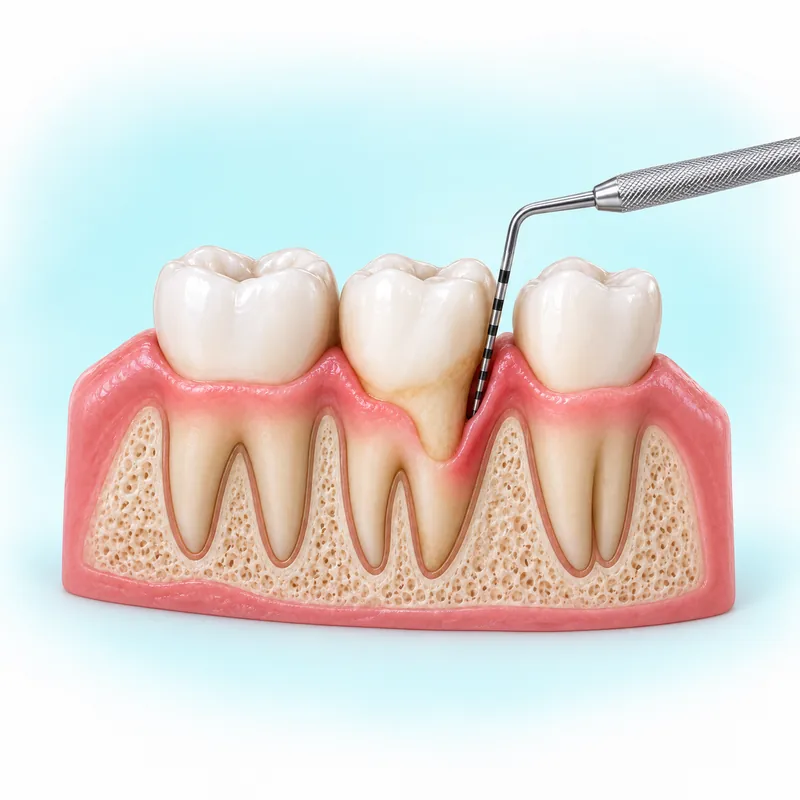
Periodontal maintenance is continuing care after active treatment for periodontitis (gum disease involving loss of tooth-supporting tissue and bone). It monitors gum health and plaque control and may include professional cleaning; it differs from routine cleaning for someone without treated periodontitis. Dr. Supreet Kaur Sawhney, MDS, is a Senior Consultant – Oral & Maxillofacial Surgeon and Senior Implantologist with more than 20 years of experience. In Gurugram, a review can be tailored to current gum findings and disease risk.
Sources (2)
What a supportive visit may include
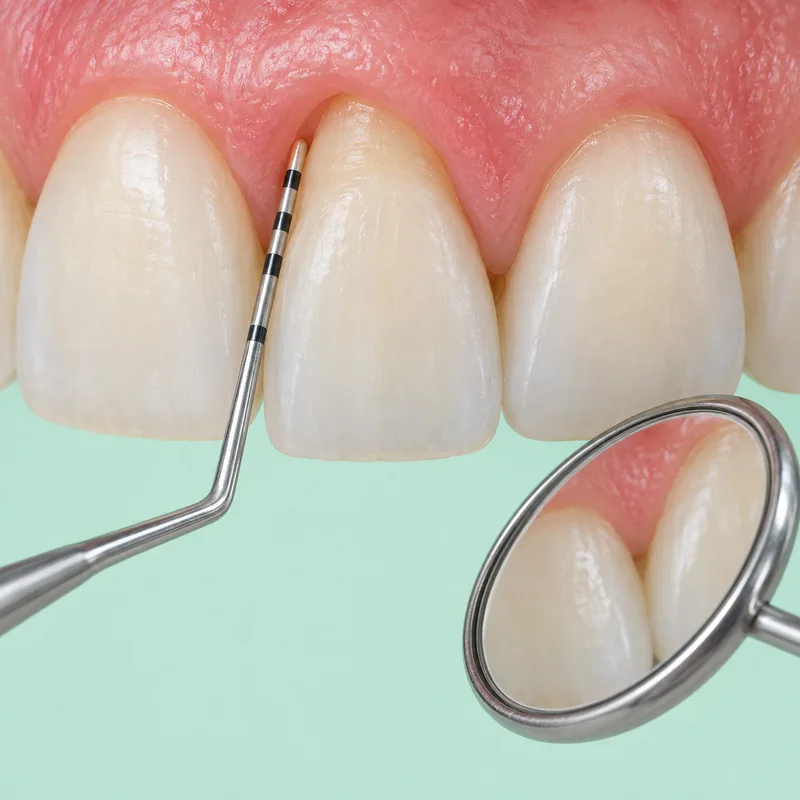
A periodontal maintenance visit may review gum health, oral-hygiene technique and risk factors, remove plaque (soft buildup on teeth) and clean remaining pockets (spaces between teeth and gums) in selected areas. The components depend on findings; cleaning below the gumline is not needed at every visit.
For people who have completed active treatment for stage I–III periodontitis (disease-severity categories), supportive-care intervals are individualized within a 3–12-month guideline range according to risk and gum condition. This is not a fixed clinic schedule. More complex stage IV disease needs an individual plan. Daily brushing and cleaning between teeth, with technique tailored to the person, help manage plaque; regular reviews matter because gum disease may not cause obvious symptoms. Tobacco use, diabetes and hard-to-clean areas that can retain plaque may also be relevant to risk management; these associations do not diagnose disease.
If findings change
Supportive care cannot guarantee that disease will not recur. If recurrent periodontitis is suspected, the clinician reassesses the diagnosis and plan; renewed active treatment may be needed, but symptoms alone do not diagnose recurrence. Bleeding or painful swollen gums should be reviewed. Very sore swollen gums or teeth becoming loose need urgent dental assessment through locally available dental care.
Sources (2)
This page explains maintenance after completed active stage I–III periodontitis treatment; more complex stage IV disease needs an individual plan. If reassessment finds that further access surgery may help, the periodontal flap surgery guide explains that separate option; recurrence does not make surgery automatic. Discuss implant or restoration care separately with your clinician.
Discussing supportive gum care in Gurugram
Dr. Supreet’s Dental & Implant Centre is at 395 P, Sector 39, near Medanta Hospital, Gurugram (Gurgaon), Haryana 122001. Bring earlier periodontal charts and treatment notes if available. Ask what each visit will monitor, which sites need cleaning and how your personal recall interval is chosen. View the Sector 39 clinic location or contact the clinic; call or WhatsApp +91 9650298009.