Gum Contouring and Crown Lengthening in Gurugram
Identify the cause and the treatment goal
Dr. Supreet Kaur Sawhney in Gurugram assesses why the gum line looks uneven or teeth appear short before discussing contouring or crown lengthening. Inflammation, tooth position and medicine-related enlargement can contribute. Teeth covered by excess gum and an unusually mobile upper lip are different situations; gum removal is not the answer to every gummy smile.
Sources (2)
The gum surgery and grafting guide explains the broader gum-health consultation before an appearance or restorative procedure is selected.
Removal, reshaping and selected crown lengthening
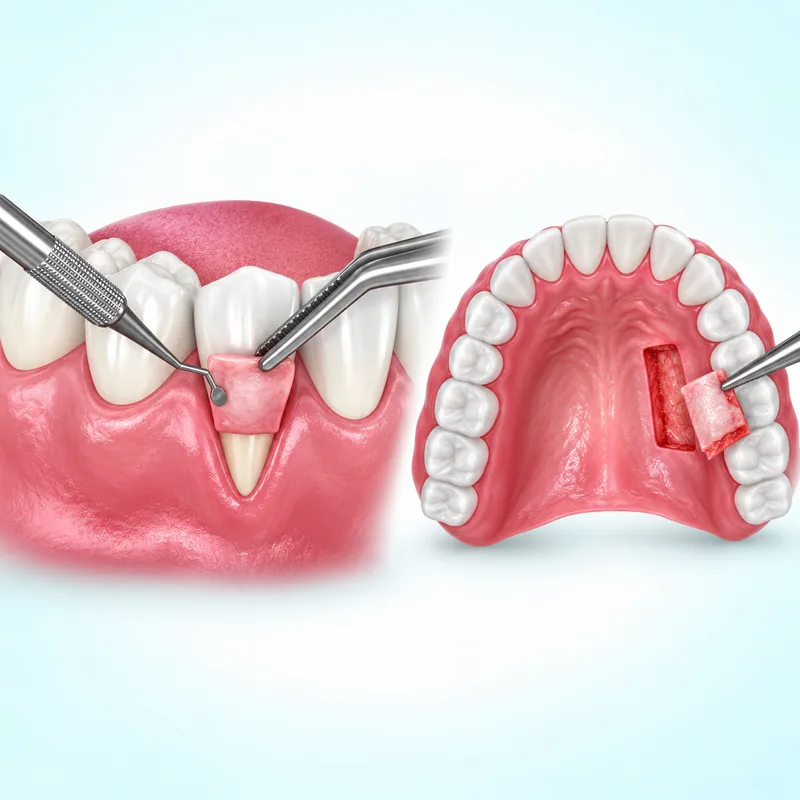
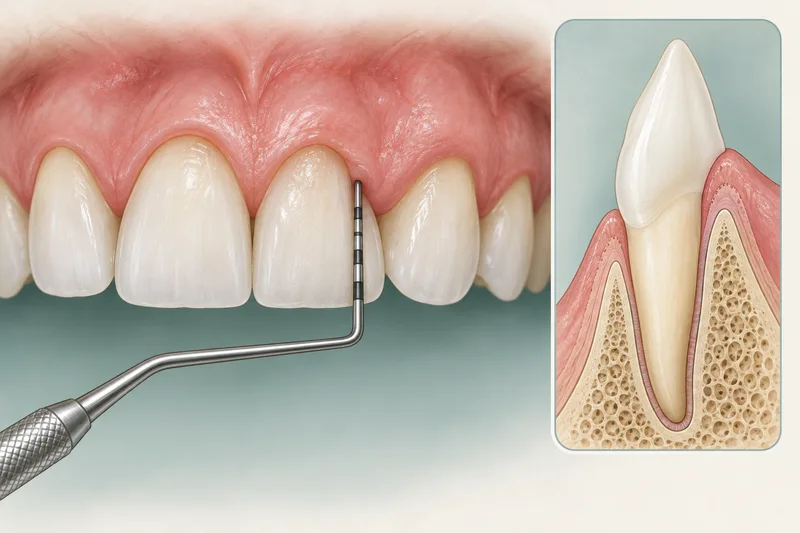
Gingivectomy removes excess gum tissue; gingivoplasty reshapes the gum contour and may accompany removal. Crown lengthening exposes more natural tooth by changing gum and, when needed, bone levels. It can create access for a filling or crown, or be considered for appearance when normal-length teeth are covered by excess gum. These are different goals, with different tissue work and recovery; the clinician selects the route after assessment.
Can a damaged tooth support the planned restoration?
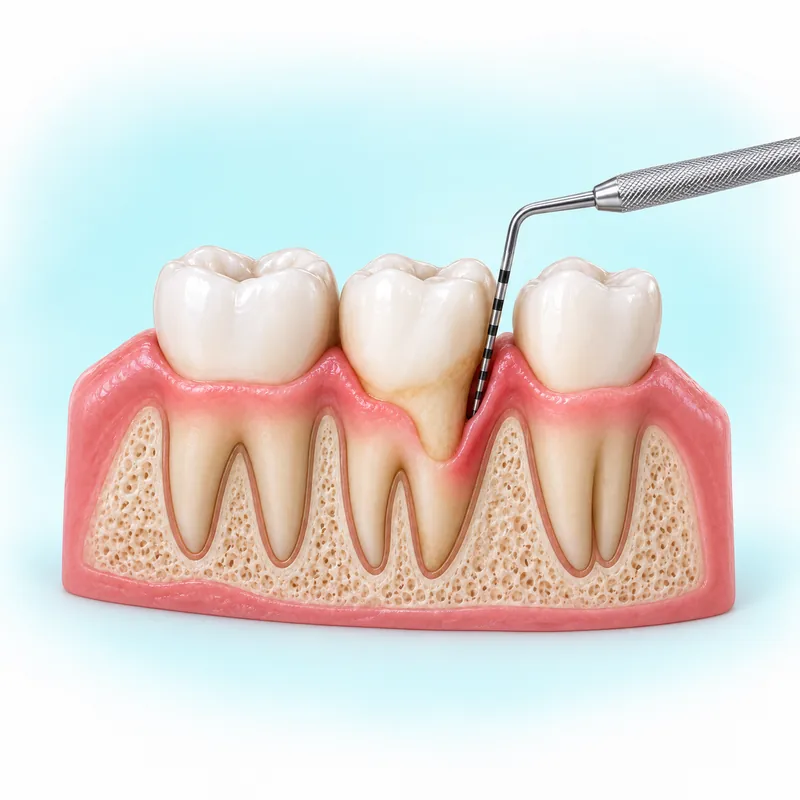
Before restorative crown lengthening, the team assesses remaining tooth structure, gum-and-bone support and effects on neighbouring teeth. A ferrule is a band of sound tooth that a crown can grip. Its feasibility and the balance between visible tooth and supporting root matter, without a single universal cutoff. If exposing more tooth would leave poor support or compromise nearby structures, another restorative approach or extraction and replacement may be more suitable; extraction is not automatic.
One restorative operation example
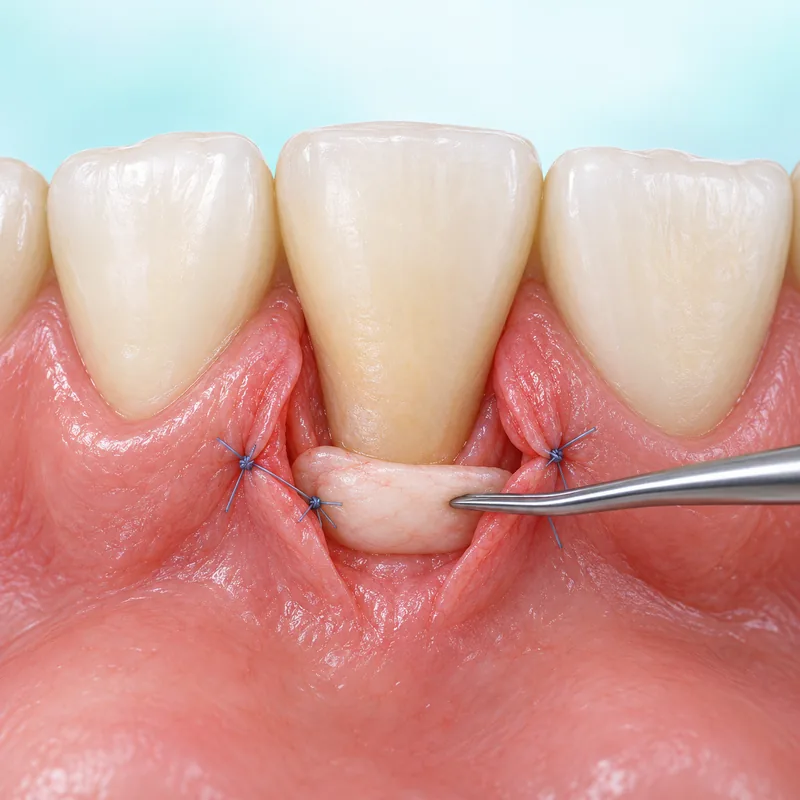
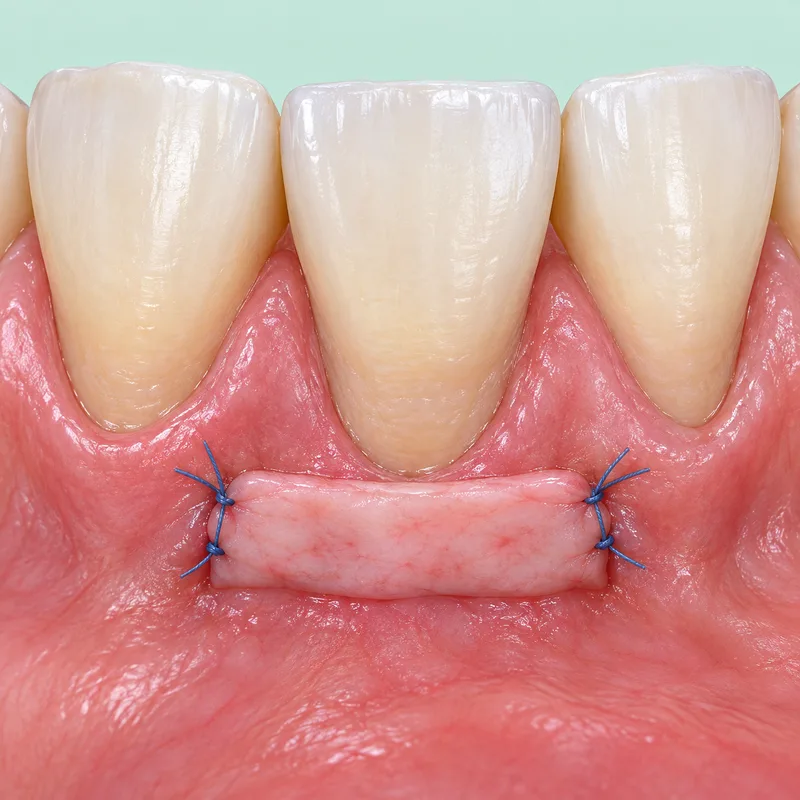
The Cambridge University Hospitals (CUH) restorative pathway describes local numbing, lifting the gum, removing gum and/or bone to expose tooth, and closing the gum with stitches. The extent depends on the operation. This mainly restorative hospital example is not a fixed protocol for every aesthetic contouring or simple reshaping procedure; an aesthetic plan may involve different tissue work. Sometimes, after the gum is lifted, the surgeon finds the intended restorative operation is not possible and must change the plan.
Sources
Tradeoffs and healing changes
In the described crown-lengthening surgical pathway, pain, swelling, bruising, bleeding, infection or sensitivity are possible, and the gum margin can change while healing. Further surgery can be needed; the result is not guaranteed or a fixed cosmetic contour. In the restorative route, nearby teeth or structures may be injured and very rarely sensation can change or numbness occur. These are possible risks from the hospital pathway, not personal probabilities or expected effects for every aesthetic technique. The final filling or crown may be delayed while the restorative tooth’s gum margin settles; timing is individual.
Sources
Care after crown-lengthening surgery
Protect the site, follow the treating team’s cleaning plan, choose a soft diet initially and attend the healing review. One NHS crown-lengthening pathway avoids operated-site brushing until review, uses about a week of soft diet and reviews healing within one to four weeks; follow your own team’s directions if they differ. Contact them for pain that worsens or fails to improve, particularly about a week after surgery, or bleeding continuing despite firm pressure. Urgent assessment depends on severity and local access; severe symptoms should not wait for a routine review. These are crown-lengthening instructions, not nonsurgical gum styling advice.
If gingivectomy is the selected contouring route
For removal of excess gum, local anaesthesia numbs the site before tissue removal and sculpting of the remaining gum to the planned contour. Use soft foods and protect the area from irritation during early recovery, with individual cleaning instructions. Contact the dental team promptly for severe pain not relieved by advised medicine, pus or drainage, fever, or bleeding that does not stop. This is the gingivectomy branch; it does not set care for every standalone reshaping procedure.
Maintain gum health after appearance treatment
Routine dental examinations and oral hygiene remain necessary after cosmetic treatment, regardless of the appearance result.
Sources
Arrange an assessment
Dr. Supreet Kaur Sawhney, MDS, is a Senior Consultant Oral & Maxillofacial Surgeon and Senior Implantologist with more than 20 years of experience. Dr. Supreet’s Dental & Implant Centre is at 395 P, Sector 39, near Medanta Hospital, Gurugram (Gurgaon), Haryana 122001. For an assessment, contact the clinic or call +91 9650298009.