Snoring and Sleep Apnoea Surgery in Gurugram
Snoring alone does not establish obstructive sleep apnoea, and surgery is not the first choice for every noisy sleeper. If breathing pauses, gasping or marked daytime sleepiness accompany snoring, assessment for sleep apnoea matters before choosing treatment. Diagnosed obstructive sleep apnoea (OSA) may be managed with positive airway pressure, an oral appliance or other measures; surgery has a role in selected patients.
Sources (2)
Dr. Supreet Kaur Sawhney, MDS, is a Senior Consultant – Oral & Maxillofacial Surgeon & Senior Implantologist with 20+ years of experience. Patients in Gurugram can consult her about the mouth and jaw aspects of snoring and OSA surgical care, with the sleep diagnosis and wider treatment plan guiding any recommendation.
Establish whether snoring is part of OSA
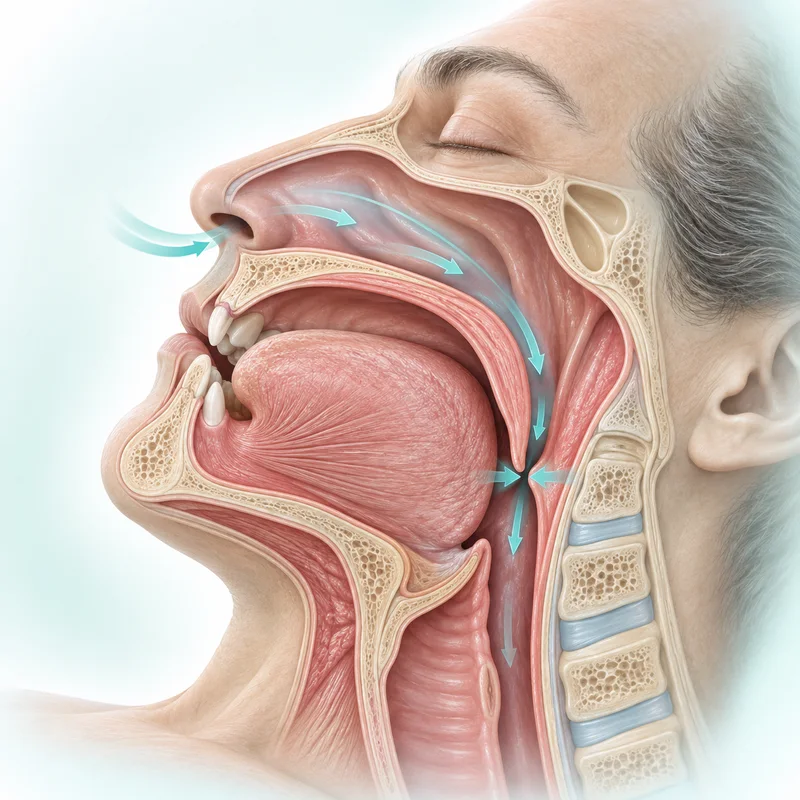
Snoring is produced by vibration of tissues as air passes through a narrowing airway during sleep. OSA involves repeated episodes of obstructed breathing. A partner's account of pauses, choking or restless sleep can be useful, but symptoms alone cannot show the severity of OSA. Sleep testing records breathing overnight and helps establish the diagnosis and its severity.
Sources (2)
Do not put off assessment when breathing pauses or persistent daytime sleepiness are reported. Untreated sleep apnoea is associated with health risks and accidents from tiredness. Avoid driving or operating machinery when sleepy, and seek medical advice about safe activity while assessment and treatment are arranged.
Sources
Compare the non-surgical choices first
Continuous positive airway pressure (CPAP) uses air pressure through a mask to keep the airway open during sleep. Depending on the diagnosis, other options include weight management where relevant, reducing alcohol, changing sleep position and a mandibular advancement device: an oral appliance that brings the lower jaw forward. The appropriate combination depends on severity, anatomy and the person's ability to use treatment consistently.
If CPAP is uncomfortable or difficult to use, tell the treating clinician rather than stopping it on your own. Problems with tolerance should be reviewed alongside alternatives. A consultation about surgery can be useful, but does not itself mean that an operation is preferable to an adjusted non-surgical plan.
When a surgical discussion becomes relevant
The American Academy of Sleep Medicine (AASM) adult guideline recommends discussing surgical referral with adults who have OSA, a body mass index below 40, and cannot tolerate or accept positive airway pressure. That is a recommendation to discuss options, not an automatic instruction to operate; patients outside that group may also merit an individual discussion. Weight, medical history, airway anatomy and preferences influence the decision.
Even with a major anatomical narrowing, the guideline generally suggests positive airway pressure as initial therapy in adults. Another surgical indication may change the sequence. This avoids treating a visible jaw or throat feature as sufficient proof that surgery should come first. The sleep clinician and relevant surgeon should consider the complete clinical picture.
Match the operation to the obstruction
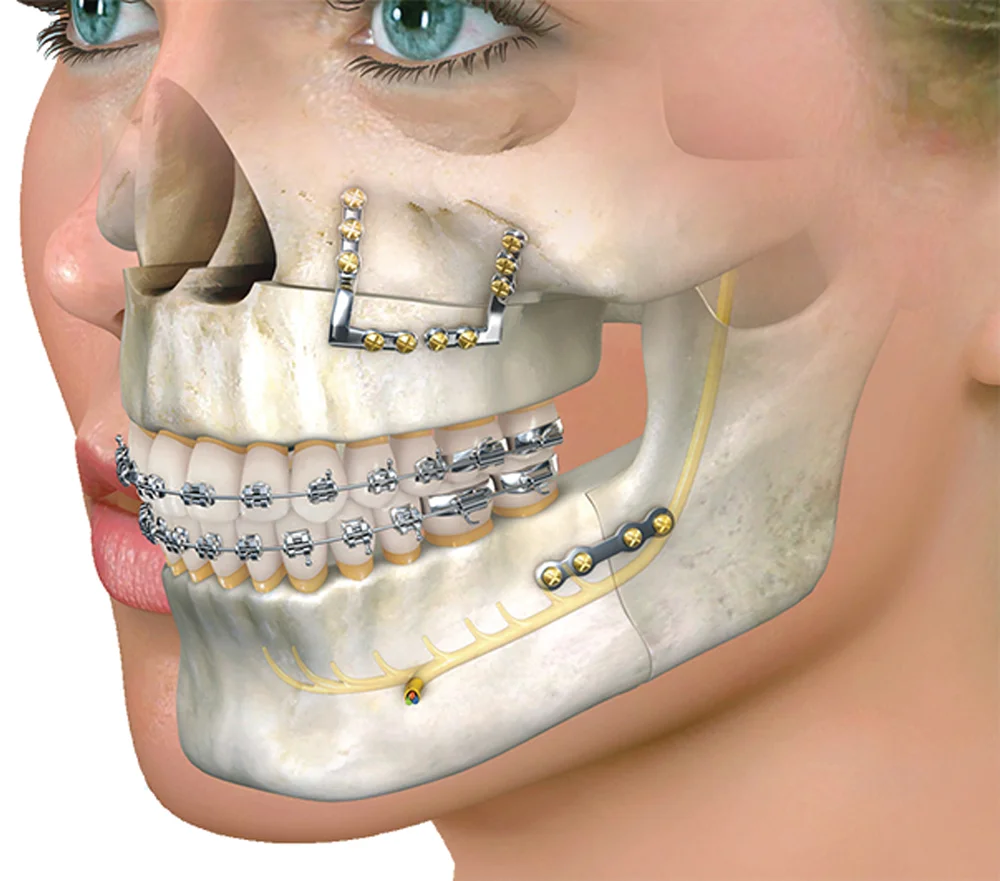
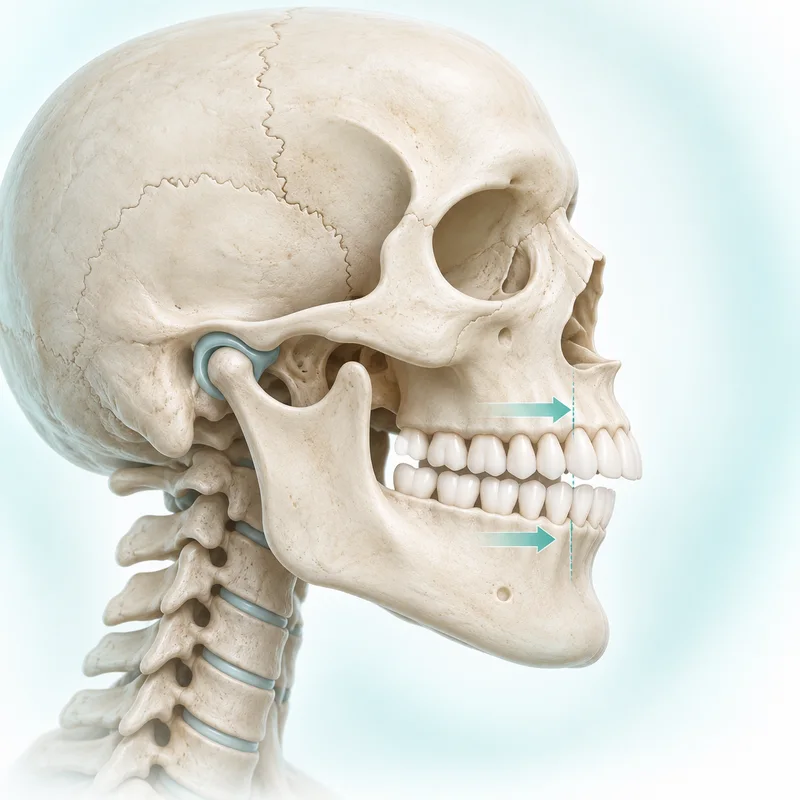
There is no single sleep-apnoea operation that suits everyone. Surgical approaches may target soft tissues or, in selected cases, move the upper and lower jaws forward to create more airway space. The choice needs a detailed assessment of where obstruction occurs and what a proposed procedure is intended to change. Jaw advancement is a major operation, with its own recovery and risks.
For a jaw operation, discuss bleeding, infection, discomfort and altered lip or chin sensation before consent. Other airway operations have their own risk profiles. OSA also matters to anaesthetic and postoperative breathing safety, so the surgical team needs your sleep diagnosis and current treatment details. Recovery depends on the procedure. Improvement in snoring is not sufficient evidence that OSA has resolved, and an operation cannot promise a cure or freedom from further treatment. Follow-up with the sleep clinician is important to assess the result and decide what treatment remains necessary.
Sources (3)
Consult Dr. Supreet about the surgical role
Dr. Supreet explains the relevant mouth and jaw findings in a calm, compassionate consultation. Bring any sleep-study report, CPAP prescription or usage information, previous airway treatment records and a medicine list. Describe the treatment difficulties and goals clearly so the discussion can focus on an appropriate next step. Her wider oral and maxillofacial surgery care includes assessment of the jaws and mouth.
Book at Dr. Supreet's Dental & Implant Centre, Sector 39, 395 P, Sector 39, Near Medanta Hospital, Gurugram, Haryana 122001. The required investigations, professional coordination and surgical setting are confirmed during planning. Call +91 9650298009 or request a consultation.