Delayed Dental Implants in Gurugram
If an implant is not placed on the day a tooth is removed, the next question is what has healed and what the timing label means. Early placement follows soft-tissue healing or partial bone healing; in the International Team for Implantology (ITI) classification, late placement means insertion after complete bone healing more than six months after extraction. The word “delayed” is used differently in some literature, so it does not by itself tell you which interval applies. Dr. Supreet Kaur Sawhney, MDS, Senior Consultant – Oral & Maxillofacial Surgeon and Senior Implantologist with 20+ years of experience, can assess the healed site and discuss which replacement plan fits your circumstances in Gurugram.
Choosing a placement time after extraction
Immediate placement means inserting an implant on the day of extraction. Early placement follows soft-tissue healing or partial bone healing; ITI examples include 4–8 or 12–16 weeks. Its late-placement category is narrower: it follows complete bone healing more than six months after extraction. Those definitions help describe different points in healing, but the term delayed is not used uniformly across literature and the examples are not a personal schedule.
A healed-site approach may be considered when local or general conditions make an earlier protocol unsuitable. The ITI discussion calls for individual planning; choosing a later approach usually makes the treatment sequence longer, but it is not a universal judgement that immediate or early placement failed. Your assessment needs to consider the extraction site and your health before a timing category can be discussed for you.
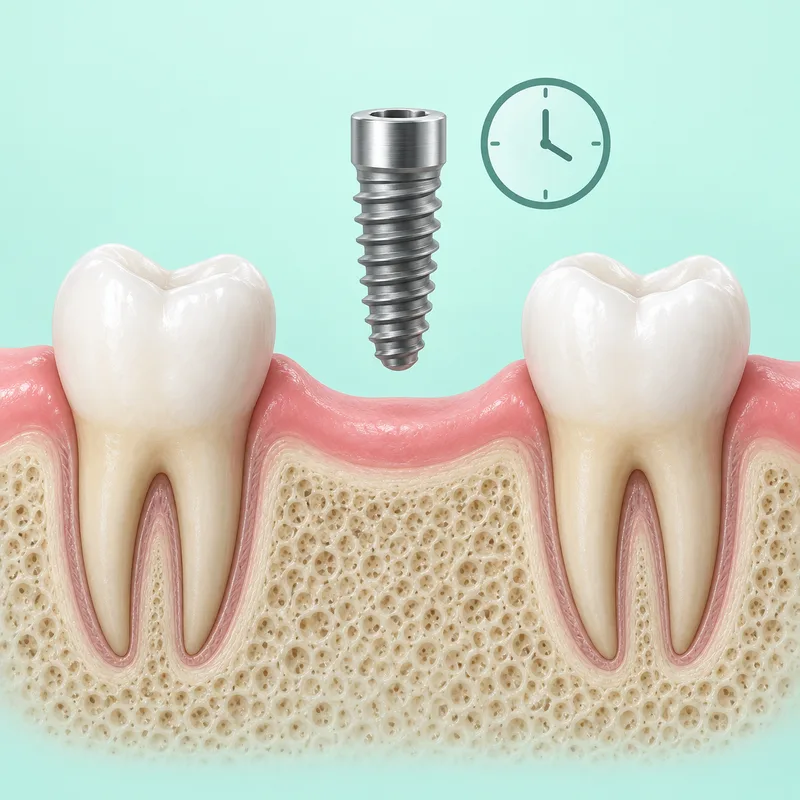
What the healing interval does and does not decide
The time an implant is placed and the time a replacement tooth is connected are separate decisions. A tooth being removed today, an implant being placed later and a restoration being connected after implant healing are distinct steps; one timing label does not settle the others. Ask which event a proposed interval is measured from and whether the replacement will be connected to the implant during that period.
A consultation with Dr. Supreet can review the site, remaining teeth, medical conditions and medicines, and the proposed restoration. Planning may include X-rays and impressions (records of the shape of the mouth) when these help answer a clinical question. If bone is insufficient to support the planned implant, bone augmentation (building up jawbone) may be considered; it is not needed in every case. A bridge, a different denture design or no replacement may also be discussed according to function and individual circumstances.
Sources (3)
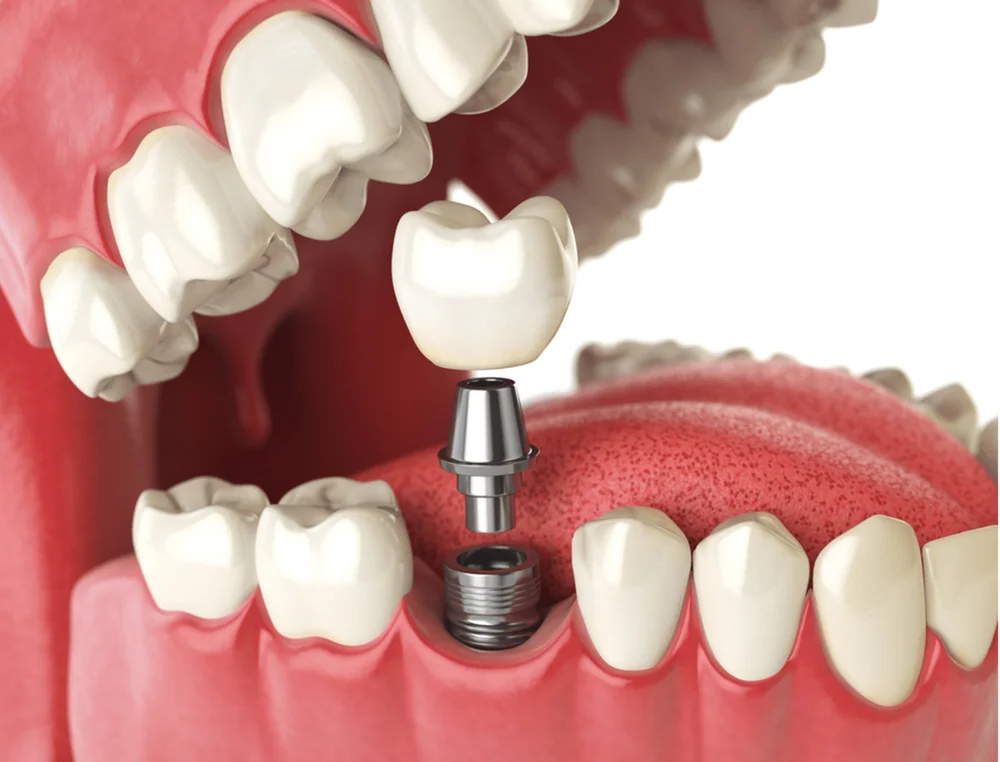
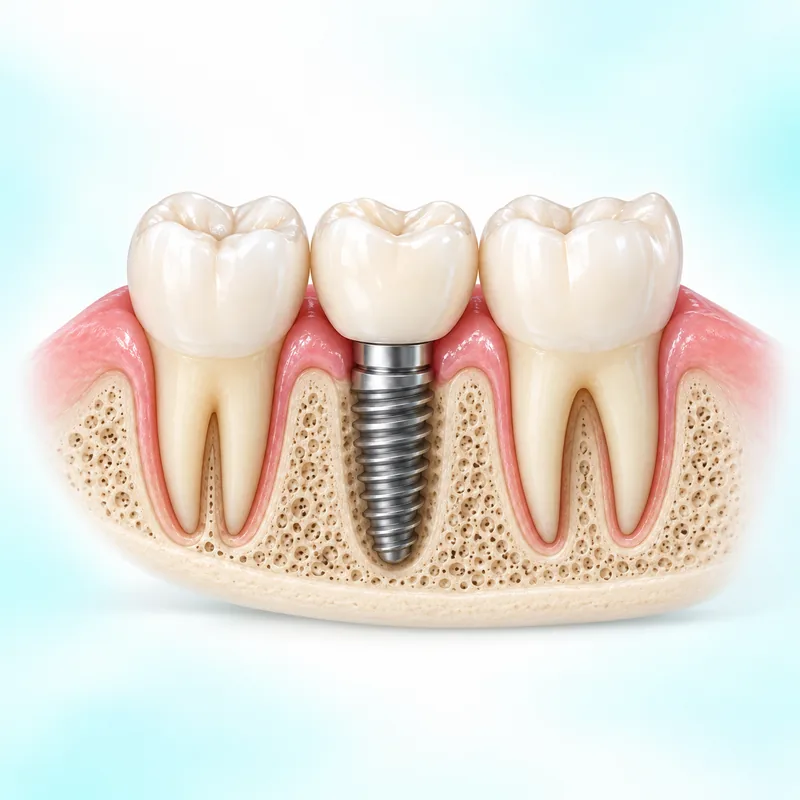
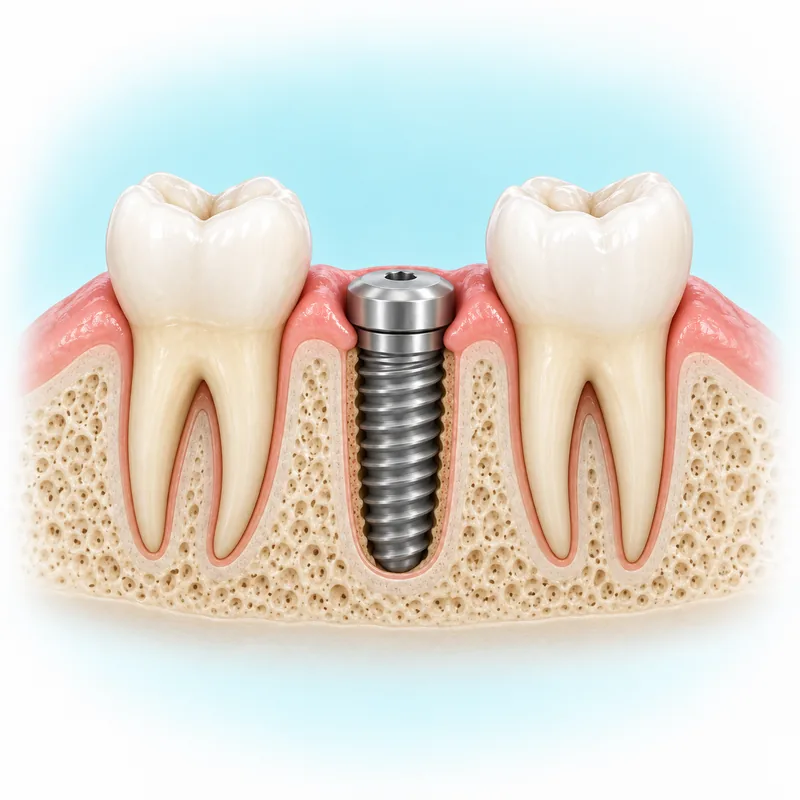
When implant insertion goes ahead, a conventional placement procedure prepares a site in the jawbone and inserts the implant under local anaesthesia (numbing the area). Other approaches and anaesthetic plans exist, so this is a general example rather than a description of every procedure.
Dr. Supreet Kaur Sawhney holds an MDS in Oral & Maxillofacial Surgery and has more than 20 years of experience. She is a Senior Consultant – Oral & Maxillofacial Surgeon and Senior Implantologist. For a delayed-placement consultation, she can explain what has healed at the site, which timing definition a proposed plan uses and how the later restoration would be planned, so you can compare the sequence with alternatives.
You can discuss your plan at Dr. Supreet's Dental & Implant Centre, 395 P, Sector 39, near Medanta Hospital, Gurugram (Gurgaon), Haryana 122001. See the Sector 39 clinic location, other consultation locations, or contact the clinic. Call or WhatsApp +91 9650298009 to ask about an appointment.
Recovery and care after implant surgery
After implant placement, soreness, swelling, bruising or minor bleeding can occur, and individual recovery varies. Follow the surgical team's cleaning instructions around the operated area; those instructions depend on the stage of healing. Medical conditions and medicines should be discussed during planning, and smoking can impair healing and longer-term implant outcomes.
Sources (2)
Surgical risks depend on the site and procedure and can include injury to nearby teeth, nerves or other surrounding structures. Infection or an implant failing to integrate with bone can lead to implant loss. Regular cleaning and professional follow-up remain necessary.
Sources (2)
Contact the treating team promptly for pain or a feeling that the implant is loose. If swelling, discomfort or another problem worsens in the days after surgery, follow the surgical team's instructions and seek assessment. Bleeding that does not stop is different from a small amount of initial oozing and needs urgent assessment; if it remains uncontrolled, seek appropriate local emergency care.
Sources (3)
For the broader assessment of implant, bridge and denture options, read the dental implant consultation guide.