Facial and Jaw Fracture Treatment in Gurugram
Facial and jaw fracture treatment in Gurugram depends on which bones are broken, how far they have moved and whether breathing, vision, jaw movement or the bite is affected. Assessment comes before a decision about observation or surgery. Dr. Supreet Kaur Sawhney, MDS, is a Senior Consultant - Oral & Maxillofacial Surgeon and Senior Implantologist with 20+ years of experience. She assesses facial and jaw injuries and explains the treatment or referral needed for the fracture pattern.
When to go straight to hospital
Serious facial trauma, difficulty breathing, uncontrolled heavy bleeding or head-injury symptoms such as loss of consciousness or vomiting need emergency hospital assessment. New double vision, deteriorating vision or significant eye pain after facial injury also needs urgent assessment. Do not wait for a clinic appointment or telephone reply.
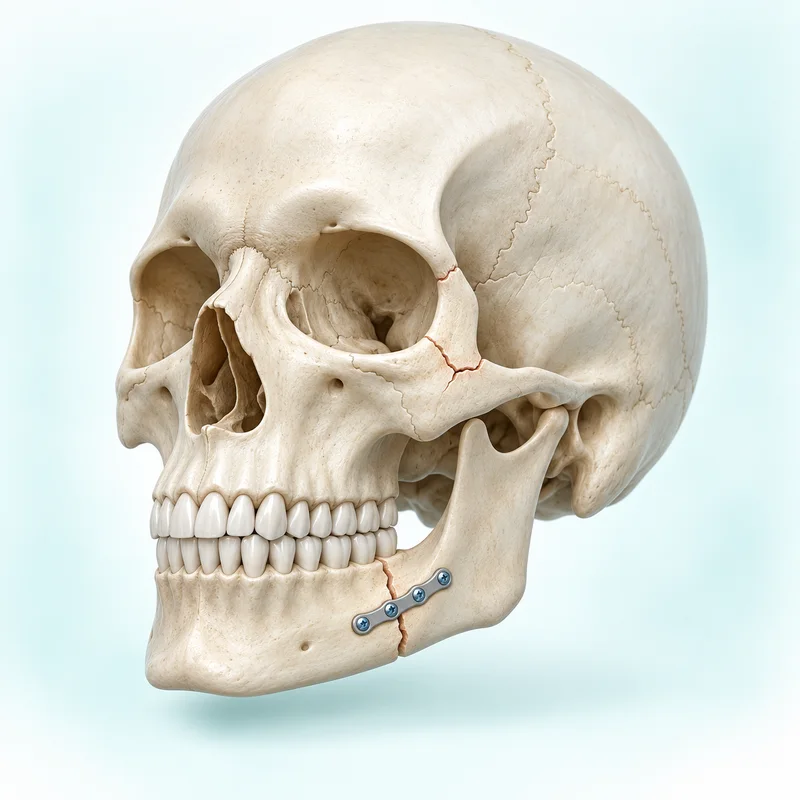
Five fracture sites, one connected assessment
More than one bone can be injured in the same accident. A change in one area may affect neighbouring structures, so assessment should consider the face as a whole.
- Cheekbone (zygoma): this bone supports part of the eye socket and connects with the nose and upper jaw. Displacement and changes in facial sensation need assessment.
- Nose: swelling can obscure a change in shape. Persistent obstruction or deformity needs assessment. A painful purple swelling inside the nose needs emergency hospital care; do not try to straighten the nose yourself.
Sources
- Eye socket (orbit): vision, eye movement and the eye's position matter, not only the visible bruising. Double vision can indicate an injury requiring urgent evaluation.
Sources
- Upper jaw (maxilla): movement of the upper jaw or a changed relationship between the upper and lower teeth can suggest a fracture.
Sources
- Lower jaw (mandible): the fracture location and number of breaks affect repair planning. The bite and the nerve supplying sensation to the lip and chin are important considerations.
Examination and imaging
The team examines facial shape, sensation, wounds, eye movement and how the teeth meet. X-rays or CT scans may be used to define injuries; the images required depend on the clinical findings. Bring existing scans and hospital records so the consultation can build on the initial assessment. A fracture diagnosis is not made from swelling alone.
Sources
Observation, repositioning and fixation
Not every facial fracture needs an operation. Correctly aligned fractures may be managed without surgery; displacement and associated injuries change the decision. Observation is a clinical plan with review, rather than an instruction to ignore changing symptoms.
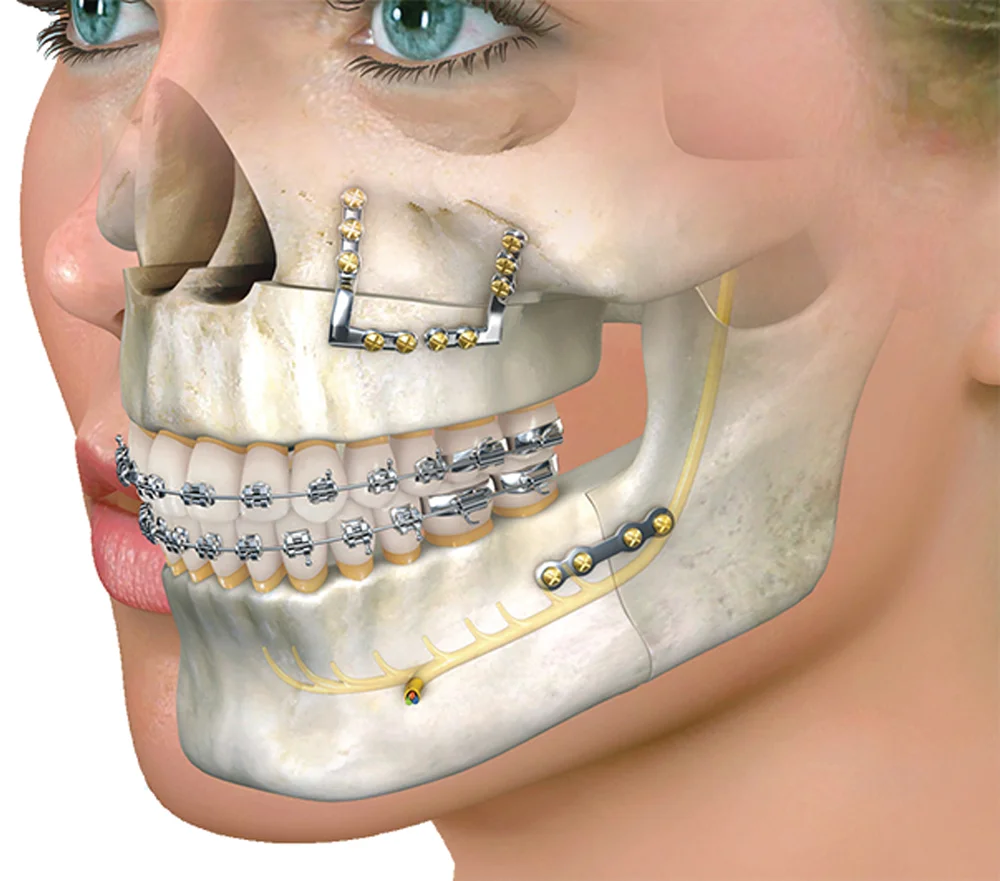
Where repair is needed, broken segments may be repositioned and stabilised. Upper- or lower-jaw fractures may use plates and screws; the site and severity determine the technique. The aim is to restore useful function, without a promise that every injury recovers identically.
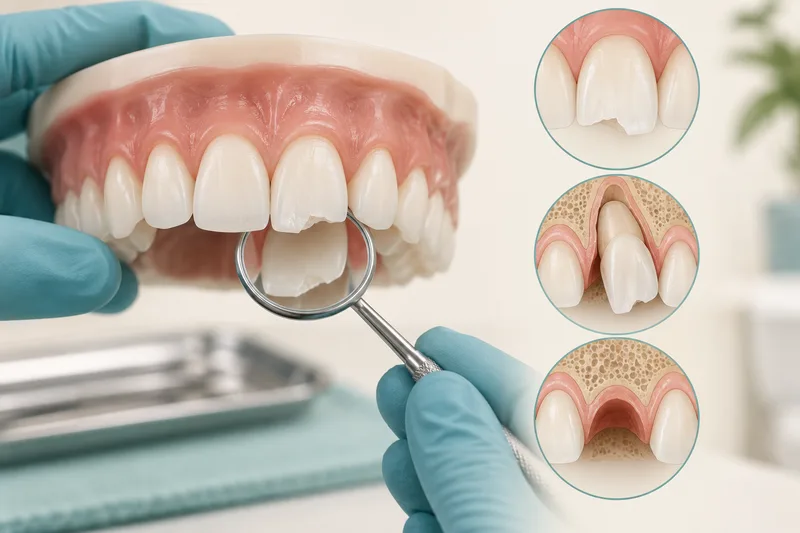
Selected lower-jaw operations also use wires, braces or screws with elastics to guide the bite. A damaged tooth at the fracture site sometimes needs removal. These are possibilities to discuss, not steps required for every fracture. Complex injuries may require hospital admission and general anaesthesia. Timing follows injury severity, associated injuries and the treating team's assessment.
Recovery and material risks
After lower-jaw repair, diet, oral cleaning and bite review need an individual plan. Fixation does not mean the bone is immediately ready for normal chewing or another impact. Lower-lip or chin numbness may result from the injury and can be caused or worsened by surgery; recovery is variable. Nearby teeth can also be affected.
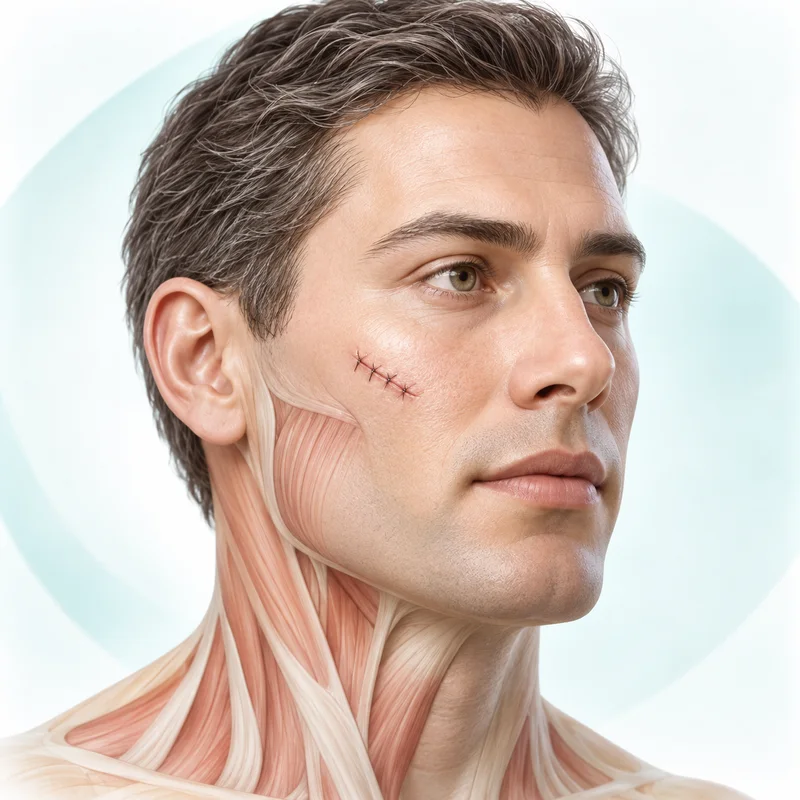
Cheekbone repair may carry risks including altered sensation, a skin scar where an external incision is needed and, rarely, eyesight problems associated with bleeding around the socket. Worsening vision or eye pain requires immediate hospital reassessment. Follow the team's restrictions and review plan rather than applying another patient's recovery timetable.
Infection and bleeding are possible after fracture repair. Increasing pain, wound redness or swelling, or fever needs immediate clinical assessment. Heavy uncontrolled bleeding, breathing difficulty or new vision problems needs emergency hospital care.
Plan the next step with Dr. Supreet
An OMFS consultation can clarify the fracture pattern, the reason for monitoring or fixation and the appropriate setting. Ask how the plan addresses your bite, vision and sensation, which teams need to be involved and how follow-up will be arranged. Costs depend on the defined injury and plan.
See the broader oral and maxillofacial surgery guide. Dr. Supreet's Dental & Implant Centre is at 395 P, Sector 39, near Medanta Hospital, Gurugram (Gurgaon), Haryana 122001. View the Sector 39 consultation location, contact the clinic, or call +91 9650298009.