Conventional-Loading Dental Implants in Gurugram
Conventional loading describes the period after an implant has been placed: in the International Team for Implantology (ITI) classification, the implant heals for more than two months without being connected to a prosthesis (the replacement tooth or teeth). It is a loading category, not the time from tooth extraction and not a promised date for your restoration. Placement and loading are separate decisions. Dr. Supreet Kaur Sawhney, MDS, Senior Consultant – Oral & Maxillofacial Surgeon and Senior Implantologist with more than 20 years of experience, can review the intended restoration and explain how its timing relates to your implant plan in Gurugram.
How the healing and restoration stages fit together
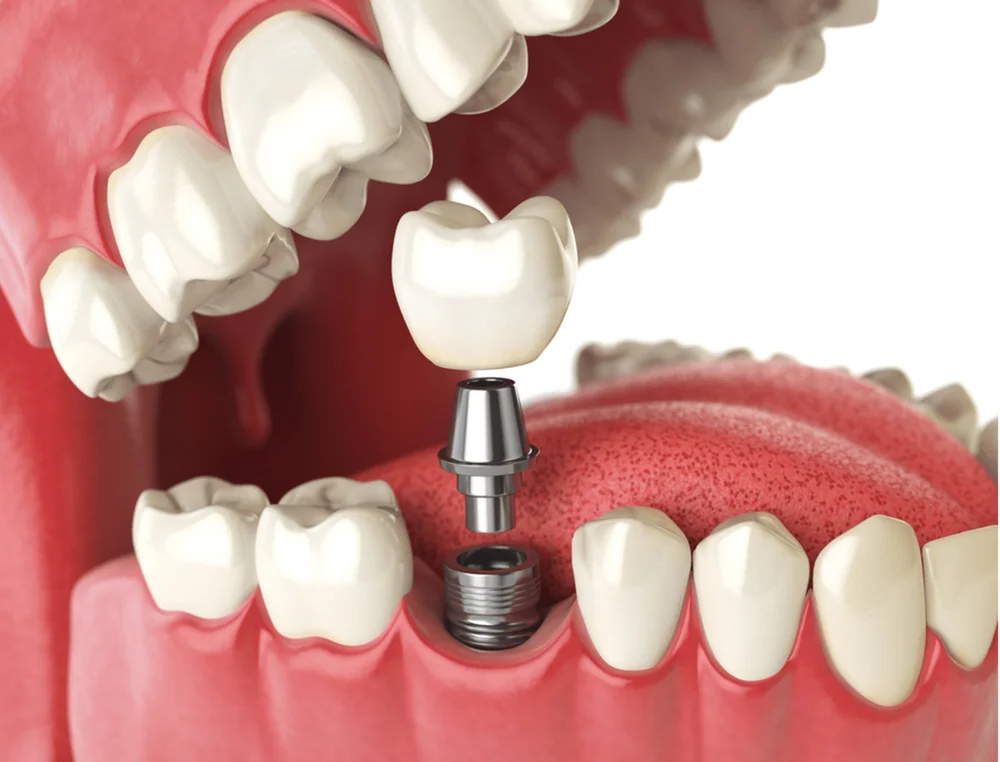
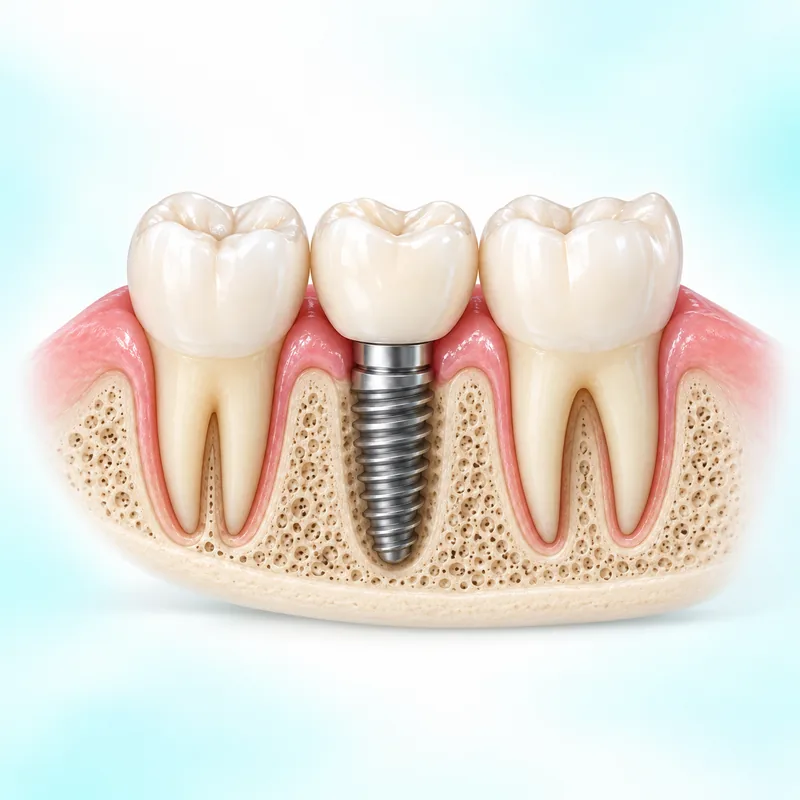
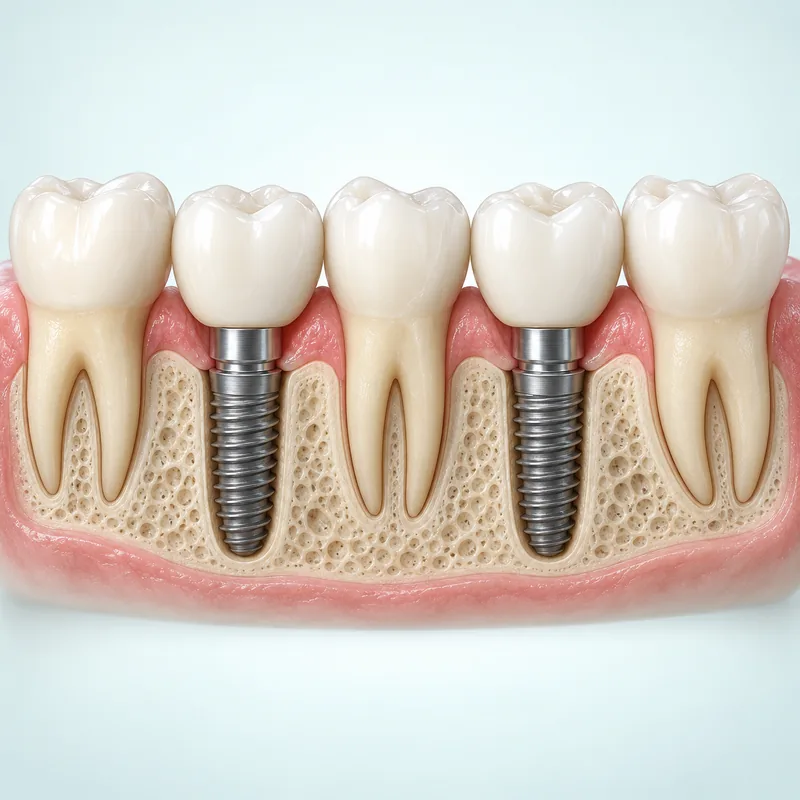
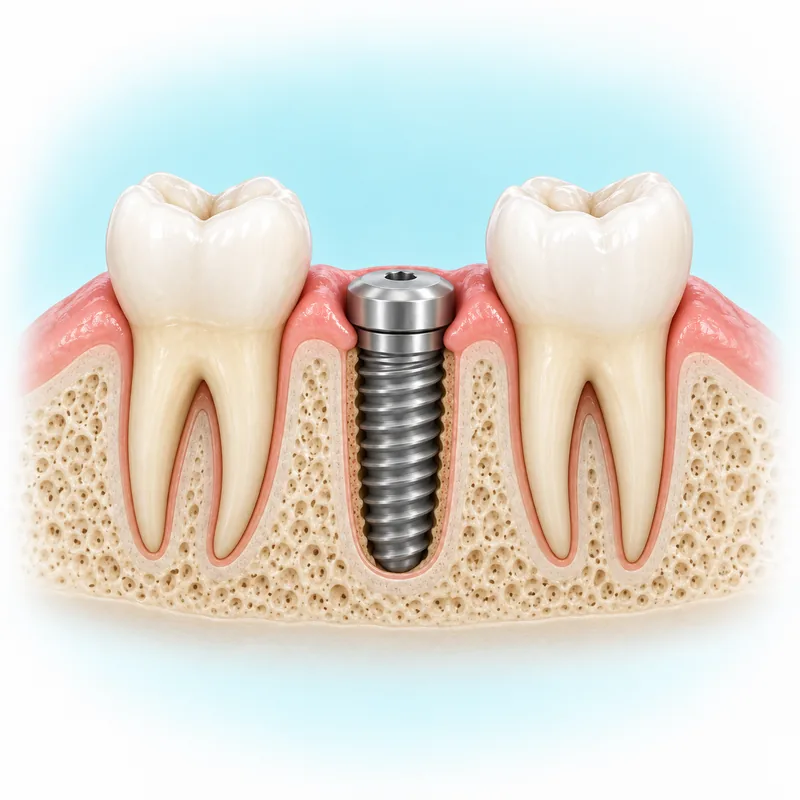
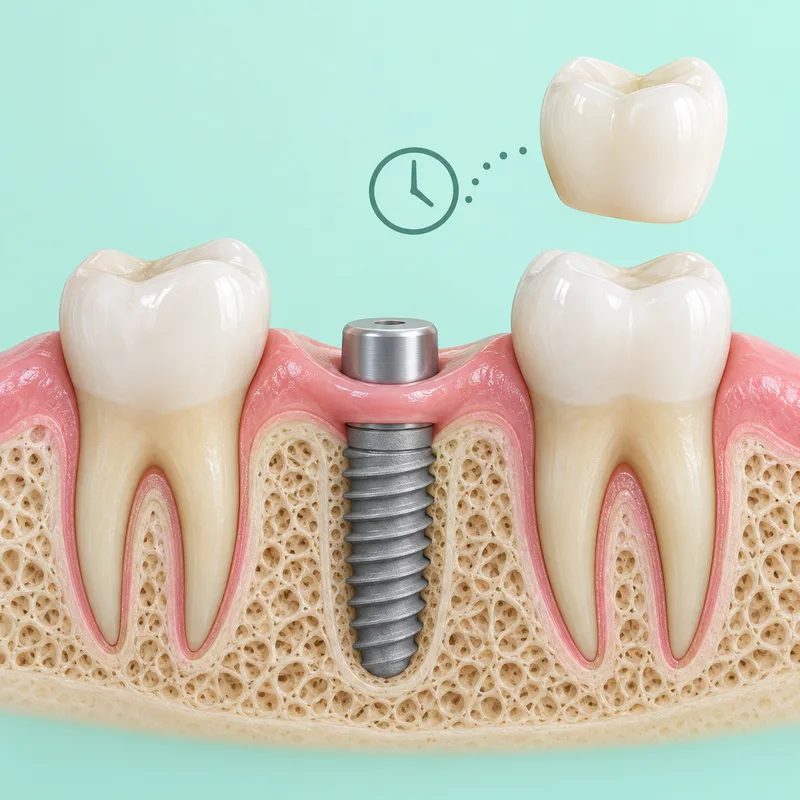
An implant body is placed in the jawbone to support replacement teeth. During healing, it can integrate with surrounding bone; this process is called osseointegration. In the International Team for Implantology (ITI) conventional-loading category, the implant heals for more than two months without a replacement tooth or teeth connected. This is a timing classification; it does not set an individual healing duration or date for a finished crown or bridge.
Sources (4)
A visible replacement and a replacement used in the bite are not always the same plan. Immediate loading means connecting a restoration in occlusion (bite contact) within one week of implant placement. A restoration kept out of bite contact is a different category from immediate functional loading. If early tooth placement is discussed, clarify whether it will meet the opposing teeth and what instructions apply.
Extraction timing is a separate decision
Immediate placement means inserting an implant on the day of extraction; another plan may place it after the site has healed. Conventional loading describes when a replacement tooth or teeth are connected after implant healing; it does not mean waiting a conventional period after extraction before placing the implant. Ask which event starts each interval in the plan.
Planning an implant and its loading with Dr. Supreet
Dr. Supreet Kaur Sawhney holds an MDS in Oral & Maxillofacial Surgery and has 20+ years of experience. She is a Senior Consultant – Oral & Maxillofacial Surgeon and Senior Implantologist. A loading consultation can clarify what restoration is planned, when it is expected to connect to the implant, and whether any temporary tooth would be kept out of the bite. Her assessment can also consider your medical conditions and medicines, the implant site and the support available for the proposed restoration.
Sources (2)
Planning may include X-rays and impressions (records of the shape of the mouth) when they help answer a clinical question. Bone augmentation (building up jawbone) may be needed if there is not enough bone to support the planned implant, but it is not required in every case. A bridge, a different denture design or no replacement may be discussed according to individual function and circumstances. Restorative appointments can record impressions (moulds that capture the shape of the mouth) and check the fit of replacement components.
Sources (2)
You can discuss your plan at Dr. Supreet's Dental & Implant Centre, 395 P, Sector 39, near Medanta Hospital, Gurugram (Gurgaon), Haryana 122001. See the Sector 39 clinic location, other consultation locations, or contact the clinic. Call or WhatsApp +91 9650298009 to ask about an appointment.
Healing, risks and ongoing care
Soreness, swelling, bruising or minor bleeding can occur after implant surgery, and individual recovery varies. Follow the surgical team's cleaning instructions around the operated area; guidance depends on the stage of healing. Follow-up checks healing and the restoration, and implants continue to need regular cleaning and professional review after treatment ends.
Sources (2)
Surgical risks depend on the site and procedure and can include damage to nearby teeth, nerves or other surrounding structures. Infection or failure to integrate with bone can lead to implant loss. General health affects candidacy and healing; smoking can impair healing and longer-term outcomes.
Sources (2)
Contact the treating dental team promptly if you have pain or feel the implant is loose. If swelling, discomfort or another problem worsens in the days after surgery, follow the team's instructions and seek assessment. Bleeding that does not stop is different from a small amount of initial oozing and needs urgent assessment; if it remains uncontrolled, seek appropriate local emergency care.
Sources (3)
For the wider assessment of implant, bridge and denture options, see the dental implant consultation guide.