Dental Swelling Assessment in Gurugram
Swelling in or around the mouth is a symptom, and it does not always mean a dental abscess. Assessment should establish the cause and urgency before a drainage procedure, tooth treatment or medical referral is chosen.
Difficulty breathing or swallowing, a painful or swollen eye, or extensive mouth swelling needs emergency hospital assessment. Sudden swelling of the lips, tongue, mouth or throat can also have a medical cause. Do not wait for a routine dental appointment; in India, a medical emergency can be reported through 112. Symptoms alone do not establish an abscess or an allergy.
Dr. Supreet assesses mouth and facial swelling in Gurugram and discusses treatment or referral according to its cause and severity. When contacting the clinic about urgent dental care, describe the swelling and associated symptoms.
Sources (2)
Establishing the cause
The team may examine the mouth and head, discuss symptoms and use tests or dental imaging when needed. Depending on the findings, treatment or referral may follow. This describes the general assessment process, rather than a fixed appointment or procedure sequence.
Sources
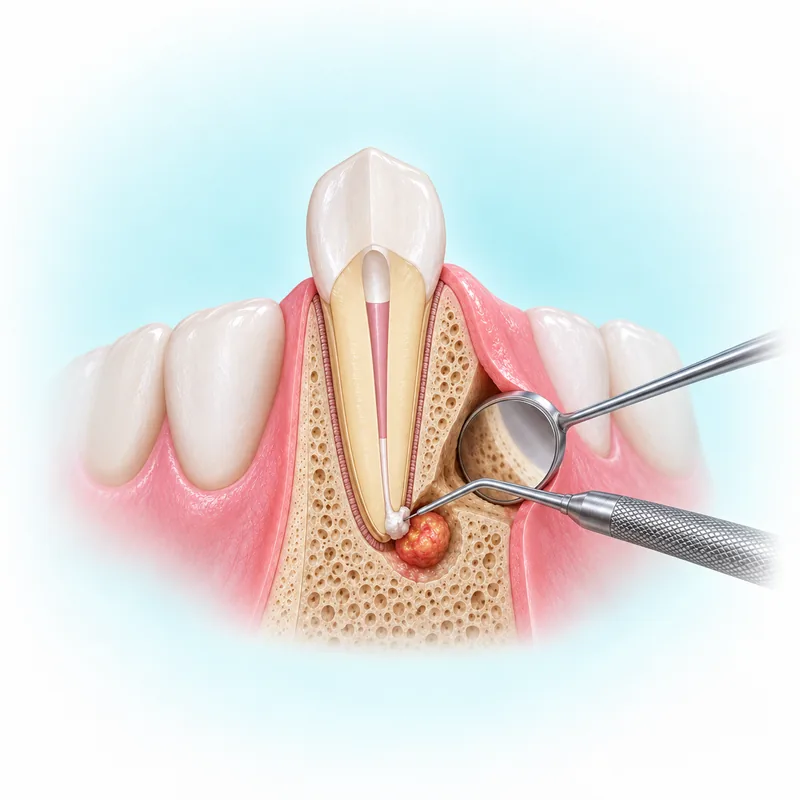
A dental abscess is a collection of pus caused by infection in teeth or gums. Pain, fever, bad taste, restricted mouth opening and facial swelling can accompany infection, but they do not diagnose its source or severity by themselves. A suspected dental abscess needs urgent dental care; pain relief does not replace treatment.
Sources
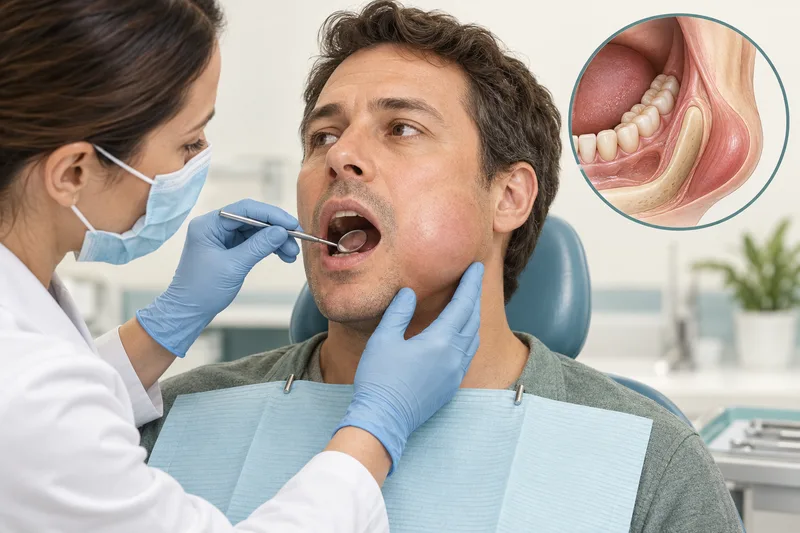
When the source is a tooth or its supporting tissues
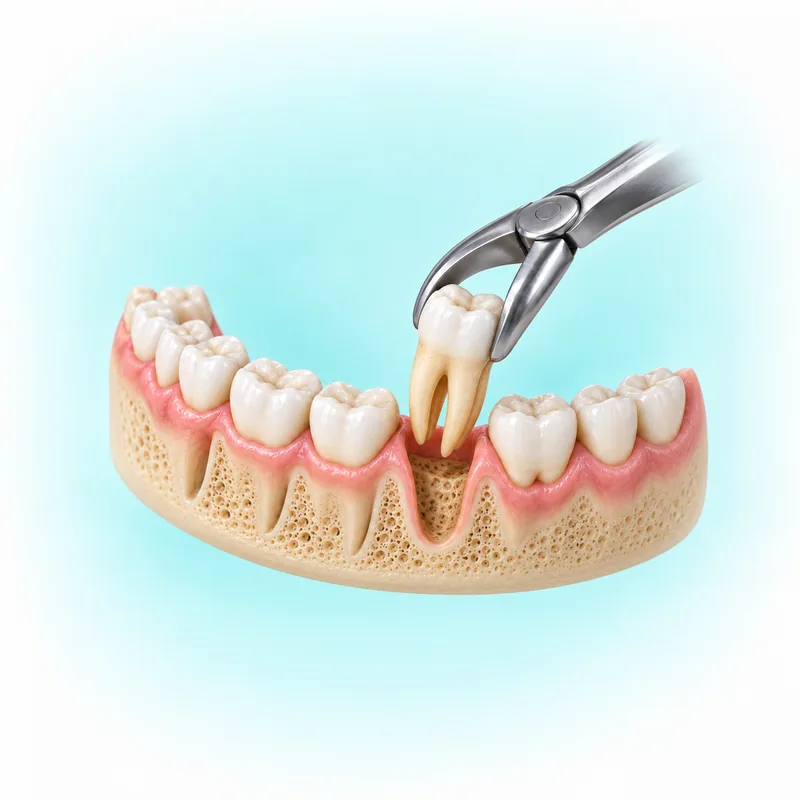
Treatment may involve draining pus and addressing the dental source. If a tooth is responsible, root canal treatment (treating infection inside the tooth) or extraction may be discussed according to the diagnosis and whether it can be restored. Extraction is not inevitable. Local anaesthesia may be used to numb the area for the selected procedure; it does not establish that everyone needs the same operation.
Sources
For adults with a normal immune response and most localized infections involving the pulp (tissue inside the tooth) or tissues around the root tip, prompt dental treatment is prioritized over antibiotics alone. Spreading infection, fever or feeling unwell, weakened immune function, children and other diagnoses require their own assessment. Indian clinician guidance allows antibiotics to be considered for infection around a tooth root spreading with systemic symptoms; this is not advice to take antibiotics for every swelling.
Sources (2)
Unnecessary antibiotics can cause adverse reactions and contribute to resistance. When antibiotics are indicated, the clinician chooses them according to the diagnosis and patient factors. Pain relief after abscess treatment also needs an individual plan, and concerning symptoms need reassessment.
Sources (2)
A separate possibility: a blocked salivary gland
A salivary-gland stone can obstruct saliva flow and cause swelling that comes and goes, sometimes with marked pain at mealtimes. This pattern suggests a possible non-tooth cause rather than confirming a diagnosis. Pain, redness, pus or fever needs medical review; airway danger follows the emergency route above.
Sources
Once a salivary stone has been assessed, suitable measures may include water, gentle massage and sugar-free gum or sweets to stimulate saliva. Do not try to remove a stone with anything sharp. A persistent or infected stone needs medical review; a clinician may attempt gentle removal or arrange hospital care. These measures do not treat a dental abscess or a medical airway emergency.
Sources
If a saliva-drainage procedure has already been performed
After widening a salivary duct (a tube that carries saliva into the mouth) or removing a stone from it, a Royal Berkshire patient leaflet describes possible mild oozing and discomfort, with pain expected to improve over 24–48 hours. Usual daily activities may resume within a day if recovery allows, but individual instructions, restrictions after sedation (medicine used to help a patient relax) and ability to function take priority. This is procedure-specific aftercare, not advice for untreated swelling.
Sources (2)
After that salivary-duct procedure, contact the treating service for severe or uncontrolled gland pain, fever, red or hot overlying skin, or pus draining into the mouth. These signs need assessment rather than establishing infection by themselves. Trouble breathing or swallowing still needs emergency medical care.
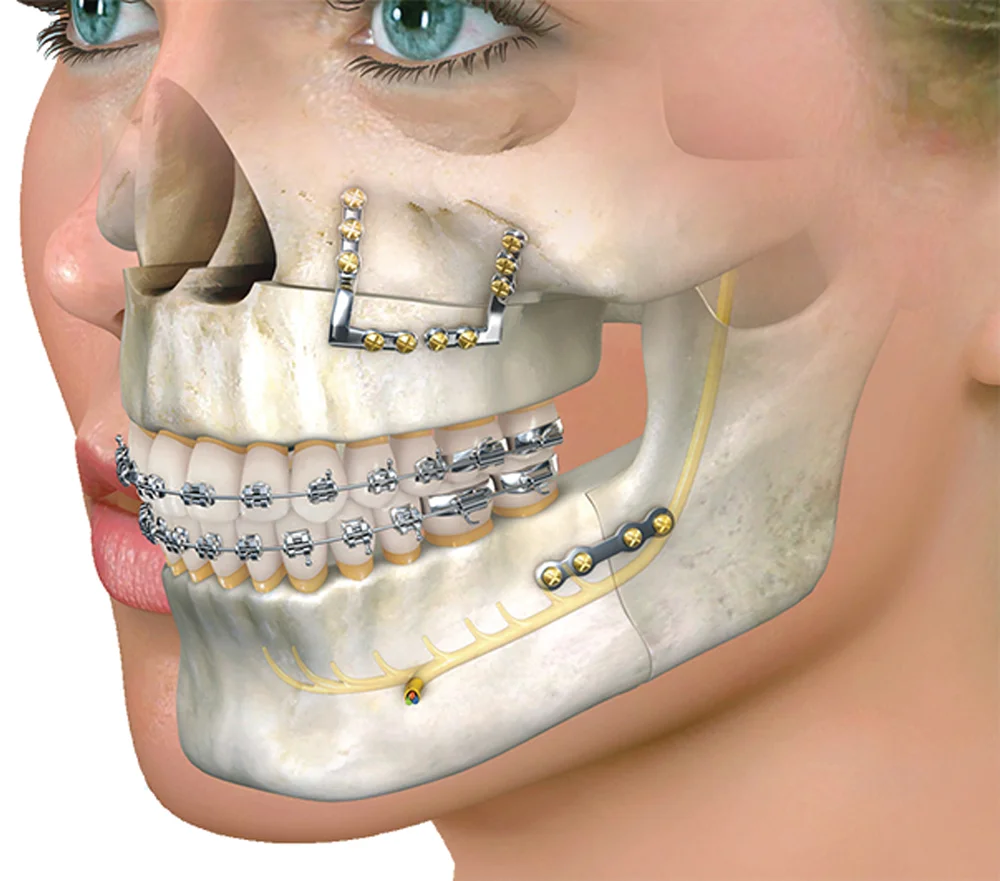
For the wider specialist assessment, see oral and maxillofacial surgery.
Arrange assessment in Gurgaon
Dr. Supreet Kaur Sawhney, MDS, Senior Consultant – Oral & Maxillofacial Surgeon and Senior Implantologist, brings 20+ years of experience to assessment and individual treatment planning. Consult at Dr. Supreet's Dental & Implant Centre, 395 P, Sector 39, near Medanta Hospital, Gurugram (Gurgaon), Haryana 122001. Contact the clinic, call +91 9650298009, or view the Sector 39 clinic. Medical danger signs need emergency assessment; do not wait for a routine appointment.