Supernumerary Tooth Removal in Gurugram
An extra tooth does not automatically need an operation. Its position, development and effect on nearby teeth guide whether a dentist monitors it or discusses removal. Dr. Supreet Kaur Sawhney, MDS, is a Senior Consultant – Oral & Maxillofacial Surgeon and Senior Implantologist with more than 20 years of experience. A consultation in Gurugram can help clarify what the finding means for the particular tooth and surrounding teeth.
Sources (2)
What an extra tooth can affect
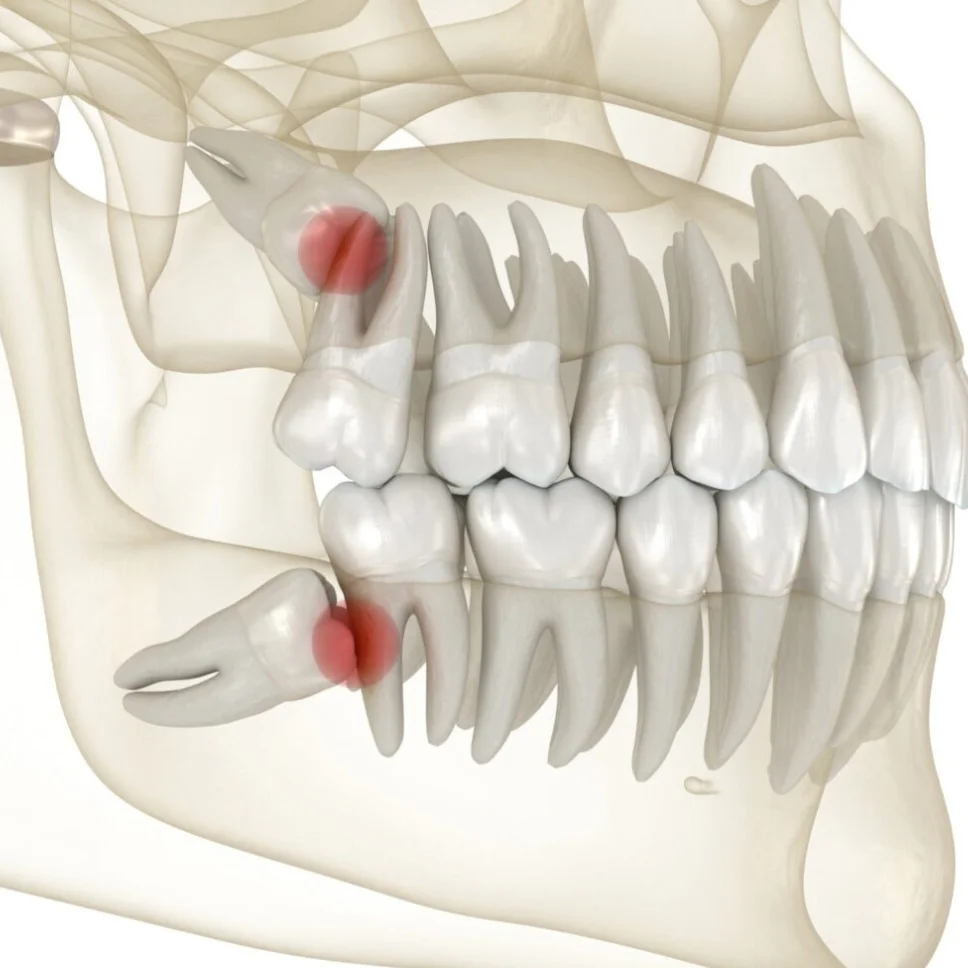
A supernumerary tooth is an additional tooth. Near a developing permanent incisor (front tooth), it can delay eruption (coming through the gum), crowd or displace nearby teeth, or affect their roots; some extra teeth cause no problem. Examination and imaging when indicated help establish the actual position and effect. The examples about a midline extra tooth relate especially to children and developing teeth, not every adult extra tooth.
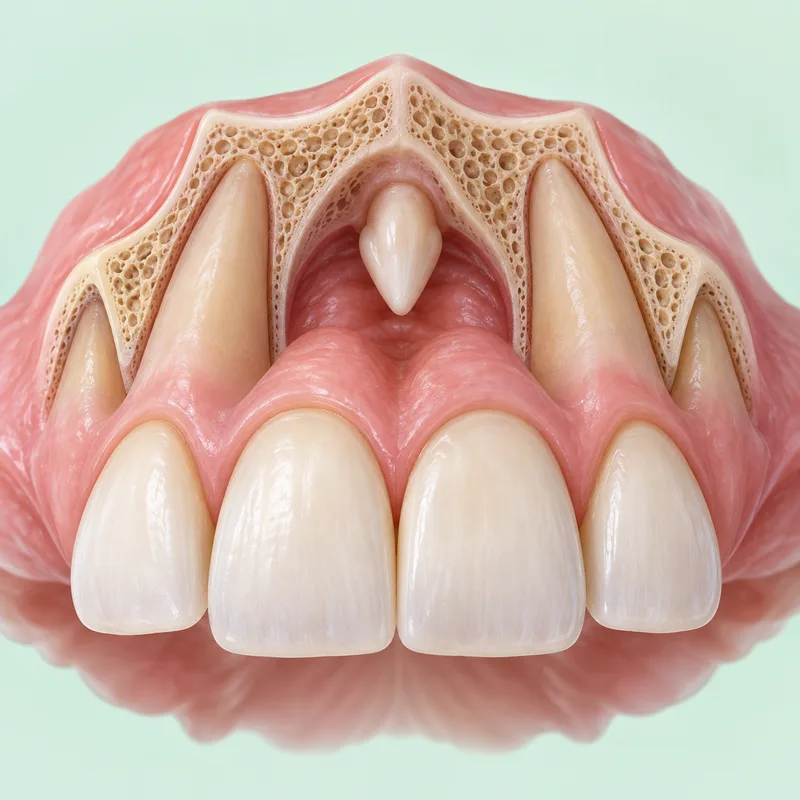
Monitoring or removal depends on the finding
For a child with a non-erupting primary (baby) extra midline tooth (between the front teeth), observation may be preferred because removal could injure developing permanent teeth; an erupted baby tooth may also shed naturally. If a permanent extra midline tooth blocks an incisor, removal may be considered at an individualized stage, balancing continued eruption delay against harm to developing roots. These are child-specific examples, not a fixed age or rule for all extra teeth.
Sources
For other extra teeth, a clinician may consider monitoring when nearby teeth function and come through the gum without a problem, or removal when the extra tooth blocks eruption, harms neighboring teeth, interferes with cleaning or affects planned care. Leaving the cause untreated may allow delay or displacement to continue, but the likely course depends on the individual tooth. This is a broad choice framework, not a fixed threshold. Type, position, symptoms, age and operative risk matter. Before surgery, discuss what the examination shows, likely benefits and harms, reasonable alternatives and what monitoring would involve.
If removal is chosen
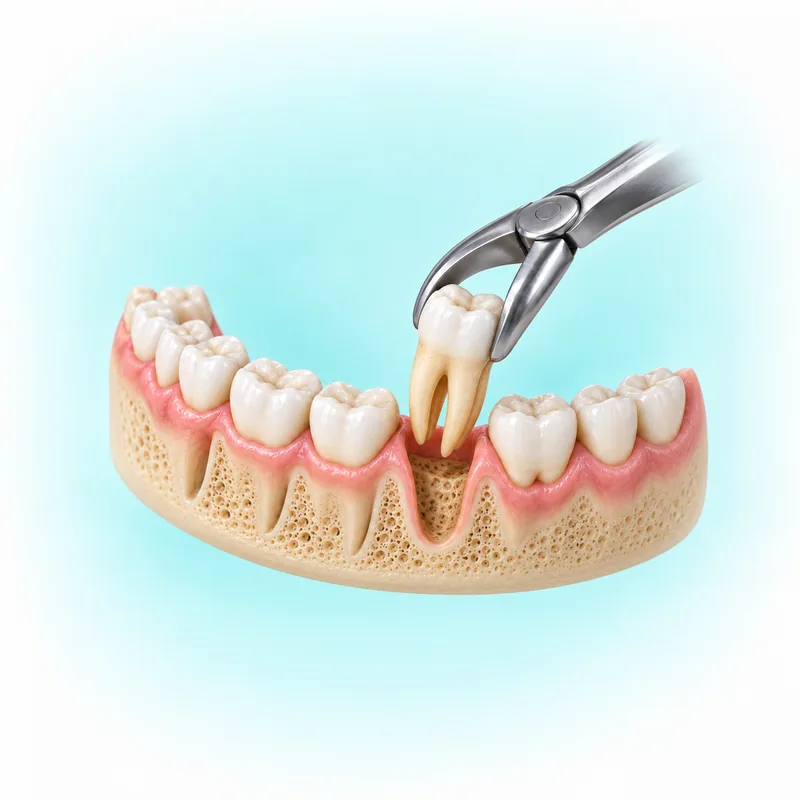
The access needed depends on where the tooth lies. A tooth partly beneath gum, broken below the gum or not safely reachable with ordinary forceps (a tooth-gripping instrument) may need surgical access; a gum flap (opening and lifting the gum), limited bone removal, tooth division or stitches may be used when needed, but none is automatic. Imaging is selected for the planning question. Risks can include harm to an adjacent or developing tooth. Some upper sites can open into the sinus (the air-filled space above the back teeth), which may need care; some lower sites risk injury to a nerve that carries feeling, and a change in feeling can persist. These harms depend on anatomy and the procedure.
Sources (2)
When an extra tooth has blocked a child's permanent incisor (front tooth), follow-up checks whether it comes through the gum and whether surgical exposure (uncovering it) or orthodontic guidance with braces is needed. Eruption is not guaranteed; the team sets review according to development and space. After removal in a child, follow the team's eating and wound-care advice and protect numb lips or cheeks from injury. Contact the operator promptly for bleeding that persists despite advised pressure, or increasing pain or swelling with fever, pus or bad taste; breathing or swallowing difficulty needs emergency assessment.
Sources (3)
Discussing an extra tooth in Gurugram
Dr. Supreet’s Dental & Implant Centre is at 395 P, Sector 39, near Medanta Hospital, Gurugram (Gurgaon), Haryana 122001. Bring prior dental images and notes if available. You can ask which tooth is involved, whether neighboring teeth are affected, why observation or removal is being discussed, and how development will be followed. View the Sector 39 clinic location or contact the clinic; call or WhatsApp +91 9650298009.