Open TMJ Surgery in Gurugram | Dr. Supreet
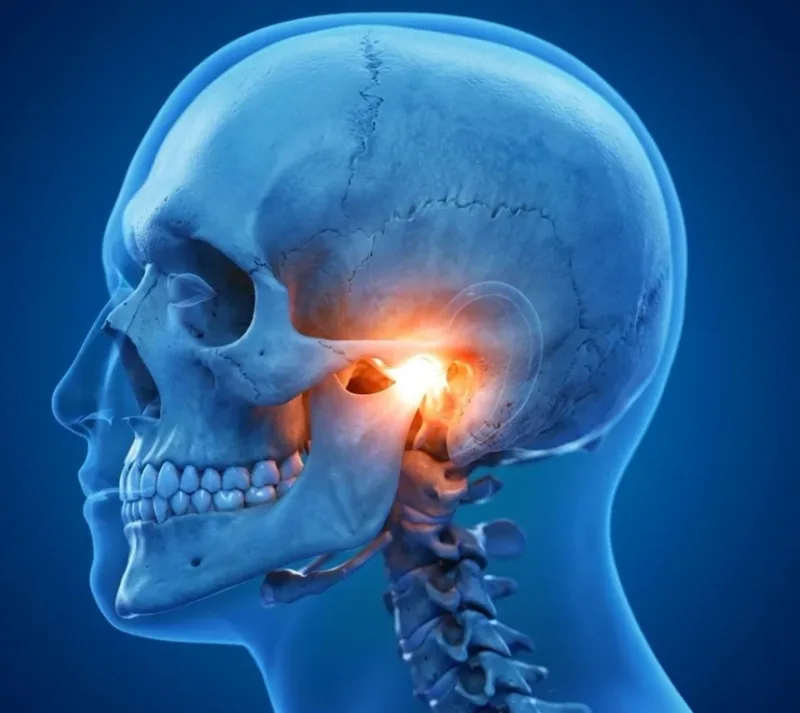
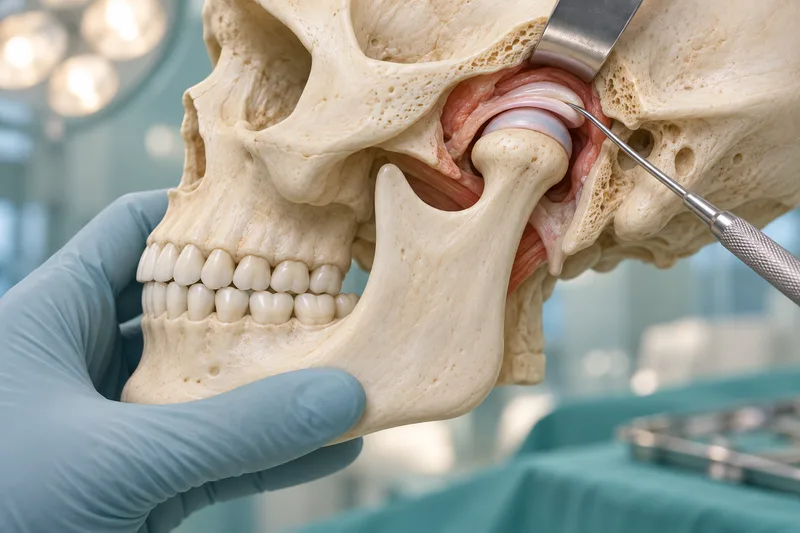
Open TMJ surgery gives the surgeon direct access to the jaw joint through an incision in front of the ear. It is a selected option for destructive joint disease or severe symptoms despite simpler care, rather than a routine response to jaw pain or clicking.
Sources (2)
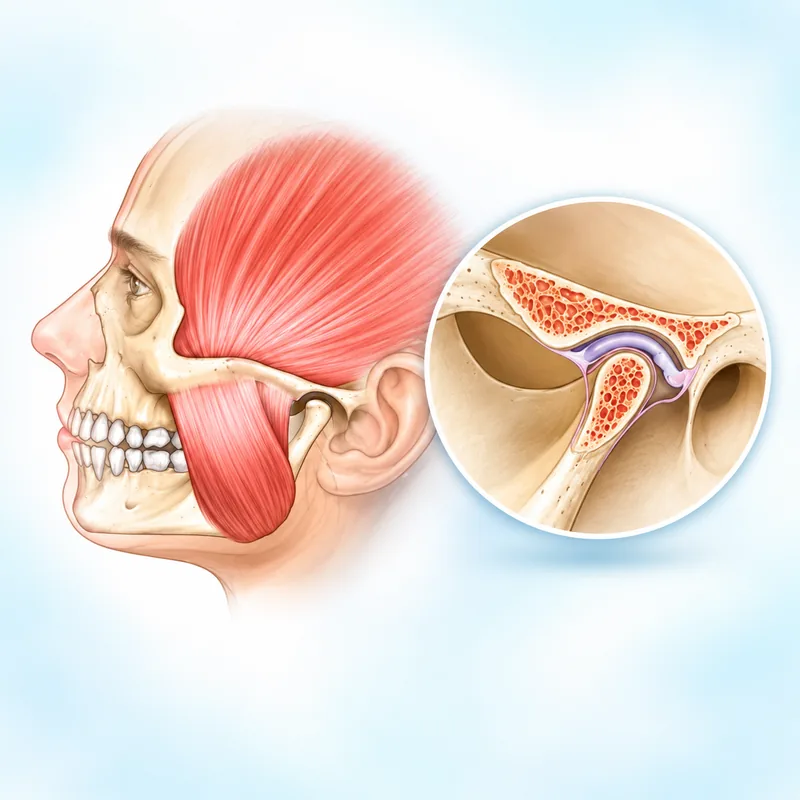
TMJ means temporomandibular joint, the jaw joint. Dr. Supreet provides open-joint surgery for appropriately selected patients, with specialist assessment of the diagnosis, alternatives and personal risks. This page concerns selected open-joint operations, not every kind of jaw surgery.
When an open operation may be considered
Temporomandibular disorders, or TMD, include jaw-joint, chewing-muscle and associated headache disorders. History and examination guide assessment, with imaging when indicated and other facial-pain causes considered. Painless clicking usually needs no treatment; pain, locking or restricted movement changes the assessment.
Many symptoms settle without treatment, and reversible management is generally preferred before invasive care. Open surgery requires a specific specialist diagnosis and risk-benefit discussion after simpler options: advanced structural change with reduced jaw function may be unlikely to respond to less invasive care.
Direct access differs from camera arthroscopy
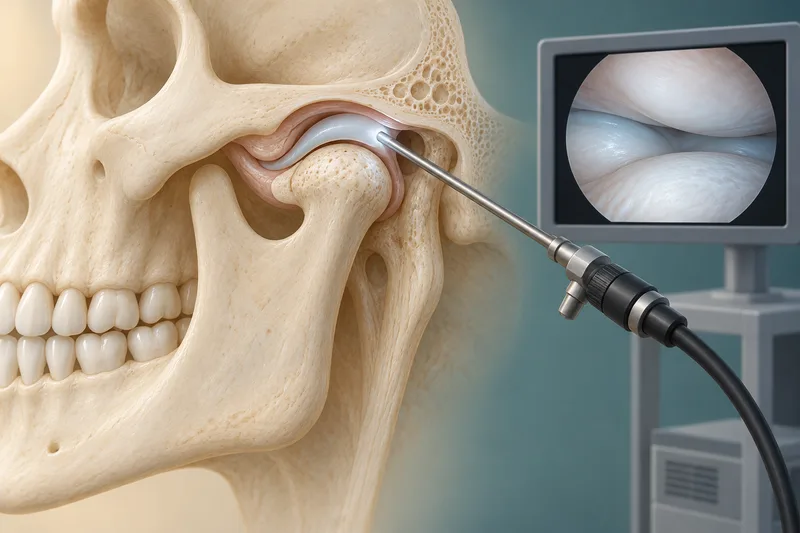
Arthroscopy uses a small camera opening to inspect and possibly treat inside the joint. Open surgery exposes the joint through an incision, allowing assessment of the disc (which sits between the two bones inside the jaw joint) and bone. Depending on the diagnosed problem, components may be reshaped, repositioned or removed; these are possible approaches, not steps everyone receives.
Sources (3)
The BAOMS open-joint guide describes general anaesthesia, meaning you are asleep during the operation. Open surgery permanently changes the joint, and long-term outcomes are uncertain. Discuss the expected benefit and uncertainty for the actual operation.
Sources (2)
Discuss operation-specific risks
Pain, bruising, swelling, infection and bleeding are possible. Facial numbness or weakness, a changed bite and ear problems are important operation-specific risks; nerve changes can rarely persist. Personal risk depends on the planned operation. Ask about blood-clot risk and the measures to reduce it as part of the individual surgical discussion.
Plan recovery with the surgical team
A short hospital stay may be needed. The team gives eating instructions, often including soft food, wound-care advice, follow-up and any stitch-removal plan. Admission, diet duration and wound care are individual; anaesthesia restrictions and return to work follow your discharge advice rather than a fixed recovery date.
Postoperative bleeding needs surgical-team assessment. Contact the treating surgeon or nurse about concerning recovery symptoms or questions about numbness, facial weakness, bite or ear changes. Follow the discharge instructions for urgent symptoms and local emergency assessment.
Separate from routine recovery questions, inability to eat or drink, or jaw pain with visual symptoms or a severe headache, needs urgent assessment. These can have serious causes other than a jaw disorder.
The TMJ treatment hub and conservative care guide explain the broader assessment and reversible choices.
Discuss your options in Gurugram
Dr. Supreet Kaur Sawhney, MDS, Senior Consultant – Oral & Maxillofacial Surgeon and Senior Implantologist, brings 20+ years of experience to assessment and individual treatment planning. Consult at Dr. Supreet's Dental & Implant Centre, 395 P, Sector 39, near Medanta Hospital, Gurugram (Gurgaon), Haryana 122001. Request a consultation, call +91 9650298009, or view the Sector 39 clinic.