Periodontal Bone-Reshaping Surgery (Osseous Surgery) in Gurugram
Osseous means involving bone. Osseous periodontal surgery is a selected gum operation for periodontal disease, not a routine treatment for every deep pocket. Periodontitis is gum disease involving loss of tooth-supporting attachment (the tissue connection supporting a tooth) and bone. A periodontal pocket is a space between tooth and gum that can deepen as support is lost. The gum may be lifted to reach it; in some cases, irregular supporting bone is reshaped. Dr. Supreet Kaur Sawhney, MDS, is a Senior Consultant – Oral & Maxillofacial Surgeon and Senior Implantologist with more than 20 years of experience. Periodontal assessment in Gurugram helps determine whether nonsurgical treatment has controlled the disease and what a proposed operation is meant to address.
Sources (2)
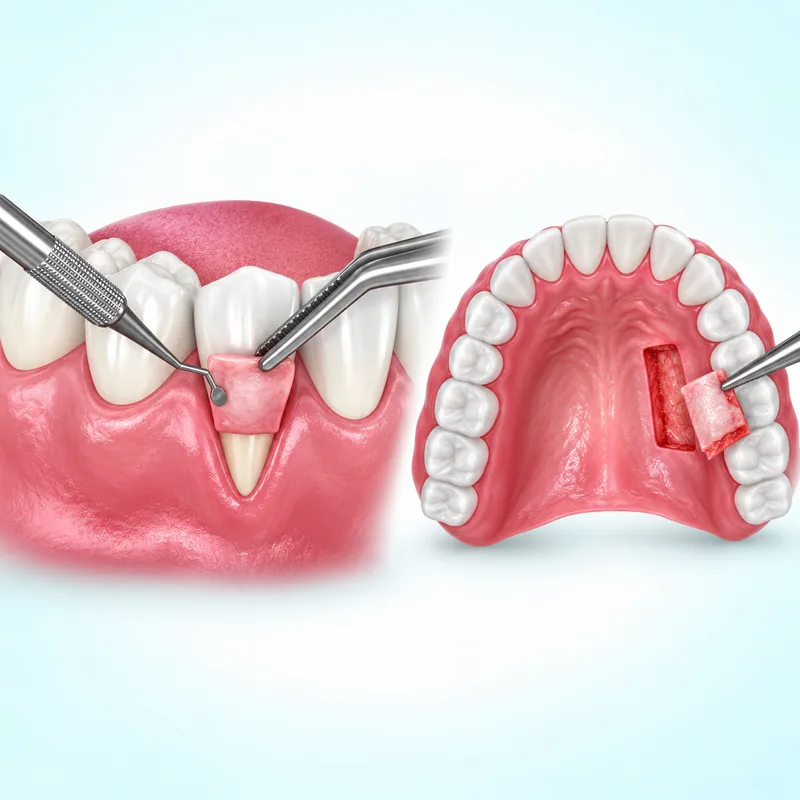
A periodontal flap operation lifts the gum to reach and clean a pocket. Osseous surgery is a narrower discussion about reshaping supporting bone in selected cases; not every flap includes bone removal or contouring. The periodontal flap surgery guide covers access and cleaning, while this page explains the separate bone-reshaping decision.
Sources (2)
Reassessment before surgery
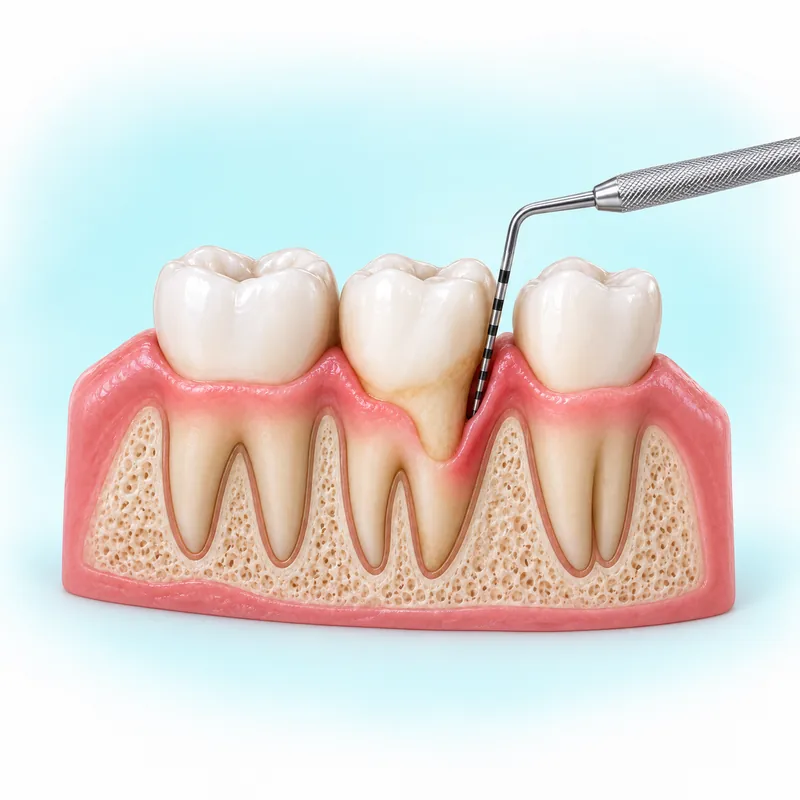
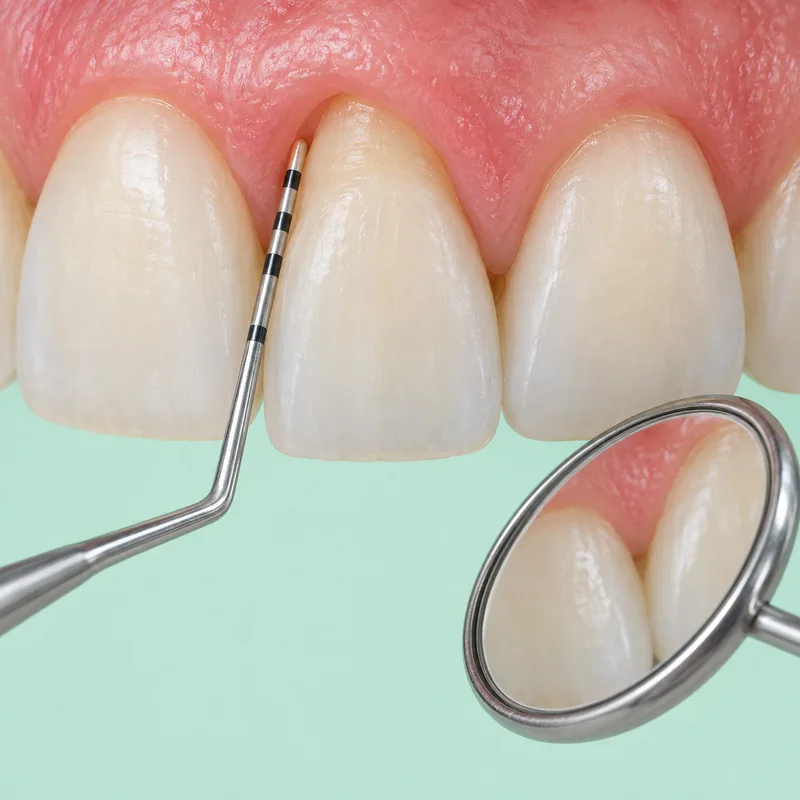
Periodontitis involves loss of the attachment and bone supporting teeth. Assessment can include attachment loss, pocket depth, bleeding and bone loss on appropriate images. For stage I–III periodontitis (disease-severity categories), surgery may be considered when nonsurgical treatment has not adequately controlled disease; suitability follows reassessment rather than the mere presence of a deep pocket.
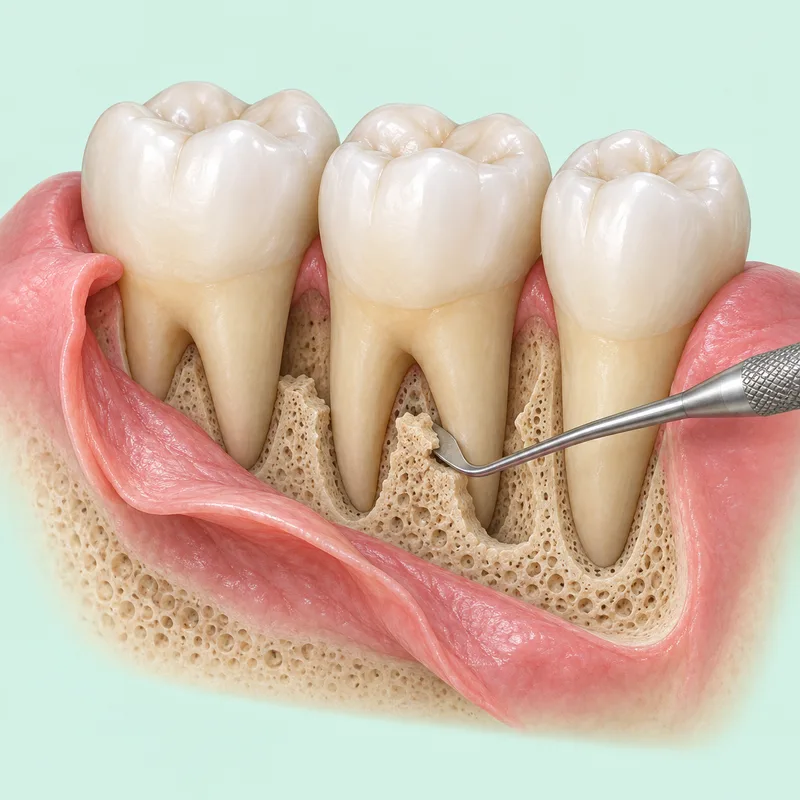
What bone reshaping terms mean
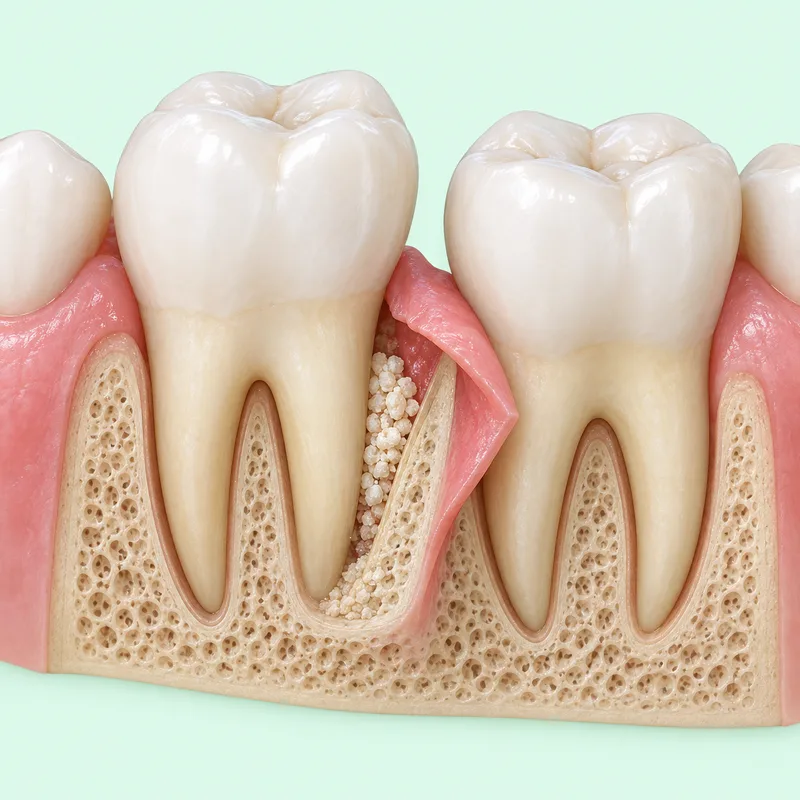
In selected periodontal pocket surgery, the gum may be lifted to clean the area, and irregular damaged bone may be smoothed before the tissue is secured. The amount and type of reshaping depend on the defect and surgical plan.
Ostectomy means removing tooth-supporting bone; osteoplasty means modifying bone shape. These terms describe different actions, but neither is routine for every pocket. The clinician should explain which, if either, is proposed and why. In resective surgery, bone is removed or reshaped to alter the pocket; this can increase gum recession (the gum pulling back from the tooth) or sensitivity and does not regenerate lost bone (rebuild the lost support).
Sources (2)
Risks and aftercare
Periodontal surgery can cause pain, bleeding, swelling, recession or sensitivity, and a procedure may not succeed. Risks depend on the operation and patient. While stitches are present after open-flap or regenerative surgery, follow the surgeon’s site-specific cleaning plan and attend the planned review; a temporary pause in brushing applies only to the treated site, not all teeth.
If bleeding does not stop after the pressure advised by the treating team, contact a dental or urgent-care service promptly. Follow your treating team’s aftercare instructions, including when to attend a review and whom to contact if you are concerned about healing.
Discussing periodontal surgery in Gurugram
Dr. Supreet’s Dental & Implant Centre is at 395 P, Sector 39, near Medanta Hospital, Gurugram (Gurgaon), Haryana 122001. Bring periodontal charts and images if available. Ask what remains after initial treatment, whether a flap or bone reshaping is proposed, what trade-offs affect your gum line and sensitivity, and how to care for the treated site. View the Sector 39 clinic location or contact the clinic; call or WhatsApp +91 9650298009.