Knocked-Out Tooth Treatment in Gurugram
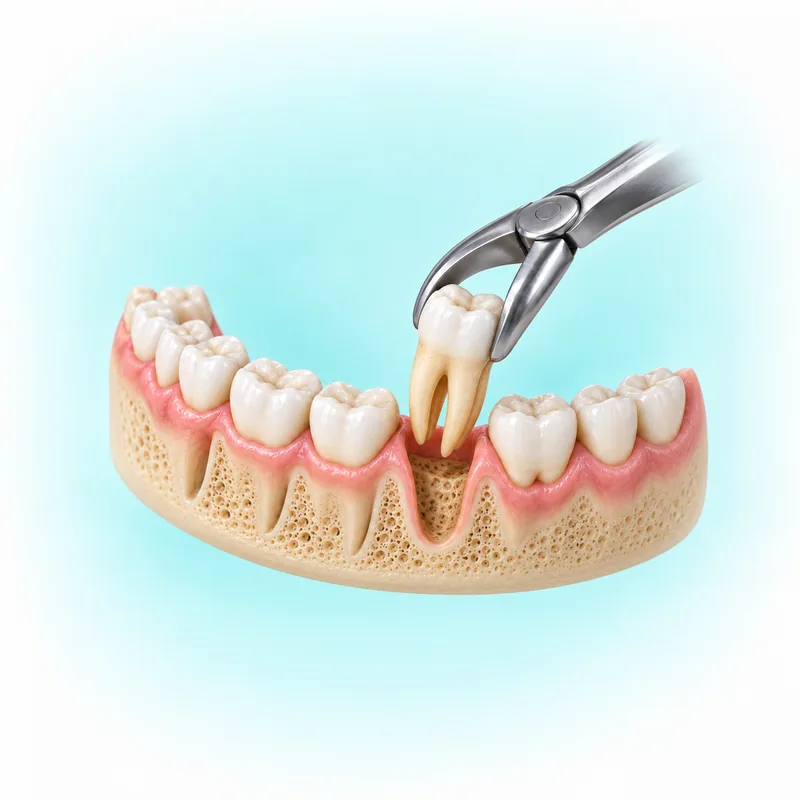
A tooth knocked completely out of its socket is an avulsed tooth. A confirmed permanent tooth needs immediate dental attention; a baby tooth must never be put back into its socket.
Sources (2)
Serious face or jaw injury, uncontrolled heavy mouth bleeding, breathing difficulty from severe swelling, or head-injury signs such as loss of consciousness, vomiting or double vision need emergency medical assessment. Medical care takes priority over trying to save the tooth. Do not attempt replantation in an unconscious or medically unstable person.
Sources (2)
Dr. Supreet provides assessment and treatment for knocked-out teeth in Gurugram. Contact urgent dental care immediately and explain what happened; the tooth type, storage, time out of the mouth and associated injuries affect the options.
Sources (2)
Immediate first aid for a definitely permanent tooth
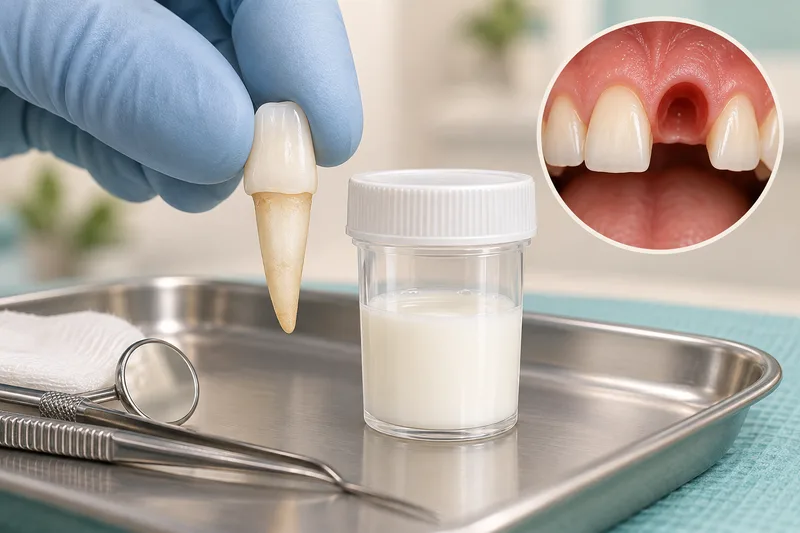
If it is safe and feasible to act, hold the tooth by its crown, the part normally visible in the mouth, without touching the root. Gently rinse visible dirt in milk, saline or the person's saliva. Try prompt replantation in its original position and hold it with a gentle bite on clean gauze while seeking immediate dental care. This route is only for a confirmed permanent tooth; never replant a baby tooth.
Sources (2)
If immediate replantation is not feasible or safe, keep the permanent tooth moist in milk or a tooth-preservation solution during urgent transport. Do not allow it to dry, and do not use storage as a reason to delay care.
Why the time and root stage matter
The dentist considers root maturity (how fully the root has developed), time spent dry outside the mouth, storage and medical suitability. Severe decay or gum disease, serious medical illness or inability to cooperate safely can affect the decision to replant; a bystander should not try to diagnose these exclusions.
Longer dry time worsens the chance of long-term healing. The guideline's 30- and 60-minute figures describe prognosis, not a safe waiting period or an absolute cutoff. Even after more than 60 minutes, a dentist may consider replantation for temporary function and bone contour, with poorer and variable long-term prospects. Root breakdown, fusion to surrounding bone and later tooth loss remain possible.
Assessment and treatment at the dental service
The team checks the permanent tooth, socket, position and associated injury clinically and with appropriate dental images. Local anaesthesia (numbing the treatment area) can be used when needed. A replanted permanent tooth usually needs a passive flexible splint, a temporary support that holds it stable while allowing limited movement; associated socket-bone fracture changes stabilization. Exact treatment and splint duration are individualized.
Sources (2)
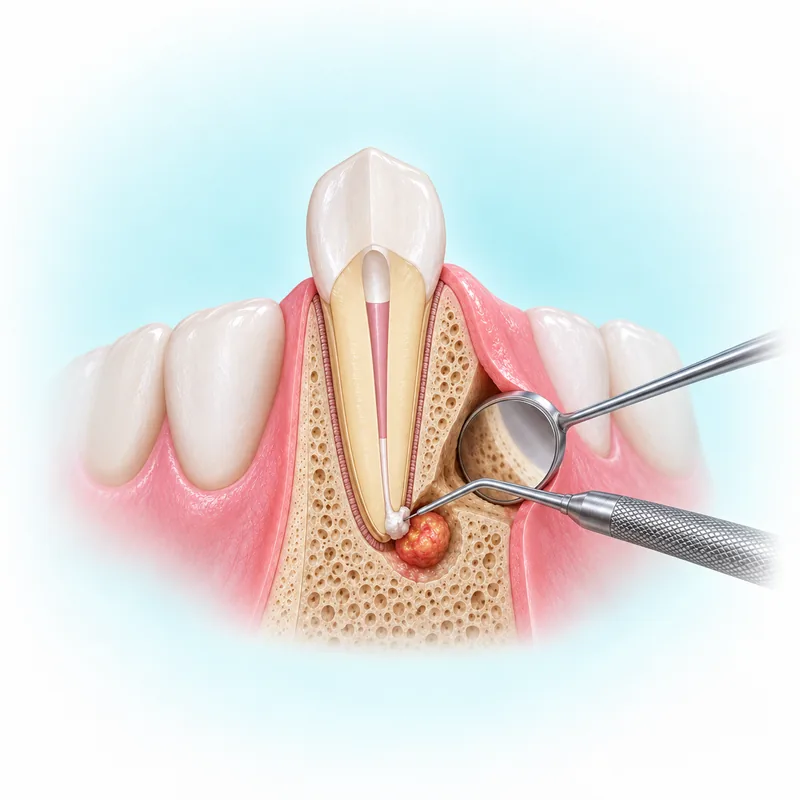
For a replanted permanent tooth with a fully formed root, the guideline generally calls for root canal treatment (treatment inside the tooth) to start within two weeks. A tooth with an incompletely developed root is monitored for possible return of its blood supply and for infection; later findings determine treatment inside the tooth. These are clinician decisions for replanted permanent teeth, not a baby-tooth protocol.
Treating clinicians also assess tetanus protection and whether medicines acting throughout the body are needed. The evidence for antibiotic benefit is uncertain, and this page supplies no self-medication instruction or drug regimen.
Baby teeth and a missing tooth
A knocked-out baby tooth is not replanted. The child still needs dental assessment and follow-up for healing and the developing permanent tooth. If the missing tooth cannot be found, clinicians check whether it was pushed into the socket, embedded in soft tissue, swallowed or inhaled. Breathing symptoms, an unwitnessed accident or loss of consciousness can make medical assessment especially important; this is not a home search-and-diagnosis procedure.
Sources
Care and later review
After a permanent tooth is replanted and stabilized, follow the team's soft-food, gentle-brushing and sports restrictions. A loose placed splint needs dental review. New gum lumps, facial swelling, tooth darkening or increasing looseness need reassessment; uncontrolled bleeding or severe swelling needs urgent assessment. Symptoms do not establish the complication by themselves, and checks are needed even when the tooth feels comfortable.
Sources (2)
Repeated clinical and radiographic follow-up may continue for several years. Root breakdown or fusion to bone can appear later; in a growing child, a tooth that sits lower than its neighbours can affect local growth. Any later treatment or replacement plan depends on growth and prognosis; implants are considered after growth is complete. These are possible complications, not a prediction that they will occur.
After a baby tooth is knocked out, seek dental review for gum swelling, a draining gum lesion or concern about the developing permanent tooth, even without reported pain. Relevant sports mouthguards can reduce future injury risk but cannot eliminate it.
Sources (2)
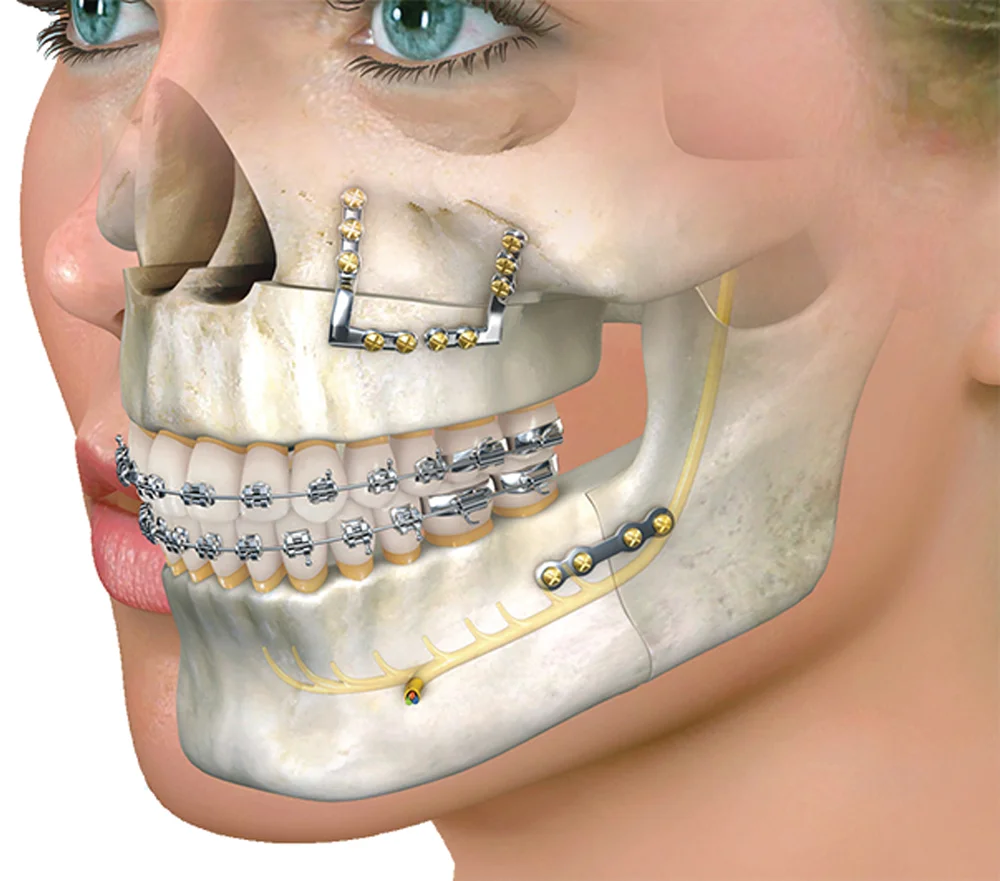
For the wider specialist assessment, see oral and maxillofacial surgery.
Arrange assessment in Gurgaon
Dr. Supreet Kaur Sawhney, MDS, Senior Consultant – Oral & Maxillofacial Surgeon and Senior Implantologist, brings 20+ years of experience to assessment and individual treatment planning. Consult at Dr. Supreet's Dental & Implant Centre, 395 P, Sector 39, near Medanta Hospital, Gurugram (Gurgaon), Haryana 122001. Contact the clinic, call +91 9650298009, or view the Sector 39 clinic. Medical danger signs need emergency assessment; do not wait for a routine appointment.