Dental Trauma Splinting in Gurugram
A dental-trauma splint temporarily stabilizes selected injured permanent teeth during early healing. A passive flexible splint provides support without making every injured tooth rigid; its design and duration depend on the injury, and not every tooth injury needs one.
After the accident, serious face or jaw injury, uncontrolled heavy mouth bleeding, breathing difficulty from severe swelling, or head-injury signs such as loss of consciousness, vomiting or double vision need emergency medical assessment before dental stabilization.
Dr. Supreet assesses injured permanent teeth and provides selected trauma stabilization in Gurugram. The injury type, displacement, root development and the status of the pulp (living tissue inside the tooth) guide whether support is appropriate. This guide is not a baby-tooth splinting protocol.
Sources (3)
A splint is selected for the injury
A tooth displaced after injury needs prompt assessment, including whether it is baby or permanent before treatment is chosen. Some permanent injuries need no splint: uncomplicated subluxation, looseness without displacement, usually needs no active treatment. Excessive mobility or biting tenderness may justify a short passive flexible splint for up to two weeks. That example is not the pathway for extrusion, a knocked-out tooth, sideways displacement or root fracture.
Sources (2)
A replanted permanent tooth (a knocked-out tooth put back in its socket) usually needs passive flexible support; an associated fracture of the tooth-bearing bone changes stabilization. After displacement injuries of permanent teeth, supporting-tissue damage can later lead to pulp death, root breakdown or fusion to bone, with risks differing by injury. A splint does not guarantee pulp or root healing, and assessment and follow-up remain necessary.
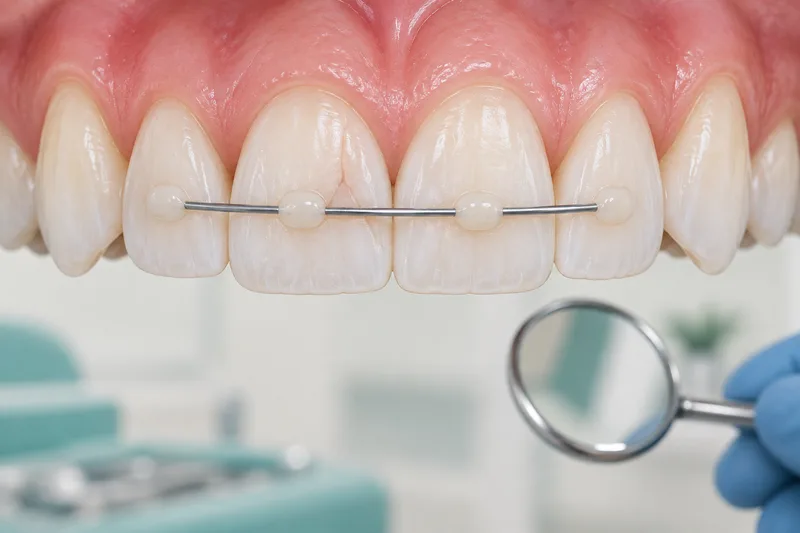
Duration and what a selected splint may involve
The dentist selects the design and removal plan rather than assigning one duration to every trauma splint. For a child or teenager with a root-fractured permanent tooth needing stabilization, a hospital patient pathway describes thin flexible wire and cement bonded to the injured and neighbouring teeth. It can stay for several weeks and, for some root fractures, up to about four months, with visits to check it. This specific pediatric permanent-root-fracture description is not an adult or baby-tooth procedure forecast.
Sources (2)
Different from a night guard or periodontal splint
A temporary injury splint has a different purpose from a removable bite guard worn over teeth or periodontal splinting for selected gum-disease concerns. Those guides describe their own assessed purposes; they do not establish a trauma-splint protocol.
Care and when to contact the team
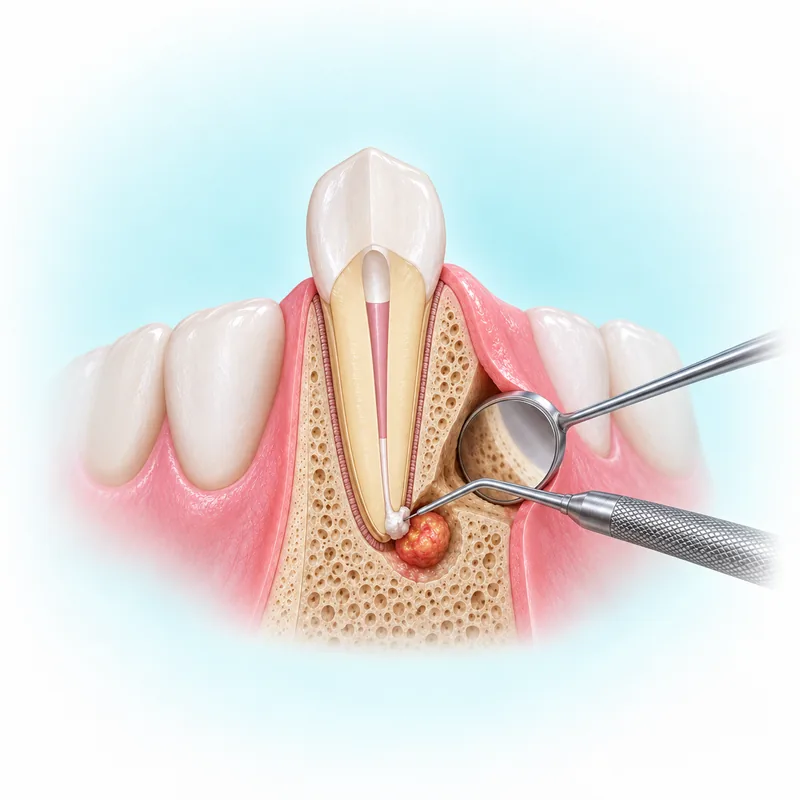
After trauma treatment, follow the individual gentle-brushing, soft-food, injured-tooth biting and contact-sport instructions. If a placed splint becomes loose, arrange dental review. A new gum lump or facial swelling needs reassessment, while uncontrolled bleeding or severe swelling needs urgent assessment. These signs do not diagnose pulp death or infection by themselves, and this post-treatment advice is not first aid for an untreated injury.
After treatment of a displaced tooth, report new or worsening discoloration, continuing pain, bleeding or swelling. Keep clinical and dental-image reviews after repositioning or splinting because later pulp and root problems may occur without early symptoms. Follow the injury-specific hygiene and sports plan; relevant sports mouthguards can reduce future injury risk but cannot eliminate it.
Sources (4)
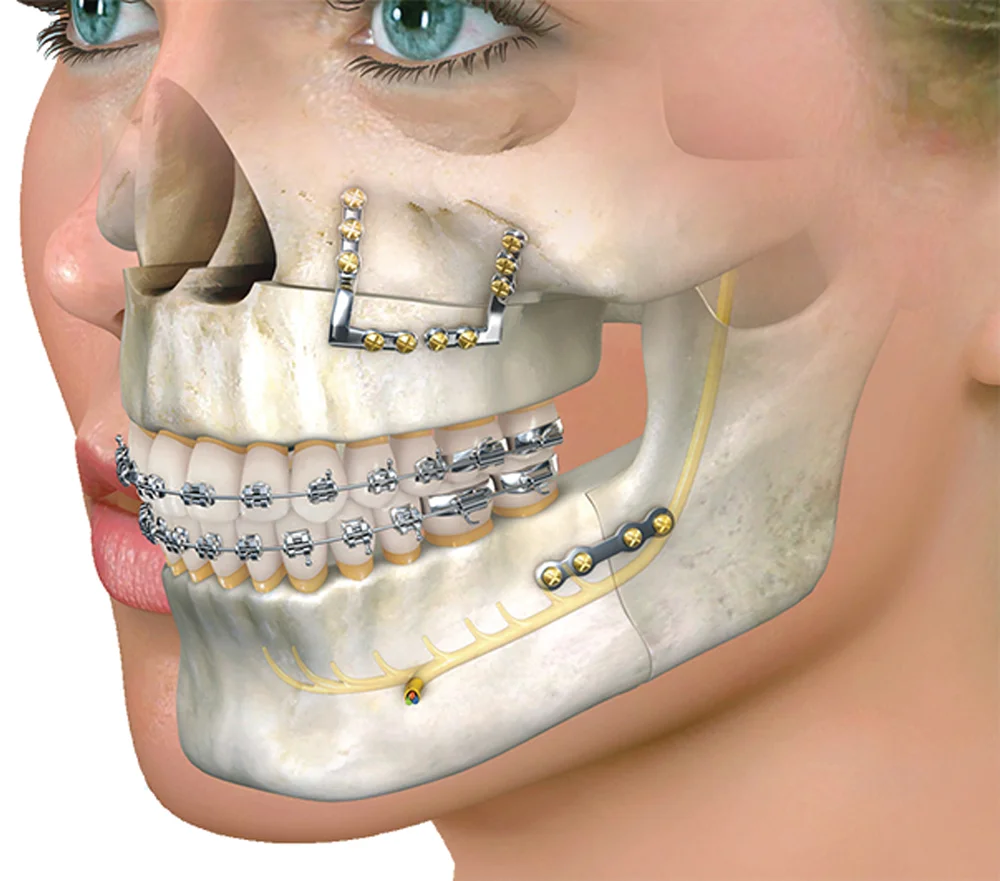
For the wider specialist assessment, see oral and maxillofacial surgery.
Arrange assessment in Gurgaon
Dr. Supreet Kaur Sawhney, MDS, Senior Consultant – Oral & Maxillofacial Surgeon and Senior Implantologist, brings 20+ years of experience to assessment and individual treatment planning. Consult at Dr. Supreet's Dental & Implant Centre, 395 P, Sector 39, near Medanta Hospital, Gurugram (Gurgaon), Haryana 122001. Contact the clinic, call +91 9650298009, or view the Sector 39 clinic. Medical danger signs need emergency assessment; do not wait for a routine appointment.