TMD Physiotherapy in Gurugram | Dr. Supreet
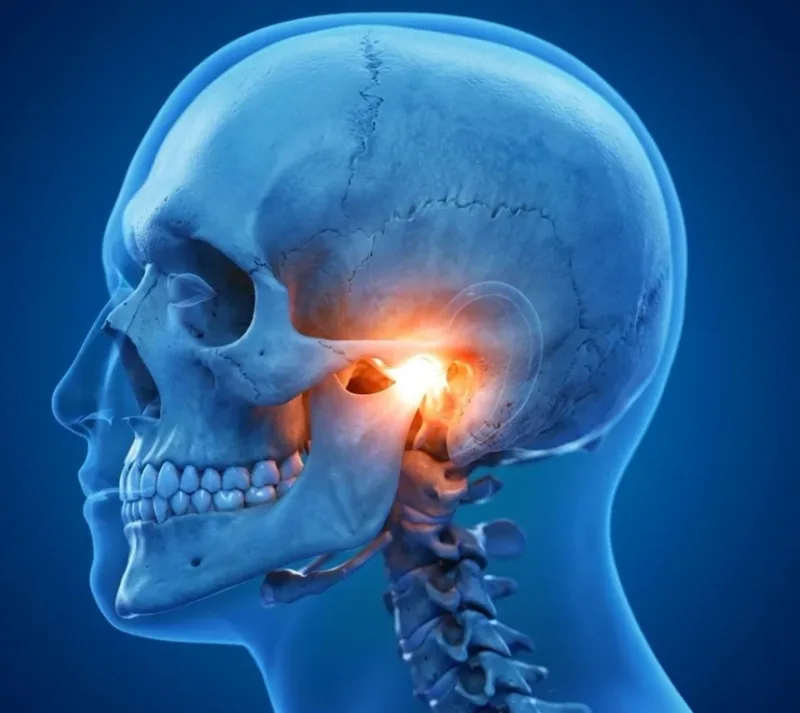
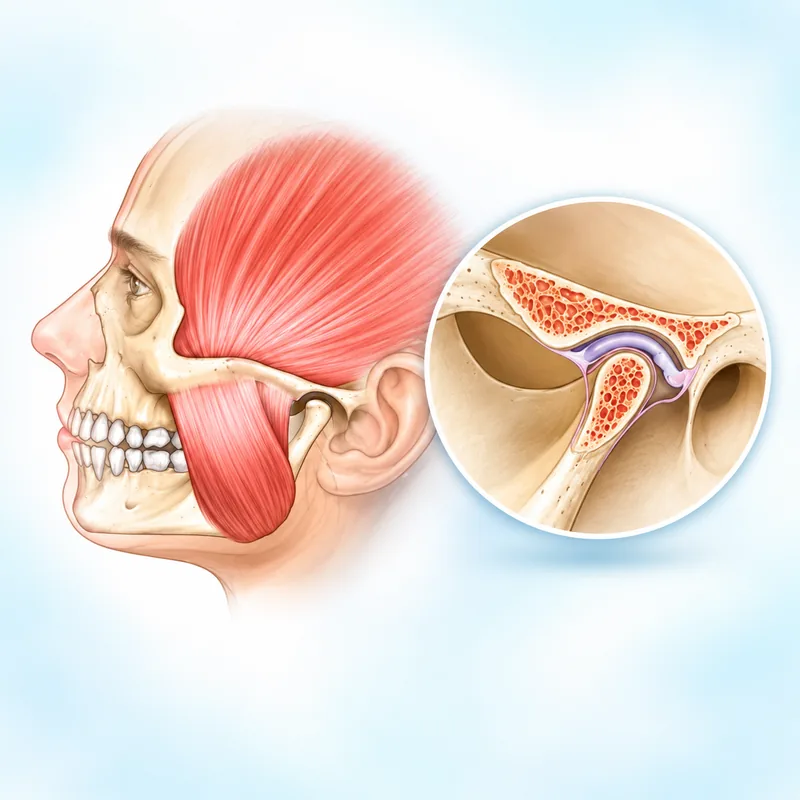
Jaw physiotherapy focuses on how the jaw moves and how its muscles work. For an assessed jaw-joint or chewing-muscle disorder, hands-on care may improve movement and pain, although benefits vary.
Dr. Supreet provides assessment and planning for temporomandibular disorders, or TMD: a group of conditions affecting the jaw joints, chewing muscles and associated headaches. A physiotherapy plan should suit the diagnosis, rather than treating every jaw click in the same way.
Start with the cause of the symptoms
Your symptom history and examination guide care; imaging may be advised when indicated. Tooth disease and other causes of facial pain also need consideration. Painless clicking usually needs no treatment, while pain, locking or restricted movement changes the assessment. Many symptoms settle without treatment, and reversible care is generally considered before invasive options.
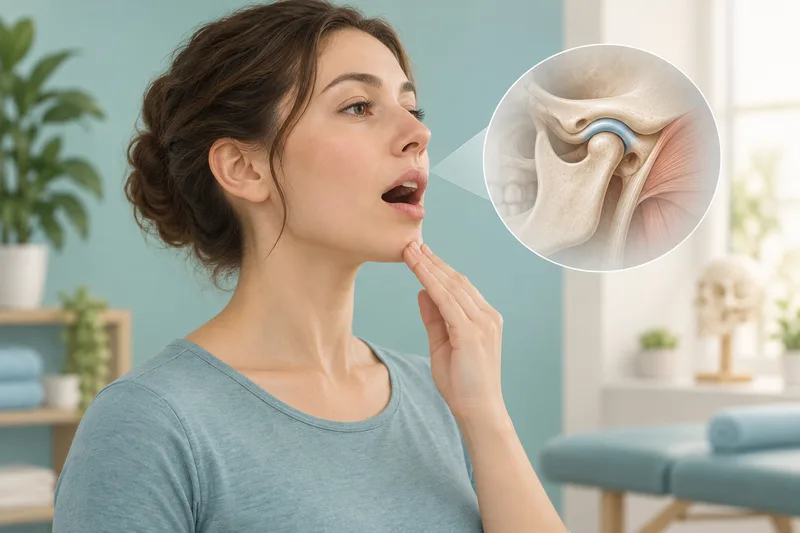
What a tailored movement plan may include
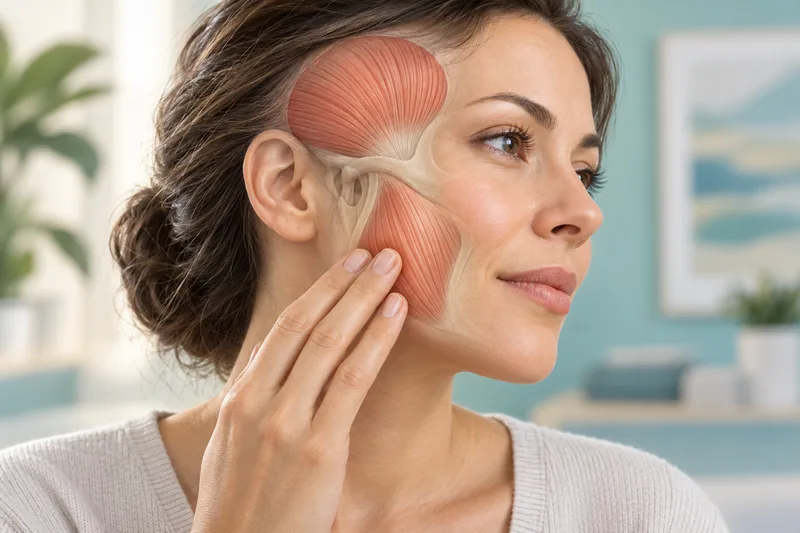
A clinician or physiotherapist may select relaxed jaw posture, gentle controlled opening or jaw-muscle massage. These are examples, not a programme everyone should follow. Not everyone needs every exercise; the choice and instructions should come from assessment. A list of exercises cannot replace your individual plan.
Sources (2)
During a painful flare, temporarily softer foods may reduce chewing demand. Reducing gum chewing and clenching can also reduce jaw loading, but this does not mean either habit is the sole cause of the disorder.
Keep heat, cold and movement comfortable
Comfortable heat or cold and gentle massage may ease symptoms. Use a cloth barrier between a thermal pack and your skin. Facial numbness or circulation problems may make heat or cold unsuitable, so discuss these with the treating clinician before using packs. The plan should be adapted to your risks.
Sources (2)
Seek clinical advice if symptoms worsen during the physiotherapy plan. Do not assume that worsening symptoms mean you should simply do more exercises.
When assessment should be urgent
Seek urgent assessment if you cannot eat or drink, or jaw pain comes with visual symptoms or a severe headache. These can have causes other than a jaw disorder and should not be assumed to be a physiotherapy problem.
For the wider assessment and options, see TMJ treatment and conservative jaw care.
Discuss your options in Gurugram
Dr. Supreet Kaur Sawhney, MDS, Senior Consultant – Oral & Maxillofacial Surgeon and Senior Implantologist, brings 20+ years of experience to assessment and individual treatment planning. Consult at Dr. Supreet's Dental & Implant Centre, 395 P, Sector 39, near Medanta Hospital, Gurugram (Gurgaon), Haryana 122001. Request a consultation, call +91 9650298009, or view the Sector 39 clinic.