TMJ Arthrocentesis in Gurugram | Dr. Supreet
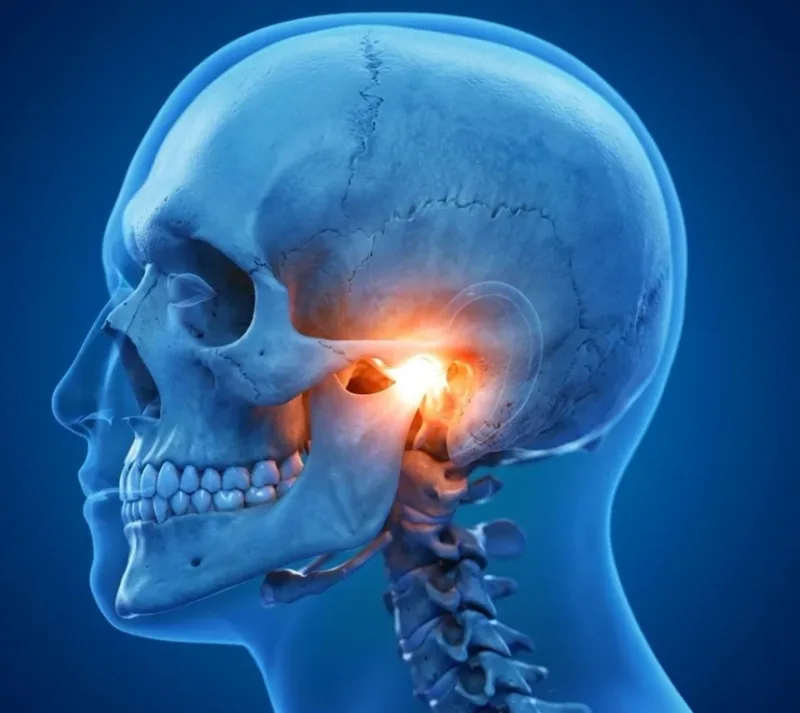
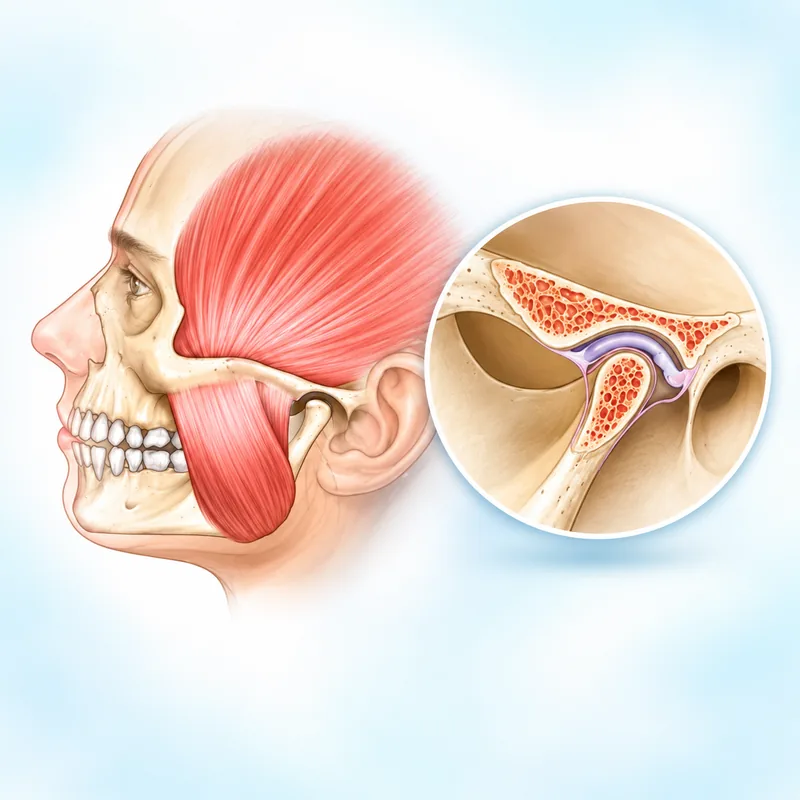
TMJ arthrocentesis washes a jaw joint with sterile fluid. It is considered for selected problems within the joint or its disc (which sits between the two bones inside the jaw joint), rather than isolated jaw-muscle pain; finding the source of symptoms matters before choosing washout.
TMJ means temporomandibular joint, the jaw joint. Dr. Supreet provides arthrocentesis for appropriately selected patients, with assessment and an individual discussion of alternatives, possible benefit and risks.
Is the problem in the joint?
Temporomandibular disorders, or TMD, include jaw-joint, chewing-muscle and associated headache disorders. History and examination guide diagnosis, with imaging when indicated and other causes of facial pain considered. Painless clicking usually needs no treatment; pain, locking or restricted movement changes the assessment.
Many symptoms settle without treatment. Reversible care is generally considered before invasive procedures: possible alternatives include physiotherapy, symptom management and appropriately selected appliances. An appliance being an option does not prove it will relieve jaw-disorder pain.
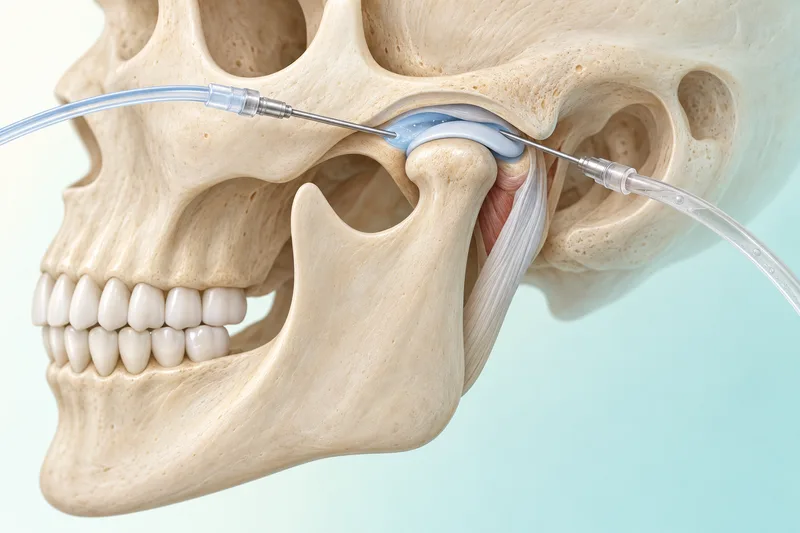
What joint washout involves
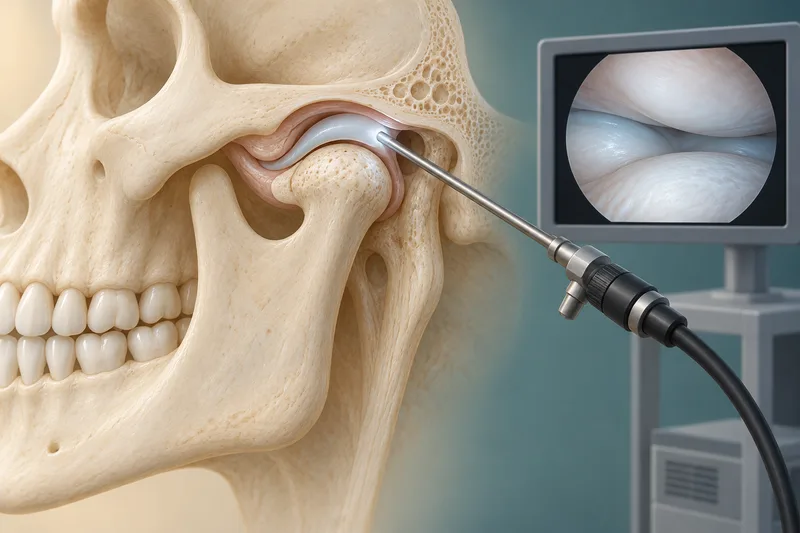
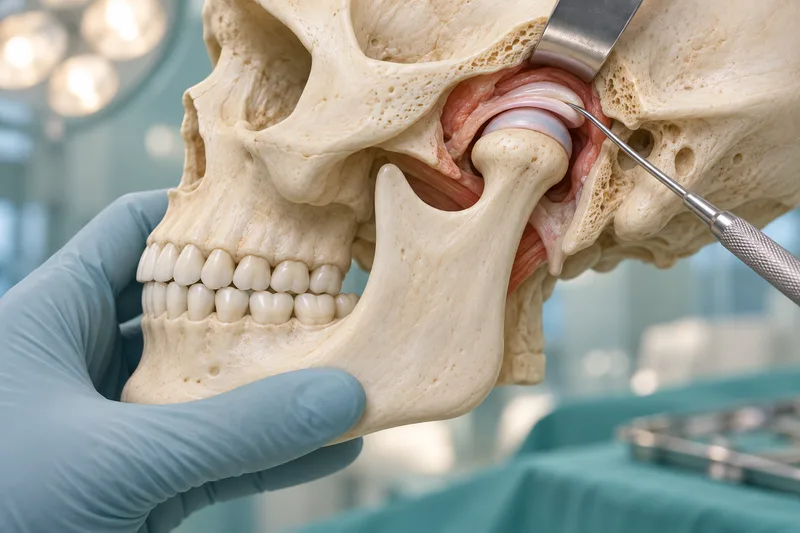
The BAOMS patient guide describes two needles for fluid to enter and leave the joint. Washout aims to clear loose material from the joint space; this purpose does not guarantee symptom improvement. A camera may be added when arthroscopy is used, but camera inspection is not routine for every needle washout.
Sources
The same guide describes usual general anaesthesia, meaning you are asleep during the procedure, with many patients going home that day and some staying overnight. Your anaesthesia and discharge arrangements depend on you, the procedure and treating service; the team will give the actual plan.
Sources
Balance uncertain benefit against risks
Symptoms may persist or worsen after a joint procedure, and any improvement may not last. Pain, bruising, swelling, bleeding and infection are possible risks. Temporary difficulty opening can occur. Ear problems, altered sensation such as numbness, and facial-muscle weakness are uncommon but important possibilities to discuss; these sources cannot predict your individual risk.
Sources (2)
Follow the individual recovery plan
The team may advise a temporary soft diet and mouth-opening exercises, with review appointments to check recovery and movement. Diet duration, exercise choice and timing should follow the treating team rather than a standard home programme.
Sources (2)
After arthrocentesis, contact the treating surgical team for fever, increasing pain or swelling after the early recovery period, or redness, warmth or discharge at a needle site. These signs need assessment; they do not establish a diagnosis or a universal recovery timetable. Follow your team’s contact and discharge instructions.
For the broader decision, read TMJ treatment, conservative jaw care or selected splint care.
Discuss your options in Gurugram
Dr. Supreet Kaur Sawhney, MDS, Senior Consultant – Oral & Maxillofacial Surgeon and Senior Implantologist, brings 20+ years of experience to assessment and individual treatment planning. Consult at Dr. Supreet's Dental & Implant Centre, 395 P, Sector 39, near Medanta Hospital, Gurugram (Gurgaon), Haryana 122001. Request a consultation, call +91 9650298009, or view the Sector 39 clinic.