Gingivectomy and Laser Gingivectomy in Gurugram
Discuss the cause of gum enlargement
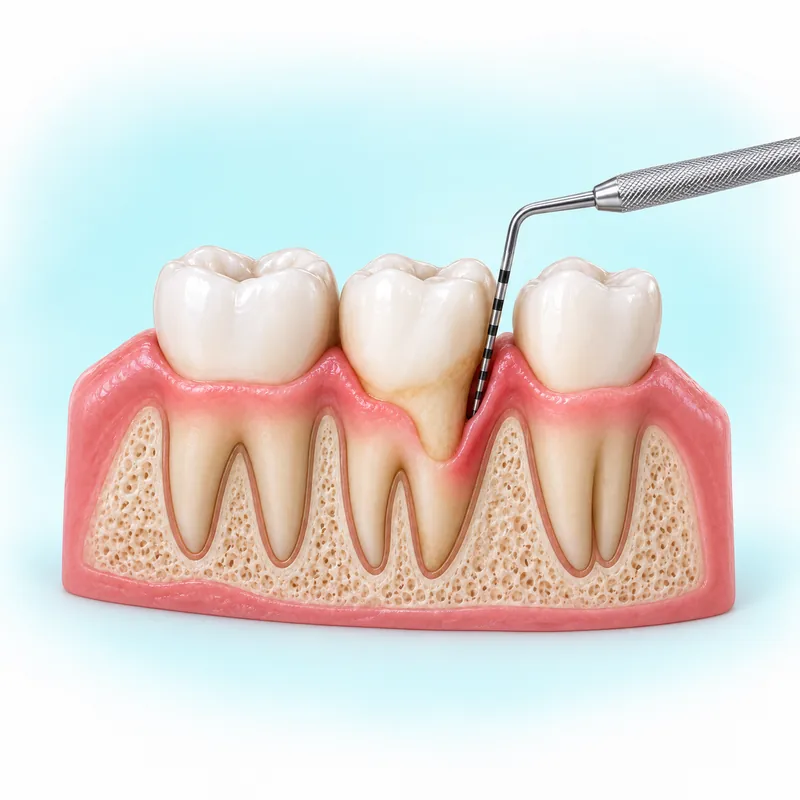
For gums that look overgrown, Dr. Supreet Kaur Sawhney in Gurugram assesses the cause before discussing tissue removal or another approach. Gum inflammation, tooth position and some medicines can produce a similar appearance; each needs its own assessment.
See the gum surgery and grafting guide to discuss this concern within a broader gum-health assessment.
Removal, reshaping and the underlying cause
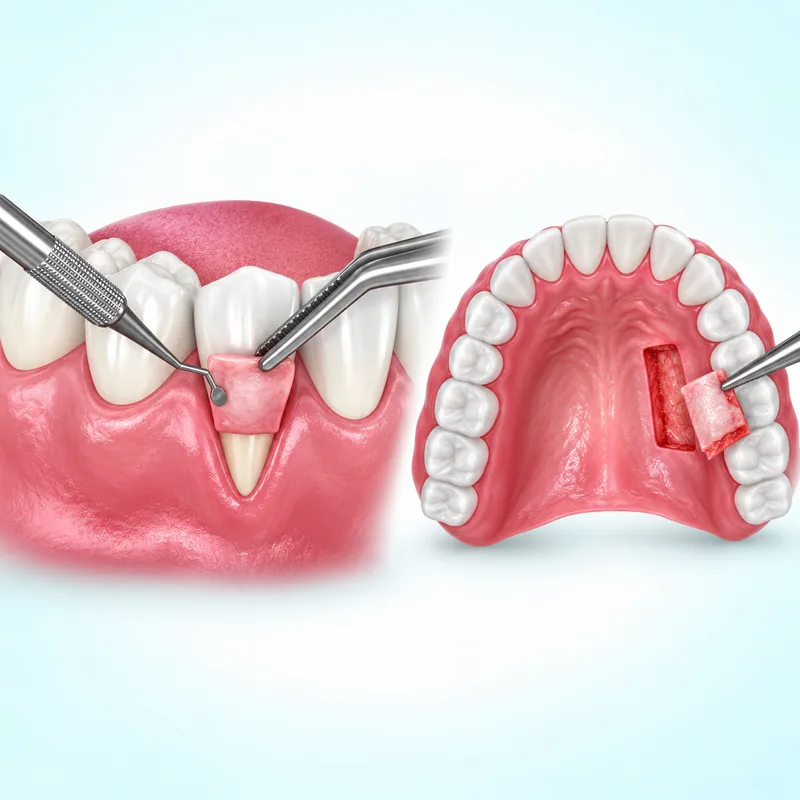
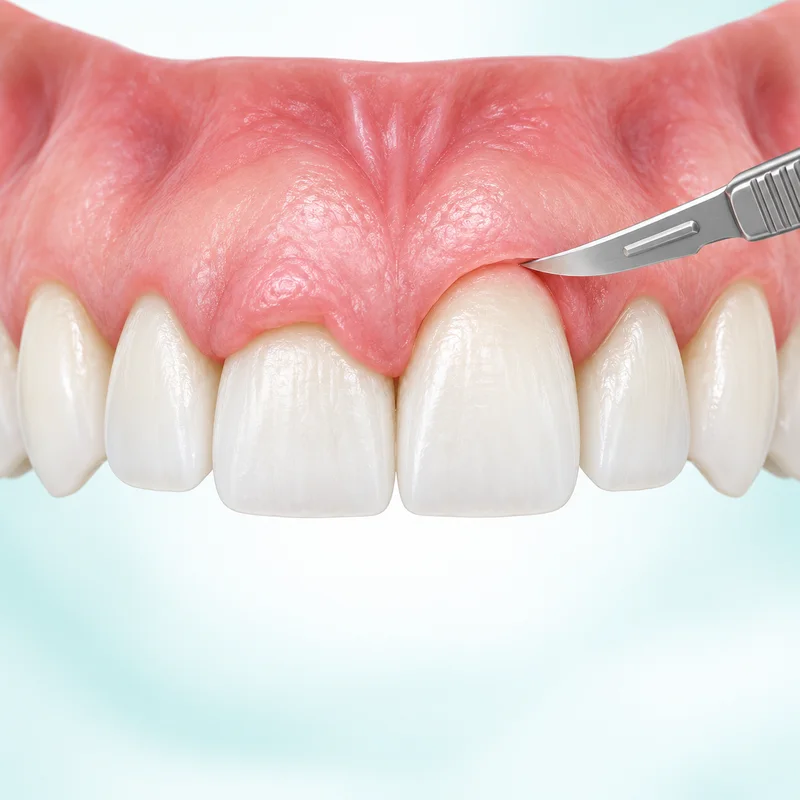
Gingivectomy removes excess gum tissue. Gingivoplasty reshapes the gum line, while crown lengthening may also reshape underlying bone. These can be separate or combined procedures with different aims and recovery. Enlargement associated with braces (orthodontic treatment) or certain medicines may require removal, but assessment and control of plaque—the soft bacterial buildup on teeth—remain important. Overgrowth may return, especially when medicines or medical conditions contribute; effective cleaning lowers that risk.
When a medicine may contribute
If enlargement linked to a calcium-channel blocker or phenytoin persists despite hygiene treatment, the dental team should discuss it with the clinician overseeing that medicine. Do not stop or change a prescribed medicine on your own because your gums have enlarged.
Scalpel or laser and local numbing
Local anaesthesia numbs the gum before removal or reshaping. A scalpel cuts the tissue; laser gingivectomy uses laser energy instead. Laser coagulation, meaning sealing through clotting, may reduce the need for stitches in selected procedures, but does not guarantee no bleeding or complications. The method is a clinical choice.
Discuss risks for the planned procedure
Periodontal surgery can cause pain, bleeding, swelling, gum recession or sensitivity and may fail; risks vary with the procedure and patient. An inappropriate laser wavelength or power can damage periodontal tissues. This safety warning does not predict how often harm occurs with competent use.
Sources (2)
Food, cleaning and a dressing only if used
Soft foods and avoiding mechanical irritation support early recovery after gingivectomy. Follow the treating team’s individual cleaning instructions.
If a protective gum dressing pack is placed, use the instructions for that pack. In the Leeds pathway, it is removed after one to two weeks and should not be pulled off early; the covered site is not brushed while the pack is present, prescribed chlorhexidine rinse is used during that period, and effective brushing resumes after removal. This is a pack-specific hospital pathway, not a routine requirement for every scalpel or laser procedure. The treating team’s actual plan controls.
Sources
Symptoms that need prompt contact
After gingivectomy, contact the treating surgeon promptly for bleeding that does not stop, pus or drainage, fever, or pain that does not improve with the advised medicine. Urgent local assessment depends on severity and whether the team can be reached.
Arrange an assessment
Dr. Supreet Kaur Sawhney, MDS, is a Senior Consultant Oral & Maxillofacial Surgeon and Senior Implantologist with more than 20 years of experience. Dr. Supreet’s Dental & Implant Centre is at 395 P, Sector 39, near Medanta Hospital, Gurugram (Gurgaon), Haryana 122001. For an assessment, contact the clinic or call +91 9650298009.