Xenograft Bone Grafting in Gurugram
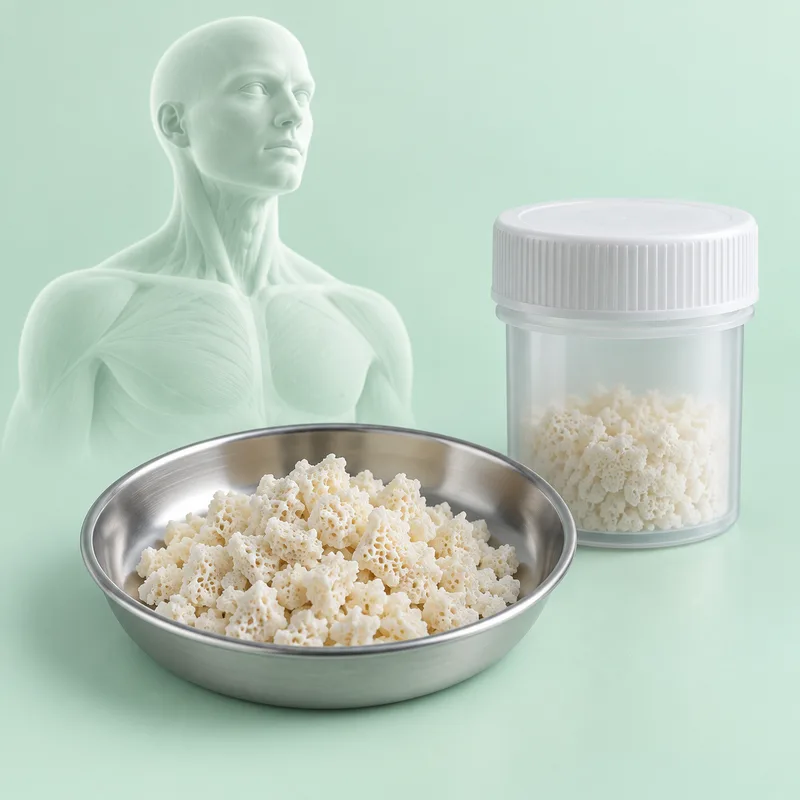
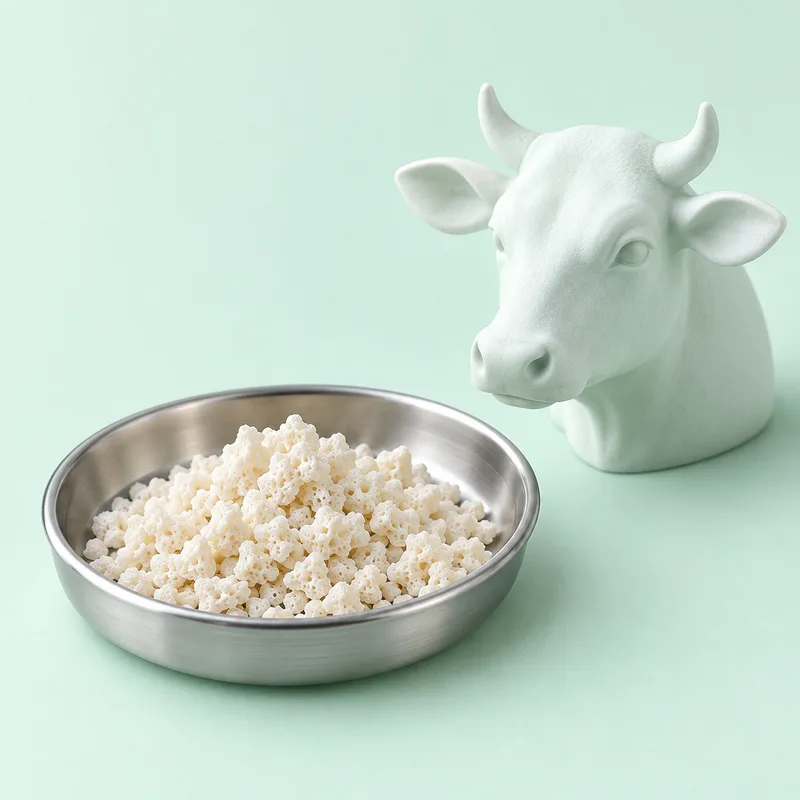
A xenograft is an animal-derived bone graft; examples include bovine (cow) and porcine (pig) sources. For an implant-site graft, the decision is whether an identified product fits the defect and your preferences, not whether an animal-derived bone-graft source is universally better. Dr. Supreet Kaur Sawhney, MDS, is a Senior Consultant – Oral & Maxillofacial Surgeon and Senior Implantologist with 20+ years of experience. In Gurugram, she can discuss the proposed graft and membrane origins alongside the full restoration plan.
Sources (3)
Source is one part of the graft choice
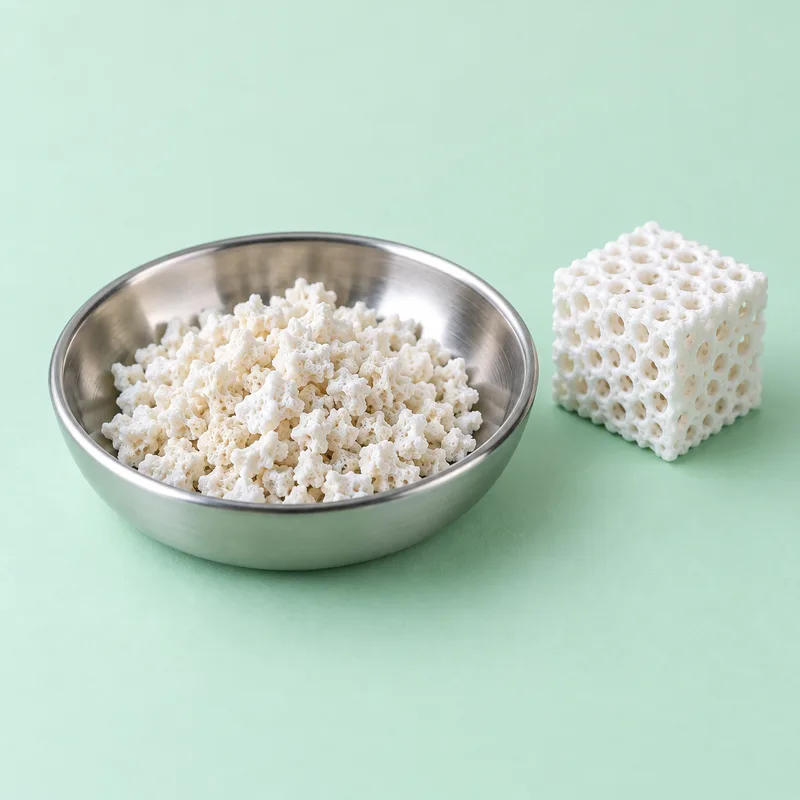
Bone grafting adds material where jawbone is deficient to support repair. “Xenograft” describes animal origin; it does not identify one brand or make every animal-derived bone-graft product the same. Ask which graft product is proposed and whether a membrane will be used; a membrane is a thin protective sheet or barrier and may have a different origin. If animal-derived bone material matters to your personal or religious preferences, raise that before deciding so the actual products can be discussed.
Sources (2)
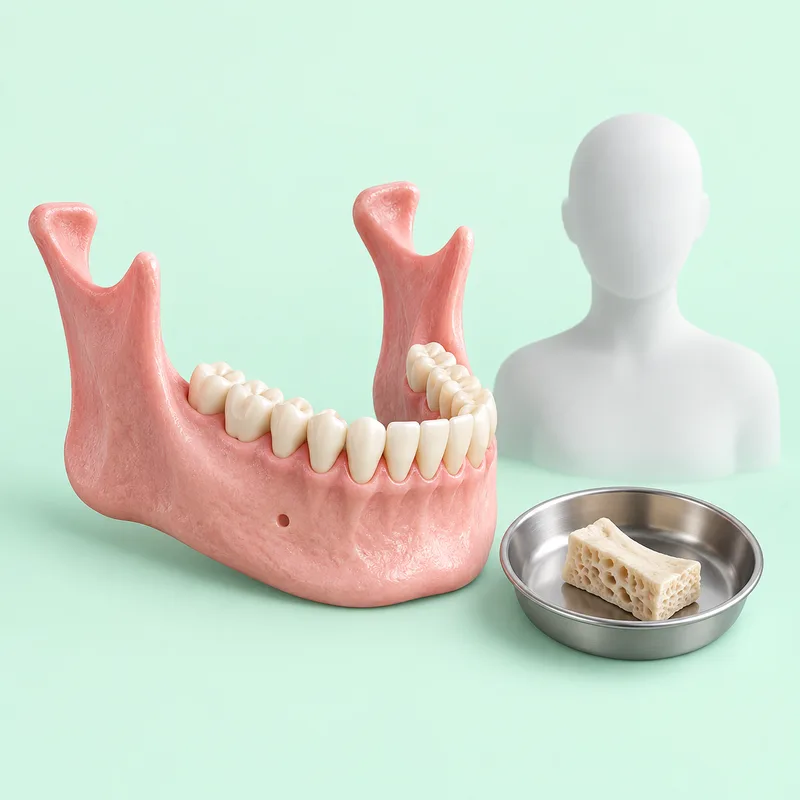
Grafts can also use the patient’s own bone, human-donor material or a synthetic substitute, and material from more than one source may be combined. The source name alone does not establish the best choice for your site; the defect, amount needed, product and preference guide the discussion.
Procedure, healing and wound care
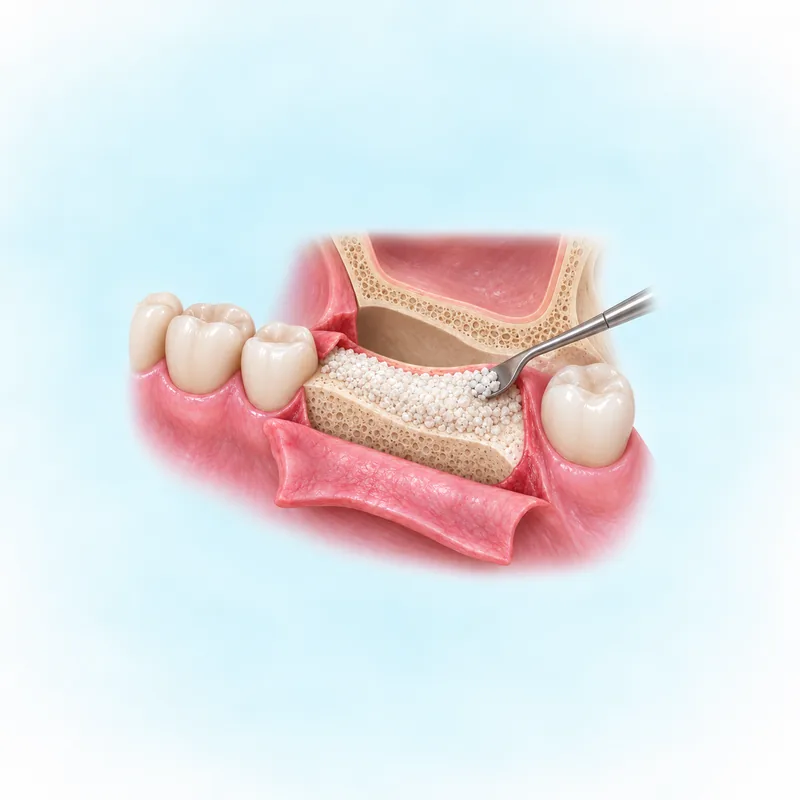
A general bone-graft procedure may use local anaesthetic (medicine that numbs the area), preparation of the gum, placement of graft material and sometimes a membrane before stitches. The exact approach and timing of implant placement depend on the site and plan. Health conditions, medicines and smoking should be reviewed before surgery.
Sources (2)
Bone healing and becoming ready for later implant treatment may take several months, but timing depends on the graft and site. Follow the specific instructions for the wound; food choices or denture use may need temporary changes to protect it. Pain, bruising, swelling and infection are possible. A healed graft may still leave too little bone for the intended implant, so further bone grafting may be considered. Contact the treating team if pain, swelling, or drainage (fluid or pus from the wound) worsens; these symptoms need assessment and do not alone prove the graft has failed.
Sources (4)
- Cambridge University Hospitals: Bone grafting for dental implants
- Guy’s and St Thomas’ NHS Foundation Trust: Bone grafting for dental implants: Overview
- Cleveland Clinic: Dental Bone Graft: Process, Purpose and Healing
- Guy’s and St Thomas’ NHS Foundation Trust: Bone grafting for dental implants: Minor bone grafting
For an implant-site consultation in Gurugram, Dr. Supreet sees patients at Dr. Supreet’s Dental & Implant Centre, 395 P, Sector 39, near Medanta Hospital, Gurugram (Gurgaon), Haryana 122001. Visit the Sector 39 clinic, contact the clinic, or call or WhatsApp +91 9650298009. The bone grafting and sinus lift guide explains broader site-development planning.
Discuss alternatives before deciding
Ask what bone is missing, which animal-derived product and membrane are proposed, whether material is blended, how healing will be checked and what alternatives fit your needs. A bridge, denture or leaving the space unrestored may be considered in some implant-site plans; suitability depends on tooth support, bite and function.