Crown-Root Fracture Treatment in Gurugram
A crown-root fracture of a permanent tooth crosses enamel (the hard outer layer), dentin (the layer beneath it) and the root covering called cementum, often extending below the gum. The break may expose the pulp, the living tissue inside the tooth, and its visible size cannot show whether the tooth can be suitably restored.
Sources (2)
After the accident, serious face or jaw injury, uncontrolled heavy bleeding, breathing difficulty from severe swelling, or head-injury signs such as loss of consciousness, vomiting or double vision need emergency medical assessment before tooth treatment.
Dr. Supreet assesses permanent crown-root fractures in Gurugram, including fracture depth, pulp condition, root development and the remaining tooth. This guide concerns permanent teeth; baby-tooth injuries need their own assessment and pathway.
Sources (2)
Assess the full fracture
The dentist checks a mobile natural-crown fragment (from the normally visible part of the tooth), whether the pulp is exposed, the fracture's depth and supporting bone. Appropriate dental images help planning; additional three-dimensional imaging may be considered for specific unanswered questions, rather than routinely for every fracture. The tooth's remaining root and relation to the gum and bone affect restorative options.
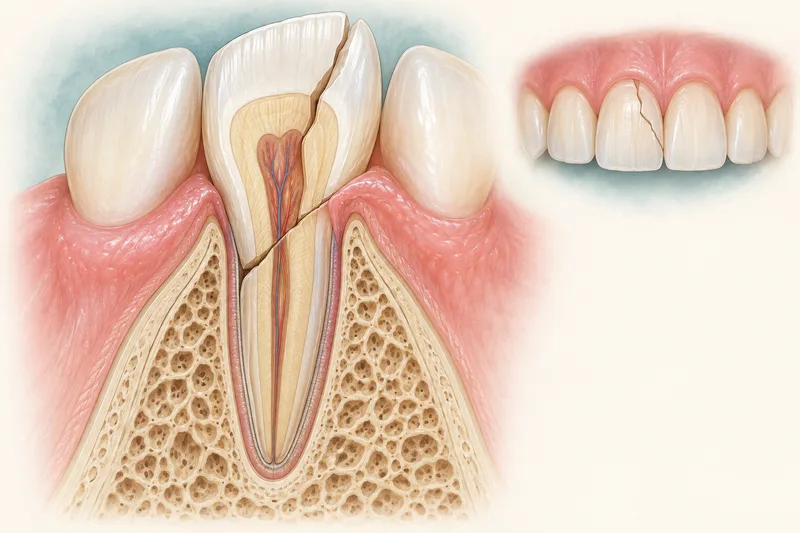
Temporary protection and treatment of the tooth’s pulp
While a final plan is made, the dentist may stabilize a mobile fragment. When the pulp is not exposed, removing a mobile fragment, protecting exposed dentin and restoring the remaining tooth may be considered. This is a clinician procedure; exposed pulp requires a different decision rather than automatic fragment removal and filling.
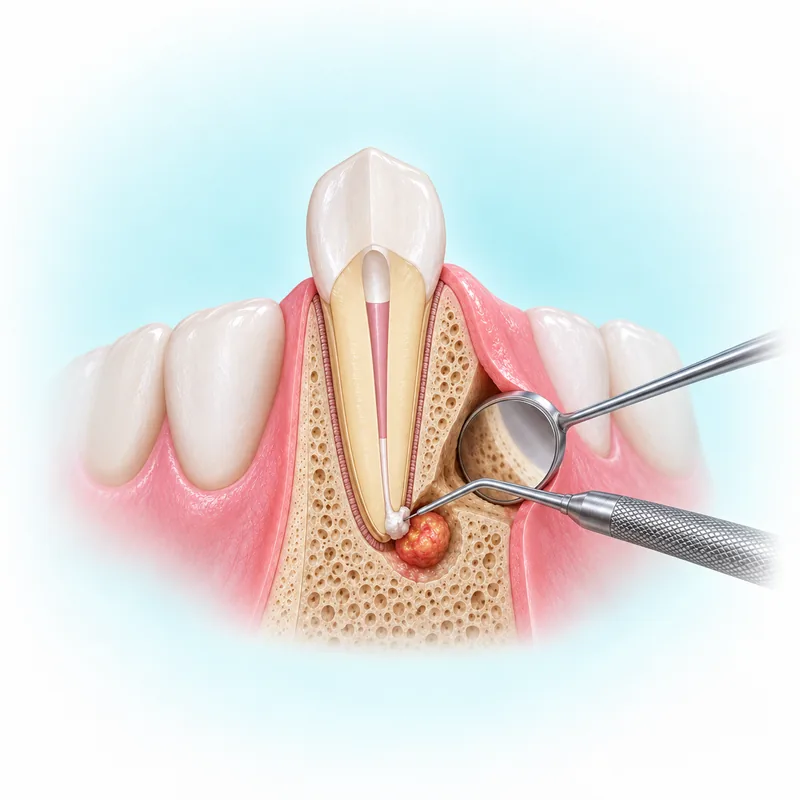
If pulp is exposed and the permanent root is still developing, partial pulpotomy, removal of part of the injured pulp tissue, may preserve viable pulp and support continued root development. In a fully developed permanent tooth with this injury, pulp removal and root canal treatment (treatment inside the tooth) are often needed. How fully the root has developed, pulp condition, the ability to keep the treatment area dry and protected from saliva, and whether the tooth can be restored determine the actual plan; not every crown-root fracture automatically needs a root canal.
Sources (4)
- Traumatic Dental Injuries FAQ
- Recommended Guidelines for the Treatment of Traumatic Dental Injuries
- International Association of Dental Traumatology guidelines for the management of traumatic dental injuries: 1. Fractures and luxations
- Leeds Teaching Hospitals: understanding endodontic treatment (isolation definition only)
Can the tooth be retained?
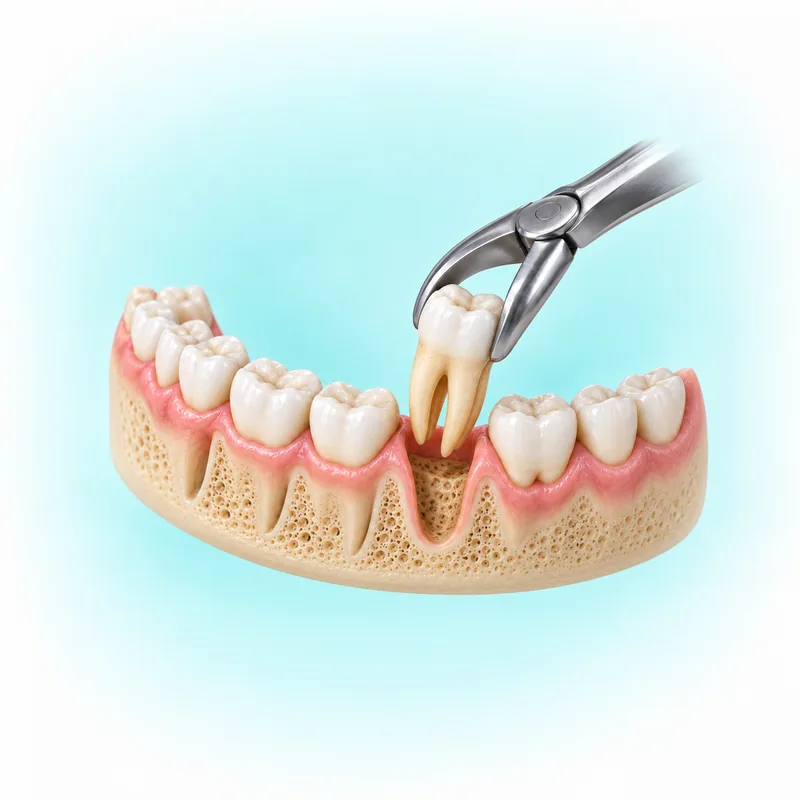
Later options can include restoring the tooth after orthodontic or surgical extrusion, moving or repositioning part of the remaining tooth to make restoration possible. Extraction may be discussed if it cannot be suitably retained. Fracture position, remaining root, bone relation, age and cooperation affect the choice; some cases need combined pulp and gum-support care. These options are not interchangeable promises of success.
Follow-up and changes to report
For permanent crown-root fractures, the IADT guideline describes clinical and dental-image checks around one week, six to eight weeks, three months, six months, one year and then yearly for at least five years. Associated injury and findings can change that plan. Report discoloration, pain, a lost restoration, infection concerns or gum and bone problems for reassessment; later pulp or root complications can develop.
Sources (2)
Follow the treating dentist's injury-specific oral-hygiene and healing advice, including avoiding contact sports during healing. Relevant sports mouthguards reduce future injury risk but cannot eliminate it. Follow-up timing is a clinician plan after assessment, not a reason to delay the initial visit.
Sources (2)
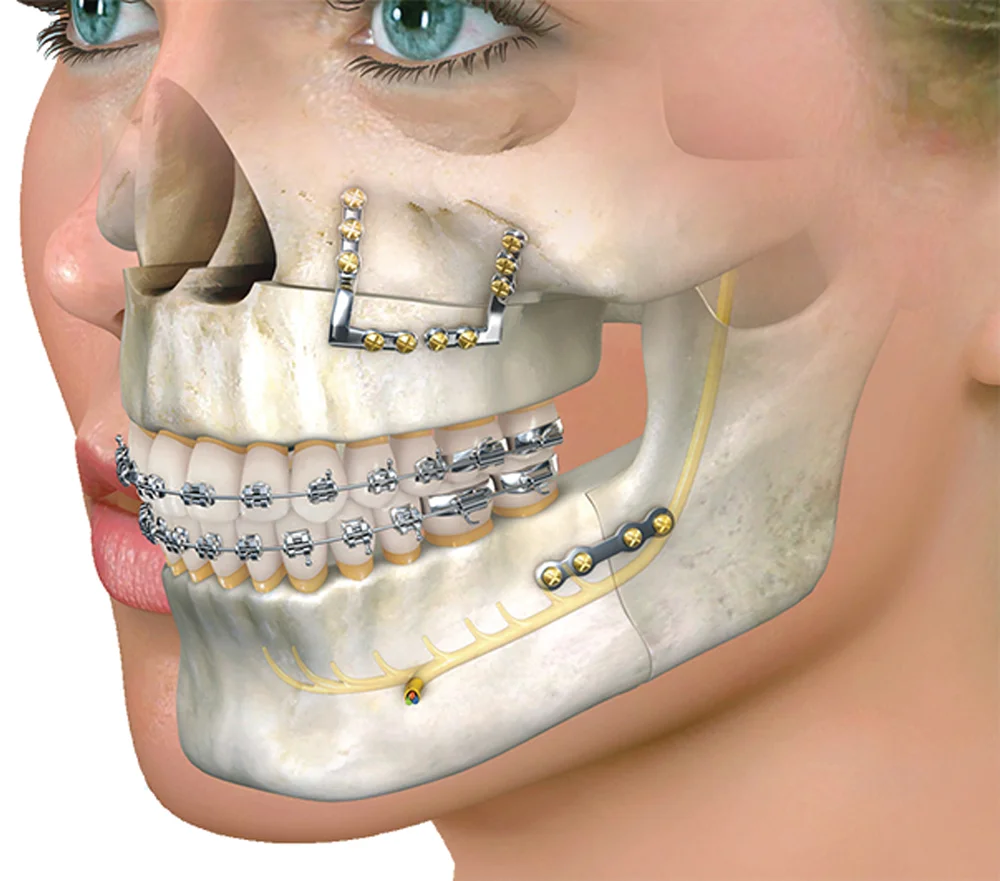
For the wider specialist assessment, see oral and maxillofacial surgery.
Arrange assessment in Gurgaon
Dr. Supreet Kaur Sawhney, MDS, Senior Consultant – Oral & Maxillofacial Surgeon and Senior Implantologist, brings 20+ years of experience to assessment and individual treatment planning. Consult at Dr. Supreet's Dental & Implant Centre, 395 P, Sector 39, near Medanta Hospital, Gurugram (Gurgaon), Haryana 122001. Contact the clinic, call +91 9650298009, or view the Sector 39 clinic. Medical danger signs need emergency assessment; do not wait for a routine appointment.