Orthognathic Jaw Surgery in Gurugram
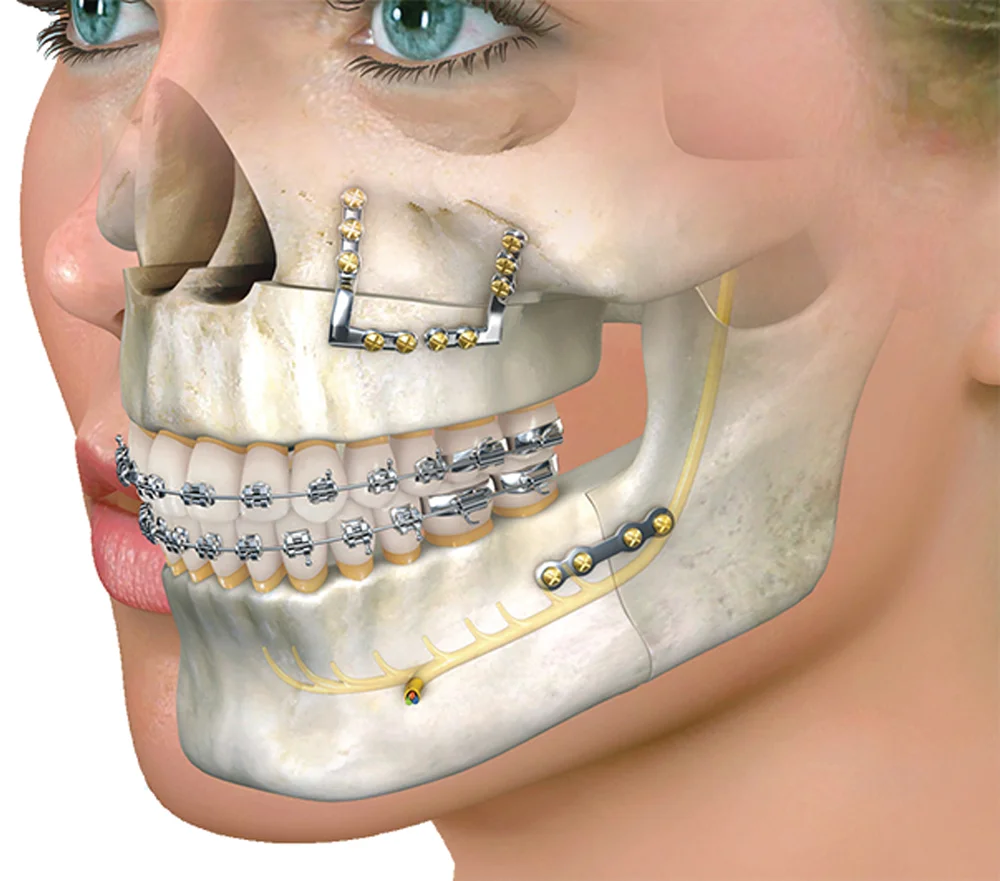
Orthognathic surgery repositions the upper jaw, lower jaw or both when a jaw-alignment problem cannot be adequately corrected by moving teeth alone. The main decision is whether the problem lies in the teeth, the supporting jaws, or both. Braces can address many tooth-position problems; a significant mismatch between the jaws may need a combined orthodontic and surgical plan.
Dr. Supreet Kaur Sawhney, MDS, is a Senior Consultant – Oral & Maxillofacial Surgeon & Senior Implantologist with 20+ years of experience. She provides corrective-jaw-surgery assessment in Gurugram, explaining the likely purpose of treatment and the commitments involved before an individual plan is agreed.
When a bite problem needs a jaw assessment
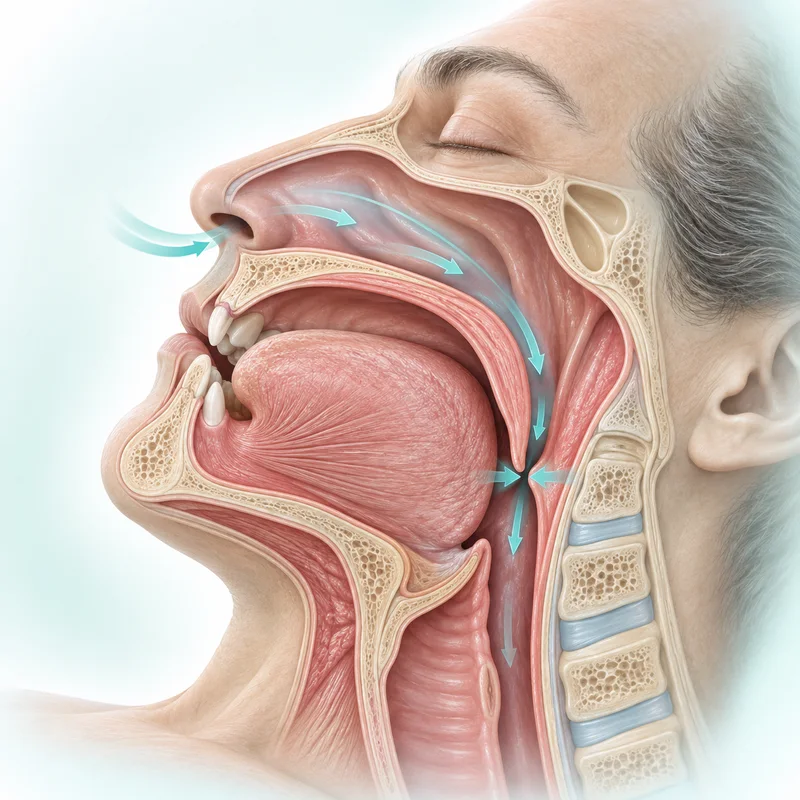
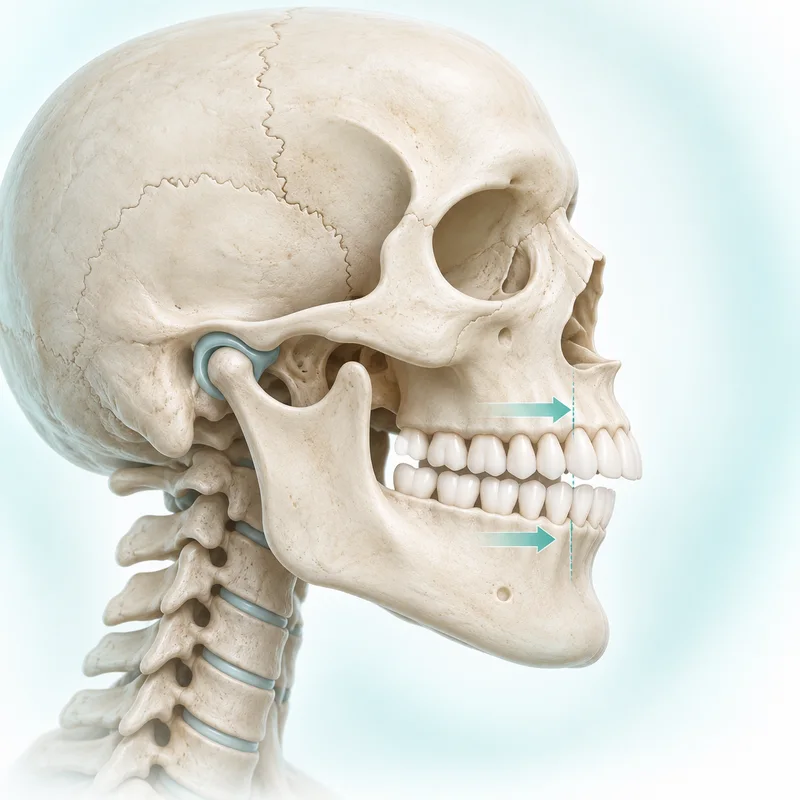
An improper bite associated with jaw misalignment can make biting or chewing difficult. An open bite, a protruding or receding jaw, or facial imbalance may prompt assessment, but appearance or one symptom alone does not establish a need for surgery. The relationship between the jaws and teeth determines whether orthodontic treatment alone can meet the treatment goals.
Bring any orthodontic records, previous dental imaging and a list of medicines to the consultation. Describe what bothers you most: difficulty biting food, how the teeth meet, facial balance or a previous unsuccessful treatment. Examination and appropriate records help turn that concern into a specific diagnosis and discussion of choices.
Sources (2)
In a growing patient, jaw growth also influences timing. Routine corrective jaw surgery is generally planned after growth has stabilised, because further growth can alter the correction. Assessment can begin earlier; the decision is based on development and the clinical problem rather than a universal birthday.
Why orthodontic and surgical planning belong together
Orthodontics usually prepares the teeth to fit the planned jaw positions, and further orthodontic adjustment is often needed afterwards. During preparation, the bite may temporarily look or feel worse as teeth are moved for the surgical correction. Understanding this stage helps patients judge the whole plan rather than one appointment.
Surgery and tooth movement have different jobs: the operation changes the jaw position, while orthodontics aligns the teeth within that position. Follow-up and retainers may then be needed to maintain tooth alignment. The sequence and overall duration depend on the individual plan; this is a substantial treatment commitment rather than a quick cosmetic adjustment.
What the operation changes
Under general anaesthesia, the surgeon makes controlled cuts in the selected jawbone, moves it into the planned position and secures it with plates and screws. Access is usually through the mouth. Whether one or both jaws need movement is decided from the bite and facial assessment, rather than from a preference for a particular operation.
Sources (2)
Orthodontics alone remains an option in some circumstances, but it may not achieve the same correction of a skeletal jaw mismatch. The consultation should clarify what each realistic option can achieve and what compromise it leaves, so you can decide whether the additional burden of surgery is justified for your goals.
Recovery, sensation and follow-up
Swelling, stiffness and discomfort are expected after surgery. Eating begins with a modified diet and progresses according to the surgeon's instructions. Time away from work or study and return to exercise depend on the operation, healing and daily demands; early improvement does not mean the bone has completed healing.
Important risks include bleeding, infection, changes in the bite requiring adjustment, and altered sensation. Numbness of the lip or chin after lower-jaw surgery can improve with time, but a lasting change is possible. Your surgeon should discuss the risks relevant to the proposed movements and your health, including anaesthetic risks.
Sources (2)
Keep surgical and orthodontic review appointments even when the bite feels better. Obtain written diet, oral-cleaning and activity instructions, along with a contact plan for recovery concerns. These instructions should come from the team responsible for your operation. Contact that team immediately for significant or persistent bleeding, and seek advice if prescribed pain relief is not controlling the discomfort.
Sources (3)
Severe difficulty breathing, such as gasping or being unable to speak, requires emergency medical care immediately. Do not wait for a routine clinic reply or drive yourself. For other new or increasing recovery concerns, contact the treating surgical team promptly using your discharge instructions.
Discuss corrective jaw surgery with Dr. Supreet
Dr. Supreet's calm, compassionate approach gives you time to explain your concerns and understand the options. Her OMFS background is relevant to assessing the jaws and planning surgical care with orthodontic input where needed. You can also read about her broader oral and maxillofacial surgery care.
Consultations are available at Dr. Supreet's Dental & Implant Centre, Sector 39, 395 P, Sector 39, Near Medanta Hospital, Gurugram, Haryana 122001. The appropriate surgical setting and arrangements are confirmed during planning. Call +91 9650298009 or request a consultation.